Understanding how to cope with loneliness daily is essential for maintaining emotional and physical health in our increasingly connected yet often isolating world. Learning effective strategies can help individuals foster meaningful connections, develop personal resilience, and find fulfillment even during solitary moments.
This comprehensive guide explores practical methods to address loneliness on a daily basis, including establishing routines, building support networks, engaging in solo activities, practicing self-compassion, and leveraging technology to enhance social interactions. Embracing these approaches can significantly improve overall well-being and quality of life.
Understanding Loneliness and Its Impact on Daily Life

Loneliness is a complex emotional state that affects individuals across all age groups and backgrounds. While often perceived as a transient feeling, persistent loneliness can have profound psychological and physical repercussions, influencing overall well-being and daily functioning. Recognizing the nature and effects of loneliness is essential for developing effective coping strategies and fostering healthier social connections.
In essence, loneliness is more than just being alone; it is the subjective feeling of isolation regardless of one’s social environment. This emotional distress can stem from various causes, including life transitions, social circumstances, or health issues. Its impact extends beyond emotional discomfort, affecting physical health, cognitive function, and even life expectancy. Understanding the different facets of loneliness enables individuals to address it proactively, promoting resilience and emotional stability.
Psychological and Physical Effects of Loneliness
Loneliness can significantly influence both mental health and physical well-being. On a psychological level, prolonged loneliness is associated with increased risks of depression, anxiety, and low self-esteem. Feelings of worthlessness and hopelessness often accompany chronic loneliness, leading to a cycle that becomes difficult to break. Additionally, lonely individuals may experience heightened stress levels, which can impair cognitive functions such as concentration and decision-making.
Physically, loneliness has been linked to various adverse health outcomes. Research indicates that chronic loneliness can elevate blood pressure, weaken the immune system, and increase the risk of cardiovascular diseases. Moreover, lonely individuals are more prone to unhealthy behaviors such as poor diet, physical inactivity, and disrupted sleep patterns. The cumulative effect of these physical and psychological impacts can diminish overall quality of life and reduce longevity.
Common Causes of Daily Loneliness
Understanding the roots of loneliness helps in identifying personal triggers and developing appropriate strategies to cope. Common causes include:
- Social isolation due to geographic relocation or loss of social networks.
- Work-related stress or busy schedules limiting social interactions.
- Health issues or disabilities that hinder mobility or social engagement.
- Transitions such as divorce, bereavement, or retirement that alter social roles and routines.
- Technological reliance which, despite connecting people virtually, may reduce meaningful face-to-face interactions.
It is important to recognize that causes can vary widely across different demographics, influencing how loneliness manifests and how it can be addressed effectively.
Loneliness Across Different Age Groups and Demographics
Loneliness is experienced differently depending on age, social circumstances, and cultural context. For young adults, loneliness may stem from social media pressures, academic stress, or difficulty forming authentic relationships. Middle-aged individuals often face loneliness related to career pressures, parenting responsibilities, or divorce. Older adults, particularly those living alone or experiencing health decline, are vulnerable to social isolation, which can be exacerbated by mobility issues or the loss of a spouse or friends.
Examples of demographic differences:
- Children and Adolescents: Feelings of loneliness may be linked to peer rejection, bullying, or difficulty in social integration. Virtual interactions can sometimes amplify feelings of exclusion.
- Adults: Work-related isolation or family responsibilities can reduce social opportunities, leading to loneliness despite being surrounded by others.
- Older Adults: Physical health limitations and bereavement often contribute to increased isolation, affecting mental health and physical vitality.
Addressing loneliness requires tailored approaches that consider these demographic variances to promote effective social engagement and emotional support.
Signs of Loneliness and Its Consequences
Recognizing the signs of loneliness early can facilitate timely intervention and prevent escalation into more serious health issues.
An effective way to understand loneliness is by identifying its signs and potential consequences. These include emotional, behavioral, and physiological indicators.
| Signs of Loneliness | Consequences of Loneliness |
|---|---|
| Persistent feelings of sadness or emptiness | Increased risk of depression and anxiety |
| Withdrawal from social activities or relationships | Reduced social skills and further isolation |
| Changes in sleep patterns, such as insomnia or oversleeping | Impaired immune function and higher susceptibility to illnesses |
| Physical symptoms like headaches or fatigue without clear medical cause | Higher blood pressure and cardiovascular risks |
| Decreased motivation or interest in daily activities | Decline in cognitive function, leading to memory issues and decreased productivity |
Understanding these signs and consequences highlights the importance of addressing loneliness promptly to maintain overall health and well-being.
Establishing Daily Routines to Alleviate Feelings of Isolation
Creating a structured daily routine can serve as a powerful strategy to combat loneliness by fostering a sense of purpose and encouraging social engagement. When carefully planned, routines help fill time with meaningful activities, reduce feelings of aimlessness, and promote emotional well-being. Establishing consistency and incorporating varied activities can significantly improve daily life and provide a reliable framework to navigate feelings of isolation.
A well-designed routine balances social interaction, personal development, and relaxation, making each day more fulfilling. It can also help adapt to changing circumstances, ensuring that individuals remain resilient and engaged regardless of external factors. The following steps guide the development of such routines, along with practical methods for integrating mindfulness, exercise, and creative pursuits into everyday life.
Developing a Structured Daily Schedule
Building an effective daily routine begins with assessing personal needs, preferences, and available resources. It is important to set realistic goals that can be maintained consistently, fostering a sense of achievement and stability. The step-by-step process includes:
- Identify Key Activities: List daily tasks that promote social interaction, physical activity, relaxation, and personal growth. These could include phone calls, outdoor walks, hobbies, or learning activities.
- Set Specific Time Blocks: Allocate designated periods for each activity, ensuring a balanced distribution throughout the day. Use a planner or digital calendar to visualize the schedule.
- Prioritize Social Engagement: Include regular contact with friends, family, or community groups. Even brief interactions can reduce feelings of loneliness and foster connection.
- Incorporate Self-Care Practices: Dedicate time to activities like mindfulness meditation, exercise, and creative pursuits to enhance mental health and emotional resilience.
- Maintain Flexibility: Allow room for adjustments based on daily circumstances or unexpected events, preventing frustration and promoting adaptability.
Incorporating Mindfulness, Exercise, and Creative Activities
Integrating these activities into daily routines can significantly improve mental health by reducing stress, enhancing mood, and encouraging self-awareness. Regular practice creates a sense of stability and offers outlets for self-expression and relaxation.
Mindfulness exercises, such as meditation or deep breathing, can be incorporated into morning routines or breaks, helping to center attention and reduce anxiety. Physical activity, including walking, stretching, or yoga, should be scheduled daily, ideally outdoors, to boost mood and physical health. Creative activities like painting, writing, or playing music serve as meaningful outlets for emotions and foster a sense of accomplishment.
Combining these practices into daily life ensures a holistic approach to well-being, providing both mental clarity and emotional resilience.
Example Routine with Time Slots, Activities, and Benefits
| Time Slot | Activity | Intended Mental Health Benefit |
|---|---|---|
| 7:00 AM – 7:30 AM | Morning mindfulness meditation | Reduces stress, increases focus, promotes emotional calmness |
| 8:00 AM – 8:30 AM | Healthy breakfast with family or alone reflection | Provides nourishment, fosters gratitude, sets a positive tone for the day |
| 9:00 AM – 10:00 AM | Outdoor walk or light exercise | Boosts endorphins, improves physical health, and enhances mood |
| 10:30 AM – 12:00 PM | Creative activity (painting, writing, music) | Encourages self-expression, reduces anxiety, nurtures creativity |
| 1:00 PM – 2:00 PM | Virtual or in-person social interaction | Builds connection, alleviates feelings of loneliness |
| 3:00 PM – 3:30 PM | Relaxation or mindfulness practice | Relieves tension, improves emotional regulation |
| 4:00 PM – 5:00 PM | Engaging hobby or learning activity | Provides purpose, stimulates mental activity |
| 6:00 PM – 7:00 PM | Healthy dinner, possibly with loved ones or virtual friends | Reinforces social bonds, nourishes body and mind |
| 8:00 PM – 8:30 PM | Reflection and gratitude journaling | Fosters positive outlook, supports emotional health |
| 9:00 PM | Sleep routine preparation | Ensures restorative sleep, vital for emotional resilience |
Adjusting Routines for Varying Circumstances
Flexibility is essential for maintaining routines amid changing daily circumstances. When unforeseen events or fatigue occur, adapting activities can preserve a sense of normalcy and control. Strategies include:
- Modifying activity durations—shortening exercises or mindfulness sessions when pressed for time.
- Shifting activities to different times of the day to accommodate unexpected commitments or energy levels.
- Incorporating passive or less demanding activities, such as listening to music or audiobooks, during days of low motivation or increased stress.
- Using technology to maintain social connections through virtual meetings or messaging, especially when in-person interactions are limited.
- Evaluating and revising routines weekly or biweekly to ensure they remain relevant and manageable, fostering a sustainable sense of purpose and engagement.
Adjusting routines thoughtfully ensures continued progress towards emotional well-being while respecting individual needs and daily realities. This flexibility cultivates resilience, helping individuals maintain a positive and proactive approach to managing loneliness.
Building Connections and Finding Support Systems

Forming and maintaining meaningful relationships are essential steps in combating loneliness. Developing support networks not only provides emotional comfort but also enriches one’s daily life through shared experiences and understanding. Establishing these connections requires intentional effort and strategic engagement with community or online platforms designed to foster support and friendship.
By proactively reaching out and nurturing relationships, individuals can create a reliable support system that offers reassurance during challenging times and enhances overall well-being. This section explores practical strategies for connecting with others, joining supportive communities, and fostering lasting relationships that are both fulfilling and resilient.
Strategies for Reaching Out and Maintaining Contact
Building a support system begins with initiating contact and sustaining engagement with friends, family, or support groups. Consistent communication plays a vital role in strengthening bonds and ensuring that these relationships remain healthy and supportive over time.
- Schedule regular calls, messages, or video chats with loved ones to maintain ongoing interaction. Using calendar reminders can help establish a routine for staying connected.
- Express genuine interest and active listening during conversations to deepen trust and understanding, which are fundamental for supportive relationships.
- Share your feelings and experiences openly, inviting others to do the same, fostering mutual empathy and connection.
- Participate in group activities or events, whether in person or virtual, to expand your network and create new avenues for support.
- Offer help and support to others, which can strengthen reciprocal bonds and establish a reliable mutual relationship.
Joining Local or Online Communities Centered Around Shared Interests
Engaging with communities that align with personal hobbies or passions provides opportunities for meaningful interactions and support. These groups often foster a sense of belonging and can serve as safe spaces for sharing experiences and advice.
- Identify areas of interest or hobbies, such as book clubs, gardening groups, coding forums, or fitness classes, that resonate with your passions.
- Research local community centers, clubs, or organizations that host events or meetings related to these interests.
- Explore online platforms and social media groups dedicated to specific hobbies, where members often share resources, tips, and encouragement.
- Participate actively in discussions, attend events, or volunteer within these communities to build rapport and deepen connections.
- Maintain a respectful and supportive attitude, which fosters trust and encourages others to engage more openly.
Platforms and Methods for Engaging with New Social Networks
There is a wide array of platforms and approaches available to meet new people and establish support systems. Choosing the right channels can significantly enhance your social outreach efforts.
| Platform | Description | Best Use |
|---|---|---|
| Social Media (Facebook, Instagram, Twitter) | Popular platforms for connecting with friends, family, and interest-based groups. | Joining groups, participating in discussions, finding local events. |
| Online Forums (Reddit, Quora, specialized forums) | Communities centered around specific topics or hobbies with diverse membership. | Sharing experiences, seeking advice, engaging in topic-specific conversations. |
| Meetup.com | Platform dedicated to organizing local events and gatherings based on interests. | Attending in-person or virtual meetup events for networking and socializing. |
| Volunteer Platforms (VolunteerMatch, Idealist) | Opportunities to participate in community service and meet like-minded individuals. | Engaging in altruistic activities that foster social bonds. |
| Support Group Directories (Mental Health America, NAMI) | Directories listing local and online support groups for various issues. | Joining groups tailored to specific emotional or health challenges for peer support. |
Fostering Supportive, Meaningful Relationships through Consistent Communication
Maintaining genuine, supportive relationships requires ongoing effort and intentionality. Consistency in communication helps build trust and demonstrates care, which are vital for lasting connections.
“Supportive relationships flourish through regular, honest, and empathetic communication, creating a foundation of trust and mutual understanding.”
- Make a habit of reaching out regularly, even with simple messages or check-ins, to show that you value the relationship.
- Be attentive and responsive in your interactions, acknowledging the feelings and needs of others.
- Celebrate milestones, achievements, or life events to reinforce your support and shared joy.
- Share your own updates and experiences to foster openness and reciprocity.
- Practice patience and understanding, recognizing that building deep relationships takes time and effort.
Engaging in Solo Activities that Promote Well-being
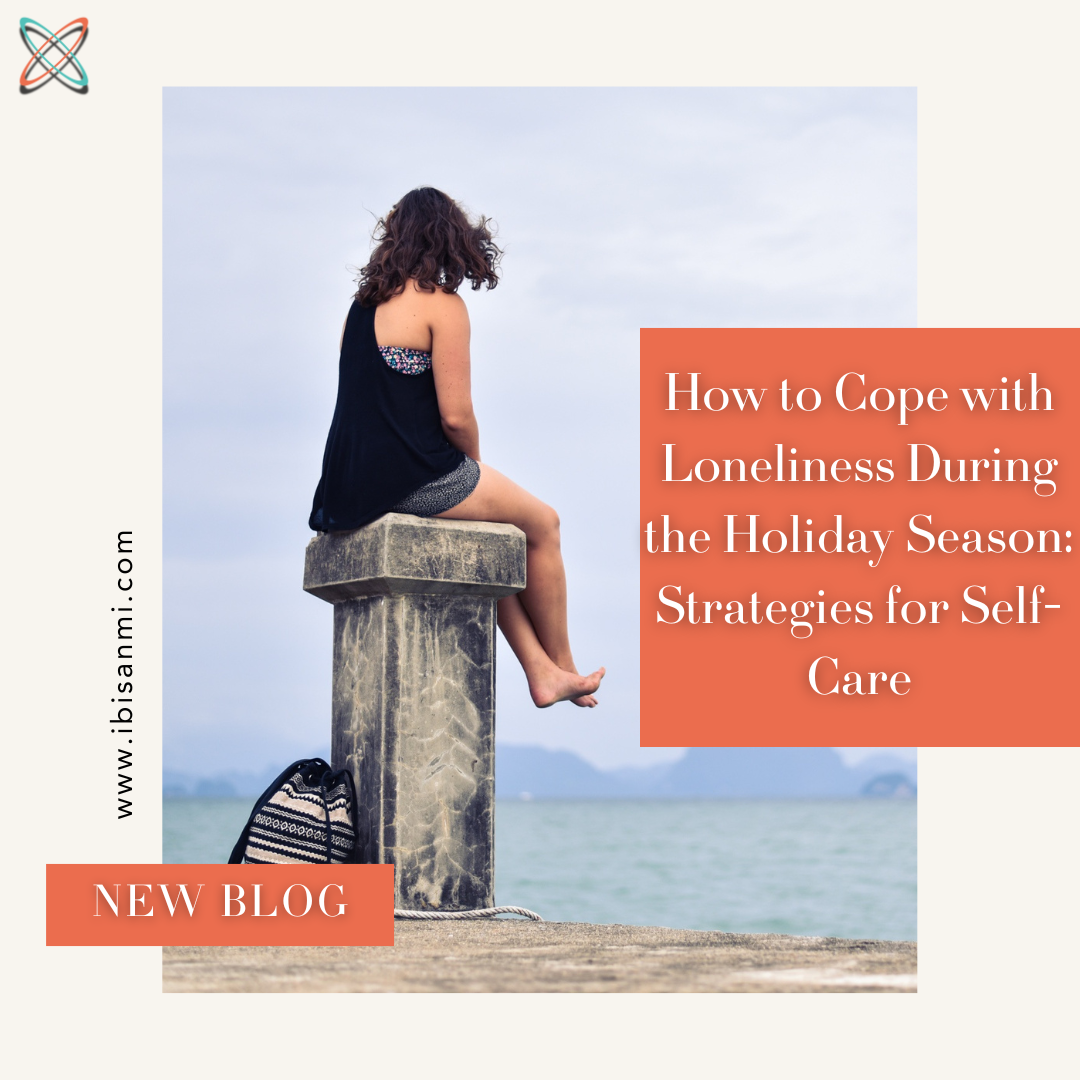
Participating in solo activities can serve as a powerful approach to managing loneliness by fostering a sense of achievement, boosting mood, and cultivating self-confidence. These activities allow individuals to reconnect with themselves, explore personal interests, and develop new skills, all within a self-paced environment. Incorporating meaningful solo pursuits into daily routines not only alleviates feelings of isolation but also encourages independence and personal growth.
By choosing activities that resonate personally, individuals can create fulfilling routines that enhance their overall well-being. Whether engaging in creative pursuits, physical exercise, or intellectual challenges, solo activities provide a sanctuary for self-reflection, relaxation, and empowerment. Developing a mindful approach to these pursuits ensures they become integral to a healthy, balanced lifestyle.
Hobbies and Activities Suitable for Solo Engagement
Engaging in hobbies that align with one’s interests and passions helps foster positive emotions and reinforce a sense of purpose. These activities can be as simple as reading a book or as involved as learning a musical instrument. The key is to choose pursuits that resonate personally and offer a sense of accomplishment.
- Reading and Writing: Exploring new genres, journaling, or creative writing to stimulate the mind and express feelings.
- Arts and Crafts: Painting, drawing, knitting, or DIY projects that foster creativity and provide a sense of achievement.
- Physical Fitness: Solo activities such as walking, jogging, cycling, yoga, or home workout routines to promote physical health and mental clarity.
- Learning New Skills: Enrolling in online courses for languages, cooking, photography, or other interests to build confidence and competence.
- Gardening: Cultivating plants or maintaining a small garden, which encourages patience and provides a calming environment.
- Meditation and Mindfulness: Practicing meditation, deep breathing, or tai chi to reduce stress and enhance emotional resilience.
- Music and Audio Engagement: Listening to music, podcasts, or audiobooks as a way to relax and stimulate the mind.
Designing Personal Projects and Goals for Self-growth
Creating personal projects or setting goals tailored to individual interests and capacities can significantly bolster independence and foster self-growth. These initiatives serve as a source of motivation, offer measurable progress, and provide a sense of purpose. Effective project design involves defining clear objectives, breaking down steps into manageable actions, and establishing realistic timelines.
Setting achievable milestones and recognizing small successes along the way enhances motivation and sustains engagement in solitary pursuits.
For example, someone interested in writing may set a goal to complete a short story or a blog series within a specific timeframe. An aspiring gardener might aim to cultivate a vegetable patch over several months, documenting progress along the way. Such projects not only foster skills but also reinforce a sense of achievement and independence, which are vital in combating loneliness.
Solo Activities Table: Resources and Benefits
| Activity | Required Resources | Potential Benefits |
|---|---|---|
| Reading and Writing | Books, notebooks, writing tools, digital devices | Enhances cognitive skills, reduces stress, fosters creativity |
| Arts and Crafts | Art supplies, craft kits, online tutorials | Stimulates creativity, improves focus, provides emotional expression |
| Physical Exercise | Comfortable clothing, workout equipment, online fitness programs | Boosts physical health, elevates mood, increases energy levels |
| Learning New Skills | Online courses, tutorials, educational apps | Builds confidence, expands knowledge, cultivates independence |
| Gardening | Plants, soil, gardening tools, containers or garden beds | Encourages patience, reconnects with nature, reduces stress |
| Meditation & Mindfulness | Meditation apps, quiet space, comfortable seating | Reduces anxiety, enhances emotional resilience, promotes mental clarity |
| Music and Audio Engagement | Music library, headphones, podcasts, audiobooks | Provides relaxation, stimulates the mind, fosters emotional well-being |
Best Practices for Turning Solo Pursuits into Fulfilling Routines
Transforming solitary activities into meaningful routines involves consistency, intentionality, and flexibility. Establishing dedicated time slots during the day helps create a sense of structure and commitment. Setting realistic goals and tracking progress provides motivation and a sense of achievement, reinforcing positive habits.
It is essential to approach solo activities with a non-judgmental attitude, allowing space for enjoyment rather than perfection. Incorporating variety prevents monotony and sustains interest, while reflecting periodically on personal growth fosters a deeper connection to these practices. Celebrating small victories along the way cultivates a positive outlook and enhances overall well-being.
Practicing Self-Compassion and Emotional Resilience
Cultivating self-compassion and emotional resilience is essential for managing the emotional challenges associated with loneliness. These practices enable individuals to foster a kind and understanding attitude toward themselves, especially during difficult moments, thereby reducing feelings of self-criticism and helplessness. Developing these qualities on a daily basis can significantly improve overall emotional well-being and foster a more positive outlook despite social isolation.Self-compassion involves replacing self-judgment with kindness, recognizing shared human struggles, and maintaining mindfulness of one’s feelings without over-identification.
Emotional resilience refers to the capacity to adapt to stress and adversity effectively, allowing individuals to recover more quickly from setbacks related to loneliness. Integrating these practices into daily routines helps build a sturdy emotional foundation, making it easier to cope with feelings of isolation and fostering a sense of inner strength.
Developing Self-Awareness and Nurturing Self-Compassion
Building self-awareness is the first step toward nurturing self-compassion. It involves actively observing one’s thoughts, emotions, and reactions without judgment. This process helps identify patterns of negative self-talk or unhelpful beliefs that can exacerbate feelings of loneliness. Techniques such as journaling, mindful observation, or reflective meditation can aid in increasing self-awareness.To nurture self-compassion, it is vital to practice kindness toward oneself.
This can be achieved through daily affirmations and gentle self-talk, especially during moments of emotional distress. Recognizing that everyone experiences loneliness at times fosters a sense of shared humanity, reducing feelings of isolation. Engaging in compassionate imagery, such as imagining oneself as a caring friend, can also reinforce kindness toward oneself.
Managing Negative Thoughts and Feelings
Negative thoughts associated with loneliness often include self-criticism, feelings of unworthiness, or catastrophizing social situations. Managing these thoughts involves challenging their validity and replacing them with more balanced perspectives.A step-by-step approach includes:
- Identify automatic negative thoughts related to loneliness, such as “I am unlovable” or “No one cares about me.”
- Examine the evidence supporting and contradicting these thoughts, considering real-life examples.
- Replace negative assumptions with factual, compassionate statements, such as “Everyone feels lonely sometimes, and I am worthy of connection.”
- Practice mindfulness to observe these thoughts without attachment, allowing them to pass without judgment.
Regularly practicing this cognitive restructuring diminishes the power of negative thoughts and fosters a more compassionate inner dialogue.
Mindfulness and Meditation Practices for Loneliness
Mindfulness and meditation are powerful tools for cultivating emotional resilience and alleviating loneliness. They help create a mental space where emotions can be observed without being overwhelmed, promoting calmness and clarity.A step-by-step guide tailored for loneliness includes:
- Find a quiet, comfortable space where you will not be disturbed.
- Sit in a relaxed position with your back straight but not rigid. Close your eyes if preferred.
- Begin with a few deep breaths, inhaling slowly through the nose and exhaling through the mouth to settle the body.
- Focus your attention on your breath—notice the sensation of air entering and leaving your nostrils or the rise and fall of your chest or abdomen.
- If your mind wanders, gently redirect your focus back to your breath without judgment.
- Practice for 5-10 minutes daily, gradually increasing the duration as comfort develops.
- Incorporate loving-kindness meditation by silently repeating affirmations like “May I be safe, may I be happy, may I be free from suffering,” extending these wishes toward yourself and others.
Consistent practice enhances emotional resilience, helping individuals accept their feelings without becoming overwhelmed by loneliness.
Self-Care Routines Supporting Emotional Health
Self-care routines are vital for maintaining emotional health and fostering self-compassion. They serve as daily acts of kindness toward oneself, promoting stability and emotional balance.Effective self-care routines include:
- Establishing a regular sleep schedule to ensure restorative rest, which directly influences emotional regulation.
- Engaging in physical activity, such as walking, yoga, or stretching, to boost mood through the release of endorphins.
- Prioritizing balanced nutrition, as a healthy diet supports brain function and emotional stability.
- Allocating time for hobbies and creative pursuits that bring joy and fulfillment, such as painting, reading, or gardening.
- Practicing relaxation techniques like deep breathing exercises, progressive muscle relaxation, or aromatherapy to reduce stress.
- Setting aside moments for gratitude reflection, noting daily positive occurrences to shift focus from loneliness to appreciation.
- Creating a personal sanctuary or comfort corner where one can retreat during emotional lows for reflection and calmness.
By integrating these routines into daily life, individuals reinforce their emotional resilience, foster self-compassion, and develop a more nurturing attitude toward themselves during periods of loneliness.
Utilizing Technology and Digital Resources Effectively

In today’s digital age, leveraging technology offers valuable opportunities to combat loneliness and foster social connections. With a wide array of digital tools and online platforms, individuals can maintain meaningful interactions, access mental health support, and participate in communities that promote well-being. Properly harnessing these resources can significantly enhance daily life, especially for those experiencing feelings of isolation or difficulty engaging in face-to-face interactions.Digital resources serve as versatile avenues for staying connected, learning, and sharing experiences.
By integrating technology into daily routines, individuals can create a supportive virtual environment that complements their efforts to manage loneliness. The key lies in selecting appropriate tools, organizing engaging activities, and practicing mindful digital habits to ensure these resources contribute positively to emotional health.
Digital Tools and Apps for Social Connection and Mental Health Support
The proliferation of digital applications provides numerous options for fostering social ties and accessing mental health resources. These tools are designed to facilitate communication, offer emotional support, and promote self-care practices. Recognizing their benefits and limitations is essential to use them effectively and safely.
- Social Media Platforms: Facebook, Instagram, Twitter, and TikTok enable users to connect with friends, family, and interest-based groups. These platforms allow sharing updates, participating in discussions, and engaging with communities that align with personal passions or support needs.
- Messaging Apps: Applications such as WhatsApp, Telegram, and Signal support instant messaging, voice calls, and video chats, making real-time communication straightforward and accessible.
- Video Conferencing Tools: Zoom, Microsoft Teams, and Google Meet facilitate virtual face-to-face interactions, online meetings, and group activities, ideal for maintaining social bonds during periods of physical distancing.
- Mental Health Apps: Programs like Headspace, Calm, BetterHelp, and Moodpath provide guided meditations, therapy sessions, mood tracking, and educational content that promote emotional resilience and self-awareness.
Organizing Virtual Meetups and Online Classes
Engaging in virtual gatherings and online learning experiences creates opportunities for social interaction and skill development, which can alleviate feelings of isolation. Thoughtful planning and consistent participation are essential to maximize their benefits.Virtual meetups can range from informal chats with friends to structured group activities such as book clubs, hobby groups, or support circles. Online classes, including workshops, fitness sessions, or language courses, foster a sense of routine, purpose, and community engagement.
- Schedule regular virtual gatherings with friends or support groups to reinforce social bonds and share experiences.
- Join online courses aligned with personal interests or professional goals, providing both mental stimulation and social interaction with like-minded individuals.
- Use calendar reminders and notifications to maintain consistency and commitment to these virtual activities.
- Encourage active participation by preparing discussion topics, sharing resources, or collaborating on projects to enhance the sense of community.
Creating Engaging Content and Participating in Online Communities
Active involvement in online communities helps foster genuine connections and provides a platform for mutual support. Contributing engaging content and participating in discussions can increase feelings of belonging and purpose.To create meaningful content:
- Share personal experiences, achievements, or insights that resonate with community themes, fostering authenticity and relatability.
- Post regularly to maintain visibility and engagement within the community.
- Use multimedia elements like photos, videos, or infographics to make sharing more appealing and expressive.
Participation involves:
- Joining forums, groups, or social media pages that align with your interests or support needs.
- Responding to others’ posts with empathy, encouragement, and constructive feedback.
- Respecting community guidelines to ensure positive and respectful interactions.
- Seeking opportunities for collaboration, mentorship, or peer support within these online spaces.
Maintaining Digital Boundaries and Ensuring Positive Interactions
While technology offers numerous benefits, establishing healthy boundaries is crucial to prevent digital fatigue and safeguard emotional well-being. Managing online interactions thoughtfully helps create a positive digital environment.Best practices include:
Set specific times of the day for checking messages and social media to avoid constant connectivity, which can lead to burnout.
- Limit exposure to negative or triggering content by curating your feeds and unfollowing or blocking harmful sources.
- Prioritize meaningful interactions over superficial ones, focusing on quality rather than quantity.
- Be mindful of online etiquette, practicing kindness, patience, and respectful communication.
- Use privacy settings to control who can view your profiles and information, maintaining a sense of security.
Adhering to these practices ensures that digital engagement remains a beneficial and supportive aspect of daily life, complementing other strategies to manage loneliness effectively.
Concluding Remarks

In conclusion, managing loneliness daily requires a proactive and multifaceted approach. By creating structured routines, nurturing connections, engaging in fulfilling solo pursuits, and utilizing digital tools wisely, individuals can transform loneliness into an opportunity for personal growth and emotional resilience. Embracing these strategies paves the way for a more balanced and connected life.