Learning how to manage stress at work is essential for maintaining both mental health and productivity in today’s demanding professional environments. Understanding the root causes of workplace stress and recognizing personal indicators can empower employees to adopt effective strategies that promote balance and resilience. By implementing practical techniques such as time management, relaxation exercises, and fostering supportive relationships, individuals can transform their work experience into a more positive and sustainable journey.
This comprehensive approach not only alleviates immediate stress but also encourages long-term well-being through the development of healthy routines, effective use of organizational tools, and creating a workspace conducive to mental clarity. Embracing these methods can lead to improved job satisfaction and a healthier work-life balance, ultimately contributing to personal and organizational success.
Understanding Workplace Stress
Workplace stress is an increasingly prevalent challenge faced by employees across various industries. Recognizing the roots and manifestations of stress within professional settings is essential for fostering a healthier, more productive work environment. By understanding the underlying causes and common sources, individuals and organizations can implement targeted strategies to mitigate its impact and promote overall well-being.
Stress at work arises from a complex interplay of factors that can vary widely based on job roles, organizational culture, and individual circumstances. Identifying these elements enables better management and supports the development of proactive solutions to reduce stress levels among employees.
Causes and Common Sources of Stress at Work
Workplace stress often stems from multiple interconnected factors that can adversely affect an employee’s mental and physical health. Below are some of the primary causes and scenarios illustrating how they manifest in real-life settings:
- Heavy Workload: When employees are assigned more tasks than they can reasonably complete within their working hours, it creates a persistent sense of pressure. For example, a project manager facing tight deadlines for multiple simultaneous projects may experience heightened stress levels, leading to fatigue and decreased productivity.
- Deadlines and Time Pressures: Imminent deadlines can induce anxiety, especially when workload expectations are unrealistic or unclear. For instance, an employee tasked with finalizing a report within a few hours, with limited guidance, may feel overwhelmed, resulting in stress and potential errors.
- Workplace Environment: An environment characterized by noise, clutter, lack of privacy, or poor lighting can contribute to discomfort and frustration. For example, open-plan offices with constant distractions can elevate stress, reduce concentration, and impair overall well-being.
- Interpersonal Conflicts: Disagreements or poor communication among colleagues, supervisors, or clients can foster a tense atmosphere. Situations such as unresolved conflicts or unfair treatment can exacerbate feelings of insecurity and anxiety.
- Lack of Control or Autonomy: When employees feel their input is ignored or they have little say in decision-making processes, frustration and helplessness may arise. An example is a team member whose suggestions are consistently dismissed, leading to disengagement and stress.
- Job Insecurity: Concerns about layoffs, contract termination, or organizational changes can generate persistent worry. For instance, employees in industries experiencing economic downturns often face anxiety about their future employment status.
- Work-Life Imbalance: Difficulty balancing professional obligations with personal life responsibilities can lead to burnout. An employee working long hours to meet project demands while managing family commitments may experience chronic stress.
Comparison Table: Symptoms of Stress vs. Stress-Related Disorders
Understanding the distinction between normal stress responses and clinical stress-related disorders is crucial for accurate recognition and appropriate intervention. The table below highlights key differences:
| Aspect | Symptoms of Workplace Stress | Stress-Related Disorders |
|---|---|---|
| Duration | Typically temporary, tied to specific stressors | Persistent over long periods, affecting daily functioning |
| Emotional Signs | Feeling anxious, overwhelmed, irritable | Severe anxiety, depression, emotional numbness |
| Physical Symptoms | Headaches, muscle tension, fatigue | Chronic fatigue, sleep disturbances, gastrointestinal issues |
| Behavioral Changes | Decreased productivity, irritability, withdrawal | Social withdrawal, substance abuse, self-harm tendencies |
| Impact on Work | Reduced concentration, increased absenteeism | Significant impairment in occupational and social functioning |
Recognizing these symptoms early can prevent escalation into more serious conditions, ensuring timely support and intervention.
Workload, Deadlines, and Workplace Environment Contributions
Core aspects of the work setting significantly influence stress levels among employees. Managing these factors effectively can lead to a more harmonious and productive workplace.
- Workload Management: Excessive or poorly distributed tasks can overwhelm employees. Balanced workload distribution, clear prioritization, and realistic goal setting are fundamental to reducing stress caused by workload.
- Deadline Setting: Unrealistic or frequent tight deadlines escalate pressure and anxiety. Implementing flexible timelines and providing sufficient resources helps employees meet expectations without undue stress.
- Workplace Environment Optimization: Creating a comfortable, organized, and supportive physical environment diminishes physical discomfort and mental fatigue. Incorporating quiet zones, ergonomic furniture, and natural lighting can improve overall well-being.
- Fostering Positive Interpersonal Relations: Promoting open communication, conflict resolution, and team cohesion contributes to a psychologically safe environment, reducing interpersonal stressors.
“A well-structured work environment and manageable expectations are key to minimizing workplace stress and fostering employee resilience.”
Recognizing Personal Stress Indicators

Understanding the signs of stress within oneself is a vital step toward managing and alleviating workplace stress effectively. Employees often experience subtle or overt symptoms that can indicate elevated stress levels, and being aware of these signs enables timely intervention. Recognizing these indicators not only helps in addressing stress promptly but also contributes to maintaining overall well-being and productivity at work.
Physical, emotional, and behavioral symptoms collectively form a comprehensive picture of an individual’s stress state. By paying close attention to these signs, employees can identify when their stress levels are becoming unmanageable and take proactive measures to restore balance.
Physical Signs of Stress
Physical manifestations of stress are often the most noticeable and can include a variety of symptoms affecting different parts of the body. Recognizing these signs early can prevent the escalation of stress-related health issues.
- Headaches or migraines that persist or worsen over time
- Muscle tension, especially in shoulders, neck, or jaw
- Frequent fatigue or exhaustion despite adequate rest
- Digestive issues such as stomachaches, nausea, or changes in appetite
- Sleep disturbances, including insomnia or restless sleep cycles
- Increased heart rate or episodes of palpitations
- Frequent colds or susceptibility to infections due to a weakened immune system
Emotional Signs of Stress
Stress can significantly impact emotional well-being, leading to a range of feelings and mood changes that can affect workplace interactions and personal health.
- Persistent feelings of anxiety, irritability, or frustration
- Overwhelm or a sense of losing control over tasks
- Decreased motivation or interest in work activities
- Heightened emotional sensitivity or frequent mood swings
- Feelings of depression or hopelessness
- Difficulty concentrating or making decisions
Behavioral Signs of Stress
Changes in behavior often serve as outward indicators of internal stress. Recognizing these behavioral shifts allows for early intervention and support.
- Withdrawal from colleagues or social interactions
- Decreased productivity or missed deadlines
- Increased absenteeism or tardiness
- Neglect of personal appearance or hygiene
- Uncharacteristic irritability or aggressive behavior
- Engaging in unhealthy coping mechanisms, such as excessive caffeine intake, smoking, or alcohol use
- Overworking or neglecting self-care routines
Step-by-Step Procedure for Self-Assessing Stress Levels at Work
Implementing a systematic approach to evaluate stress levels can help employees identify when they need to take action. The following steps provide a structured method for self-assessment:
-
Pause and Reflect:
Take a moment during the workday to stop and assess your current state. Notice any physical discomfort, emotional feelings, or changes in behavior.
-
Identify Symptoms:
Cross-reference your observations with common stress indicators listed earlier. Note any signs that are present.
-
Rate Intensity:
Use a simple scale (e.g., 1 to 10) to rate the severity of each symptom. For example, a headache might be a 3, while feelings of overwhelm might be an 8.
-
Determine Duration:
Consider how long these symptoms have persisted—are they temporary or ongoing?
-
Assess Impact on Work:
Reflect on how these symptoms affect your productivity, focus, and interactions with colleagues.
-
Develop a Response Plan:
Based on your assessment, decide whether immediate self-care is needed or if professional support should be sought. Implement coping strategies such as deep breathing, short breaks, or consulting a supervisor if workload is a concern.
-
Document and Monitor:
Keep a brief journal to track your stress levels over time, identifying patterns that may require adjustments or additional support.
Regular self-assessment fosters awareness and enables early intervention, ultimately helping maintain a healthy balance between work demands and personal well-being.
Effective Time Management Strategies
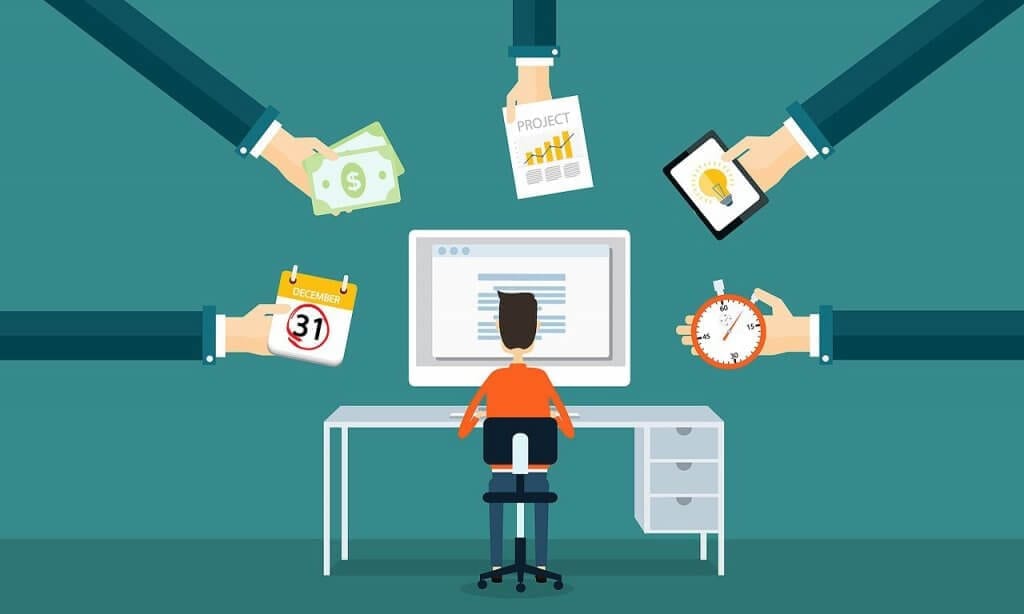
Managing time efficiently at work is crucial for reducing stress and maintaining productivity. When tasks are organized and prioritized effectively, employees can meet deadlines comfortably, avoid last-minute pressures, and create a more balanced work environment. Implementing strategic time management techniques not only enhances overall performance but also contributes significantly to mental well-being by minimizing feelings of being overwhelmed.Effective time management involves thoughtful planning, prioritization, and disciplined execution of tasks.
It requires a clear understanding of work objectives, realistic scheduling, and the ability to adapt to unforeseen challenges without losing control. By adopting proven strategies, professionals can better allocate their energy and focus on high-impact activities, leading to improved job satisfaction and reduced stress levels.
Prioritizing Tasks and Managing Schedules
Prioritization and schedule management are essential components of stress reduction in the workplace. They enable employees to focus on what truly matters and prevent the accumulation of unmanageable workloads. A systematic approach helps in sorting tasks based on urgency and importance, ensuring that critical responsibilities are addressed promptly while less urgent activities are scheduled appropriately.To effectively prioritize tasks, consider adopting methods such as the Eisenhower Matrix, which categorizes tasks into four quadrants: urgent and important, important but not urgent, urgent but not important, and neither urgent nor important.
This classification allows for strategic decision-making, focusing efforts where they are most needed and delegating or postponing lower-priority tasks.
Effective scheduling involves setting realistic deadlines, allocating specific time blocks for different activities, and including buffer periods for unexpected interruptions. This creates a structured workday that reduces the likelihood of rushing and last-minute stress.
| Method | Description | Best Practice |
|---|---|---|
| Task Batching | Grouping similar tasks together to enhance focus and efficiency. | Allocate specific times during the day to handle emails, reports, or meetings, reducing task-switching and increasing productivity. |
| Delegation | Assigning tasks to colleagues or team members who are capable of completing them. | Identify tasks that can be delegated without compromising quality, freeing up time for higher-priority responsibilities. |
| Setting Boundaries | Establishing clear limits on work hours and availability outside of scheduled times. | Communicate boundaries to colleagues and supervisors to prevent work from encroaching on personal time, thereby reducing burnout and stress. |
| Using Digital Tools | Employing calendars, task management apps, and reminders to organize and track tasks. | Leverage tools such as Microsoft To-Do, Trello, or Outlook Calendar to prioritize, set deadlines, and visualize workload. |
Breaking Large Projects into Manageable Parts
Large projects can become overwhelming and lead to increased stress if not properly managed. To maintain control and stay motivated, it is vital to decompose complex tasks into smaller, actionable segments. This approach makes projects more approachable and provides a clear pathway to completion.Begin by defining the overall goal and then dividing it into key phases or milestones. Each phase should contain specific tasks with achievable objectives and deadlines.
For example, launching a new marketing campaign can be broken down into planning, content creation, review, and implementation stages. Assigning deadlines to each segment ensures steady progress and avoids last-minute rushes.Furthermore, using visual project management tools such as Gantt charts or Kanban boards can help track progress, identify bottlenecks early, and maintain a sense of accomplishment as each smaller task is completed.
Regular review sessions allow for adjustments and ensure that the project remains on track, ultimately reducing stress associated with workload uncertainty and scope creep.
Relaxation and Mindfulness Techniques
In the pursuit of maintaining optimal mental health and productivity at work, integrating relaxation and mindfulness techniques into daily routines can be highly beneficial. These practices help to alleviate stress, improve focus, and promote overall well-being. This section explores various relaxation methods and provides practical guidance on incorporating short mindfulness exercises into your workday.
Employing relaxation strategies such as deep breathing, meditation, and progressive muscle relaxation equips employees with effective tools to manage workplace stress proactively. Additionally, understanding different mindfulness practices and their specific benefits allows individuals to select techniques that best suit their preferences and schedules. Incorporating these practices into daily routines can foster a calmer, more focused approach to work, ultimately enhancing performance and reducing burnout.
Relaxation Methods
Relaxation techniques are simple yet powerful tools that can be practiced quickly and easily during work hours to reduce stress levels. These methods aim to calm the nervous system, relieve muscle tension, and promote mental clarity.
- Deep Breathing: Involves taking slow, deliberate breaths to activate the parasympathetic nervous system, reducing anxiety and promoting relaxation. A typical exercise includes inhaling slowly through the nose for a count of four, holding the breath for a count of four, then exhaling slowly through the mouth for a count of four. Repeating this cycle several times can significantly lower stress.
- Meditation: Focuses on cultivating awareness and presence through techniques such as guided meditation, visualization, or silent mindfulness. Even a few minutes of meditation can decrease cortisol levels and enhance concentration. Guided apps or online recordings can assist beginners in developing a regular meditation practice.
- Progressive Muscle Relaxation (PMR): Entails systematically tensing and then relaxing muscle groups throughout the body. Starting at the feet and progressing upward, individuals tense each group for about five seconds, then release, noticing the contrast in sensations. This method helps release physical tension accumulated from stress and promotes overall relaxation.
Comparison of Mindfulness Practices and Their Benefits
Understanding the diverse array of mindfulness practices enables individuals to choose methods that fit seamlessly into their work routines. Below is a table comparing common mindfulness techniques and their specific advantages:
| Mindfulness Practice | Description | Primary Benefits |
|---|---|---|
| Mindful Breathing | Focusing attention on the breath, observing each inhale and exhale without judgment. | Reduces stress, enhances focus, lowers anxiety levels. |
| Body Scan | Progressively paying attention to different parts of the body, noticing sensations and tensions. | Increases body awareness, alleviates physical tension, improves relaxation response. |
| Walking Meditation | Walking slowly and mindfully, paying close attention to the sensation of each step and breath. | Improves concentration, relieves mental fatigue, encourages present-moment awareness. |
| Guided Visualization | Using mental images or scripts to evoke calming scenes or positive affirmations guided by audio or instructor. | Reduces stress, promotes emotional well-being, enhances mental clarity. |
| Mindful Listening | Attentively listening to sounds or conversations without judgment or distraction. | Improves focus, fosters empathy, reduces emotional reactivity. |
Incorporating Short Mindfulness Exercises into Work Routines
Integrating brief mindfulness exercises into daily work schedules can significantly enhance mental clarity and emotional resilience. These practices need not be lengthy; even two to five minutes can produce noticeable benefits, especially when performed consistently.
- Scheduled Breaks: Allocate specific times during the day, such as mid-morning or mid-afternoon, to pause and engage in mindfulness exercises. Setting alarms or reminders can facilitate adherence.
- Focused Breathing: During stressful moments or before important meetings, take a few deep, deliberate breaths, focusing solely on the breath’s sensation. This helps to reset the nervous system and regain composure.
- Desk Body Scan: Briefly focus attention on different parts of the body while seated at your desk, noticing any tension or discomfort and consciously relaxing those areas.
- Mindful Observation: Take a moment to observe your surroundings—note the colors, sounds, and textures without judgment. This grounding exercise helps to anchor your attention in the present moment.
- Use Guided Resources: Utilize mobile apps or recordings that offer short guided mindfulness exercises tailored for busy schedules. These can be easily accessed during breaks or transitions between tasks.
Consistency is key to making mindfulness a natural part of the workday. Encouraging a culture that values mental well-being and providing resources to support these practices can foster a more resilient, focused, and less stressed workforce.
Building Supportive Workplace Relationships

Establishing strong and positive relationships among colleagues is a crucial component in managing workplace stress effectively. A supportive environment fosters open communication, mutual understanding, and emotional resilience, which collectively contribute to a healthier and more productive work atmosphere. Developing these connections not only provides emotional comfort but also encourages collaboration, resource sharing, and collective problem-solving during challenging times.
Creating a culture of support requires intentional efforts to promote respectful interactions, active listening, and empathy. When employees feel valued and understood, they are more likely to seek help when needed and offer support to others, reducing feelings of isolation and overwhelm. Such an environment enhances overall job satisfaction and resilience against stressors common in demanding work settings.
Fostering Positive Communication and Emotional Support
Effective communication is the foundation of supportive workplace relationships. Encouraging transparent, respectful, and empathetic interactions helps build trust among team members. Managers can facilitate this by establishing open-door policies, providing regular feedback, and promoting active listening. It is essential to create spaces where employees feel safe to express concerns, share successes, or discuss challenges without fear of judgment or reprisal.
Peer support systems, such as mentorship programs or buddy systems, strengthen bonds and provide practical channels for emotional support. Recognizing achievements publicly, celebrating team milestones, and organizing social activities are valuable ways to cultivate camaraderie and a sense of belonging. Simple gestures like sharing coffee breaks or informal check-ins can significantly uplift morale and reduce stress levels.
Team Activities and Peer Support Systems
Implementing team-oriented activities and peer support initiatives can significantly mitigate workplace stress. Regular team-building exercises, whether through problem-solving workshops, group outings, or collaborative projects, foster cohesion and understanding among colleagues. These activities promote mutual reliance and can break down barriers that hinder communication.
Peer support systems often include designated support groups or informal networks where employees can discuss work-related concerns confidentially. For example, creating peer mentorship programs allows experienced staff to guide newcomers, helping them adapt better to workplace demands. Such systems encourage shared experiences and collective resilience, decreasing feelings of isolation and enhancing problem-solving capacity during stressful periods.
Effective workplace relationships are built on trust, open communication, and mutual support, all of which contribute to a resilient and less stressful work environment.
Tips for Seeking Support and Expressing Needs
Recognizing personal boundaries and knowing how to seek support appropriately are vital skills for managing stress. Here are practical tips to facilitate this process:
- Clearly articulate your needs by specifying the type of support or assistance required.
- Choose appropriate moments and private settings to discuss sensitive concerns.
- Use respectful and non-confrontational language to foster understanding.
- Express appreciation when colleagues offer help, reinforcing positive interactions.
- Be open to receiving feedback and alternative solutions from peers or supervisors.
- Maintain confidentiality and respect others’ boundaries when sharing or seeking support.
- Develop active listening skills to better understand colleagues’ perspectives and offer empathetic responses.
Fostering a workplace culture where support and open communication are valued enhances emotional well-being, promotes collaboration, and ultimately reduces workplace stress.
Implementing Work-Life Balance Practices
Achieving an effective balance between professional responsibilities and personal life is essential for reducing stress and enhancing overall well-being. Establishing boundaries and routines that clearly delineate work time from personal time can help prevent burnout, improve productivity, and foster a healthier lifestyle.
Implementing these practices involves deliberate strategies to protect personal time, ensure adequate rest, and create a sustainable work environment that values employees’ holistic health. By adopting practical methods and flexible arrangements, individuals can create a more harmonious integration of work and personal life, leading to improved mental health and increased satisfaction both at work and outside of it.
Methods to Set Boundaries Between Work and Personal Life Effectively
Setting clear and consistent boundaries is fundamental to maintaining work-life balance. It involves establishing specific times when work-related activities start and end, and communicating these boundaries to colleagues and supervisors. This approach helps prevent work from spilling into personal time, which can lead to stress and burnout.
Effective boundary-setting also includes designating a dedicated workspace, avoiding work-related communications during non-working hours, and using technology tools such as email auto-responders to signal availability. Encouraging colleagues and managers to respect these boundaries fosters a culture of understanding and supports individual well-being.
Flexible Work Options and Their Impact on Stress
Flexible work arrangements have become increasingly popular for promoting work-life balance. These options empower employees to tailor their work schedules according to personal needs and preferences, often resulting in reduced stress and increased job satisfaction.
Below is a table outlining common flexible work options and their potential impact on stress levels:
| Flexible Work Option | Description | Impact on Stress |
|---|---|---|
| Remote Work | Working outside the traditional office environment, often from home, with the use of digital communication tools. | Reduces commuting time, allows for personalized workspaces, and can improve work-life balance, thereby decreasing stress. |
| Flexible Hours | Adjusting start and end times within agreed-upon limits to accommodate personal commitments. | Offers greater control over daily schedules, reduces conflicts with personal responsibilities, and alleviates time-related stress. |
| Compressed Workweek | Completing a full-time workload in fewer days, such as four 10-hour days instead of five 8-hour days. | Provides extended periods of rest, enhances personal time, and can improve overall well-being, though it may increase daily workload intensity. |
| Part-Time Work | Reducing weekly hours to focus on personal priorities or caregiving responsibilities. | Lower workload and stress levels, but may impact income and career progression, requiring careful consideration. |
Establishing Routines That Promote Relaxation Outside Work Hours
Creating structured routines that foster relaxation outside of work hours is vital for unwinding and maintaining mental clarity. These routines should incorporate activities that promote physical relaxation, mental calm, and social connection.
Practical strategies include setting consistent start and end times for work, engaging in physical activity such as walking or yoga after work, and dedicating time to hobbies or family. Incorporating mindfulness practices, like meditation or deep-breathing exercises, into daily routines can significantly reduce residual stress and improve overall mood.
It is also beneficial to establish a ritual to transition from work to personal life, such as shutting down work devices, tidying the workspace, or engaging in a brief mindfulness session. These habits signal to the mind that work-related stress is temporarily set aside, allowing for a more relaxed and fulfilling personal time.
Using Organizational Tools and Resources
Effective utilization of organizational tools and resources can significantly enhance stress management at work by streamlining tasks, improving time management, and fostering a more controlled work environment. Leveraging technology not only simplifies daily workflows but also provides valuable insights into stress patterns, enabling proactive adjustments conducive to well-being.Organizational apps and tools are designed to assist employees in managing their workloads efficiently while tracking stress indicators.
Proper integration of these tools can help create a balanced work routine, reduce overwhelm, and promote mental clarity. This segment explores how to maximize these digital resources for better work-life harmony and mental health.
Utilizing Apps and Tools for Task Management and Stress Tracking
Incorporating specialized applications into daily routines offers a practical approach to managing workload and monitoring stress levels. These tools often come equipped with features such as task prioritization, deadline reminders, and mood or stress logs, which collectively contribute to a healthier work environment.Many task management applications like Trello, Asana, or Microsoft To Do enable users to organize projects visually and prioritize tasks through customizable boards and lists.
These platforms facilitate clear overview and delegation, preventing task accumulation that can lead to stress. Additionally, stress tracking apps or features integrated within wellness apps—such as Headspace or Calm—allow users to log their mood, anxiety levels, or fatigue over time, providing valuable data to identify stress triggers.Using these apps regularly can help employees recognize patterns in their workload and emotional states, leading to targeted strategies for stress reduction.
For example, if stress logs reveal heightened anxiety before deadlines, employees can adjust their planning or seek support proactively.
Creating Digital To-Do Lists and Calendar Reminders
The organization of daily tasks through digital to-do lists and calendar reminders is fundamental in reducing work-related stress by promoting clarity and a sense of control. Digital tools allow for flexible, real-time updates and can sync across devices, ensuring that important appointments and tasks are consistently tracked.To effectively create such lists and reminders, employees should:
- Break down tasks into manageable steps, prioritizing them based on deadlines and importance. Applications like Todoist or Microsoft To Do excel in categorizing and tagging tasks for easy retrieval.
- Set specific due dates and times for each task within the app, leveraging calendar integration to visualize workload distribution across days or weeks.
- Establish recurring reminders for daily routines, meetings, or breaks. For example, scheduling a daily reminder for a 5-minute mindfulness exercise can serve as a proactive stress management tactic.
- Review and update lists regularly, crossing off completed tasks to foster a sense of achievement and reduce mental clutter.
This structured approach minimizes the risk of forgotten responsibilities and last-minute rushes, both common sources of workplace stress.
Integrating Stress Management Resources into Daily Workflow
A systematic approach to embedding stress management techniques within daily work routines enhances resilience and well-being. This integration involves identifying optimal moments during the day to utilize available resources, thereby creating sustainable habits.Begin by allocating specific time slots for relaxation or mindfulness practices, such as short meditation sessions during breaks or deep-breathing exercises before meetings. Many organizational tools enable scheduling these activities as recurring calendar events, ensuring consistency.
For example, setting a 10-minute mindfulness reminder at midday can provide a mental reset, reducing anxiety and improving focus.Moreover, incorporate access to stress management resources directly within task management platforms. For instance, include links to guided meditation videos, breathing exercises, or mental health hotlines in task descriptions or as pinned notes. Some apps also support integration with wellness platforms that prompt users to complete brief stress assessments or remind them to take regular breaks.Creating a routine that combines task management with scheduled stress management activities fosters a holistic approach to workplace well-being.
Regularly reviewing stress logs and adjusting workflows accordingly ensures that these resources remain effective and tailored to individual needs, ultimately contributing to a healthier, more productive work environment.
Developing Long-term Stress Management Plans
Creating a sustainable approach to stress management is essential for maintaining well-being and resilience in the workplace over time. Long-term planning empowers individuals to proactively address stressors, adapt to changing circumstances, and foster a resilient mindset that supports professional and personal growth. Developing a comprehensive stress management strategy involves consistent effort, self-awareness, and ongoing adjustment to ensure effectiveness and sustainability.
Implementing a structured long-term stress reduction plan helps prevent burnout, enhances productivity, and promotes a healthier work environment. This process requires commitment and regular review to adapt to evolving work demands and personal circumstances. By establishing enduring routines and seeking professional support when needed, employees can build resilience and maintain a balanced approach to work and life challenges.
Step-by-step Plan for Developing Personal Stress Reduction Routines
Designing an effective stress management routine involves deliberate planning and regular practice. Here are key steps to create personalized routines that can be integrated into daily life to sustain long-term stress resilience:
- Assess Personal Stressors and Triggers: Begin by identifying specific workplace situations, deadlines, or interpersonal dynamics that tend to increase stress. Maintaining a stress journal can help recognize patterns over time.
- Set Clear, Achievable Goals: Establish realistic objectives for managing stress, such as dedicating time daily for relaxation, exercise, or mindfulness practices. Goals should be specific, measurable, and attainable.
- Incorporate Consistent Self-care Activities: Include activities like regular physical exercise, healthy eating, adequate sleep, and brief relaxation breaks during work hours. Consistency is key to embedding these routines into daily life.
- Develop Mindfulness and Relaxation Practices: Schedule daily mindfulness exercises, such as meditation or deep breathing, to enhance emotional regulation and reduce immediate stress responses.
- Review and Adjust Routines Periodically: Regularly evaluate the effectiveness of your routines, noting any changes in stress levels or work demands. Adjust activities and goals accordingly to ensure ongoing relevance and impact.
Adopting a flexible and personalized approach ensures that stress management routines remain practical and sustainable. Over time, these routines foster resilience, improve emotional regulation, and enhance overall well-being in the workplace.
Examples of Professional Support Options
Accessing professional support can significantly bolster long-term stress management efforts. Several services are available to provide guidance, coping strategies, and emotional support tailored to individual needs:
| Support Option | Description |
|---|---|
| Counseling Services | Licensed mental health professionals offer confidential counseling sessions to explore stressors, develop coping skills, and address underlying issues contributing to workplace stress. Many organizations provide Employee Assistance Programs (EAPs) that include counseling services at no cost to employees. |
| Workplace Coaching | Professional coaches work with employees to enhance resilience, improve time and stress management skills, and develop strategies for balancing work demands. Coaching often involves personalized action plans and ongoing support. |
| Stress Management Workshops | Organized training sessions led by mental health experts focus on teaching practical techniques such as relaxation exercises, cognitive restructuring, and resilience building to larger employee groups. |
| Online Support Platforms | Digital platforms and mobile applications provide access to guided meditation, stress tracking tools, and virtual counseling, offering flexible and immediate support options for busy professionals. |
“Long-term resilience is cultivated through ongoing support, self-awareness, and proactive strategies—creating a foundation for sustained well-being in the workplace.”
Closure
In summary, managing stress at work involves understanding its causes, recognizing personal signs, and adopting a variety of practical strategies tailored to individual needs. Building supportive relationships, optimizing the workspace, and establishing healthy boundaries are key elements that foster a resilient and balanced mindset. By committing to these practices and utilizing available resources, employees can navigate workplace challenges more effectively, leading to a more fulfilling and sustainable career journey.