Understanding how to handle panic attacks with therapy provides a valuable pathway toward managing and overcoming this challenging condition. Panic attacks can be disruptive and overwhelming, often accompanied by intense physical and emotional symptoms that affect daily life. Fortunately, professional therapeutic interventions offer targeted approaches to help individuals regain control and build resilience against these episodes.
This comprehensive guide explores various therapeutic techniques, including cognitive-behavioral therapy and exposure methods, alongside practical exercises and coping strategies. By fostering effective communication with therapists and practicing outside of sessions, individuals can develop personalized plans to reduce the frequency and severity of panic attacks, ultimately improving their overall well-being.
Understanding panic attacks and their psychological impact
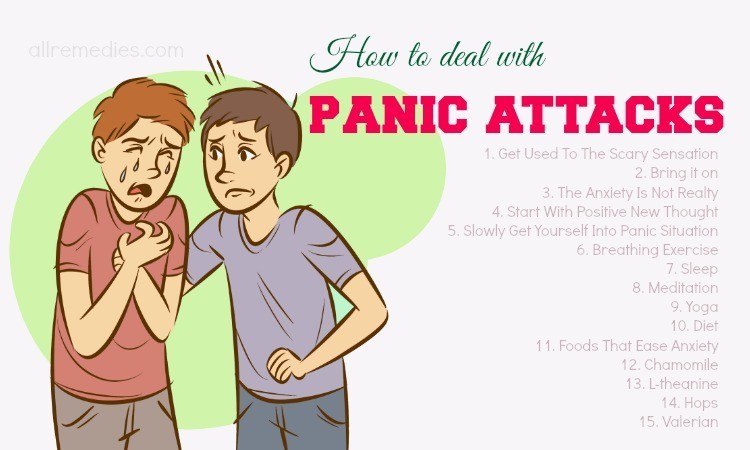
Panic attacks are intense episodes of sudden fear or discomfort that can significantly disrupt an individual’s daily life. Recognizing the nature and effects of these episodes is essential for effective management and therapy. By understanding their symptoms, triggers, and underlying causes, individuals can better navigate their experiences and seek appropriate support.
Panic attacks often manifest through a combination of physical sensations and emotional distress, which can be overwhelming for those experiencing them. They can occur unexpectedly or in response to specific situations, leading to heightened anxiety about having another attack. This understanding not only demystifies the condition but also empowers individuals to approach their recovery with informed strategies.
Symptoms and emotional effects of panic attacks
During a panic attack, individuals typically experience a range of physical and psychological symptoms that peak within minutes. Recognizing these symptoms is crucial for distinguishing panic attacks from other medical conditions and for initiating appropriate coping mechanisms.
- Physical symptoms: rapid heartbeat (palpitations), chest pain or tightness, shortness of breath, sweating, trembling or shaking, nausea or stomach discomfort, dizziness or lightheadedness, chills or hot flashes, numbness or tingling sensations.
- Emotional effects: intense fear, feelings of unreality or detachment (depersonalization or derealization), overwhelming sense of impending doom, fear of losing control or going crazy, persistent worry about future attacks, irritability, and heightened sensitivity to stress.
These symptoms often create a cycle of distress, where the physical sensations heighten emotional anxiety, which in turn intensifies physical symptoms. This cycle underscores the importance of understanding and managing both the emotional and physiological responses during a panic attack.
Common triggers and underlying causes of panic episodes
Identifying triggers and understanding underlying causes can assist in preventing and managing panic attacks. These episodes are often rooted in a complex interplay of biological, psychological, and environmental factors.
- Common triggers: stressful life events such as job loss, relationship difficulties, or significant health concerns; substance use or withdrawal; caffeine or stimulant consumption; certain phobias or traumatic memories; excessive stress or fatigue; particular situations like crowded places or public speaking.
- Underlying causes: genetic predisposition to anxiety disorders; imbalances in neurotransmitters like serotonin and norepinephrine; heightened sensitivity to stress; past traumatic experiences; learned behaviors from family or environment; misinterpretation of bodily sensations leading to a fear of health issues.
Comparison of panic attacks with other anxiety disorders
Understanding how panic attacks differ from other anxiety-related conditions helps in accurate diagnosis and tailored treatment approaches. The table below Artikels key distinctions between panic attacks and other common anxiety disorders.
| Feature | Panic Disorder | Generalized Anxiety Disorder (GAD) | Phobias | Social Anxiety Disorder |
|---|---|---|---|---|
| Nature of episodes | Sudden, intense, and peak rapidly | Chronic, persistent worry about multiple issues | Intense fear of specific objects or situations | Intense fear of social situations or scrutiny |
| Frequency | Occasional episodes, often unpredictable | Nearly daily, longstanding | Triggered by specific stimuli | Occur in social contexts; may be situational |
| Physical symptoms | Prominent during attacks: racing heart, sweating, dizziness | Less acute, but may include muscle tension, fatigue | Varies; may include trembling or nausea if confronted | Similar to panic but limited to social settings |
| Duration | Minutes to an hour | Persistent over weeks or months | Situational, may last until confrontation | Situational, lasting for the duration of social exposure |
| Impact on daily life | Can cause avoidance of triggers and interfere with functioning | Chronic worry may lead to catastrophizing and avoidance behaviors | Avoidance of feared objects or situations | Avoidance of social interactions; impact on work and relationships |
Understanding these differences is vital for targeted therapy and effective management of panic attacks and related anxiety conditions.
The role of therapy in managing panic attacks

Therapy plays a vital role in effectively managing panic attacks by providing individuals with structured approaches to understand, confront, and reduce their symptoms. It emphasizes the development of coping strategies, cognitive restructuring, and gradual exposure to feared stimuli, all within a safe and supportive environment. Engaging in therapy can significantly diminish the frequency and intensity of panic episodes, leading to improved quality of life and greater psychological resilience.
Various therapeutic modalities have demonstrated efficacy in treating panic disorder, each tailored to address specific psychological patterns and behavioral responses. These approaches aim not only to alleviate immediate symptoms but also to equip individuals with long-term skills for managing anxiety and preventing future episodes. The choice of therapy often depends on individual preferences, symptom severity, and the underlying psychological factors contributing to panic attacks.
Cognitive-Behavioral Therapy (CBT) for Panic Attacks
Cognitive-Behavioral Therapy is considered the gold standard for treating panic disorder due to its evidence-based effectiveness. It focuses on identifying and modifying maladaptive thought patterns and behaviors that perpetuate panic symptoms. The structured nature of CBT allows patients to gain a clearer understanding of their anxiety triggers and develop practical skills to manage them proactively.
The typical procedures for CBT tailored for panic attacks include the following steps:
- Assessment and Psychoeducation: The therapist begins by evaluating the individual’s specific panic symptoms, triggers, and thought patterns. Psychoeducation about the nature of panic attacks and the physiological responses involved helps reduce fear and misconceptions.
- Cognitive Restructuring: Patients are guided to recognize and challenge distorted thoughts related to panic, such as fears of losing control or impending death. Techniques include thought records and Socratic questioning to replace irrational beliefs with more realistic perspectives.
- Breathing and Relaxation Techniques: Teaching controlled breathing exercises and relaxation methods assists in managing acute symptoms during panic episodes, fostering a sense of calmness and bodily control.
- Exposure to Panic Triggers: Gradual exposure to feared sensations or situations, either in vivo or through imagination, helps desensitize individuals to their triggers, reducing avoidance behaviors and anxiety sensitivity.
- Relapse Prevention and Skill Consolidation: The final phase involves consolidating skills learned, developing coping plans for future episodes, and addressing potential setbacks through ongoing support and relapse prevention strategies.
Key Phases of Exposure Therapy with Step-by-Step Process Diagram
Exposure therapy is a cornerstone in treating panic disorder, particularly effective when combined with cognitive restructuring. It involves systematically and safely exposing individuals to feared sensations or situations in a controlled manner to diminish avoidance behavior and reduce anxiety sensitivity.
The process typically unfolds in several organized phases:
| Phase | Description |
|---|---|
| Preparation | The therapist educates the patient about the exposure process, establishes goals, and ensures readiness. A hierarchy of feared stimuli is created, ranking scenarios from least to most anxiety-provoking. |
| Initial Exposure | Patients begin confronting lower-level fears in real life or via imagery. The focus is on staying present and employing relaxation techniques to manage anxiety during exposure. |
| Gradual Progression | As confidence builds, the patient systematically moves up the hierarchy, tackling increasingly challenging situations or sensations, such as rapid heartbeat, dizziness, or hyperventilation. |
| Maintenance and Reinforcement | Once the patient masters higher-level exposures, ongoing practice reinforces tolerance and diminishes the fear response. The therapist supports the patient in integrating exposures into daily life. |
| Evaluation and Adjustment | Periodic assessment determines progress, and the hierarchy or techniques are adjusted as necessary to ensure continued improvement and prevent relapse. |
Visualizing this process as a step-by-step diagram involves illustrating ascending levels of feared stimuli, with an emphasis on repeated exposure, response prevention, and the gradual reduction of anxiety reactions. Such a diagram helps both therapist and patient track progress and ensure a systematic approach to desensitization.
Techniques and methods used in therapy for panic attack relief
Addressing panic attacks through therapy involves a variety of techniques aimed at understanding, challenging, and ultimately reducing the frequency and intensity of panic episodes. These methods empower individuals to gain control over their symptoms, build resilience, and foster a sense of safety and stability within their daily lives. The effectiveness of these techniques depends on their tailored application to each person’s specific experiences and psychological makeup.Therapeutic approaches utilize a combination of cognitive restructuring, relaxation training, and mindfulness strategies.
These methods are evidence-based and have been shown to significantly improve outcomes for individuals suffering from panic disorder. Implementing a structured approach to these techniques can help clients develop sustainable coping mechanisms and reduce the emotional and physiological impact of panic attacks.
Cognitive Restructuring Techniques
Cognitive restructuring involves identifying and challenging distorted or maladaptive thoughts that contribute to panic attacks. These techniques help individuals reframe their thinking patterns, replacing fear-inducing thoughts with balanced, rational perspectives.
- Identifying Panic-Inducing Thoughts: Therapists assist clients in recognizing automatic negative thoughts that arise during or before a panic attack. These may include beliefs such as “I am going to suffocate” or “I am losing control.” Through journaling or thought-record exercises, clients become more aware of their cognitive patterns.
- Challenging Cognitive Distortions: Once identified, clients learn to evaluate the evidence supporting or refuting these thoughts. For instance, examining past experiences where feared outcomes did not occur helps reduce catastrophizing tendencies.
- Reframing and Cognitive Restructuring: Clients practice replacing irrational thoughts with more realistic and calming alternatives. For example, transforming “I am going to die” into “This sensation is uncomfortable but temporary, and I will be okay.” This process often involves Socratic questioning facilitated by the therapist to deepen insight and promote rational thinking.
- Developing a Thought Record: Utilizing structured forms where clients record distressing thoughts, the evidence for and against these thoughts, and alternative, balanced perspectives. This ongoing exercise reinforces cognitive changes over time.
Structured Breathing Exercise Guide
Controlled breathing is a cornerstone technique to manage physiological symptoms during a panic attack. The following table provides a step-by-step guide for a simple yet effective breathing exercise that clients can practice regularly and employ during episodes.
| Step | Description |
|---|---|
| 1. Find a comfortable position | Sit or lie down in a quiet, comfortable space to focus fully on the exercise without distractions. |
| 2. Inhale slowly through the nose | Take a deep breath over 4 seconds, allowing the abdomen to expand as the lungs fill with air. |
| 3. Hold the breath | Maintain the inhalation for 4 seconds, feeling the fullness in your lungs. |
| 4. Exhale gradually through the mouth | Release the breath slowly over 6 seconds, allowing the chest and abdomen to soften. |
| 5. Pause before the next inhalation | Pause for 2 seconds, then repeat the cycle |
| 6. Repeat the cycle | Continue for 5-10 minutes, maintaining a steady, relaxed rhythm |
“Deep, diaphragmatic breathing promotes relaxation by slowing the heart rate and reducing hyperventilation, which are common during panic attacks.”
Relaxation Training Methods
Relaxation techniques are integral to therapy for panic attack management, helping to decrease overall physiological arousal and promote a sense of calm. These methods can be practiced regularly and utilized in moments of heightened anxiety to interrupt the panic cycle.
- Progressive Muscle Relaxation (PMR): This technique involves systematically tensing and then relaxing different muscle groups in the body. It helps individuals become more aware of physical tension and learn to release it consciously. Typically, clients start with the muscles in their feet, progressing upward to the face, focusing on the sensations of tension and relaxation to foster bodily awareness and reduce stress responses.
- Mindfulness Meditation: Mindfulness involves paying deliberate attention to the present moment without judgment. Practicing mindfulness meditation can help individuals observe anxious thoughts and bodily sensations with acceptance, preventing them from escalating into panic. Regular sessions encourage a non-reactive stance toward distressing symptoms, gradually diminishing their emotional power.
- Guided Imagery and Visualization: This method guides clients to imagine peaceful, calming scenes, such as a beach or forest. Engaging the senses during visualization can lower arousal levels and provide mental escape from panic symptoms. This technique can be delivered through recordings or in therapist-led sessions.
Developing Coping Strategies Through Therapy Sessions
Establishing effective coping strategies is a cornerstone of managing panic attacks and maintaining long-term mental health. Through structured therapy sessions, individuals learn to create personalized action plans that empower them to handle episodes with confidence and resilience. These strategies not only help in immediate relief but also foster a sense of control and self-efficacy over time.
In therapy, developing coping mechanisms involves collaborative planning, practical exercises, and the integration of therapeutic tools tailored to each individual’s needs. This personalized approach ensures that strategies are relevant, effective, and sustainable, enabling individuals to seamlessly incorporate them into daily life and respond adaptively to future panic episodes.
Creating a Personalized Action Plan
Designing a tailored action plan begins with identifying personal triggers, recognizing early warning signs, and outlining specific steps to manage symptoms effectively. This process involves detailed discussions between the therapist and client to map out scenarios and appropriate responses, ensuring preparedness and reducing feelings of helplessness during episodes.
| Step | Description | Example |
|---|---|---|
| Identify triggers | Recognizing situations, thoughts, or sensations that precede panic attacks. | Public speaking, crowded places, or thoughts of losing control. |
| Recognize early signs | Noticing physical or emotional cues indicating an impending attack. | Rapid heartbeat, sweating, feelings of dread. |
| Establish coping behaviors | Implementing specific techniques to calm the mind and body. | Deep breathing, grounding exercises, positive affirmations. |
| Develop emergency responses | Actions to take if symptoms intensify or persist. | Seeking support, practicing mindfulness, or calling a trusted person. |
Throughout therapy, individuals are encouraged to review and refine their action plans regularly, ensuring adaptability and effectiveness. The goal is to cultivate a toolkit of strategies that can be employed proactively or reactively, depending on the situation.
Using Thought Records and Journaling as Therapeutic Tools
Thought records and journaling are powerful techniques in therapy that facilitate self-awareness, cognitive restructuring, and emotional regulation. They enable individuals to track patterns, challenge distorted thoughts, and reinforce positive thinking, which are crucial in managing panic episodes.
“Recording automatic thoughts during a panic attack helps to identify maladaptive thought patterns, allowing for targeted cognitive interventions.”
In practice, clients are encouraged to document their thoughts and feelings systematically, especially during or immediately after a panic episode. This process provides insights into triggers and thought distortions, guiding the therapist in developing tailored cognitive-behavioral strategies.
Journaling can also serve as a reflective practice, helping individuals monitor their progress, recognize improvements, and reinforce coping successes. Structured prompts, such as “What was I thinking when the attack started?” or “What did I do to calm myself?” help deepen this self-exploration.
Examples of Positive Self-Talk Scripts to Reframe Negative Thoughts During Panic Episodes
Reframing negative thoughts through positive self-talk is a vital component of cognitive behavioral therapy. These scripts help shift focus from fear and catastrophizing to calm and confidence, easing the intensity of panic attacks.
Below are examples of self-talk scripts that individuals can use or adapt to their situations:
- “This is temporary, and I will get through it.”
- “My body is reacting, but I am safe right now.”
- “I have handled this before, and I can do it again.”
- “Taking deep breaths helps me feel more grounded.”
- “I don’t have to control everything; I just need to breathe.”
Practicing these scripts regularly can help reinforce a positive mindset, reduce feelings of helplessness, and promote a sense of mastery over panic episodes. Over time, these affirmations become a natural part of the individual’s response repertoire, contributing to better management and resilience.
The importance of therapist-patient collaboration
Effective management of panic attacks through therapy hinges significantly on the collaborative relationship between the therapist and the patient. This partnership fosters an environment of trust, openness, and mutual understanding, which is essential for tailoring interventions to meet individual needs effectively. When both parties actively participate and communicate openly, treatment outcomes tend to improve, leading to faster relief and better coping skills.
Collaborative therapy emphasizes the importance of shared decision-making, where patients feel empowered to express their concerns, preferences, and feedback. Such engagement enhances motivation, adherence to therapeutic strategies, and overall satisfaction with the treatment process. Recognizing each person’s unique psychological landscape allows therapists to adapt their approaches, ensuring that interventions resonate more deeply and are more effective in addressing specific panic triggers and symptoms.
Effective communication techniques to enhance therapy outcomes
Clear and empathetic communication is fundamental in building a strong therapeutic alliance. Techniques that foster effective dialogue include active listening, where therapists attentively hear and reflect on the patient’s words, and open-ended questions that encourage detailed responses. This approach helps uncover underlying fears and thought patterns contributing to panic symptoms.
Non-verbal cues also play a vital role—maintaining eye contact, appropriate facial expressions, and body language can convey understanding and support. Therapists should also ensure their language remains supportive, non-judgmental, and free of medical jargon to make patients feel comfortable sharing sensitive information. Regular feedback sessions enable therapists to gauge the patient’s progress, clarify misunderstandings, and adjust strategies accordingly.
Tailoring therapeutic approaches to individual needs and responses
Recognizing that each patient experiences panic attacks differently is crucial for effective therapy. Therapists should conduct thorough assessments to understand the specific circumstances, triggers, and severity of symptoms unique to each individual. Based on this understanding, they can customize techniques such as cognitive-behavioral strategies, relaxation methods, or exposure therapies to align with the patient’s personality, cultural background, and personal goals.
Monitoring the patient’s responses during therapy sessions allows for dynamic adjustments. For example, some individuals may respond better to mindfulness-based interventions, while others might benefit more from gradual exposure. Personalizing approaches ensures that therapy remains relevant, engaging, and effective, ultimately leading to improved management of panic symptoms.
Key questions patients should ask their therapists about panic management strategies
Encouraging patients to ask informed questions fosters active participation and enhances understanding of their treatment plan. Here are some essential questions patients might consider:
- What specific techniques will you use to help me manage panic attacks?
- How can I practice these strategies outside of our sessions?
- What should I do if I experience a panic attack between appointments?
- How will we measure my progress over time?
- Are there particular triggers I should avoid, or ways to identify them early?
- What are the expected outcomes, and how long might treatment take?
- Can I incorporate my personal beliefs or cultural practices into my therapy?
- What should I do if I feel my symptoms are not improving?
- Are there any medications that complement the therapy approach?
- How can I involve my family or friends in my treatment process?
Incorporating Homework and Practice Outside Therapy Sessions
Effective management of panic attacks often extends beyond the individual therapy setting. Consistent practice through homework assignments and self-directed exercises plays a vital role in reinforcing therapeutic gains, promoting skill mastery, and fostering confidence in handling anxiety-provoking situations. Structured routines that integrate exposure exercises and relaxation techniques enable clients to gradually build resilience and transfer learned strategies to real-life contexts, contributing significantly to long-term recovery and symptom reduction.Engaging in regular practice outside of scheduled therapy sessions encourages clients to internalize coping mechanisms and develop a sense of autonomy.
Assignments designed to target specific fears or triggers can help demystify anxiety responses and reduce avoidance behaviors. Moreover, these exercises provide measurable progress indicators, allowing both clients and therapists to monitor development, adjust strategies, and celebrate successes. Establishing a disciplined schedule ensures consistency, which is crucial for habituation and the generalization of skills across various environments.
Structuring a Weekly Practice Schedule
Creating a weekly practice schedule involves balancing exposure tasks with relaxation techniques to maximize benefits while avoiding overwhelm. Clients are encouraged to dedicate specific days and times to practicing these activities, fostering routine and accountability. For exposure exercises, gradual and systematic approaches are recommended, starting with less anxiety-provoking situations and progressively tackling more challenging scenarios. Relaxation techniques, such as deep breathing, progressive muscle relaxation, or mindfulness meditation, should be incorporated daily to help regulate physiological responses associated with panic.A typical weekly schedule might include:
Monday
Brief relaxation exercises upon waking and before bedtime.
Tuesday
Exposure to mildly anxiety-inducing situations, such as visiting a crowded place for 10-15 minutes.
Wednesday
Practice of deep breathing exercises during stressful moments.
Thursday
Gradual exposure to more challenging settings, like speaking in public or riding elevators.
Friday
Reflection and journaling about progress and emotional responses.
Saturday
Longer relaxation or mindfulness session, possibly combined with physical activity.
Sunday
Review of the week’s activities and planning for the upcoming week.Consistency and gradual escalation are key factors in effective practice, enabling clients to build confidence and reduce avoidance behaviors over time.
Sample Homework Assignments for Reinforcing Skills
Homework assignments are tailored to help clients apply techniques in real-world settings, reinforce learned skills, and build confidence in managing panic symptoms. These tasks often involve practical, manageable steps that align with individual goals and triggers. Examples include keeping a panic attack journal, practicing relaxation techniques during daily routines, or gradually facing specific fears.Some common homework assignments include:
Tracking Panic Episodes
Recording details such as time, setting, sensations experienced, and responses used. This helps identify triggers and patterns.
Daily Relaxation Practice
Setting aside 10-15 minutes each day for breathing exercises or meditation to enhance emotional regulation.
Exposure Tasks
Gradually approaching feared situations or objects, such as riding in a crowded elevator or attending a social gathering, with detailed step-by-step plans.
Mindfulness Exercises
Practicing present-moment awareness during routine activities like eating, walking, or chores.
Cognitive Restructuring Assignments
Challenging and reframing catastrophic thoughts encountered during panic episodes.These assignments reinforce skills learned during sessions, encourage self-awareness, and promote proactive coping in diverse environments.
Summary Table of Homework Tasks and Objectives
| Homework Task | Objective |
|---|---|
| Maintaining a Panic Attack Journal | Identify triggers, physical sensations, and responses to understand panic patterns and develop personalized coping strategies. |
| Daily Relaxation Practice | Enhance physiological calming responses, reduce overall anxiety levels, and increase self-regulation skills. |
| Gradual Exposure to Fearful Situations | Diminish avoidance behaviors, increase tolerance of feared stimuli, and build confidence in managing panic triggers. |
| Mindfulness During Routine Activities | Improve present-moment awareness, reduce rumination, and decrease anticipatory anxiety. |
| Cognitive Restructuring Exercises | Challenge maladaptive thoughts, foster realistic appraisals, and decrease catastrophic thinking associated with panic attacks. |
Final Wrap-Up
In conclusion, mastering how to handle panic attacks with therapy involves a combination of understanding triggers, engaging in tailored therapeutic approaches, and diligently practicing coping techniques. Building a strong collaboration with a trained therapist and actively participating in homework assignments significantly enhances recovery. With commitment and the right support, individuals can navigate their journey toward a calmer, more confident life.