Discovering how to heal from trauma with meditation offers a powerful pathway toward emotional resilience and inner peace. This approach not only addresses the psychological scars left by traumatic experiences but also fosters a deeper connection with oneself through mindful practices. By integrating meditation into the healing process, individuals can unlock new levels of self-awareness and cultivate a sense of safety and stability.
Understanding the relationship between trauma and meditation involves exploring how specific techniques influence brain regions affected by trauma and how these practices can lead to both psychological and physiological benefits. With proper preparation and tailored methods, meditation becomes an accessible and effective tool for trauma survivors seeking recovery and ongoing emotional well-being.
Understanding Trauma and Meditation
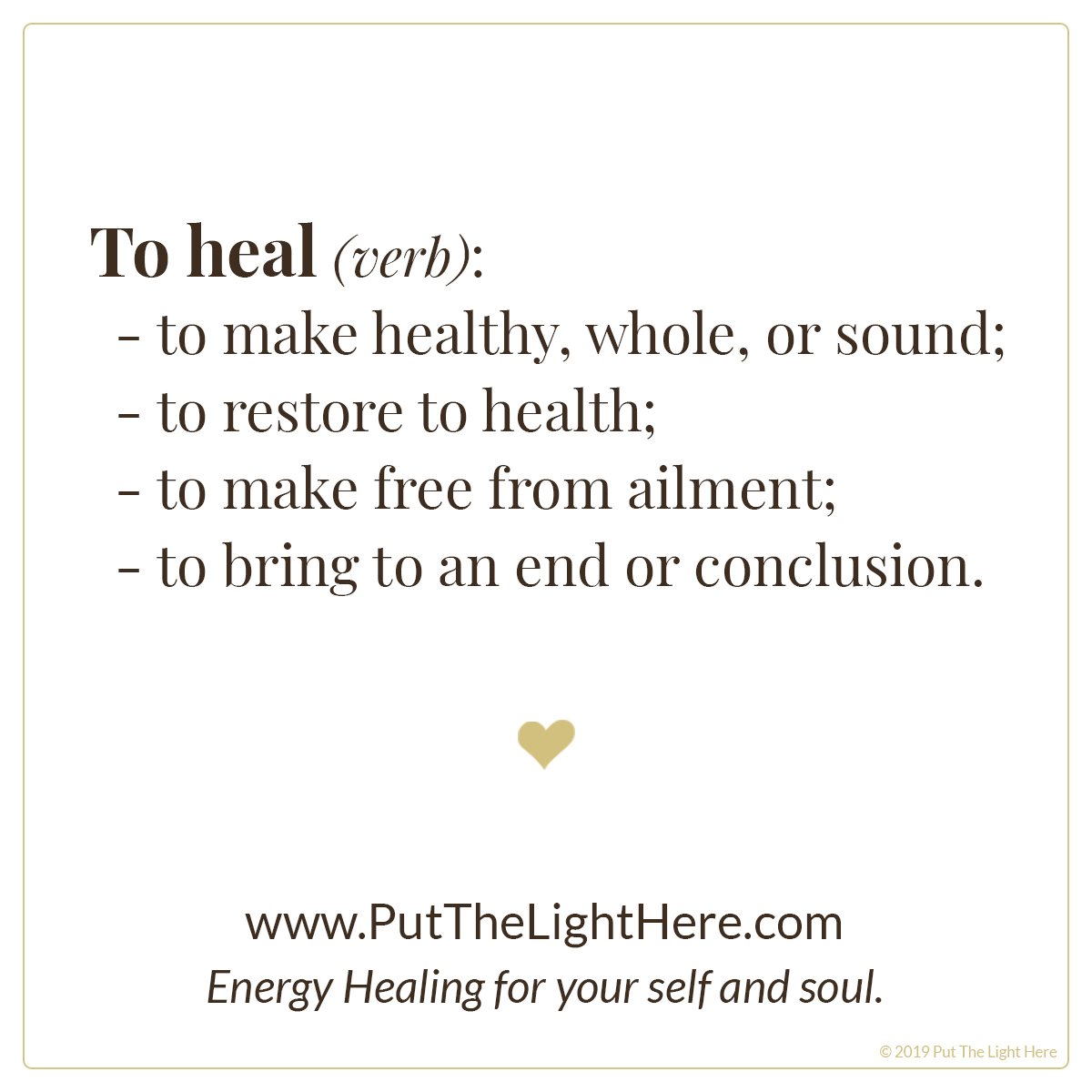
Trauma can have profound and lasting effects on both the mind and body, often disrupting a person’s sense of safety, stability, and well-being. Meditation has emerged as a supportive practice in trauma recovery, offering tools to foster calmness, self-awareness, and emotional regulation. Recognizing the connection between trauma and meditation underscores the importance of tailored mindfulness techniques that can aid in healing and resilience.
Research indicates that meditation influences key brain regions affected by trauma, including the amygdala, hippocampus, and prefrontal cortex. These areas are involved in emotional processing, fear responses, and decision-making. By practicing meditation regularly, individuals can modulate activity within these regions, reducing hyperarousal, enhancing emotional regulation, and promoting a sense of safety and calm. This neuroplasticity suggests that meditation not only supports psychological healing but also induces physiological changes beneficial for trauma survivors.
Connection Between Trauma Recovery and Meditation Practices
Meditation serves as a complementary tool in trauma recovery by helping individuals reconnect with their present experience, manage intrusive thoughts, and reduce stress responses. Trauma often leads to heightened sympathetic nervous system activity, resulting in symptoms such as anxiety, hypervigilance, and sleep disturbances. Meditation techniques such as mindfulness-based stress reduction (MBSR), body scans, and loving-kindness meditation can activate the parasympathetic nervous system, fostering relaxation and emotional stability.
These practices encourage a non-judgmental awareness of thoughts and sensations, which can diminish the power of traumatic memories and reduce reactivity. Consistent meditation also cultivates resilience, allowing trauma survivors to better cope with triggers and emotional upheavals, ultimately supporting their journey toward healing.
Influence of Meditation on Brain Regions Affected by Trauma
Multiple studies have shown that trauma impacts specific brain areas associated with fear, memory, and emotional regulation. Meditation affects these regions by promoting neuroplasticity, which can lead to functional improvements over time. Notably:
- The amygdala, responsible for fear processing, tends to become hyperactive in trauma survivors. Meditation practices that focus on calming the mind can decrease amygdala activity, reducing hyperarousal and anxiety.
- The hippocampus, involved in memory and contextualizing experiences, can experience volume reduction due to trauma. Meditation has been associated with increased hippocampal volume, supporting better memory processing and emotional regulation.
- The prefrontal cortex, crucial for decision-making, impulse control, and assessing risks, often shows decreased activity following trauma. Meditation enhances prefrontal cortex function, leading to improved emotional regulation and resilience.
“Meditation facilitates neuroplasticity, enabling the brain to reorganize itself and recover from trauma-induced changes.”
Comparison Table of Trauma Types and Suitable Meditation Techniques
Different trauma experiences may require tailored meditation approaches to maximize healing benefits. Here is an overview of common trauma types and recommended meditation techniques:
| Trauma Type | Description | Suitable Meditation Techniques |
|---|---|---|
| Developmental or Complex Trauma | Resulting from prolonged, repeated adverse experiences, often in childhood, affecting identity and attachment. | Grounding meditations, loving-kindness meditation, body scans that focus on safety and compassion. |
| Single-Event Trauma | Triggered by a specific incident such as accidents, natural disasters, or assault. | Mindfulness-based breathing exercises, visualization techniques that promote safety, and present-moment awareness. |
| Relational Trauma | Originates from betrayal, abandonment, or abusive relationships. | Compassion-focused meditations, self-love practices, and gentle body awareness exercises. |
| Secondary or Vicarious Trauma | Results from exposure to others’ traumatic experiences, common among caregivers and professionals. | Relaxation-focused techniques, compassion meditation, and activities promoting emotional distancing when necessary. |
Psychological and Physiological Effects of Meditation on Trauma Survivors
Engaging in meditation yields a range of beneficial effects for individuals recovering from trauma. Psychologically, meditation can reduce symptoms of anxiety, depression, and intrusive memories, fostering greater emotional resilience. It enhances self-awareness and acceptance, empowering survivors to process their experiences without becoming overwhelmed.
Physiologically, meditation activates the parasympathetic nervous system, leading to decreased heart rate, lowered blood pressure, and reduced cortisol levels. This relaxation response helps counteract the chronic hyperarousal state typical of trauma survivors. Over time, these effects can result in improved sleep, better stress management, and an overall sense of physical and emotional well-being.
Preparing for Meditation as a Trauma Survivor

Embarking on meditation practice after experiencing trauma requires careful preparation to ensure a safe and supportive environment. Proper groundwork can significantly enhance the healing process, reducing feelings of vulnerability and fostering trust in oneself during meditation. Establishing a calming setting tailored to individual needs helps create a foundation for consistent practice and emotional safety.
Trauma survivors often face unique challenges when approaching meditation, such as heightened anxiety, difficulty with stillness, or fears of confronting distressing memories. By systematically preparing the environment and gradually introducing meditation techniques, individuals can develop a sustainable and beneficial practice that complements their healing journey.
Creating a Safe and Calming Meditation Environment
Developing an environment that promotes calmness and safety is essential for trauma survivors. This space should minimize external distractions and evoke a sense of security, allowing individuals to focus inwardly without feeling overwhelmed.
- Choose a quiet, private location free from interruptions, such as noise or interruptions from others. This could be a corner of a room, a dedicated meditation nook, or a quiet outdoor space.
- Ensure the space is well-ventilated with comfortable temperature control to prevent physical discomfort, which can detract from focus and relaxation.
- Incorporate soft lighting, such as lamps or candles, to create a warm and inviting atmosphere. Dimming lights or using warm tones can help reduce overstimulation.
- Arrange supportive seating, such as a cushion, chair, or floor mat, that allows for comfortable posture and stability during meditation sessions.
- Remove clutter and unnecessary items to foster a sense of order and tranquility, reducing potential sources of distraction or anxiety.
- Personalize the environment with calming objects like natural elements (plants, stones), or items with positive associations, to deepen the sense of safety and comfort.
Organizing Recommended Items and Settings for Trauma-Sensitive Meditation Practices
Preparing essential items and configuring the environment thoughtfully can support trauma survivors in establishing a consistent meditation routine. These items should promote relaxation while respecting individual sensitivities.
| Item | Purpose and Recommendations |
|---|---|
| Comfortable Seating | Provide a cushion, meditation chair, or floor mat that supports an upright but relaxed posture, preventing physical discomfort during longer sessions. |
| Blankets or Scarves | Use soft coverings to maintain warmth and provide a tactile sense of security, especially in cooler environments. |
| Calming Aromas | Incorporate essential oils or incense with soothing scents like lavender or chamomile to enhance relaxation, ensuring no sensitivities are triggered. |
| Sound Environment | Use gentle background sounds such as nature recordings, white noise, or soft music to mask disruptive noises and foster a peaceful atmosphere. |
| Lighting | Opt for adjustable or dimmable lighting options to control brightness and create a gentle, non-intrusive ambiance. |
| Guided Meditation Resources | Have access to trauma-sensitive guided meditations, preferably with a gentle tone and clear instructions to support newcomers. |
Gradually Introducing Meditation to Trauma Survivors
Introducing meditation to individuals with trauma backgrounds requires sensitivity and patience. A gradual approach helps build trust and minimizes potential triggers associated with stillness or inward focus.
- Start with brief sessions, such as 3 to 5 minutes, focusing on simple grounding techniques or breathing exercises to foster familiarity and comfort.
- Use guided meditations specifically designed for trauma healing, emphasizing safety, gentle awareness, and self-compassion.
- Encourage acknowledgment of feelings that arise during practice without judgment, reinforcing that responses are normal and part of the healing process.
- Progressively increase session duration based on comfort level, ensuring not to push beyond individual capacities.
- Incorperate mindfulness practices that involve gentle awareness of physical sensations, sounds, or breathing to establish a foundation of present-moment focus.
- Offer consistent reassurance and support, emphasizing that meditation is a personal journey and there is no right or wrong way to experience it.
Checklist for Overcoming Common Obstacles When Starting Meditation
Many trauma survivors encounter specific challenges when initiating meditation practice. Anticipating and addressing these obstacles can foster resilience and consistency in practice.
- Difficulty Sitting Still: Use shorter sessions and incorporate movement-based practices like gentle stretches or walking meditation to ease into stillness.
- Overwhelm or Emotional Flooding: Have a plan to pause or terminate the session if distress becomes intense, and practice grounding techniques immediately afterward.
- Fear of Confronting Memories: Choose meditation approaches that emphasize safety, such as focused awareness on physical sensations or guided imagery that promotes positive feelings.
- Distraction or Intrusive Thoughts: Use anchor points like breath or sounds to return focus, and recognize distractions as temporary and normal.
- Lack of Motivation: Establish a routine, set small achievable goals, and acknowledge progress to maintain engagement.
- Physical Discomfort: Adjust posture, use supportive cushions, or modify positions to prevent pain or discomfort during practice.
Remember that patience, compassion, and gradual progress are key elements in the successful incorporation of meditation into trauma healing.
Meditation Techniques for Healing Trauma

Implementing effective meditation practices plays a crucial role in the healing journey for trauma survivors. Different techniques can address various emotional and physiological responses associated with trauma, fostering safety, awareness, and emotional regulation. By exploring and integrating these methods, individuals can identify which approaches resonate most and adapt their routines accordingly to support their unique healing process.
Below are several meditation techniques that have proven beneficial in trauma recovery, along with guidance on how to incorporate them into daily routines, and how to modify practices based on specific trauma symptoms.
Mindfulness Meditation
Mindfulness meditation involves paying deliberate attention to the present moment without judgment. It encourages trauma survivors to observe their thoughts, feelings, and bodily sensations with acceptance, reducing hyperarousal and anxiety.
- Find a comfortable seated position in a quiet space.
- Focus on your breath, noticing the sensation of inhaling and exhaling.
- When thoughts or distressing memories arise, acknowledge them without judgment and gently redirect your awareness back to your breath.
- Practice for 10-20 minutes daily to build resilience and awareness.
Body Scan Meditation
The body scan helps individuals reconnect with physical sensations, fostering grounding and reducing dissociation often experienced after trauma.
- Lie down or sit comfortably, closing your eyes if preferred.
- Begin by directing your attention to your toes, noticing any sensations or tension.
- Gradually move upward through your body, paying attention to your ankles, calves, thighs, abdomen, chest, arms, neck, and face.
- Use slow, deep breaths to relax tense areas and promote a sense of safety in the body.
- Complete the scan in 15-30 minutes, practicing regularly for enhanced grounding.
Loving-Kindness Meditation
This technique cultivates compassion toward oneself and others, which can be particularly healing for survivors struggling with self-blame or shame.
- Sit comfortably and focus on generating feelings of warmth and kindness.
- Begin by silently repeating phrases such as, “May I be safe, may I be happy, may I be healthy, may I live with ease.”
- Gradually extend these wishes to loved ones, acquaintances, and even those with whom there is difficulty.
- Engaging in this practice for 10-15 minutes daily can foster emotional resilience and self-acceptance.
Guided Imagery
Guided imagery involves visualizing peaceful and empowering scenes, helping to replace traumatic memories with positive mental images.
- Use a recorded meditation or imagine a calming environment, such as a safe beach or a quiet forest.
- Focus on detailed sensory experiences—what you see, hear, feel, smell, and taste.
- Incorporate positive affirmations or symbols of strength within the imagery.
- This method can be tailored to individual trauma responses by emphasizing safety and control during visualization sessions.
Sample Guided Meditation Script for Trauma Healing
Begin by finding a comfortable seated position, closing your eyes gently. Take a deep breath in, filling your lungs completely, and exhale slowly, releasing tension. As you settle into this space, imagine a warm, golden light surrounding you, creating a shield of safety. With each breath, feel this light grow brighter, filling you with calm and reassurance. Acknowledge any feelings or memories that arise, observing them with gentle curiosity without judgment. Visualize these experiences as clouds passing across the sky—allow them to drift away, leaving you grounded and secure. Focus on your breath, feeling the rise and fall of your chest, anchoring you in the present moment. When you’re ready, slowly bring your awareness back to your surroundings, carrying the sense of safety and calm with you throughout your day.
Adapting Meditation Practices for Different Trauma Symptoms
Trauma symptoms vary widely, requiring personalized adjustments to meditation routines. For hyperarousal symptoms such as anxiety or panic, grounding techniques like body scans and deep breathing can help restore calm. Visualization methods that emphasize safety and control are effective for dissociation, providing a mental refuge from distressing memories. For individuals with shame or self-criticism, loving-kindness meditation fosters self-compassion and emotional healing.
Recognizing and respecting one’s limits is essential, so practices should be adjusted in duration, intensity, or focus based on individual comfort levels, with a gradual approach to fostering resilience and safety.
Incorporating Breathing Exercises into Trauma-Focused Meditation Routines
Breathing exercises serve as a foundational element in trauma-sensitive meditation, aiding in regulation of the nervous system. Diaphragmatic breathing, or belly breathing, activates the parasympathetic nervous system, promoting relaxation and safety.
- Begin by placing one hand on your chest and the other on your abdomen.
- Inhale slowly through your nose, allowing your abdomen to rise as your lungs fill with air.
- Exhale gently through your mouth, feeling your abdomen fall.
- Repeat this pattern for 5-10 minutes, focusing on the sensation of breath and the calming rhythm it creates.
Incorporating breath awareness within other meditation techniques enhances their effectiveness. For example, during mindfulness or body scan practices, anchoring attention to the breath can help maintain focus and reduce anxiety, making the practices more accessible and supportive for trauma recovery.
Integrating Meditation into Trauma Recovery Plans
![더 로즈 [The Rose] - HEAL - Reviews - Album of The Year](https://teknobrick.web.id/wp-content/uploads/2025/09/cbfc16ea82df756205750dcf6ef9921e-1.jpg "더 로즈 [The Rose] - HEAL - Reviews - Album of The Year")
Combining meditation with other therapeutic approaches creates a comprehensive and personalized pathway to healing from trauma. This integration supports emotional regulation, enhances self-awareness, and fosters resilience. When incorporated thoughtfully alongside therapy, support groups, and other modalities, meditation can serve as a powerful tool to deepen recovery and promote sustained well-being.Effective trauma recovery often involves multifaceted strategies, where meditation functions as a complementary practice.
It encourages grounding, mindfulness, and emotional stabilization, which can significantly augment the benefits gained from conventional therapy sessions and peer support networks. By integrating meditation into a holistic plan, individuals can build a resilient foundation that addresses both the psychological and physiological aspects of trauma.
Combining Meditation with Therapy, Support Groups, and Other Modalities
To maximize healing outcomes, it is essential to understand how meditation can be seamlessly incorporated into existing trauma recovery methods.
When used alongside therapy—such as cognitive-behavioral therapy (CBT), trauma-informed therapy, or eye movement desensitization and reprocessing (EMDR)—meditation can reinforce the skills learned during sessions and provide tools for managing distress between appointments. Therapists can guide clients to use specific meditation techniques to process emotions or reduce anxiety outside of structured sessions, thereby enhancing overall progress.
Support groups offer a communal environment where shared experiences foster connection and validation. Incorporating group-based meditation sessions can build a sense of collective resilience, while also providing a safe space for practicing mindfulness in real-time, under the guidance of a facilitator or peer leader. This communal practice can diminish feelings of isolation often associated with trauma.
Additional modalities, such as body-centered therapies, yoga, or art therapy, can be complemented by meditation practices that focus on body awareness and emotional regulation. For example, gentle body scans or mindful movement exercises can prepare the mind and body for meditation, creating a layered approach to trauma healing that addresses physical sensations, emotional responses, and cognitive patterns.
Tracking Progress and Emotional Responses During Meditation Sessions
Monitoring emotional responses and progress is vital for understanding how meditation influences trauma recovery. It allows individuals and their clinicians to tailor practices, recognize patterns, and celebrate improvements.
Keeping a meditation journal can be an effective method for tracking daily or weekly experiences. Entries may include descriptions of emotional reactions, physical sensations, thoughts, and overall mood before and after meditation sessions. This documentation provides valuable insights into triggers, progress, and areas needing additional attention.
Implementing regular self-assessments or mood scales, such as the Positive and Negative Affect Schedule (PANAS) or trauma-specific questionnaires, can quantify emotional shifts. These tools help individuals observe subtle changes over time and can inform adjustments to their practice or therapeutic approach.
Additionally, mindfulness apps or digital platforms often feature built-in tracking functions that record session duration, frequency, and subjective emotional responses. These tools can generate visual progress reports, fostering motivation and accountability.
Frequency and Duration of Meditation Practices for Effective Trauma Healing
Establishing an appropriate meditation routine is crucial for effective trauma recovery. The balance between consistency and intensity depends on individual needs, preferences, and response to practice.
For most trauma survivors, daily meditation sessions ranging from 10 to 20 minutes are recommended to build a sustainable habit without causing overwhelm. Regular, shorter sessions often produce more consistent benefits than infrequent, lengthy practices, especially during early stages of healing.
As familiarity and comfort with meditation increase, session duration can be gradually extended to 30 minutes or more, depending on the individual’s comfort level and schedule. Incorporating multiple shorter sessions throughout the day, such as morning and evening practices, can reinforce emotional regulation and grounding.
It’s important to listen to one’s body and emotional state. If meditation triggers distress or flashbacks, shorter sessions or different techniques may be more appropriate. Flexibility and patience are key to creating a practice that supports ongoing healing.
Maintaining Consistency and Motivation in Meditation Routines
Sustaining a meditation practice over time requires strategies to foster motivation and consistency.
Creating a dedicated, comfortable space for meditation helps establish a physical cue that encourages regular practice. Incorporating meditation into daily routines, such as pairing it with morning waking or evening winding down, can build a habit more easily.
Setting realistic goals and celebrating small milestones reinforce commitment. For example, tracking consecutive days of practice or noticing improvements in emotional responses can sustain motivation.
Utilizing reminders, alarms, or meditation apps with notifications can prompt consistency, especially during busy or stressful periods. Engaging with community groups or accountability partners provides social support and encouragement, which can significantly boost motivation.
Practicing self-compassion and patience is essential when integrating meditation into trauma recovery. Progress may be gradual, but sustained effort fosters resilience and long-term healing.
Tips for Sustaining Meditation Practice Post-Healing
Maintaining a consistent meditation practice after experiencing trauma is vital for ongoing emotional resilience and personal growth. It helps reinforce the healing gains achieved and supports the development of a deeper connection with oneself. Developing sustainable habits ensures that meditation remains a valuable tool in navigating life’s challenges, fostering inner strength, and cultivating a sense of peace over time.A sustained meditation routine requires intentional strategies to adapt as emotional needs evolve, manage setbacks, and deepen practice.
This ongoing commitment becomes a cornerstone of trauma recovery, empowering individuals to maintain resilience and emotional stability long-term.
Deepening Meditation Practice for Ongoing Emotional Resilience
To progress in meditation practice, trauma survivors can gradually explore advanced techniques and extend the duration of their sessions. Reflection on personal goals and mindfulness of how meditation influences emotional responses can guide this process, fostering a sense of mastery and confidence. Incorporating practices such as loving-kindness or compassion meditation can expand emotional resilience by cultivating positive psychological states.Regularly setting aside dedicated time and creating a tranquil environment enhances the quality and depth of each session.
Tracking progress through journals or meditation logs allows individuals to recognize growth patterns and identify the techniques that resonate most effectively with their evolving needs.
Managing Setbacks or Emotional Triggers During Meditation
Setbacks and emotional triggers are natural parts of the healing journey, especially when engaging in meditation practices that surface difficult feelings. Recognizing these moments as opportunities for growth rather than failures is essential. Developing a compassionate attitude towards oneself helps in managing emotional upheavals during meditation.Strategies include pausing the practice to acknowledge and breathe through difficult emotions, using grounding techniques such as touch or visualization, and gently returning to the meditation once feelings have subsided.
It can be helpful to have a support system, such as a therapist or a trusted support group, to discuss and process challenging experiences that arise during meditation.
Adapting Meditation Practices to Evolving Emotional Needs
As emotional resilience develops, meditation practices should be tailored to meet changing needs. Flexibility in approach ensures continued engagement and effectiveness. For example, an individual might shift from body scan meditations to more active forms such as walking or movement meditation if physical or emotional states change.Incorporating themes relevant to current experiences, such as forgiveness or self-compassion, can deepen healing.
Additionally, adjusting the length, environment, or technique ensures that meditation remains accessible and relevant, supporting ongoing emotional regulation and growth.
Community and Group Meditation Sessions Supporting Trauma Survivors
Participating in community or group meditation sessions offers a sense of connection and shared understanding that can be profoundly healing for trauma survivors. These settings provide mutual support, validation, and encouragement, reducing feelings of isolation often associated with trauma.Group sessions led by experienced facilitators can introduce structured practices such as mindfulness circles, guided visualizations, or compassion meditations. The collective energy fosters a safe space for vulnerable expression and offers opportunities for social connection and validation.
Regular participation can reinforce individual practice, enhance emotional resilience, and foster a sense of belonging essential to long-term healing.
Last Recap

Incorporating meditation into a trauma recovery plan provides a sustained avenue for healing, growth, and resilience. By maintaining consistency, adapting practices to evolving needs, and seeking community support, survivors can continue to nurture their mental and emotional health long after initial healing. Embracing these techniques paves the way for a more balanced, peaceful future.