Discover effective strategies on how to improve mental health with meditation, a practice that has been embraced across cultures and eras for its profound benefits. This guide explores various meditation techniques, optimal environments, and daily routines designed to foster mental clarity, reduce stress, and promote emotional resilience. By integrating these practices into your life, you can achieve greater inner peace and mental well-being.
Understanding the relationship between meditation and mental health reveals how simple, mindful exercises can significantly decrease anxiety, depression, and stress. Whether you are new to meditation or seeking to deepen your practice, this comprehensive overview offers practical insights to enhance your mental and emotional health effectively.
Introduction to Meditation and Mental Health

Meditation has been practiced for thousands of years across various cultures and traditions as a means to cultivate mental clarity, emotional stability, and overall well-being. In recent decades, scientific research has increasingly recognized meditation as an effective tool for enhancing mental health. Its capacity to promote relaxation and mindfulness has made it an accessible approach for managing common psychological challenges such as stress, anxiety, and depression.
Understanding the relationship between meditation practices and mental health involves exploring how meditation influences brain function, emotional regulation, and physiological responses. Regular meditation can lead to structural changes in the brain, particularly in areas associated with stress regulation, such as the amygdala and prefrontal cortex. This cumulative effect helps individuals develop resilience against mental health issues, fostering a state of calmness and mental clarity in daily life.
Historical and Cultural Contexts of Meditation as a Mental Health Tool
Meditation has roots spanning ancient civilizations, with prominent practices emerging from Hindu, Buddhist, Taoist, and other spiritual traditions. In these contexts, meditation was often intertwined with religious and philosophical pursuits aimed at achieving enlightenment, spiritual growth, or inner peace. Over time, dedicated practitioners and scholars recognized the mental health benefits of meditation, leading to its integration into both spiritual and secular settings.
In the 20th and 21st centuries, meditation transitioned from a primarily spiritual practice to a mainstream mental health intervention. Mindfulness meditation, derived from Buddhist practices, gained popularity globally as a secular approach to reducing stress and enhancing emotional well-being. Its adoption in clinical settings, including hospitals and therapy programs, underscores its effectiveness and versatility as a mental health tool.
Today, meditation continues to evolve, with diverse techniques tailored to meet the needs of individuals facing various psychological challenges. Its rich cultural history provides a foundation of trust and depth, while modern scientific validation reinforces its relevance in contemporary mental health care.
Types of Meditation Techniques for Mental Well-being
Incorporating various meditation techniques into your routine can significantly enhance mental health by reducing stress, improving focus, and cultivating emotional resilience. Each style offers unique methods and benefits, making it possible to tailor practices to individual preferences and needs. Understanding these different techniques enables practitioners to choose the most suitable approach for their mental well-being journey.
Below, several prominent meditation styles are described, highlighting their procedures, benefits, and recommended durations. These techniques serve as practical tools for fostering mindfulness, emotional balance, and overall mental health.
Mindfulness Meditation
Mindfulness meditation emphasizes paying deliberate attention to the present moment without judgment. It encourages awareness of thoughts, feelings, bodily sensations, and the surrounding environment, fostering a sense of acceptance and clarity. This practice is widely used to manage stress, reduce anxiety, and enhance emotional regulation.
| Technique | Description | Benefits | Recommended Duration |
|---|---|---|---|
| Mindfulness Meditation | Sitting quietly and focusing attention on the breath, sensations, or a specific object, while gently acknowledging any wandering thoughts without attachment. | Reduces stress, improves concentration, enhances emotional stability, and cultivates present-moment awareness. | 10-30 minutes daily |
Step-by-step Procedure for Mindfulness Meditation
- Find a quiet, comfortable space to sit with a straight posture, either on a chair or cushion.
- Close your eyes gently or soften your gaze downward.
- Focus your attention on your breathing, noticing the inhales and exhales naturally.
- If your mind wanders, gently bring your focus back to your breath without self-criticism.
- Continue this practice for the desired duration, maintaining a gentle, accepting attitude.
Guided Imagery
Guided imagery involves visualization techniques led by an instructor or recording, where individuals imagine calming and positive scenarios. This style is particularly effective for stress relief, promoting relaxation, and fostering mental clarity by engaging the imagination to create peaceful mental environments.
| Technique | Description | Benefits | Recommended Duration |
|---|---|---|---|
| Guided Imagery | Following verbal instructions or recordings to visualize serene scenes, such as a beach, forest, or mountain, engaging all senses to deepen the experience. | Reduces anxiety, alleviates stress, improves mood, and supports emotional healing. | 15-30 minutes per session |
Step-by-step Procedure for Guided Imagery
- Choose a quiet space and sit or lie down comfortably.
- Close your eyes and take several deep breaths to relax your body.
- Listen to the guiding narration or visualize a peaceful scene mentally.
- Engage all your senses: imagine the sights, sounds, smells, textures, and tastes of the scenario.
- Allow yourself to experience a sense of calm and tranquility as you immerse in the visualization.
- Gradually bring your awareness back to the present moment and open your eyes.
Body Scan Meditation
The body scan technique involves systematically focusing attention on different parts of the body, promoting relaxation and awareness of physical sensations. It is commonly used to reduce tension, improve sleep, and enhance mind-body connection, contributing to overall mental health.
| Technique | Description | Benefits | Recommended Duration |
|---|---|---|---|
| Body Scan Meditation | Progressively directing attention through parts of the body from head to toes, noticing sensations, tension, or discomfort without judgment. | Relieves physical and mental tension, improves sleep quality, and increases bodily awareness and mindfulness. | 20-45 minutes |
Step-by-step Procedure for Body Scan Meditation
- Lie down comfortably in a quiet space, arms relaxed by your sides.
- Close your eyes and take slow, deep breaths to settle into relaxation.
- Begin by focusing on your head and face, observing sensations or areas of tension.
- Gradually move your attention down to your neck, shoulders, arms, chest, abdomen, hips, legs, and finally your feet.
- At each stage, observe sensations with gentle curiosity, and breathe into areas of tension to promote relaxation.
- Complete the scan by bringing awareness back to your breathing, then slowly open your eyes.
Loving-kindness Meditation
Loving-kindness, or Metta, meditation focuses on cultivating feelings of compassion, kindness, and goodwill towards oneself and others. Regular practice can improve emotional resilience, reduce negative emotions, and foster social connectedness, which are essential for mental well-being.
| Technique | Description | Benefits | Recommended Duration |
|---|---|---|---|
| Loving-kindness Meditation | Repeating phrases of well-wishing directed towards oneself and others, gradually expanding the circle to include friends, strangers, and even those with whom one has conflicts. | Enhances positive emotions, reduces self-criticism, increases feelings of social connection, and boosts overall happiness. | 15-20 minutes daily |
Step-by-step Procedure for Loving-kindness Meditation
- Find a comfortable seated position in a quiet environment.
- Close your eyes and take several deep breaths to center yourself.
- Begin by silently repeating phrases such as “May I be happy, may I be healthy, may I be safe, may I live with ease.”
- Gradually direct these wishes towards others: loved ones, acquaintances, and even those with whom you have difficulties.
- Visualize sending loving-kindness to each person or group, wishing them well with sincere intention.
- Conclude by bringing your awareness back to your breath, then slowly open your eyes.
Setting Up an Effective Meditation Environment
Creating a dedicated, comfortable, and peaceful space for meditation significantly enhances the quality and consistency of your practice. An environment that minimizes distractions and fosters relaxation helps in cultivating a focused mindset, enabling deeper meditation sessions and promoting mental well-being over time. Establishing such an environment involves careful consideration of lighting, seating, ambiance, and the timing of your practice.A well-designed meditation space should evoke a sense of calm and safety, encouraging regular engagement.
When your environment aligns with your meditation goals, it becomes easier to develop a routine that supports mental clarity and emotional balance. The following strategies can assist you in setting up an optimal meditation environment tailored to your needs.
Creating a Distraction-Free and Comfortable Space
Establishing a distraction-free zone is vital for maintaining focus during meditation. This involves selecting a quiet area where external noises are minimized and interruptions are unlikely. Consider the following methods:
- Select a secluded corner or a dedicated room that can be reserved solely for meditation, reducing the likelihood of disturbances.
- Use soundproofing elements such as rugs, curtains, or acoustic panels to absorb ambient noise and create a serene atmosphere.
- Keep electronic devices on silent mode or outside the space to prevent interruptions from notifications or calls.
- Declutter the area by removing unnecessary objects, providing a clean and organized environment that fosters mental clarity.
Enhancing comfort within the meditation space encourages longer and more consistent practice sessions. Incorporating elements that promote relaxation can make the environment more inviting and conducive to mindfulness.
Optimizing Lighting, Seating, and Ambiance
Lighting and ambiance play crucial roles in setting the tone for meditation. Soft, natural light is ideal, as it helps to relax the mind and body. If natural light is unavailable, warm, dimmable lighting can be used to mimic sunlight, creating a cozy and calming environment.Seating options should prioritize comfort and proper posture. Use cushions, meditation mats, or chairs that support the back while allowing relaxation.
The goal is to avoid discomfort that might distract from meditation; therefore, choose supportive but comfortable seating arrangements.The overall ambiance can be enriched with subtle decorative elements such as plants, calming artwork, or scented candles. Aromatherapy with lavender, chamomile, or sandalwood can enhance relaxation, provided they do not cause discomfort or allergies. The goal is to craft an environment that signals your mind to transition into a state of mindfulness and tranquility.
Selecting Suitable Times and Durations for Daily Practice
Consistency in meditation significantly influences mental health benefits. Choosing appropriate times and durations for practice helps in establishing a sustainable routine.It is advisable to meditate at times when you are least likely to be interrupted—early mornings or late evenings often work well for many individuals due to fewer external activities. Incorporating meditation into your daily schedule creates a habitual ritual that reinforces mental health benefits over time.Regarding session duration, starting with shorter periods, such as five to ten minutes, is beneficial, especially for beginners.
As comfort and familiarity increase, gradually extending sessions to 20–30 minutes can deepen mental clarity and relaxation. For example, dedicating 15 minutes each morning and evening can help stabilize mood, reduce stress, and improve overall mental resilience.Finding the time and length that best fit your lifestyle and preferences ensures consistency and enhances the positive impact of meditation on mental health.
Incorporating Meditation into Daily Routine
Integrating meditation into your everyday schedule is a pivotal step toward enhancing mental health and cultivating a balanced, mindful lifestyle. Consistency is key; establishing dedicated meditation times ensures that the practice becomes a natural part of your daily rhythm, helping to reduce stress, improve focus, and foster emotional resilience. By thoughtfully planning your routine, you can maximize the benefits of meditation without it feeling like an additional burden.
Creating a structured approach to meditation involves selecting optimal times that suit your daily commitments, choosing appropriate techniques for each session, and maintaining a steady frequency. Whether you are new to meditation or seeking to deepen your existing practice, a well-organized schedule can support sustainable habits that seamlessly integrate into your personal and professional life.
Designing a Weekly Meditation Schedule
Developing a weekly plan for meditation involves balancing different types of techniques with your available time slots, ensuring both variety and consistency. Below is a suggested schedule that accommodates busy lifestyles while emphasizing mental health benefits. The table Artikels recommended meditation types, durations, and ideal times to practice during the day.
| Day | Suggested Meditation Type | Duration | Optimal Time |
|---|---|---|---|
| Monday | Mindfulness Breathing | 10 minutes | Morning (before starting work) |
| Tuesday | Loving-Kindness Meditation | 15 minutes | Evening (after work) |
| Wednesday | Body Scan Meditation | 20 minutes | Midday (lunch break) |
| Thursday | Guided Visualization | 10 minutes | Morning |
| Friday | Walking Meditation | 15 minutes | Afternoon (outdoors) |
| Saturday | Silent Meditation or Mindfulness | 20-30 minutes | Morning or late evening |
| Sunday | Combination of techniques or rest day | Flexible | Whenever convenient |
Adjustments to this schedule can be made based on personal preferences, work commitments, and energy levels. The key is consistency, which reinforces the habit and amplifies mental health benefits.
Quick Meditation Techniques for Busy Schedules
For individuals with limited time, quick yet effective meditation methods can provide substantial mental health benefits. These techniques can be practiced during short breaks and help reset your mental state amidst a hectic day.
Breathing Snapshots: Take three deep, slow breaths, focusing solely on the sensation of air entering and leaving your body. This quick exercise can ground you during stressful moments.
Mini Body Scan: In just two minutes, scan your body from head to toe, paying attention to areas of tension and consciously relaxing them. This helps release stress accumulated throughout the day.
Mindful Pause: During a routine activity like waiting in line or commuting, pause for a moment to observe your surroundings without judgment, focusing on sounds, sights, or sensations.
Focused Attention: Concentrate on a single object or sound for a minute or two, such as the sensation of your feet on the ground or the hum of an appliance, to anchor your attention and clear your mind.
These brief techniques are especially beneficial for maintaining a daily meditation practice when time constraints are unavoidable. Regular practice, even in small doses, can significantly improve mental clarity, reduce anxiety, and enhance overall emotional well-being.
Techniques to Enhance Focus and Mindfulness During Meditation

Developing strong concentration and mindfulness during meditation is essential for achieving optimal mental health benefits. These techniques help practitioners maintain their attention, reduce distractions, and deepen their meditative experience. By mastering methods to enhance focus, individuals can cultivate a more present and calm state of mind, which positively influences overall mental well-being.
Implementing specific strategies such as breath awareness and body scanning can significantly improve concentration. Additionally, understanding how to manage wandering thoughts and choosing between guided recordings and silent meditation can further refine one’s practice, making it more effective and sustainable over time.
Methods to Improve Concentration During Meditation
Enhancing focus involves intentional practices that anchor the mind and prevent it from drifting away. Techniques like breath awareness and body scanning serve as effective tools to cultivate sustained attention. These methods foster a deeper connection with the present moment, reducing mental clutter and promoting clarity.
- Breath Awareness: Paying close attention to the natural rhythm of your breath helps ground your focus. This involves observing the inhalation and exhalation without attempting to control it, allowing the breath to serve as a steady anchor for your attention. When your mind wanders, gently redirect it back to the breath, cultivating patience and gentle persistence.
- Body Scanning: This technique involves systematically directing your awareness to different parts of your body, starting from the toes and moving upward or vice versa. As you focus on physical sensations—such as tension, warmth, or relaxation—you develop an enhanced sense of bodily awareness, which reinforces mindfulness and minimizes mental distraction.
Managing Wandering Thoughts and Maintaining Presence
Despite best efforts, the mind naturally drifts during meditation, making it crucial to develop skills for managing such wandering thoughts. Recognizing when the mind has wandered and gently bringing attention back to the chosen focal point can deepen concentration and sustain mindfulness.
- Acceptance Without Judgment: When thoughts arise, acknowledge them without criticism or frustration. Accepting wandering thoughts as a normal part of the process creates a non-judgmental attitude that encourages persistence and reduces mental resistance.
- Use of Anchors: Besides breath and body, other anchors such as sounds, sensations, or visualizations can be employed to maintain focus. Consistently returning to these anchors helps keep the mind engaged and prevents it from becoming lost in unrelated thoughts.
- Structured Practice: Setting aside dedicated, distraction-free time and creating a routine enhances concentration. Over time, the regularity of practice makes focusing easier, as the mind associates the routine with a state of mindfulness and calmness.
The Role of Guided Recordings Versus Silent Meditation
Choosing between guided recordings and silent meditation can influence the effectiveness and ease of maintaining focus. Each approach offers unique advantages suited to different individuals and practice stages.
Guided recordings: Provide verbal instructions, prompts, and visualizations that help direct attention, especially beneficial for beginners or those seeking structure. They can include voice guidance on breath, body, and mental states, which reduces the cognitive load of maintaining focus independently. For example, a guided session might gently remind practitioners to notice sensations or sounds, fostering deeper mindfulness.
Silent meditation: Encourages self-reliance and enhances internal focus without external cues. It allows practitioners to develop their own awareness patterns and deepen their concentration skills over time. Silent meditation is often preferred by experienced practitioners who wish to cultivate a more intuitive and personal connection to their practice.
Both methods have merits; guided recordings can serve as valuable tools for beginners or those needing external structure, while silent meditation encourages autonomous focus and internal stability. Combining both approaches in a meditation routine can offer the benefits of guidance and independence, enriching overall mental health and mindfulness development.
Tracking Progress and Benefits of Meditation Practice
Maintaining an effective meditation routine involves not only consistent practice but also monitoring its impact on mental health and overall well-being. Tracking your meditation experiences and observing tangible benefits over time can reinforce positive habits and highlight areas needing adjustment. By systematically recording your journey, you can better appreciate your growth, recognize patterns, and stay motivated to continue practicing. This approach also provides valuable insights into how meditation influences various aspects of mental health, enabling tailored modifications for maximum benefit.A structured method for tracking progress typically includes journaling your experiences, noting changes in mood, stress levels, sleep quality, and other emotional states.
Utilizing digital tools and apps designed for mindfulness can simplify this process, offering reminders, guided reflections, and data analysis features. Regularly reviewing this information helps establish a clearer understanding of the meditation’s effectiveness and supports sustained mental health improvements.
Journaling Meditation Experiences and Mental Health Changes
Creating a dedicated journal or digital record for your meditation journey encourages consistent self-reflection and provides a comprehensive overview of your mental health evolution. A useful journal template might include the following sections:
- Date and Time: Recording when you meditated helps identify optimal times for your practice.
- Meditation Technique Used: Noting the method enhances understanding of which techniques resonate most.
- Duration of Practice: Tracking time spent can reveal correlations between session length and benefits.
- Current Mood and Emotional State: Use descriptive words or scales to quantify mood before and after meditation.
- Physical and Mental Observations: Note sensations, thoughts, or distractions experienced during meditation.
- Perceived Benefits: Record any changes in anxiety, focus, sleep quality, or overall calmness.
- Reflections and Adjustments: Summarize insights gained and plan modifications for future sessions.
This systematic record helps build a personalized understanding of meditation’s impact on mental health, creating a visual progress map over weeks or months.
Indicators of Progress in Meditation Practice
Recognizing subtle or significant improvements requires awareness of specific indicators that reflect enhanced mental well-being. Below are common signs demonstrating progress in meditation benefits:
- Improved Mood: Consistent meditation often correlates with increased feelings of happiness, contentment, and emotional stability.
- Reduced Anxiety and Stress: A decrease in anxious thoughts and physiological stress responses can become evident through calmer reactions and lower cortisol levels.
- Better Sleep Quality: Regular meditation promotes relaxation, making it easier to fall asleep and maintain restful sleep cycles.
- Enhanced Focus and Concentration: Improved attention span and mental clarity are common benefits, often observable in daily activities.
- Greater Resilience to Stressors: An increased ability to handle stressful situations without becoming overwhelmed signifies mental adaptation.
- Decreased Rumination and Negative Thinking: A reduction in persistent negative thoughts indicates progress in mindfulness and emotional regulation.
Monitoring these indicators through self-assessment, sleep logs, or feedback from healthcare providers can validate the positive trajectory of your practice and motivate sustained commitment.
Tools and Apps for Monitoring Meditation and Outcomes
Integrating technology into your meditation routine offers convenient and effective ways to track your consistency and observe benefits. Some reputable tools include:
| App/Tool | Description | Features |
|---|---|---|
| Headspace | Provides guided meditations, progress tracking, and personalized plans for mental health improvement. | Daily reminders, meditation history, mood logging, and educational content. |
| Calm | Offers meditation sessions, sleep stories, and breathing exercises tailored to various needs. | Session duration tracking, mood check-ins, sleep quality monitoring. |
| Insight Timer | Features an extensive library of guided meditations and community support. | Customizable timers, meditation tracking, progress charts, and community achievements. |
| MyLife Meditation (formerly Stop, Breathe & Think) | Encourages mindfulness practices based on daily emotional check-ins. | Emotion tracking, personalized meditation suggestions, and progress insights. |
| Moodnotes | Focuses on emotional awareness and cognitive behavioral strategies. | Tracking mood, journaling reflections, and identifying thought patterns. |
Utilizing these tools can streamline your monitoring process, offer motivational cues, and provide data-driven insights into your mental health journey. Regular review of app-generated reports can help you recognize patterns, measure progress, and stay motivated as you cultivate a sustainable meditation practice.
Common Challenges and Solutions in Meditation Practice
Practicing meditation regularly can significantly enhance mental health, yet many individuals encounter common obstacles that can hinder progress. Recognizing these challenges and employing effective strategies to overcome them is essential for establishing a sustainable meditation routine. This section explores typical difficulties faced during meditation and offers practical solutions to help practitioners maintain their practice with patience and confidence.Meditation is a skill that requires patience and persistence.
Obstacles such as restlessness, distraction, and impatience are natural, especially for beginners. Understanding these hurdles and knowing how to address them can improve overall meditation experience and foster long-term benefits for mental well-being.
Restlessness and Inability to Sit Still
Restlessness often manifests as an uncomfortable urge to move, fidgeting, or difficulty maintaining a seated position, which disrupts concentration and disrupts the meditative state. Such feelings are common, particularly in early stages of practice, and can lead to frustration or abandonment of the practice altogether.To manage restlessness, practitioners can focus on anchoring their attention to the breath. Breathing naturally and observing each inhale and exhale helps divert attention from physical discomfort and calms the mind.
Incorporating gentle stretching before meditation sessions can also alleviate physical tension, making it easier to sit still. For those struggling with persistent restlessness, guided meditations that include body scans or progressive muscle relaxation can be particularly effective. These guided practices help identify areas of tension and encourage releasing physical discomfort gradually, fostering a more comfortable meditation experience.
Distraction and Wandering Mind
Distraction is a prevalent challenge where the mind drifts away from the focal point, such as the breath, mantra, or visual object. This wandering leads to a decrease in concentration and can cause frustration or a sense of failure.The key to overcoming distraction lies in gentle refocusing. When noticing the mind has wandered, practitioners should acknowledge the distraction without self-criticism and calmly bring their attention back to the chosen point of focus.
Developing a non-judgmental attitude toward distraction cultivates patience and reduces mental resistance.Using guided meditations with visualizations or auditory cues can also enhance focus. For example, listening to a calming sound or counting breaths can help anchor attention. Practicing mindfulness during daily activities, such as walking or eating, can strengthen the ability to maintain focus during formal meditation sessions.
Impatience and Expecting Immediate Results
Impatience often arises when practitioners expect quick improvements in mental clarity, emotional stability, or stress reduction. This desire for rapid progress can lead to discouragement when benefits are not immediately apparent.To address impatience, it is important to set realistic expectations and recognize that meditation is a gradual process. Maintaining a consistent practice, even for short durations each day, yields cumulative benefits over time.
Celebrating small milestones, such as increased focus or reduced stress levels, reinforces motivation.Sharing success stories can be inspiring; for instance, many individuals initially experience heightened awareness of their restless thoughts but later notice improved emotional resilience and calmness. Emphasizing that progress varies individually encourages patience and persistence.
“Meditation is a journey, not a destination. Patience and perseverance are key to unlocking its full benefits.”
Strategies for Overcoming Challenges
Practitioners can employ several techniques to address common hurdles effectively:
- Focus on the Breath: Using the breath as an anchor helps ground attention and minimizes wandering thoughts.
- Use Guided Meditations: Audio recordings led by experienced instructors provide structure and support, especially for beginners.
- Set Realistic Goals: Starting with short, manageable sessions prevents overwhelm and builds consistency.
- Practice Mindfulness Throughout the Day: Engaging in mindful awareness during routine activities enhances focus and reduces restlessness.
- Develop a Supportive Environment: Creating a quiet, comfortable space minimizes external distractions and promotes concentration.
Real-life example: Sarah, a busy professional, struggled with distraction and impatience during meditation. By incorporating guided sessions focusing on breath awareness and setting aside five-minute intervals, she gradually increased her practice duration. Over weeks, her ability to maintain focus improved, and she experienced reduced stress during her hectic workdays.Recognizing that challenges are part of the learning process empowers practitioners to develop resilience and adapt their approach.
Consistent effort, combined with practical strategies, fosters progress and enhances the mental health benefits of meditation.
Supporting Mental Health through Complementary Meditation Practices
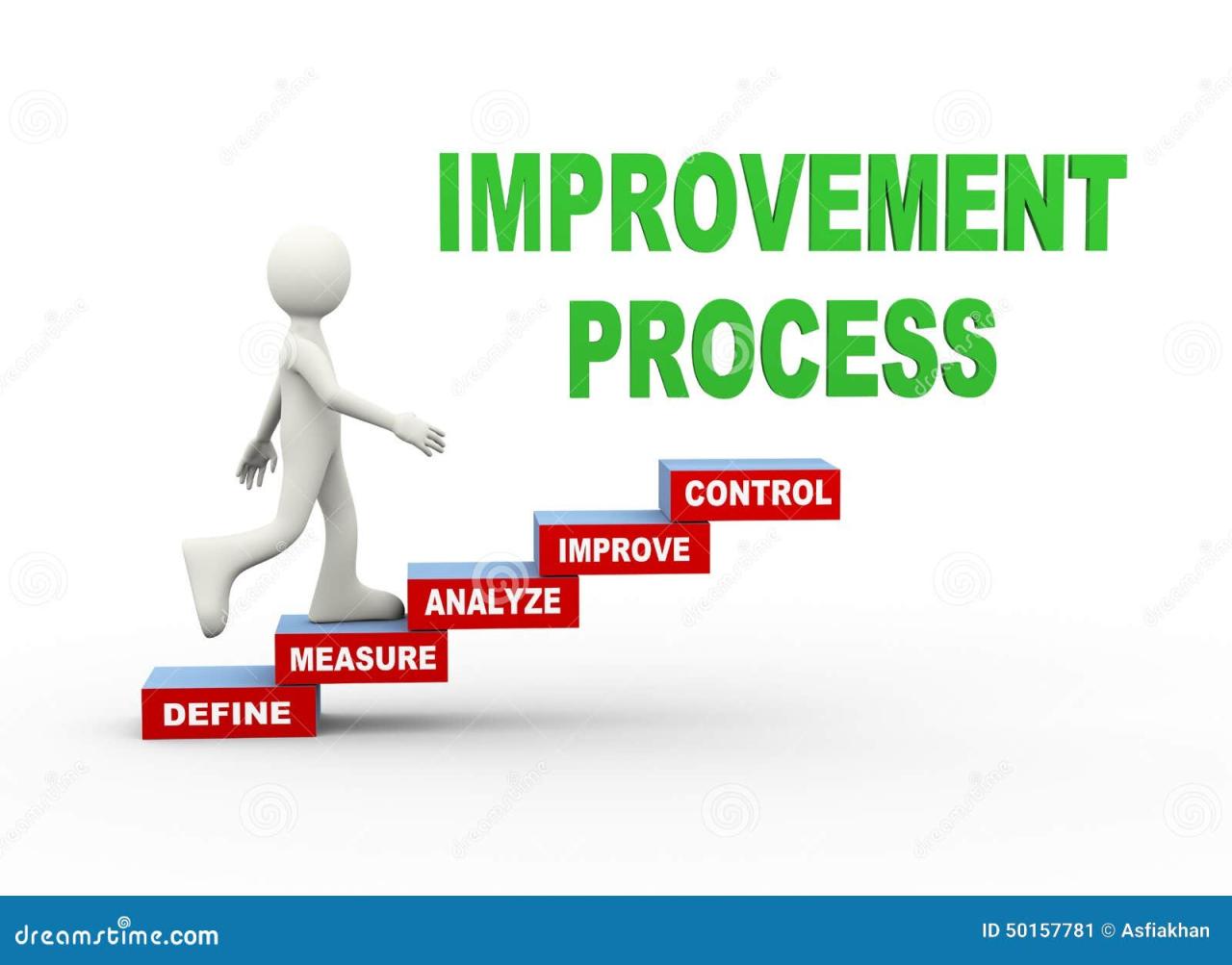
Integrating various complementary practices alongside meditation can significantly enhance mental health by promoting relaxation, reducing stress, and fostering emotional resilience. Techniques such as yoga, deep breathing exercises, and progressive muscle relaxation each offer unique benefits that, when combined with regular meditation, create a comprehensive approach to mental well-being. Understanding how to effectively incorporate these practices can lead to more sustained and profound mental health improvements.
These practices complement meditation by targeting different aspects of the mind and body, thereby amplifying the calming effects and providing additional tools to manage anxiety, depression, and daily stressors. Proper integration requires awareness of each method’s procedures and benefits, as well as strategic planning to include them seamlessly into one’s routine.
Integration of Yoga, Deep Breathing Exercises, and Progressive Muscle Relaxation
Supporting mental health through complementary practices involves combining yoga, deep breathing exercises, and progressive muscle relaxation into a cohesive routine. Each of these methods can be tailored to complement meditation sessions, creating an environment conducive to mental clarity and emotional stability.
Integrating these practices not only enhances the physical and mental benefits of meditation but also provides multiple avenues for stress relief and emotional balance. For example, practicing yoga before meditation can warm up the body and prepare the mind for deeper stillness, while deep breathing exercises can be used during meditation to deepen focus. Progressive muscle relaxation can serve as a preparatory step to reduce physical tension, making the subsequent meditation more effective.
Comparison Table of Complementary Practices
The following table summarizes the key benefits, procedures, and ideal usage contexts for each complementary practice to aid in selecting suitable methods for mental health support.
| Practice | Benefits | Procedures | Ideal Usage Context |
|---|---|---|---|
| Yoga | Enhances flexibility, promotes physical and mental balance, reduces anxiety, improves mood | Perform a series of postures and breathing exercises, focusing on mindful movement and breath control | Pre-meditation warm-up, evening relaxation, or stress reduction sessions |
| Deep Breathing Exercises | Reduces stress hormones, promotes relaxation, improves oxygen flow, calms the nervous system | Practice slow, diaphragmatic breaths, focusing on inhalation and exhalation for several minutes | During meditation, stress episodes, or as a quick calming technique throughout the day |
| Progressive Muscle Relaxation | Reduces physical tension, improves sleep, decreases anxiety, enhances body awareness | Tense and relax muscle groups systematically, starting from the feet and moving upward | Before meditation, at bedtime, or during periods of high stress to ease physical discomfort |
Procedures for Combining Complementary Practices with Meditation
Effective integration involves timing and sequence to maximize benefits. For instance, starting a session with yoga can warm the body and foster a mindful mindset, making the subsequent meditation more focused and effective. Following yoga with deep breathing exercises can deepen relaxation and prepare the mind for silent contemplation.
Similarly, incorporating progressive muscle relaxation immediately before meditation can release physical tension, reducing distractions and facilitating deeper states of mindfulness. It is recommended to allocate a specific portion of the routine for each practice, ensuring that transitions are smooth and that each activity complements the next.
Practitioners often find it beneficial to dedicate 10-15 minutes to each practice within their routine. For example, a session could begin with gentle yoga poses, followed by focused deep breathing, then progressive muscle relaxation, and finally, a period of seated meditation. This layered approach enhances overall mental health by simultaneously addressing physical tension and fostering mental calmness.
Closing Summary

In summary, incorporating meditation into your daily routine can serve as a powerful tool for improving mental health and overall quality of life. Through consistent practice, creating a conducive environment, and exploring various techniques, you can unlock a calmer, more focused, and resilient mind. Embrace these methods to foster lasting mental well-being and enjoy the numerous benefits that meditation offers.