Learning how to sleep better during depression is essential for enhancing overall health and quality of life. Sleep disturbances are common among individuals experiencing depression, often exacerbating emotional and physical symptoms. Understanding effective strategies can empower individuals to improve their sleep patterns and manage their condition more effectively.
This guide explores practical approaches, including establishing routines, optimizing sleep environments, and incorporating relaxation techniques, to help navigate sleep challenges associated with depression. Implementing these methods can lead to a more restful night and a brighter outlook during difficult times.
Understanding the Impact of Depression on Sleep Patterns
Depression is a complex mental health condition that significantly influences sleep behaviors and quality. Recognizing the ways in which depression affects sleep is essential for developing effective strategies to improve sleep health and overall well-being. Sleep disturbances are among the most common symptoms experienced by individuals with depression, often exacerbating emotional and physical challenges.
Research indicates a strong bidirectional relationship between depression and sleep problems. Poor sleep can contribute to the onset and severity of depression, while depression itself can disrupt normal sleep architecture. Understanding these interactions helps in tailoring interventions that address both mood and sleep disturbances simultaneously.
How Depression Influences Sleep Cycles and Quality
Depression impacts the regulation of sleep architecture, leading to disruptions in the typical sleep cycle. Normal sleep involves alternating between REM (Rapid Eye Movement) and NREM (Non-Rapid Eye Movement) stages, which are vital for restorative processes. Depression can alter this balance, resulting in fragmented sleep and reduced sleep efficiency.
Individuals experiencing depression often report difficulty initiating sleep, frequent awakenings during the night, and early morning awakenings. These disturbances compromise the restorative quality of sleep, leading to daytime fatigue, impaired concentration, and worsened mood. Neurochemical changes associated with depression, such as imbalances in serotonin, norepinephrine, and dopamine, influence sleep regulation and contribute to these disruptions.
Common Sleep Disturbances Associated with Depression
Numerous sleep-related issues are prevalent among those suffering from depression. These disturbances not only hinder restful sleep but can also perpetuate the cycle of depression, creating a challenging feedback loop. Understanding these common disturbances helps in the identification and management of sleep problems within depressive contexts.
The most frequently observed sleep disturbances in depression include:
- Insomnia: Difficulties falling asleep, staying asleep, or experiencing non-restorative sleep are hallmark features. Insomnia affects approximately 60-90% of individuals with depression, making it one of the most common comorbid conditions.
- Hypersomnia: Excessive sleepiness and prolonged sleep durations are less common but still notable, affecting about 15-20% of depressed individuals. This form of sleep disturbance often correlates with atypical depression subtypes.
- Altered REM Sleep Patterns: Depression often leads to increased REM density and shortened latency to REM onset, meaning individuals enter REM sleep more quickly and have more intense REM activity. These changes are associated with mood regulation and emotional processing deficits.
- Fragmented Sleep: Frequent awakenings and difficulty maintaining continuous sleep are typical, contributing to overall sleep deprivation and daytime impairment.
According to data from the National Sleep Foundation, around 50% of those diagnosed with depression also report significant sleep disturbances. Studies suggest that untreated sleep problems can double the risk of depression relapse and hinder recovery, emphasizing the importance of addressing sleep issues alongside mood symptoms.
Establishing a Consistent Sleep Routine During Depression
Maintaining a regular sleep routine is a vital component in managing sleep disturbances associated with depression. Consistency helps regulate the body’s internal clock, leading to improved sleep quality and overall well-being. Developing and adhering to a structured sleep schedule can be challenging but is achievable with intentional planning and gradual adjustments.
Implementing a stable sleep routine involves setting specific times for going to bed and waking up, even on weekends. This consistency helps reinforce the body’s natural circadian rhythm, reducing irregularities that often accompany depressive episodes. Over time, a predictable sleep pattern can contribute to enhanced mood stability, increased energy levels, and better mental health management.
Creating and Maintaining a Regular Sleep Schedule
Establishing a consistent sleep routine begins with choosing a suitable time to sleep and wake that aligns with your daily commitments and natural preferences. It is essential to commit to this schedule daily, including weekends, to reinforce circadian regulation. Consistency may initially be difficult due to feelings of fatigue or irregular energy levels, but perseverance is key.
Adherence to a fixed schedule can be supported by incorporating relaxing pre-sleep rituals, minimizing screen time before bed, and creating a sleep-conducive environment. Avoiding stimulants such as caffeine late in the day and limiting naps can further aid in maintaining a steady sleep pattern. Over time, these habits help the body associate specific cues with sleep, making it easier to fall asleep and wake refreshed.
Adjusting Bedtime and Wake Time Gradually
For individuals experiencing difficulty aligning their sleep schedule with their desired routine, gradual adjustments are recommended. Sudden changes can disrupt sleep and exacerbate depressive symptoms, so small, incremental shifts are preferable.
Adjust your bedtime and wake time by no more than 15 to 30 minutes every few days. For example, if you tend to sleep late and wake up later, aim to go to bed 15 minutes earlier and wake 15 minutes earlier every few days until the target schedule is achieved. Consistency during these adjustments helps prevent confusion within the circadian rhythm and promotes easier adaptation.
Example: If your current sleep time is 1:00 AM and wake time is 9:00 AM, gradually shift to a 11:30 PM sleep time and 7:30 AM wake time over two weeks by adjusting 15 minutes every three days.
Sample Weekly Sleep Routine Plan
Below is a structured example of a weekly sleep routine that balances consistency and flexibility, especially important during depression. This plan emphasizes regular sleep and wake times, with notes on specific considerations.
| Day | Sleep Time | Wake Time | Notes |
|---|---|---|---|
| Monday | 11:30 PM | 7:30 AM | Maintain consistent timing; avoid late-night screen use |
| Tuesday | 11:30 PM | 7:30 AM | Engage in relaxing activity before bed, such as reading |
| Wednesday | 11:30 PM | 7:30 AM | Limit caffeine intake after 2 PM |
| Thursday | 11:30 PM | 7:30 AM | Maintain sleep environment—dark, cool, and quiet |
| Friday | 11:30 PM | 7:30 AM | Consider gentle stretching or meditation before sleep |
| Saturday | 11:30 PM | 7:30 AM | Allow slight variation if social plans require |
| Sunday | 11:30 PM | 7:30 AM | Prepare for upcoming week with consistent routine |
Creating a Sleep-Conducive Environment

Establishing a bedroom setting that promotes restful sleep is essential, especially during periods of depression when sleep disturbances are common. A well-designed sleep environment can significantly enhance sleep quality by minimizing disruptions and creating a sense of comfort and safety. Attention to the physical conditions of your bedroom can help regulate your sleep-wake cycle and reduce anxiety related to bedtime.
Optimizing your bedroom environment involves adjusting factors such as light, noise, temperature, and comfort to support natural sleep patterns. Small modifications can lead to noticeable improvements in sleep quality, helping to alleviate some symptoms of depression and foster a more restorative rest.
Factors that Influence Sleep Environment
Creating a space that is quiet, dark, and cool is fundamental for improving sleep during depression. These elements help signal to your body that it is time to rest, reducing the likelihood of interruptions and enhancing sleep efficiency. Ensuring your bedroom environment aligns with these principles can make a meaningful difference in achieving consistent, quality sleep.
Optimizing Bedroom Conditions to Improve Sleep
To cultivate an ideal sleep environment, consider the following guidelines:
- Minimize Noise: Use earplugs or white noise machines to block out disruptive sounds, especially if you live in a noisy area or share your space with others.
- Control Light: Employ blackout curtains or sleep masks to eliminate light exposure, which can interfere with melatonin production and delay sleep onset.
- Set a Cool Temperature: Maintain the bedroom temperature between 60-67°F (15-19°C). Cooler environments promote better sleep by helping your body reach and stay in a restful state.
- Ensure Comfort: Invest in a supportive mattress and comfortable pillows to provide physical comfort, reducing discomfort and unnecessary awakenings during the night.
- Declutter and Clean: Keep the bedroom tidy and clutter-free to reduce stress and create a calming atmosphere conducive to sleep.
Essential Items and Modifications for a Sleep-Friendly Environment
Implementing specific items and adjustments can significantly enhance your sleep environment. These include:
- Blackout Curtains or Sleep Masks: Block out external light sources to support natural melatonin production.
- White Noise Machines or Fans: Mask disruptive sounds, creating a consistent auditory environment that promotes uninterrupted sleep.
- Adjustable Thermostats or Fans: Maintain a cool room temperature that aligns with optimal sleep conditions.
- Supportive Bedding: Use high-quality mattresses and pillows tailored to your comfort preferences.
- Dark Shades and Window Coverings: Ensure windows are covered adequately to eliminate early morning light or street illumination.
- Clutter-Free Space: Keep the bedroom organized to foster a sense of tranquility and reduce pre-sleep anxiety.
“A sleep-friendly environment is the foundation for restful nights, especially when managing depression. Small changes can make a significant difference in your overall sleep health.”
Incorporating Mindfulness and Relaxation Techniques
Integrating mindfulness and relaxation exercises into daily routines can significantly enhance sleep quality for individuals experiencing depression. These practices help to calm the mind, reduce physiological arousal, and ease the transition into restful sleep. Establishing a consistent routine that includes relaxation techniques can serve as a powerful tool in managing sleep disturbances associated with depression.
By actively engaging in mindfulness and relaxation, individuals can better manage anxiety, intrusive thoughts, or racing minds that often interfere with sleep. These techniques foster a state of mental tranquility and physical relaxation, which are essential components for initiating and maintaining restorative sleep cycles.
Relaxation Exercises and Their Benefits
Different relaxation methods can be employed based on personal preference, lifestyle, and specific sleep challenges. Understanding the distinct features and steps involved in each technique allows individuals to select the most suitable approaches for their needs.
| Relaxation Method | Benefits | Steps |
|---|---|---|
| Deep Breathing | Reduces anxiety, lowers heart rate, and promotes a sense of calm |
|
| Progressive Muscle Relaxation (PMR) | Relieves physical tension, enhances body awareness, reduces stress |
|
| Meditation | Enhances emotional regulation, reduces rumination, facilitates sleep onset |
|
Impact of Mindfulness Practices on Anxiety and Sleep
Mindfulness practices, including meditation and focused breathing, help to ground individuals in the present moment, reducing rumination over past events or worry about future concerns. This mental shift mitigates anxiety, which is often heightened in depression and hampers sleep initiation and maintenance. Regular engagement in these activities fosters a sense of control over one’s mental state, decreasing physiological stress responses and promoting relaxation conducive to sleep.
“Consistent mindfulness practice can decrease the hyperarousal state that interferes with sleep, making it easier to fall asleep and stay asleep throughout the night.”
Managing Stimulating Activities and Screen Time Before Bed

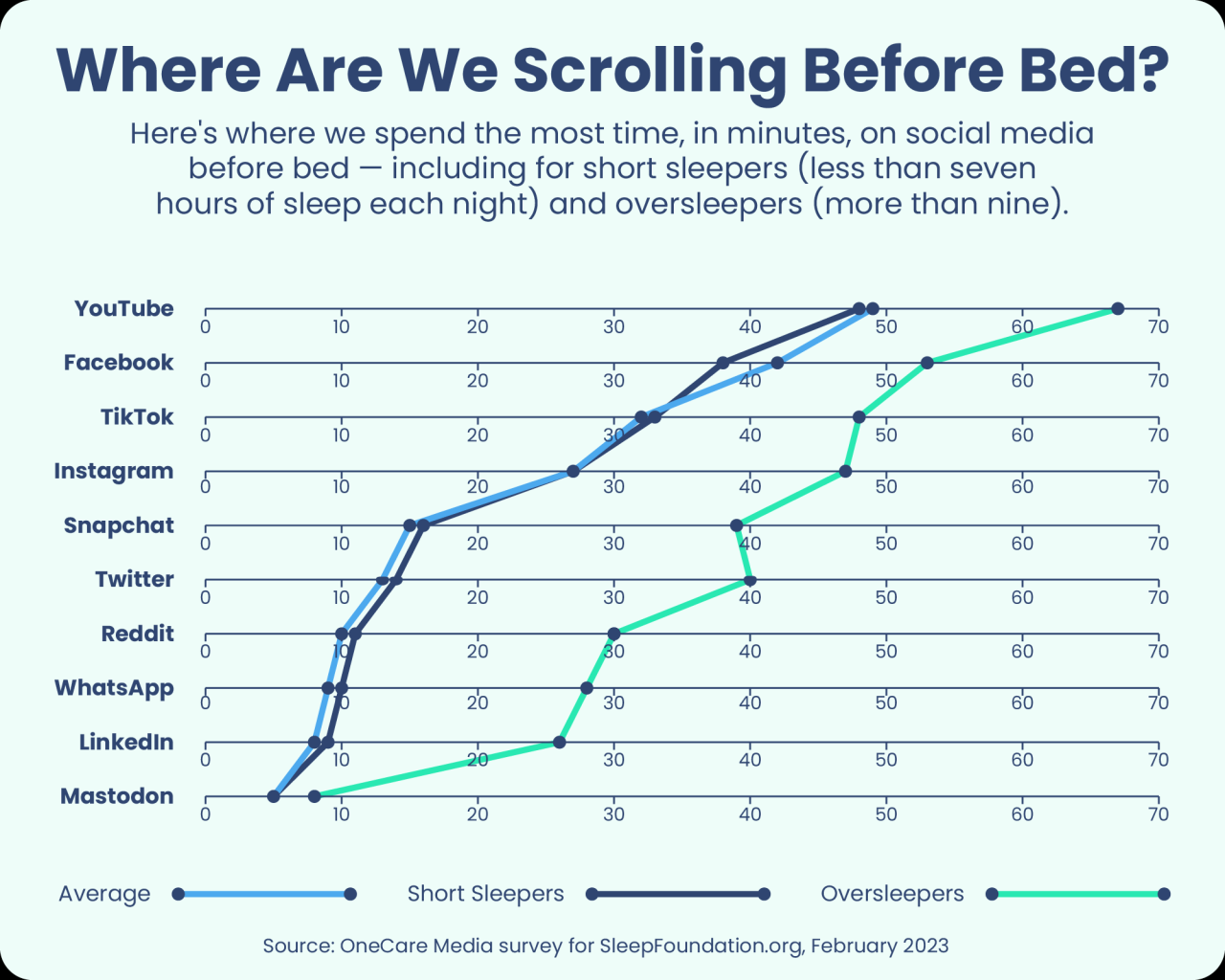
For individuals experiencing depression, establishing healthy pre-sleep habits is crucial for improving sleep quality. One of the key factors influencing sleep is the engagement in stimulating activities and the use of electronic devices close to bedtime. Understanding how these activities impact sleep can help in making informed adjustments to evening routines, fostering a more restful night.
Stimulating activities and exposure to screen time before sleep can significantly interfere with the body’s natural ability to wind down. The blue light emitted by screens suppresses the production of melatonin, a hormone essential for regulating sleep-wake cycles. Additionally, mentally engaging activities such as intense work, vigorous exercise, or emotionally charged conversations can elevate alertness levels, making it harder to transition into restful sleep.
For individuals with depression, who may already struggle with disrupted sleep patterns, minimizing such stimulation is especially important to establish a calming pre-sleep environment.
Effects of Blue Light and Stimulating Activities on Sleep Quality
The pervasive use of smartphones, tablets, and computers introduces blue light exposure in the hours leading up to bedtime. This light suppresses melatonin secretion, delaying sleep onset and reducing overall sleep quality. Moreover, stimulating activities like watching fast-paced television shows, playing video games, or engaging in vigorous exercise elevate adrenaline and cortisol levels, which can prolong the time it takes to fall asleep.
Over time, these disruptions can deepen sleep problems and exacerbate depressive symptoms, creating a cycle that hampers mental and physical health.
Procedures to Reduce Screen Exposure at Least One Hour Before Bedtime
Implementing a routine to decrease screen time before sleep involves deliberate planning and mindful habits. The following procedures can assist in transitioning away from electronic devices and promoting relaxation:
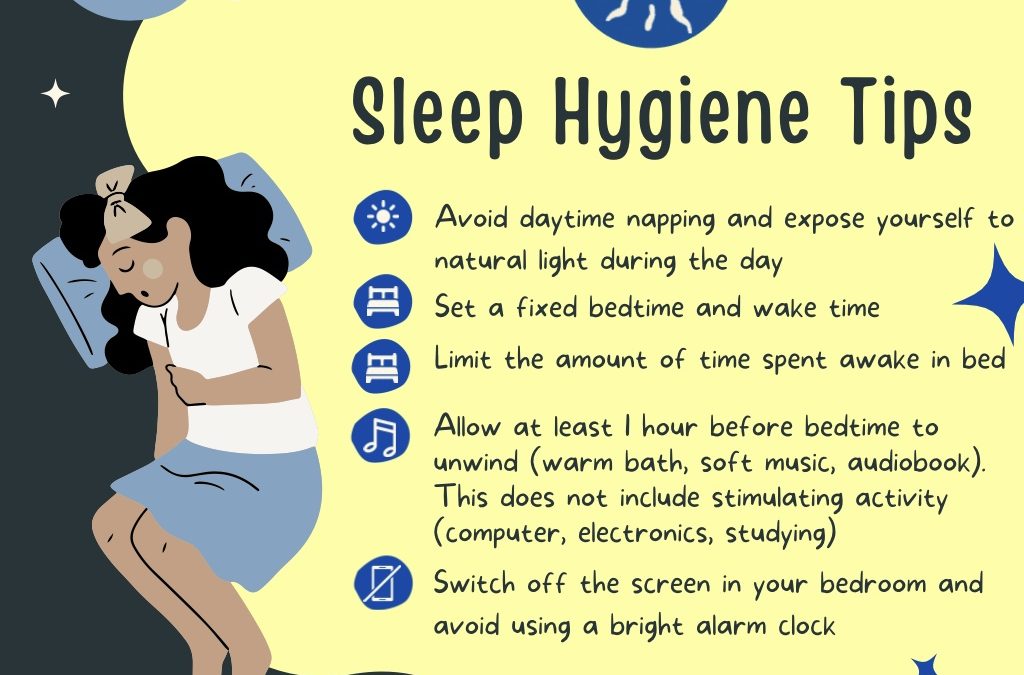
- Set a fixed “technology curfew” at least one hour before bedtime. Turn off all screens—smartphones, tablets, computers, and TVs—by this time to minimize blue light exposure.
- Charge devices outside the bedroom or in a different room to avoid temptation and reduce the likelihood of late-night usage.
- Use “night mode” or blue light filter settings on devices during the evening hours if screen use cannot be entirely avoided, though this should not replace complete device abstention close to bedtime.
- Establish a wind-down period that involves relaxing activities instead of screen engagement, signaling to your body that it’s time to prepare for sleep.
- Inform family or housemates about your routine change to ensure support and accountability in maintaining the designated screen-free window.
Alternative Calming Activities to Replace Screen Time in the Evening
Replacing stimulating screen activities with calming routines can greatly enhance the ability to fall asleep more easily. Below are some effective alternatives that help soothe the mind and body, encouraging a peaceful transition into sleep:
- Reading a physical book or magazine with soft lighting, avoiding stimulating or emotionally charged content.
- Practicing gentle stretching or restorative yoga to release physical tension accumulated during the day.
- Engaging in deep breathing exercises or progressive muscle relaxation to calm the nervous system.
- Listening to calming music, nature sounds, or white noise to create a soothing auditory environment.
- Writing in a journal to process thoughts and reflect on the day, which can promote mental clarity and reduce bedtime rumination.
- Doing mindfulness meditation or guided imagery to foster a state of relaxation and presence.
Creating a consistent and calming pre-sleep routine free from stimulating activities and blue light exposure can significantly improve sleep quality for individuals managing depression, supporting overall mental health and well-being.
Addressing Anxiety and Negative Thoughts That Disrupt Sleep
Sleep disturbances during depression are often compounded by anxiety and persistent negative thoughts that can interfere with the ability to relax and fall asleep. Recognizing and managing these mental hurdles is essential for improving sleep quality and overall mental health. By understanding how anxiety manifests and implementing targeted strategies to challenge negative thinking, individuals can create a more peaceful mental environment conducive to restful sleep.
This section explores common triggers, effective thought organization techniques, and practical exercises to facilitate cognitive restructuring before bedtime.
Identifying Anxiety Triggers Related to Depression Affecting Sleep
Anxiety during depression commonly stems from worries about the future, feelings of guilt or hopelessness, concerns over personal safety, or rumination about past events. These triggers often lead to an overactive mind at night, making it difficult to relax and transition into sleep. Recognizing specific triggers is a vital step in addressing them, as it allows individuals to develop tailored coping strategies.
Common anxiety-provoking thoughts include fears of failure, social rejection, health worries, or financial concerns, which tend to intensify during nighttime quiet moments when the mind has fewer distractions.
Strategies to Organize and Challenge Negative Thoughts Before Bed
Effectively managing negative thoughts involves both organizing them and actively challenging their validity. Implementing a mental routine before sleep can help reduce rumination and foster a calmer mindset. This includes journaling worries to externalize them, prioritizing tasks to prevent overthinking, and practicing cognitive techniques such as thought restructuring. It is crucial to distinguish between realistic concerns and catastrophic thinking, replacing exaggerated fears with balanced perspectives.
Engaging in these practices regularly fosters resilience against intrusive thoughts and promotes a sense of mental clarity at bedtime.
Cognitive Restructuring Exercise for Sleep Optimization
Cognitive restructuring is a core component of cognitive-behavioral techniques aimed at modifying unhelpful thought patterns. Performing a structured exercise before sleep can significantly reduce anxiety and negative rumination. The following example provides a practical script for this purpose:
“Notice the anxious thought or negative belief that is keeping you awake. Ask yourself, ‘Is this thought based on facts or assumptions?’ Then, challenge its validity by considering alternative, more balanced perspectives. For example, if you think, ‘I’ll never get better,’ reframe it as, ‘Recovery takes time, and I am making progress each day.’ Repeat this process for each distressing thought, and remind yourself that worrying excessively does not change the outcome. Focus on the present moment and reassure your mind that you are doing your best to rest and heal.'”
This exercise encourages a mindful detachment from distressing beliefs, empowering individuals to cultivate a calmer mental state conducive to sleep. Practicing such cognitive techniques consistently can lead to a reduction in nighttime anxiety, ultimately supporting better sleep during periods of depression.
Nutritional and Lifestyle Factors Influencing Sleep During Depression
Sleep disturbances during depression are often compounded by nutritional choices and lifestyle habits that can either hinder or support restorative sleep. Understanding how diet, caffeine consumption, and substance use affect sleep quality is essential for developing effective strategies to promote better rest. Additionally, implementing mindful routines and making targeted lifestyle modifications can significantly improve sleep patterns and overall well-being for individuals experiencing depression.
Proper management of nutritional and lifestyle factors can help stabilize mood, reduce anxiety, and establish a more restful sleep cycle. By paying attention to these elements, individuals can create an environment conducive to healing and recovery, fostering healthier habits that support mental health and sleep quality.
Impact of Diet, Caffeine, and Substance Use on Sleep Quality
The foods we consume and substances we use can profoundly influence sleep patterns, especially during depression when the body’s regulatory systems are already compromised. Diets high in processed foods, sugar, and saturated fats may lead to inflammation and mood swings, disrupting sleep cycles. Conversely, nutrient-rich foods containing magnesium, tryptophan, and omega-3 fatty acids can promote relaxation and improve sleep quality.
Caffeine is a well-known stimulant that can interfere with the ability to fall asleep and reduce sleep efficiency. Consuming caffeine late in the day, even several hours before bedtime, can lead to difficulty initiating sleep or fragmented sleep during the night. Substance use, including alcohol and recreational drugs, can initially induce sleep but often results in poor sleep quality, increased awakenings, and altered sleep architecture, which can exacerbate depressive symptoms.
Routines for Meal Planning and Timing to Support Restful Sleep
Establishing consistent meal routines and timing is crucial for regulating the body’s internal clock and supporting circadian rhythms conducive to quality sleep. Regular meal schedules help stabilize blood sugar levels and reduce nocturnal awakenings caused by hunger or blood sugar fluctuations. It is recommended to avoid large, heavy meals close to bedtime, as digestion can interfere with sleep onset and continuity.
Incorporating a balanced dinner at least 2-3 hours before sleep, with easily digestible foods rich in sleep-promoting nutrients, can enhance sleep quality. Small, healthy snacks containing complex carbohydrates or tryptophan-rich foods prior to bedtime may facilitate the production of sleep-inducing hormones like serotonin and melatonin.
Lifestyle Modifications and Habits for Better Sleep
Adopting specific lifestyle modifications can create a supportive environment for restful sleep. The following habits are particularly beneficial:
- Maintaining a regular sleep-wake schedule, even on weekends, to reinforce the body’s natural circadian rhythm.
- Limiting caffeine intake, especially after early afternoon, to prevent interference with sleep onset.
- Avoiding alcohol consumption close to bedtime, as it can disrupt sleep stages and cause awakening during the night.
- Engaging in regular physical activity during the day, which helps to promote sleepiness at night but avoiding vigorous exercise close to bedtime.
- Ensuring proper hydration during the day, while reducing fluid intake an hour before bed to minimize nocturnal awakenings due to the need to urinate.
- Reducing exposure to stimulating activities and bright screens in the evening hours to facilitate the natural onset of melatonin production.
Incorporating these lifestyle modifications, along with mindful dietary choices, can significantly improve sleep quality and contribute to better mental health outcomes during depression. Consistency in these habits reinforces positive sleep patterns and supports overall emotional resilience.
When to Seek Professional Help for Sleep Difficulties During Depression
Experiencing persistent sleep difficulties during depression is common, but recognizing when these issues require professional intervention is crucial for effective management. While some sleep disturbances may improve with self-help strategies, others may signal a more serious underlying problem. Knowing the appropriate signs and understanding available treatment options ensures timely and appropriate care, ultimately supporting better mental health and sleep quality.
Identifying the need for professional help involves being attentive to specific symptoms and changes in sleep patterns that do not respond to initial self-care efforts. Consulting healthcare providers can facilitate access to tailored treatments and support, helping individuals regain restful sleep and improve their overall well-being during depressive episodes.
Signs Indicating the Need for Medical or Therapeutic Intervention
Recognizing the signs that suggest sleep difficulties warrant professional assessment can prevent worsening mental health and physical exhaustion. The following symptoms should prompt individuals to seek expert guidance:
- Persistent insomnia: Difficulty falling asleep or staying asleep lasting for several weeks, despite efforts to improve sleep hygiene.
- Significant daytime impairment: Excessive fatigue, difficulty concentrating, or decreased productivity impacting daily activities.
- Worsening depression symptoms: Increased feelings of hopelessness, irritability, or suicidal thoughts associated with poor sleep quality.
- Physical health issues: Unexplained weight changes, frequent headaches, or other health problems linked to chronic sleep deprivation.
- Sleep disruptions with abnormal behaviors: Experiences of sleepwalking, night terrors, or REM sleep behavior disorder.
- Use of sleep aids without improvement: Reliance on medications or substances that do not yield lasting benefits or cause adverse effects.
Potential Treatments or Therapies for Sleep Difficulties in Depression
Effective management of sleep issues during depression often involves a combination of therapeutic approaches tailored to individual needs. These treatments aim to address both sleep disturbances and underlying depressive symptoms:
- Psychotherapy: Cognitive Behavioral Therapy for Insomnia (CBT-I) has proven highly effective in treating chronic sleep difficulties. It helps modify negative thoughts and behaviors related to sleep, promoting healthier sleep patterns.
- Pharmacological interventions: When appropriate, healthcare providers may prescribe medications such as antidepressants with sedative properties or short-term use of sleep aids. These are usually combined with therapy to minimize dependence risk.
- Addressing comorbid conditions: Managing co-occurring disorders like anxiety or chronic pain can significantly improve sleep quality.
- Sleep studies and specialist assessments: In cases of suspected sleep disorders such as sleep apnea or restless leg syndrome, sleep studies can provide diagnostic clarity and guide targeted treatments.
Guidelines for Communicating Sleep Issues Effectively with Healthcare Providers
Providing clear, comprehensive information to healthcare professionals enhances diagnosis and treatment planning. Effective communication involves:
- Keeping a sleep diary: Document sleep and wake times, nighttime awakenings, perceived sleep quality, and any factors influencing sleep. This record offers valuable insights for clinicians.
- Describing sleep patterns and difficulties: Clearly articulate specific issues such as difficulty falling asleep, waking frequently, or early morning awakenings, alongside their duration and impact.
- Sharing related symptoms: Mention other mental health symptoms, medication use, substance intake, and lifestyle factors that may influence sleep.
- Discussing previous treatments: Provide information on any prior interventions, their outcomes, and any side effects experienced.
Open and honest communication with healthcare providers fosters accurate diagnosis and personalized treatment strategies, promoting better sleep and overall mental health during depression.
Final Thoughts
In summary, improving sleep during depression involves a combination of consistent routines, environmental adjustments, mindfulness practices, and lifestyle modifications. Recognizing when to seek professional support is also crucial for persistent sleep difficulties. Taking proactive steps can significantly contribute to better mental health and overall well-being.