Understanding how to manage anger with breathing offers valuable insights into mastering emotional regulation and fostering inner calm. Breathing techniques serve as powerful tools that can significantly influence our physiological and psychological responses during moments of tension or frustration.
This article explores the vital connection between breathing and anger management, providing practical methods and strategies to incorporate controlled breathing into everyday life for improved emotional resilience and well-being.
Understanding the Connection Between Breathing and Anger Management
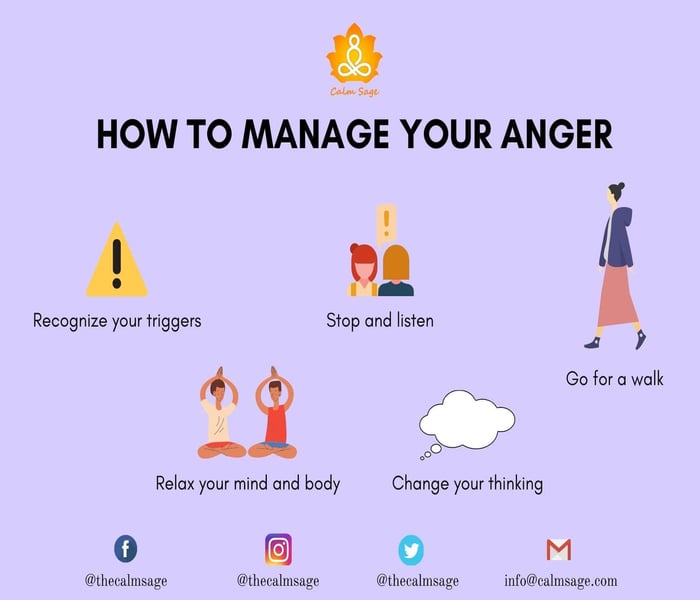
Effective anger management often hinges on our ability to regulate emotional responses, and one of the most accessible and powerful tools in this regard is conscious breathing. The way we breathe influences our physiological state, which in turn impacts our emotional regulation, especially during moments of heightened anger. Recognizing this connection allows individuals to harness their breath as a means to maintain composure and respond more thoughtfully in challenging situations.
Breathing is intrinsically linked to the autonomic nervous system, which controls involuntary functions such as heart rate and stress responses. When an individual experiences anger, the sympathetic nervous system activates, leading to rapid, shallow breathing and physical tension. By consciously controlling breathing patterns, particularly through deep and slow breaths, it is possible to stimulate the parasympathetic nervous system, which promotes relaxation and emotional stability.
This physiological modulation helps decrease the intensity of anger and restores a sense of calm.
Physiological Effects of Controlled Breathing on the Nervous System
Controlled breathing influences the nervous system through several key mechanisms that facilitate emotional regulation:
- Activation of the Parasympathetic Nervous System: Slow, deep breaths stimulate this branch of the autonomic nervous system, which counters the fight-or-flight response associated with anger, thereby calming the body.
- Reduced Heart Rate and Blood Pressure: Deep breathing lowers heart rate and blood pressure levels, which are typically elevated during anger episodes, leading to a decrease in physiological arousal.
- Decreased Levels of Stress Hormones: Controlled breathing can reduce the secretion of adrenaline and cortisol, hormones responsible for stress and aggressive impulses.
- Enhanced Vagal Tone: Deep breathing increases vagal activity, promoting emotional resilience and better regulation of negative emotions such as anger.
Overall, these physiological changes foster a state of relaxation, making it easier to manage emotional reactions and maintain composure amid provoking circumstances.
Comparison Between Shallow and Deep Breathing in Anger Situations
Understanding the differences between shallow and deep breathing is essential for effective anger management. Each breathing pattern has distinct physiological effects that significantly influence emotional responses:
| Aspect | Shallow Breathing | Deep Breathing |
|---|---|---|
| Breathing Depth | Limited lung expansion, primarily in the upper chest | Full lung expansion, engaging the diaphragm |
| Breathing Rate | Rapid and irregular | Slow and controlled |
| Physiological Effects | Activates sympathetic nervous system, heightening stress and agitation | Stimulates parasympathetic nervous system, promoting relaxation |
| Impact on Emotions | Intensifies feelings of anger and frustration | Reduces emotional intensity, fostering calmness |
| Practical Usage in Anger Situations | Often ineffective in calming down quickly, may escalate tension | Effective in de-escalating anger and regaining control |
Controlled breathing acts as a bridge between physiological responses and emotional states, making it a vital skill in managing anger effectively.
Techniques for Managing Anger with Breathing
Effective anger management often involves controlling physiological responses, with breathing exercises playing a central role. These techniques help individuals calm their nervous system, reduce heightened emotional states, and foster a sense of control during moments of intense anger. Implementing structured breathing practices can significantly improve emotional regulation and promote a more composed response to challenging situations.
Below, we explore step-by-step instructions for diaphragmatic breathing, introduce a visual guide organizing different breathing techniques, and compare their advantages and disadvantages through a comprehensive table. These tools serve as practical resources to integrate into daily routines or during moments of anger escalation, empowering individuals to manage their emotions more effectively.
Diaphragmatic Breathing Exercises
Diaphragmatic breathing, also known as belly breathing, is a foundational technique that encourages deep, full breaths, engaging the diaphragm muscle to maximize oxygen intake and promote relaxation. This method is particularly effective in reducing the physiological symptoms of anger, such as rapid heartbeat and muscle tension.
- Find a comfortable seated or lying position in a quiet environment, ensuring your back is straight to facilitate proper diaphragm movement.
- Place one hand on your chest and the other on your abdomen, just below your ribcage.
- Inhale slowly through your nose, focusing on directing the breath so that the air fills your abdomen rather than your chest. You should feel your abdomen rise while your chest remains relatively still.
- Pause briefly at the top of the inhalation, usually for about two seconds.
- Slowly exhale through pursed lips or your nose, allowing your abdomen to gently fall as the air leaves your lungs.
- Repeat this cycle for 5 to 10 minutes, maintaining a steady, even pace to deepen relaxation and calmness.
Practicing diaphragmatic breathing regularly can help you develop an automatic response to anger, enabling quicker emotional regulation when faced with provoking situations.
Visual Guide to Different Breathing Techniques
Understanding various breathing methods enhances one’s ability to choose the most suitable practice in specific contexts. Below is a visual organization of popular techniques, emphasizing their unique patterns and applications.
| Breathing Technique | Pattern/Steps | Key Focus |
|---|---|---|
| Box Breathing |
|
Enhances focus, fosters calmness, and stabilizes emotions. |
| 4-7-8 Breathing |
|
Induces relaxation and aids in reducing anger-induced physiological reactions. |
| Paced Respiration |
|
Promotes steady breathing, lowering stress and preventing escalation of anger. |
Pros and Cons of Breathing Techniques for Anger Management
Choosing the right breathing method depends on individual preferences and specific situational needs. The table below summarizes the advantages and potential limitations of each technique, assisting in making informed choices to effectively manage anger.
| Technique | Pros | Cons |
|---|---|---|
| Box Breathing |
|
|
| 4-7-8 Breathing |
|
|
| Paced Respiration |
|
|
Practical Strategies to Incorporate Breathing into Daily Anger Management
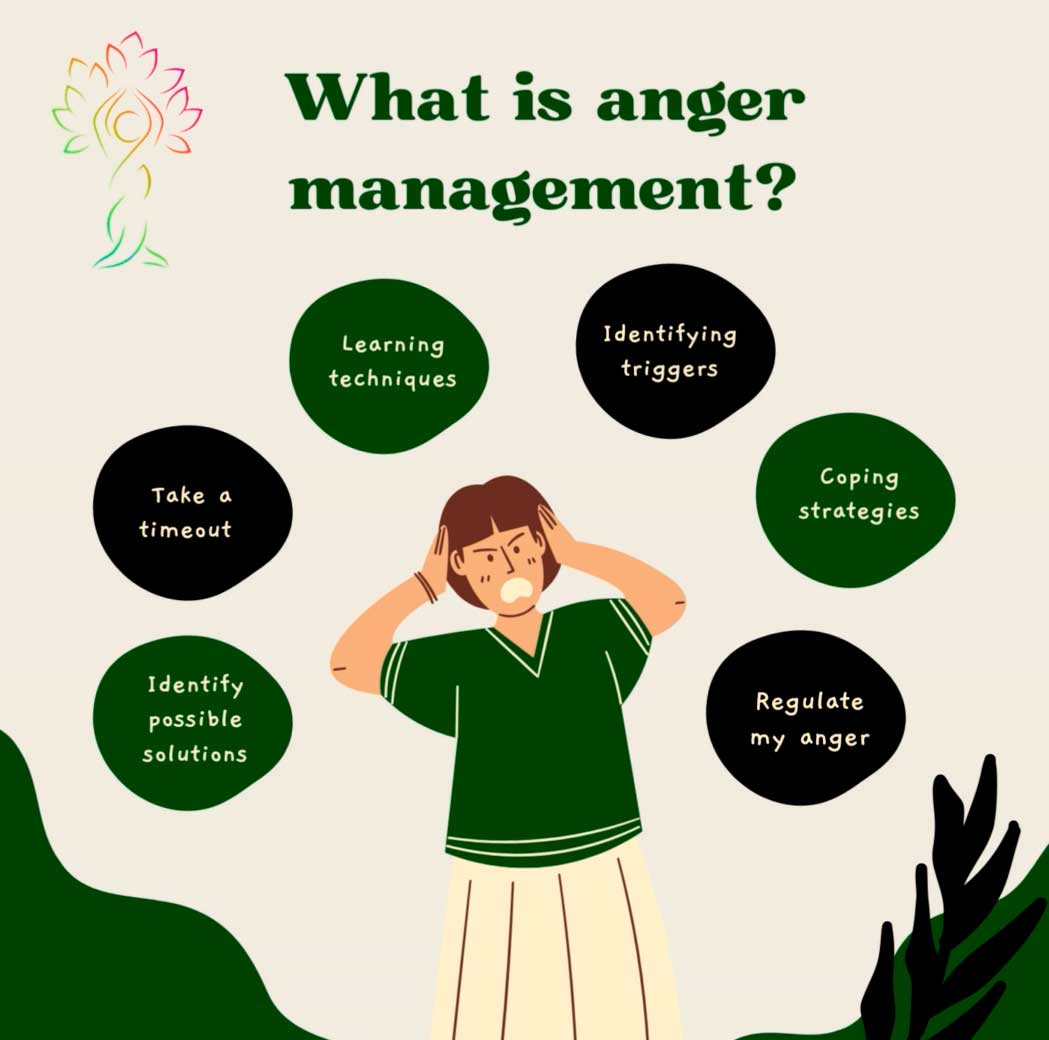
Managing anger effectively requires consistent practice and timely application of calming techniques. Incorporating breathing exercises into daily routines provides a sustainable method to regulate emotions proactively and reactively. Developing habits that embed these practices into everyday life can significantly reduce the frequency and intensity of anger episodes, fostering a greater sense of control and emotional resilience.Integrating breathing techniques into busy schedules and stressful moments involves deliberate planning and awareness.
It is essential to recognize specific triggers and use appropriate breathwork at those junctures. By establishing routines and cues, individuals can make breathing exercises an automatic response to agitation, preventing escalation and promoting calmness in both routine and high-pressure situations.
Scheduling and Routine Integration of Breathing Exercises
Establishing a structured daily schedule ensures consistency and reinforces the habit of breathing-based anger management. Consider the following example schedule to incorporate timed breathing practices effectively:
| Time of Day | Activity | Breathing Practice |
|---|---|---|
| Morning (upon waking) | Start the day with intentional breathing to set a calm tone |
|
| Mid-morning (before work/study) | Prepare mentally for the day |
|
| Afternoon (during lunch or break) | Relieve accumulated tension |
|
| Evening (before dinner or winding down) | Reflect and de-stress |
|
| Night (before sleep) | Enhance relaxation for restful sleep |
|
Timing and Contexts for Breathing During Anger Escalation
Recognizing when to switch to breathing techniques during moments of anger escalation is crucial for effective anger management. Breathing exercises serve as an immediate calming tool that can prevent reactive behaviors and facilitate cognitive reframing.Situations where switching to breathing techniques is advantageous include:
- When noticing physical signs of anger, such as increased heart rate, clenched fists, or tense shoulders
- At the initial perception of frustration or irritation, before emotions become overwhelming
- During heated exchanges or conflicts, to create a moment of pause and regain composure
- When experiencing recurring triggers that typically lead to anger, allowing preemptive calming measures
It is essential to be attentive to internal cues indicating rising anger levels. When these signs are detected, consciously adopting breathing exercises can interrupt the escalation process. For example, if a conversation begins to feel confrontational, taking a deliberate deep breath—even silently—can reduce adrenaline and cortisol levels, re-establish emotional control, and promote thoughtful responses.
Incorporating breathing techniques at the first sign of anger allows for a moment of pause, transforming reactive impulses into mindful reactions and fostering healthier interactions.
Creating a Calm Environment to Support Breathing Techniques
Establishing a tranquil and inviting space is essential for effective breathing exercises aimed at managing anger. A thoughtfully designed environment enhances relaxation, reduces distractions, and promotes a focused mindset necessary for calming breathing practices. When your surroundings are conducive to peace, it becomes easier to incorporate these techniques into daily routines and achieve a more stable emotional state.
A well-curated calming environment combines sensory elements, organization, and appropriate timing to foster mindfulness and relaxation. By intentionally setting up such a space, individuals create a sanctuary where practicing breathing techniques becomes a natural, comfortable, and sustainable part of anger management strategies.
Setting Up a Conducive Space for Practicing Anger Management Breathing
Creating an effective environment involves selecting a quiet, clutter-free area dedicated solely to relaxation and breathing exercises. This space should minimize external disturbances, such as noise or interruptions, enabling full concentration on the practice. To optimize comfort, consider elements like lighting, furniture, and temperature, which all contribute to a soothing atmosphere.
Incorporating calming tools and ambient settings can elevate the experience. These might include soft lighting, calming scents like lavender or chamomile, and comfortable seating or floor mats. Timing also plays a crucial role; establishing a regular schedule for practice—such as mornings or before bedtime—helps build consistency and reinforces the habit of using breathing techniques during moments of anger or stress.
| Calming Tools | Ambient Settings | Timing |
|---|---|---|
|
|
|
Creating a dedicated, serene space enhances the effectiveness of breathing techniques by fostering an environment that naturally encourages relaxation and mindfulness, making anger management efforts more successful.
Monitoring and Adjusting Breathing Techniques Over Time

Maintaining consistency and adapting breathing practices are essential components of effective anger management. As individuals progress, it becomes important to monitor their emotional responses and refine their techniques accordingly. This ongoing process ensures that breathing remains a powerful tool in managing anger effectively and sustainably.Effective management of anger through breathing requires regular tracking of emotional and physiological responses. By systematically observing how specific breathing exercises influence feelings of anger and overall emotional state, individuals can identify patterns and determine which techniques are most beneficial.
Adjustments may be necessary as emotional triggers evolve or as an individual’s physiological responses change over time.
Methods for Tracking Progress in Anger Management Through Breathing
Monitoring progress involves keeping a detailed record of emotional reactions, breathing patterns, and the effectiveness of techniques employed. Consistent documentation helps in recognizing improvements and pinpointing areas that need further attention. The following methods facilitate effective tracking:
- Emotion and Response Journals: Maintaining a daily journal to record instances of anger, the breathing techniques used, and the resulting emotional state. For example, noting whether calmness was achieved or if anger persisted.
- Breathing and Heart Rate Monitoring: Utilizing wearable devices or apps to track physiological indicators such as heart rate variability, which correlates with emotional regulation. A decreasing trend in heart rate during breathing exercises indicates improved control.
- Progress Charts and Logs: Creating visual representations of progress over time enhances motivation and awareness. These can be simple tables or graphs illustrating frequency and effectiveness of techniques.
Guidelines for Adjusting Breathing Practices Based on Emotional Responses
As emotional responses evolve, it is crucial to adapt breathing techniques to maintain their effectiveness. The following guidelines assist in making appropriate adjustments:
- Assess Immediate Effectiveness: After each session, evaluate whether the breathing method helped reduce anger or anxiety. If not, consider switching techniques or modifying parameters.
- Modify Breathing Depth and Pace: For heightened emotional states, slowing down the breath further or increasing inhale/exhale duration can promote deeper relaxation. Conversely, lighter breathing may be effective when feeling slightly irritated.
- Incorporate Additional Techniques: Combining breathing with other calming strategies, such as visualization or progressive muscle relaxation, can enhance outcomes especially during intense anger episodes.
- Seek Feedback and Self-awareness: Regularly reflect on emotional triggers and responses to identify patterns that indicate the need for technique modification.
Examples of Logs or Charts to Visualize Improvement
Visual tools effectively demonstrate progress and encourage continued practice. Below are examples of how logs or charts can be structured in HTML to track breathing and anger management:
| Date | Trigger/Situation | Breathing Technique Used | Emotional Response (Scale 1-10) | Physiological Response | Outcome/Notes |
|---|---|---|---|---|---|
| 2024-04-15 | Work conflict | Deep diaphragmatic breathing (4-4-4) | 6 | Reduced heart rate from 90 to 72 bpm | Felt calmer after 5 minutes, slight residual irritation |
| 2024-04-20 | Traffic jam frustration | Box breathing (4-4-4-4) | 4 | Heart rate stabilized around 68 bpm | Quickly regained composure, less anger than before |
“Consistent tracking and mindful adjustments enable individuals to tailor breathing techniques, fostering resilience against anger triggers over time.”
Common Challenges and Solutions in Using Breathing to Control Anger
Managing anger through breathing techniques can be highly effective when practiced correctly. However, individuals often encounter specific challenges that can hinder their progress. Recognizing these obstacles and implementing practical solutions can significantly improve outcomes and foster a more consistent and effective anger management routine.When practicing breathing exercises to control anger, it is common to face distractions, frustration, or feelings of inadequacy.
These challenges can diminish motivation or lead to abandoning the practice altogether. Addressing these issues with targeted strategies ensures that breathing techniques remain a viable and beneficial tool during emotional moments.
Distractions and Difficulty Maintaining Focus
Distractions during breathing exercises are frequent, especially in environments filled with noise, interruptions, or visual stimuli. Such distractions can pull attention away from the practice, reducing its calming effect.Strategies to overcome distraction include:
- Creating a dedicated space: Establish a quiet, comfortable area for practicing breathing where interruptions are minimized, allowing for deeper focus.
- Setting specific times: Practice at consistent times each day, such as mornings or before bed, to build routine and improve concentration over time.
- Using guided recordings: Listening to calming voice-guided breathing exercises can help maintain focus and prevent wandering thoughts during the practice.
Frustration and impatience during exercises
Many individuals experience frustration when they find it difficult to control their breathing or feel that they are not making progress. Such feelings can lead to discouragement and abandonment of the technique.To manage frustration effectively:
- Set realistic expectations: Understand that mastering breathing techniques requires time and consistent practice; progress may be gradual.
- Practice self-compassion: Recognize that experiencing difficulty is normal and avoid self-criticism, which can exacerbate emotional distress.
- Break exercises into smaller segments: Shorter, focused periods of breathing can prevent overwhelm and help maintain a positive attitude towards practice.
- Use mindfulness during practice: Focus on the present moment and observe sensations without judgment, which reduces frustration and fosters patience.
Troubleshooting Tips for Common Obstacles
Effective management of common challenges involves quick-reference strategies that can be applied during practice sessions. These tips can help maintain consistency and effectiveness in using breathing techniques to control anger.
- In case of losing focus: Gently redirect attention back to your breath without judgment, using a calming phrase or counting breaths to regain focus.
- When feeling overwhelmed or anxious: Pause and take a few deep, slow breaths, then gradually return to your regular breathing pattern.
- During frustration or impatience: Remind yourself that progress takes time and that gentle persistence is key. Practice self-kindness and patience.
- When environmental distractions are unavoidable: Use noise-canceling headphones or find a more secluded space for your exercises, even if only temporarily.
Remember that consistency and patience are essential components of effective breathing-based anger management. Challenges are part of the process, and overcoming them strengthens your emotional resilience and self-control.
Final Conclusion
Incorporating breathing techniques into daily routines and understanding their physiological impacts can lead to more effective anger management. By creating supportive environments and tracking progress, individuals can develop lasting emotional control and achieve a calmer, more balanced life.