Learning how to practice gratitude journaling can be a transformative journey that enhances emotional well-being and fosters a positive outlook on life. By dedicating time to reflect on the things we are grateful for, individuals can cultivate mindfulness, reduce stress, and build resilience against life’s challenges. This practice not only nurtures personal growth but also encourages a deeper appreciation for everyday moments.
Implementing effective gratitude journaling involves understanding its purpose, preparing appropriately, and adopting suitable techniques to ensure consistency and meaningful engagement. Whether through writing lists, reflections, or thematic entries, this habit can be tailored to suit individual preferences, making it a sustainable and enriching routine.
Introduction to Gratitude Journaling
Gratitude journaling is a personal development practice that involves regularly recording thoughts of appreciation for the positive aspects of one’s life. This intentional habit encourages individuals to focus on what they have rather than what they lack, fostering a mindset of abundance and contentment. The process of journaling gratitude can be tailored to fit various lifestyles, making it accessible and manageable for everyone seeking emotional growth.
By dedicating a few minutes daily to reflect on moments of gratitude, individuals can experience profound psychological and emotional benefits. This practice can enhance overall well-being, reduce stress, and cultivate a more optimistic outlook. As a simple yet powerful tool, gratitude journaling supports the development of resilience and emotional intelligence, contributing significantly to personal growth and happiness.
| Aspect | Description | Impact | Example |
|---|---|---|---|
| Concept of Gratitude Journaling | A daily or regular habit of recording things one is thankful for, often in a dedicated journal or digital document. | Encourages mindfulness, shifts focus from negative to positive, and promotes emotional balance. | Writing about a supportive friend or a recent accomplishment each evening. |
| Purpose of Gratitude Journaling | To cultivate a positive mindset, enhance self-awareness, and build resilience against negative emotions. | Leads to increased happiness, improved mental health, and better relationships. | Noticing and appreciating small daily blessings like a warm cup of coffee or a kind gesture from a colleague. |
| Psychological Benefits | Reduces symptoms of depression and anxiety by shifting focus towards positive experiences. | Boosts feelings of gratitude, optimism, and overall emotional regulation. | Individuals report feeling calmer and more hopeful after consistent journaling. |
| Emotional Benefits | Enhances feelings of connection, reduces stress, and fosters a sense of fulfillment. | Strengthens emotional resilience and promotes a balanced mood. | Feeling more content and less overwhelmed after focusing on moments of gratitude. |
Preparing for Gratitude Journaling Practice
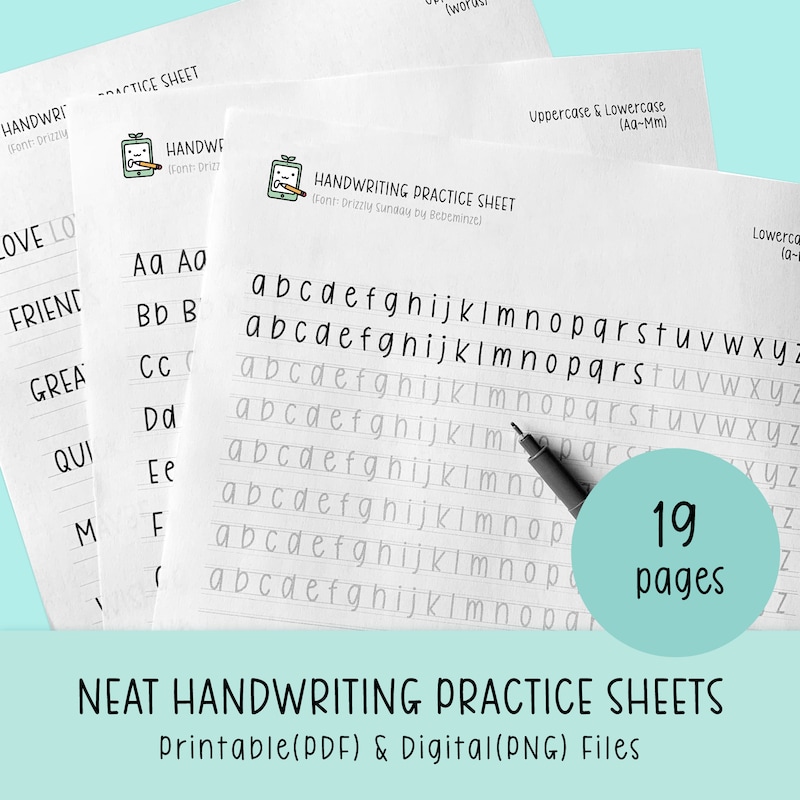
Establishing a well-thought-out environment and choosing suitable tools are vital steps in cultivating a consistent gratitude journaling habit. Proper preparation ensures that journaling becomes a meaningful and enjoyable part of daily life, fostering mindfulness and positive reflection. By setting up the right space and selecting an appropriate platform, individuals can enhance their ability to focus, reflect, and cultivate gratitude with ease.
Careful preparation involves creating a dedicated area, selecting a journal or digital platform that aligns with personal preferences, and establishing routines and items that support ongoing practice. These steps contribute to building a sustainable habit that integrates seamlessly into daily life, making gratitude journaling a rewarding and enriching experience.
Creating a Conducive Environment for Journaling
A calm and inviting environment enhances the quality of gratitude journaling sessions. Such a space minimizes distractions and encourages introspection, turning journaling into a mindful ritual. Key elements include natural lighting, comfortable seating, and a clutter-free surface. Incorporating calming scents like lavender or chamomile can also promote relaxation. Consistency in choosing a specific spot helps reinforce the habit, transforming journaling into a treasured daily ritual.
Selecting a Journal or Digital Platform
Choosing the right journal or digital platform depends on individual preferences, lifestyle, and comfort with technology. A physical journal appeals to those who find writing by hand more personal and engaging. When selecting a physical journal, consider factors such as size, paper quality, cover design, and binding, ensuring it’s appealing and durable. For digital platforms, options include dedicated journaling apps or simple note-taking applications, which offer convenience, accessibility across devices, and features like reminders or prompts.
Testing different formats can help identify the most motivating and user-friendly option.
Items and Routines Supporting Consistent Practice
Developing a routine is essential for establishing a lasting gratitude journaling habit. Consistency in timing, environment, and items creates a sense of normalcy and expectation. The following list highlights essential items and routines:
- Comfortable writing instrument: A pen or pencil that glides smoothly to make writing enjoyable.
- Dedicated journal or digital app: A specific space or platform designated solely for gratitude entries.
- Consistent time of day: Setting aside a specific time, such as morning or evening, helps reinforce the habit.
- Quiet space: Choosing a peaceful corner where interruptions are minimized fosters focus.
- Reflection prompts or templates: Pre-prepared questions or structured layouts guide and streamline the journaling process.
- Routine cues: Pairing journaling with existing habits, like after morning coffee or before bedtime, aids in habit formation.
- Regular review sessions: Occasionally revisiting previous entries to appreciate growth and reinforce positive feelings.
Consistency and a nurturing environment are the cornerstones of a successful gratitude journaling practice, transforming a simple activity into a meaningful daily ritual.
Techniques and Methods for Effective Gratitude Journaling
Implementing different techniques in gratitude journaling can significantly enhance its effectiveness and deepen personal reflections. Each method offers unique benefits, catering to various preferences and goals, whether it is fostering mindfulness, encouraging detailed reflection, or cultivating consistent habit formation. Choosing the appropriate technique can transform the journaling practice from a simple routine into a meaningful daily ritual that promotes overall well-being.
By exploring and applying these various methods, individuals can discover which approach aligns best with their personality and lifestyle, thereby increasing the likelihood of maintaining a consistent practice and experiencing the full benefits of gratitude.
Establishing a Daily Gratitude Writing Routine
Creating a sustainable daily routine for gratitude journaling involves deliberate planning and commitment. Start by selecting a specific time each day that is least likely to be interrupted, such as early morning or before bed, to foster consistency. Designate a dedicated space for journaling, free from distractions, to create an environment conducive to reflection. Keep your journal and writing tools accessible to make the process seamless and inviting.
- Set a fixed time each day to write, ensuring it becomes part of your daily schedule and habit.
- Begin with a modest goal, such as writing three to five gratitude entries daily, to prevent feeling overwhelmed.
- Use prompts or guided questions if needed to initiate your thoughts, especially on days when inspiration is scarce.
- Maintain a gentle and non-judgmental attitude towards your entries, allowing your gratitude practice to evolve naturally.
- Review your entries periodically to observe patterns of gratitude and reflect on personal growth.
Consistency is key; the more regularly you engage with your gratitude journal, the more ingrained the practice becomes, ultimately leading to a more positive outlook and improved mental health over time.
Comparing Gratitude Journaling Techniques
Different methods of gratitude journaling cater to diverse preferences and goals. Understanding these techniques can help individuals select a style that resonates with their personality and enhances their overall experience.
| Technique | Description | Advantages | Suggested Frequency |
|---|---|---|---|
| Listing | Writing down a simple list of things you are grateful for, typically focusing on specific items or experiences. | Easy to do, quick, encourages focus on specific aspects of gratitude, suitable for beginners or busy schedules. | Daily or as needed, especially during moments of stress or negativity to shift focus. |
| Reflection | Engaging in deeper contemplation about gratitude by exploring why certain things are meaningful and how they impact your life. | Fosters insight, emotional connection, and a more profound understanding of gratitude’s role in personal growth. | Several times a week or weekly, allowing time for thorough reflection. |
| Gratitude Explainings | Writing detailed explanations about specific items or experiences you are thankful for, including context and personal significance. | Enhances appreciation, promotes mindfulness, and helps solidify positive feelings associated with gratitude. | Daily or after significant events, to deepen emotional engagement. |
“Effective gratitude journaling combines consistency with a technique that resonates personally, transforming simple acknowledgment into a powerful tool for mental and emotional well-being.”
Explainings and Themes to Cultivate Gratitude

Developing a habit of gratitude journaling is enriched by exploring diverse themes and explainings that deepen understanding and foster genuine appreciation. These themes serve as prompts or guiding concepts to inspire meaningful entries, encouraging reflection on various aspects of daily life, relationships, and personal growth. By engaging with a variety of topics, individuals can expand their perspective on what constitutes gratitude and cultivate a more comprehensive and heartfelt sense of thankfulness.
Creating personalized explainings involves tailoring prompts to individual experiences, values, and circumstances. Such customization enhances authenticity and relevance, making gratitude journaling a more impactful practice. The following sections provide examples and guidance on developing diverse themes and explainings that can be adapted to suit personal journeys toward gratitude.
Sample Explainings and Themes for Gratitude Journaling
Below are varied examples of explainings and themes designed to inspire rich and meaningful journal entries. These examples encompass different facets of life, encouraging reflection on both everyday moments and deeper experiences. The diversity aims to help individuals discover what resonates most with their personal narratives and cultivate a more profound gratitude practice.
Examples of Gratitude Explainings:
- Describe a recent moment of kindness you experienced or witnessed. How did it impact your mood or outlook?
- List five things you are grateful for today, focusing on small blessings often overlooked.
- Reflect on a challenge you faced recently and identify what you learned or how it helped you grow.
- Recall a person who has made a positive difference in your life and specify what you appreciate about them.
- Identify a favorite place or environment that brings you peace and explain why it is meaningful to you.
- Describe a personal achievement or milestone and the support you received along the way.
- Write about a recent act of self-care that made you feel valued and cared for.
- Contemplate a moment when nature or the surroundings brought you joy and serenity.
- Express gratitude for access to resources or opportunities that enhance your life, such as education, healthcare, or community support.
- Reflect on a tradition, ritual, or cultural practice that enriches your sense of belonging and identity.
Developing Personalized Explainings
Personalized explainings are crafted by aligning prompts with individual experiences, values, and current life circumstances. Reflecting on what genuinely matters to you ensures that your gratitude entries are authentic and emotionally resonant. Consider the following approaches to develop personalized themes:
- Identify key areas of your life where you seek growth or positivity, such as relationships, health, career, or personal development, and create prompts that explore gratitude in these domains.
- Incorporate specific recent events or milestones to anchor your entries in meaningful moments.
- Use introspective questions that encourage deeper reflection, such as “What recent experience made me feel truly supported?” or “Which small acts brought me unexpected happiness today?”
- Reflect on your core values and craft prompts that highlight how these values are reflected through your daily experiences.
- Adjust themes seasonally or according to ongoing life changes to keep the practice relevant and engaging.
Additional Inspiration for Varied Entries
Theme Sample Prompt Relationships Express appreciation for someone who showed kindness or support recently. Personal Growth Reflect on a lesson learned from a recent mistake or challenge. Nature and Environment Describe a natural scene that uplifted your mood or brought tranquility. Daily Comforts List the simple pleasures that made your day better today. Achievements Recall a goal you achieved and the efforts it took to reach it. Self-Care and Well-being Share a moment when you prioritized your mental or physical health. Cultural or Community Connections Highlight a community event or cultural tradition that enriches your life. Overcoming Common Challenges in Gratitude Journaling
Practicing gratitude journaling consistently can sometimes present obstacles that hinder progress. Recognizing these challenges and implementing effective strategies can significantly enhance the continuity and depth of your gratitude practice. Whether dealing with writer’s block, waning motivation, or inconsistency, understanding how to navigate these hurdles ensures that gratitude journaling remains a meaningful and sustainable activity.Writer’s block and inconsistent routine are among the most prevalent difficulties faced by individuals engaging in gratitude journaling.
When the mind is blank or motivation wanes, it can become tempting to abandon the practice altogether. However, these challenges are natural and can be addressed through specific techniques that re-engage your practice and reinforce its benefits. Developing resilience against these obstacles transforms gratitude journaling into a lifelong habit that fosters emotional well-being and mindfulness.
Strategies to Overcome Writer’s Block and Maintain Consistency
Addressing writer’s block involves cultivating a flexible and forgiving attitude towards journaling. Instead of forcing lengthy entries when inspiration is lacking, consider shorter, more spontaneous notes that capture fleeting moments of gratitude. Writing about simple things, such as a warm cup of coffee or a kind gesture from a friend, can reignite your appreciation and break through creative blocks. Additionally, setting a regular, specific time each day for journaling helps establish a routine that naturally reduces the chances of skipping days.
To combat inconsistency, it is beneficial to integrate gratitude journaling into daily life with practical strategies. Using reminders or alarms, creating a dedicated journaling space, and keeping your journal accessible can prompt regular engagement. Making the activity enjoyable—such as playing calming music or pairing it with a relaxing activity—also encourages consistency and turns journaling into a rewarding ritual.
Methods to Sustain Motivation and Deepen Gratitude Practice
Maintaining motivation over time involves celebrating small successes and recognizing the positive impacts of gratitude on mental health. Keeping a visual reminder of your journal, such as a gratitude wall or a digital photo album, can serve as a constant source of inspiration. Reflecting periodically on past entries demonstrates growth and deepening appreciation, reinforcing the value of your practice.
Techniques that deepen gratitude include exploring themes such as resilience, connection, or personal growth within your journal entries. This approach broadens your perspective and fosters a more profound sense of thankfulness. Engaging with gratitude through mindfulness exercises or sharing your reflections with trusted friends or mentors can also enhance your commitment and deepen your understanding of gratitude’s role in your life.
Tips and Motivational Techniques to Reinforce Commitment
Consistency and motivation are vital for a sustained gratitude journaling practice. Below are practical tips and techniques to keep your engagement strong:
- Set small, achievable goals: Focus on writing a few lines each day to prevent feeling overwhelmed.
- Use affirmations: Incorporate positive affirmations related to your gratitude goals to reinforce your intention.
- Create a gratitude routine: Link journaling to an existing habit, such as morning coffee or evening reflection, to build a seamless routine.
- Track your progress: Maintain a gratitude journal log or chart to visualize your consistency and milestones achieved.
- Reward yourself: Celebrate your dedication with small rewards, such as a favorite treat or leisure activity after a week of consistent journaling.
- Join a community or accountability group: Sharing your journey with others can foster motivation and provide new insights or inspiration.
- Reflect on positive outcomes: Regularly review past entries to observe personal growth and the tangible benefits of gratitude practice, reinforcing your commitment.
Remember, persistence is key. Overcoming challenges is part of the journey, and each obstacle is an opportunity to strengthen your gratitude practice and cultivate a more positive outlook on life.
Integrating Gratitude Journaling into Daily Life
Maintaining a consistent gratitude journaling practice enhances its positive effects on mental well-being and overall life satisfaction. Incorporating this habit seamlessly into daily routines ensures sustainability and deepens the benefits over time. Establishing a dedicated time and environment for journaling, along with effective organizational strategies, can make gratitude practice an integral part of everyday life, fostering a mindset of appreciation and mindfulness.
Integrating gratitude journaling into daily life involves strategic planning and thoughtful organization. By embedding journaling into existing routines, individuals can develop a habit that feels natural and rewarding. Utilizing tools such as planners, digital reminders, or dedicated notebooks can help track progress and reflect on growth over time. Consistent reflection on past entries not only reinforces positive thinking but also highlights personal development milestones, reinforcing the value of gratitude practice.
Scheduling and Routine Integration
Adopting a specific time of day for journaling enhances consistency. Many individuals find morning journaling sets a positive tone for the day, fostering an optimistic outlook. Conversely, evening journaling allows for reflection on daily experiences and achievements, promoting gratitude awareness before sleep. Establishing a fixed routine minimizes the chances of skipping sessions and reinforces the habit as a daily ritual.
- Morning Journaling: Spend 5–10 minutes after waking up, focusing on intentions, goals, and things to look forward to. This approach energizes the mind and cultivates positivity for the day ahead.
- Evening Journaling: Dedicate 10–15 minutes before bedtime to reflect on the day’s blessings, accomplishments, and meaningful moments, promoting restful sleep and emotional balance.
Organizational Tips for Tracking and Reflection
Effective tracking and reflection are critical for maintaining consistency and recognizing progress. Using structured tools and establishing a system to revisit previous entries can deepen gratitude practice and its benefits.
- Utilize a Dedicated Journal or Digital App: Choose a consistent medium—whether a physical notebook or a digital app—that allows easy access and organization.
- Create a Reflection Schedule: Allocate weekly or monthly times to review past entries, noting recurring themes and personal growth areas.
- Incorporate Visual Aids: Use charts, stickers, or color coding within journals to mark milestones, special reflections, or particularly meaningful entries.
- Set Reminders: Use calendar alerts or app notifications to prompt journaling and review sessions, ensuring habits are maintained even during busy periods.
Sample Daily Journal Integration Schedule
Time of Day Suggested Duration Tools Needed Notes Morning 5–10 minutes Notebook or digital app, pen or device Write down three things you are grateful for each morning to start the day positively. Evening 10–15 minutes Notebook or digital app, pen or device Reflect on the day’s highlights and moments of gratitude before sleep to foster gratitude awareness and emotional well-being. “Consistency in gratitude journaling transforms fleeting moments of appreciation into a lasting mindset of positivity and resilience.”
Last Recap
Incorporating how to practice gratitude journaling into daily life offers a powerful pathway to enhanced emotional health and a more appreciative perspective. By overcoming common obstacles and establishing a consistent routine, individuals can unlock the full benefits of this simple yet profound practice. Embracing gratitude journaling ultimately leads to a more fulfilled and balanced life that celebrates the positive aspects often overlooked.