Learning how to handle panic attacks without medicine offers a pathway to regain control and reduce anxiety naturally. With effective techniques and self-care strategies, individuals can manage symptoms and foster a sense of calm in challenging moments.
This comprehensive guide explores various methods such as breathing exercises, mindfulness practices, lifestyle adjustments, and grounding techniques. By understanding the physiological and psychological aspects of panic attacks, readers can develop personalized plans to cope effectively without relying on medication.
Understanding Panic Attacks

Panic attacks are intense episodes of sudden fear or discomfort that can occur unexpectedly, often without an obvious trigger. They are a common feature of anxiety disorders, yet they are distinct in their physiological and psychological manifestations. Gaining a comprehensive understanding of these episodes is essential for effective management, especially for those seeking non-medical strategies to cope with them.
Physiologically, panic attacks involve a surge of adrenaline and other stress hormones that activate the body’s fight-or-flight response. This results in symptoms such as rapid heartbeat, shortness of breath, sweating, trembling, and a sensation of chest tightness. Psychologically, individuals may experience a sense of impending doom, fear of losing control, or fear of dying. These reactions are rooted in the body’s natural response to perceived threats, but during panic attacks, they occur in the absence of real danger.
Distinguishing Panic Attacks from Other Anxiety Symptoms
While anxiety symptoms can be pervasive and persistent, panic attacks are characterized by their sudden onset and intense peak. Understanding the differences is vital for appropriate recognition and response.
Common anxiety symptoms include ongoing worry, muscle tension, restlessness, and sleep disturbances. These symptoms tend to be chronic or fluctuate over time. In contrast, panic attacks are discrete episodes that reach their peak within minutes and often subside quickly.
During a panic attack, individuals may experience specific physical symptoms that are more intense and physiologically distinct than typical anxiety. For example, hyperventilation during a panic attack can cause dizziness and numbness, while persistent anxiety does not typically produce such acute physical sensations.
Below are key comparisons:
| Feature | Panic Attack | General Anxiety |
|---|---|---|
| Onset | Sudden and abrupt | Gradual and persistent |
| Duration | Typically lasts 5–20 minutes | Can last hours or days |
| Physical Symptoms | Intense, including chest pain, rapid heartbeat, dizziness | Less intense, such as muscle tension and fatigue |
| Psychological Symptoms | Fear of dying or losing control | Persistent worry or fear about future events |
Common Triggers and Warning Signs
Recognizing the triggers and warning signs of panic episodes can help in managing and potentially preventing their occurrence. While triggers can vary among individuals, certain common factors are frequently associated with panic attacks.
- Triggers: Situational factors such as crowded places, stressful life events, or specific phobias (e.g., fear of heights or spiders). Substance use, including caffeine, alcohol, or drugs, can also precipitate episodes. Additionally, physiological states like fatigue, pain, or hormonal changes may act as triggers.
- Warning Signs: Early indications include increased heart rate, feelings of restlessness, shortness of breath, or dizziness. Some individuals experience a sense of unease or heightened awareness of bodily sensations, which can escalate into a full-blown panic attack if unaddressed.
Important: A recognition of warning signs and understanding personal triggers can significantly improve the ability to deploy coping strategies promptly, reducing the severity and duration of panic episodes.
Breathing Techniques for Panic Management
Effective breathing techniques are vital tools in managing panic attacks without the need for medication. They help regulate the body’s physiological response to stress, reduce hyperventilation, and promote a sense of calm during episodes of heightened anxiety. Implementing these techniques consistently can empower individuals to regain control and reduce the intensity and duration of panic symptoms.
Deep and paced breathing exercises focus on controlling the breath, which directly influences the nervous system. By consciously slowing down and deepening each breath, individuals can counteract the rapid, shallow breathing often accompanying panic attacks. These methods not only alleviate immediate symptoms but also build resilience over time, fostering a calmer state of mind and body even in stressful situations.
Step-by-Step Guide to Deep Breathing Exercises
- Find a quiet, comfortable position where you won’t be disturbed, either sitting or lying down.
- Close your eyes if you feel comfortable doing so, and take a moment to relax your shoulders and neck.
- Begin by inhaling slowly through your nose, counting to four as you breathe in deeply into your diaphragm, not just your chest.
- Hold the breath gently for a count of four, maintaining a relaxed posture.
- Exhale steadily through your mouth or nose for a count of six, ensuring the breath is fully expelled from your lungs.
- Pause briefly for a count of two before beginning the next inhale, maintaining a steady, rhythmic pattern.
This cycle can be repeated for 5 to 10 minutes or until feelings of panic subside. The key is maintaining a consistent, relaxed pace, focusing on the sensation of breathing and allowing your mind to stay present in the moment.
Visual Flowchart Illustrating Paced Breathing Methods
Visual aids can significantly enhance understanding of breathing techniques. A flowchart for paced breathing typically illustrates the following sequence:
- Start: Find a comfortable seated or lying position.
- Inhale: Count to four slowly, filling your lungs from the diaphragm.
- Hold: Pause and hold your breath for four seconds.
- Exhale: Release the breath slowly through your mouth or nose for six seconds.
- Pause: Briefly hold your breath for two seconds before the next cycle.
- Repeat: Continue the cycle until calmness is restored.
This flowchart emphasizes a rhythmic, controlled breathing pattern that can be followed step-by-step, making it easy to practice even during moments of heightened anxiety.
Different Breathing Exercises and Their Benefits
Various breathing exercises can be tailored to individual preferences and specific needs during panic episodes. Each technique offers unique benefits in calming the nervous system and reducing panic symptoms.
| Breathing Exercise | Method Overview | Specific Benefits |
|---|---|---|
| Box Breathing | Inhale for four seconds, hold for four seconds, exhale for four seconds, hold breath for four seconds, then repeat. | Enhances focus, promotes relaxation, and stabilizes breathing patterns during stress. |
| 4-7-8 Breathing | Inhale through the nose for four seconds, hold breath for seven seconds, exhale slowly through the mouth for eight seconds. | Reduces anxiety, helps with sleep, and facilitates a calming response. |
| Diaphragmatic Breathing | Focuses on breathing deeply into the diaphragm, expanding the abdomen during inhalation and contracting it during exhalation. | Decreases stress hormones, improves oxygen exchange, and encourages full lung capacity. |
| Alternate Nostril Breathing | Using the thumb and ring finger, close one nostril at a time, inhaling through one nostril, then switching to the other for exhalation. | Balances the nervous system, reduces mental stress, and enhances concentration. |
Proper breathing techniques act as a natural, accessible method to activate the body’s relaxation response, counteracting the fight-or-flight reaction during panic attacks.
Mindfulness and Relaxation Methods
Practicing mindfulness and relaxation techniques during a panic attack can significantly reduce feelings of overwhelm and help regain control. These methods promote present-moment awareness and physical relaxation, calming the nervous system and alleviating symptoms of panic. Incorporating these practices into your coping strategies offers a natural and effective way to manage anxiety without medication.
By engaging in mindfulness and relaxation methods, individuals can create a mental and physical space that interrupts the cycle of panic, fostering a sense of safety and calmness. These techniques are accessible, do not require special equipment, and can be practiced anywhere, making them essential tools for long-term anxiety management.
Practicing Mindfulness Meditation During a Panic Attack
Mindfulness meditation involves intentionally focusing attention on the present moment without judgment. During a panic attack, this practice can help reduce the intensity by anchoring your awareness away from distressing thoughts and physical sensations. The following steps provide a structured approach for practicing mindfulness during such episodes:
- Find a comfortable position: Sit or lie down in a quiet, comfortable place. If possible, close your eyes to minimize external distractions, or maintain a soft gaze downward.
- Focus on your breath: Direct your attention to the sensation of breathing—notice the inhale and exhale. Observe the rise and fall of your chest or abdomen without attempting to control your breathing.
- Notice bodily sensations: Scan your body gradually from head to toe, acknowledging any areas of tension or discomfort without trying to change them. This promotes body awareness and relaxation.
- Observe your thoughts and feelings: Recognize any intrusive thoughts or emotions that arise, simply noting their presence without engagement or judgment. Use phrases like “I am experiencing anxiety” without elaborating or resisting.
- Return to your breath: Whenever your mind wanders, gently redirect your focus back to your breath, using it as an anchor to stay grounded in the present moment.
“Be present with whatever arises, acknowledging it with kindness and without judgment.”
Progressive Muscle Relaxation Techniques
Progressive muscle relaxation (PMR) involves systematically tensing and relaxing different muscle groups to promote physical relaxation and reduce stress. This technique can be especially effective during a panic attack by helping release muscle tension and calming the nervous system. Below is a step-by-step guide to practicing PMR:
- Start at your feet: Inhale and tense the muscles in your feet by curling your toes tightly. Hold this tension for about 5 seconds.
- Relax and release: Exhale slowly, releasing the tension completely. Feel the muscles soften and relax.
- Progress upward: Move to your calves, thighs, abdomen, chest, arms, shoulders, neck, and face, repeating the tensing and relaxing process for each group.
- Focus on sensations: Pay close attention to the difference between tension and relaxation, enhancing your awareness of physical feelings and promoting relaxation.
- Maintain a steady pace: Spend about 10-15 seconds on each muscle group, ensuring thorough but gentle tension and release.
This technique can be practiced regularly outside of panic episodes to build resilience and reduce overall anxiety levels.
Comparison Table: Mindfulness, Visualization, and Grounding Exercises
Understanding the distinctions and applications of different relaxation techniques can help tailor approaches to individual needs during panic episodes. The table below summarizes key features of mindfulness, visualization, and grounding exercises:
| Technique | Description | Primary Focus | Effectiveness During Panic | Example Activity |
|---|---|---|---|---|
| Mindfulness | Maintaining non-judgmental awareness of the present moment, including thoughts, feelings, and bodily sensations. | Present-moment awareness | High; helps observe panic symptoms without reacting | Focusing on breath, bodily sensations, or sounds around you |
| Visualization | Creating a mental image of a peaceful or safe place, engaging all senses to enhance relaxation. | Imaginary positive scenarios | Moderate; can distract from panic symptoms and foster calmness | Imagining lying on a beach, hearing waves, feeling the sun |
| Grounding Exercises | Engaging the senses to connect with the immediate environment, helping to divert attention from internal distress. | External sensory awareness | High; effective in anchoring focus during panic | Noticing five things you see, four you touch, three you hear, two you smell, one you taste |
Integrating these methods into daily routines can strengthen resilience and provide immediate relief during episodes of panic, empowering individuals to manage anxiety effectively without medication.
Cognitive Strategies and Thought Management

Managing panic attacks effectively often involves addressing the thoughts and beliefs that contribute to anxiety episodes. Cognitive strategies focus on identifying, challenging, and reframing negative or distorted thoughts that can escalate panic symptoms. Developing awareness of these thought patterns empowers individuals to create a more balanced mental outlook, reducing the intensity and frequency of panic episodes without reliance on medication.Understanding how our thoughts influence emotions is fundamental.
When experiencing a panic attack, the mind tends to generate catastrophic or irrational thoughts—such as fears of losing control, dying, or going insane. These thoughts heighten anxiety and can intensify physical symptoms. By actively recognizing and modifying these thought patterns, individuals can diminish the power of panic triggers and foster a sense of control over their mental state.
Challenging and Reframing Negative Thoughts
Negative thoughts linked to panic episodes often follow a pattern of catastrophizing or assuming the worst. To counteract these, it is essential to systematically evaluate their validity and replace them with more realistic perspectives. This process involves several steps:
- Identify the trigger thoughts that emerge during or before a panic attack. For example, believing “I’m going to faint” or “This will never end.”
- Assess the evidence supporting and contradicting these thoughts. For instance, recalling past episodes where symptoms subsided or seeking reassurance that physical sensations are temporary.
- Generate rational alternatives that are grounded in facts, such as “My body is reacting normally; this feeling will pass.”
- Repeat these reframed thoughts regularly, especially during anxious moments, to reinforce a balanced perspective.
Reframing negative thoughts diminishes their emotional impact and promotes rational thinking during panic episodes.
Identifying Cognitive Distortions Related to Anxiety
Recognizing common thinking errors or distortions can greatly improve thought management. These distortions distort reality and often exacerbate anxiety and panic. Some of the most prevalent include:
- All-or-Nothing Thinking: Seeing situations in black-and-white terms, such as believing one must be perfectly calm or else a panic attack is a failure.
- Overgeneralization: Viewing a single episode as an ongoing pattern, e.g., “I always panic in crowded places.”
- Catastrophizing: Expecting the worst possible outcome, like assuming a panic attack indicates a heart attack.
- Jumping to Conclusions: Making negative assumptions without sufficient evidence, such as thinking others are judging one’s behavior.
Identifying these distortions involves mindfulness and self-awareness. Keeping a journal aids in detecting recurrent thought errors, which can then be challenged and corrected through cognitive restructuring techniques.
Journaling and Self-Reflection for Monitoring Panic Triggers
Consistent journaling serves as an effective tool for understanding personal panic triggers and thought patterns. By systematically recording experiences, individuals can identify patterns and develop personalized coping strategies.The process includes:
- Documenting each panic episode with details about what was happening at the time, physical sensations, thoughts, and emotions experienced.
- Noting specific circumstances or environments that frequently precede episodes.
- Reflecting on the intensity and duration of symptoms to gauge progress over time.
- Reviewing journal entries regularly to detect recurring themes or cognitive distortions that contribute to anxiety.
Self-reflection helps in creating a comprehensive picture of one’s anxiety landscape. Recognizing triggers enables proactive mental rehearsals, such as applying reframing techniques or mindfulness practices tailored to specific situations, ultimately fostering resilience and reducing the occurrence of panic attacks.
Using Grounding Techniques During Attacks
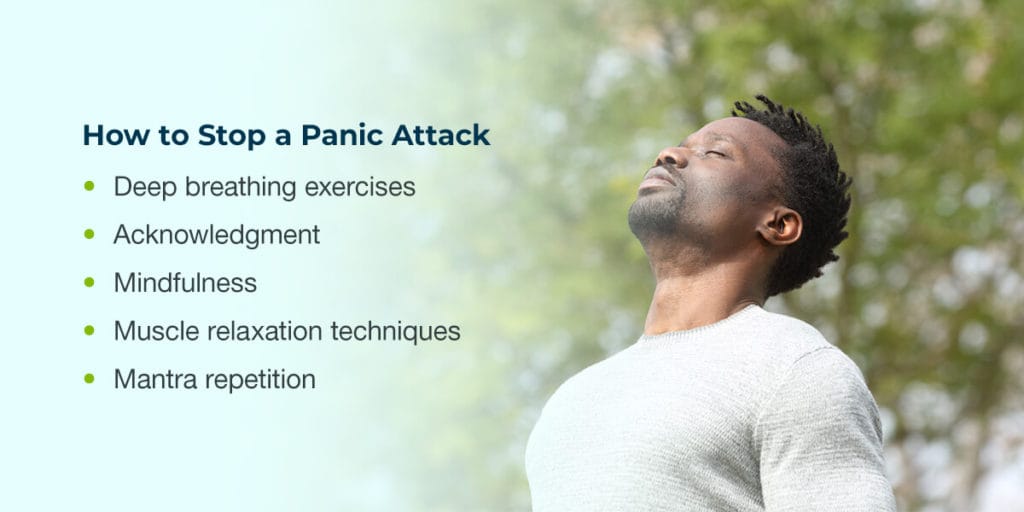
Grounding techniques serve as vital tools to anchor individuals experiencing a panic attack in the present moment, helping to reduce feelings of overwhelm and dissociation. When panic symptoms escalate, employing these methods can provide immediate relief by redirecting focus away from distressing thoughts and sensations to tangible, sensory experiences.
Implementing grounding methods effectively involves a deliberate process that encourages mindfulness and physical awareness. These techniques can be personalized to suit individual preferences, making them practical and accessible during moments of heightened anxiety. By practicing these steps regularly, individuals can develop a reliable strategy to navigate panic episodes with greater confidence and calmness.
Physical Objects and Sensory Cues for Grounding
Utilizing physical objects and sensory cues is a cornerstone of grounding techniques, as they provide concrete stimuli to reconnect with reality. Common items and sensory stimuli used for grounding include:
- Physical Objects: Small, tangible items such as a smooth stone, a soft piece of fabric, a rubber band, or a textured stress ball can be held or touched to focus attention.
- Visual Cues: Observing specific visual details in the environment, such as looking at a detailed picture, a complex pattern, or counting objects in a room.
- Auditory Stimuli: Listening to a specific sound, such as a ringing bell, a favorite song, or natural sounds like birds chirping or flowing water.
- Olfactory Cues: Breathing in a familiar or calming scent, such as lavender, peppermint, or your favorite essential oil, to ground through smell.
- Tactile Sensations: Feeling the texture of an object, the sensation of clothing against the skin, or the temperature of an item to reconnect physically with the environment.
Step-by-Step Process for Implementing Grounding During Heightened Anxiety
To effectively utilize grounding techniques during a panic attack, follow this structured approach:
- Identify the Need for Grounding: Recognize early signs of anxiety escalation, such as rapid heartbeat, shallow breathing, or feelings of dissociation, indicating it’s time to employ grounding methods.
- Select a Grounding Method: Choose an appropriate sensory cue or object based on personal preferences or availability. For example, reaching for a textured object or focusing on a scent.
- Engage the Senses: Focus intently on the chosen stimulus. For instance, if using a small stone, hold it firmly and notice its texture, weight, and temperature. If listening to sounds, concentrate on different layers of noise or melodies.
- Describe and Observe: Internally or aloud, describe what you are experiencing in detail, such as “This object is smooth and cool” or “I hear birds singing and the wind rustling leaves.” This process anchors your awareness in the present moment.
- Return to the Present: Continue this focused attention for several minutes, ensuring that your mind gradually shifts away from distressing thoughts to concrete sensory experiences. Repeat as necessary until the feelings of panic diminish.
Tip: Consistently practicing grounding techniques outside of panic episodes enhances their effectiveness. Over time, these methods become instinctive tools for managing unexpected anxiety spikes.
Creating an Emergency Action Plan
Developing a personalized emergency action plan is a vital step in effectively managing panic attacks without medication. When individuals prepare in advance, they gain confidence and clarity on how to respond calmly during an episode, reducing overall anxiety and preventing escalation. A well-structured plan serves as a practical guide, empowering individuals to navigate their experiences with greater resilience and control.
This section provides a comprehensive approach to crafting an effective emergency action plan tailored to individual needs. It emphasizes essential steps, practical coping strategies, and the importance of practicing and revising the plan regularly to ensure its effectiveness over time.
Key Steps for Developing a Personalized Panic Attack Management Plan
Creating an emergency plan involves identifying specific triggers, effective coping mechanisms, and support systems that can be activated during a panic attack. A personalized plan ensures that strategies are relevant and practical, increasing the likelihood of successful implementation during stressful moments.
- Recognize Personal Warning Signs: Understand the early symptoms that precede a full-blown panic attack, such as rapid heartbeat, sweating, or feelings of dread. Being aware of these signs allows for timely intervention.
- Identify Preferred Coping Strategies: List calming techniques that have proven effective personally, such as deep breathing, visualization, or grounding exercises. Tailor these methods based on past experiences and comfort levels.
- Establish Support Contacts: Include trusted friends, family members, or mental health professionals who can be contacted if the attack intensifies or if assistance is needed.
- Develop Immediate Response Steps: Artikel clear actions to take at onset, such as practicing specific breathing exercises, using grounding techniques, or engaging in a distracting activity.
- Prepare a Safe Environment: Ensure the physical environment promotes calmness and safety—an area free from overwhelming stimuli or hazards.
Strategies to Include in the Emergency Action Plan
Integrating various coping strategies into the plan provides flexibility and multiple options to manage panic episodes effectively. The following strategies are evidence-based and widely recommended by mental health professionals:
- Breathing Exercises: Deep, diaphragmatic breathing to reduce hyperventilation and restore calm.
- Grounding Techniques: Methods such as the 5-4-3-2-1 technique to anchor attention to the present moment and distract from distressing thoughts.
- Visualization: Guided imagery that involves picturing a peaceful, safe place to promote relaxation.
- Progressive Muscle Relaxation: Tensing and relaxing muscle groups to diminish physical tension associated with panic.
- Affirmations and Positive Self-Talk: Repeating calming statements or reassurances to counter negative thought patterns.
Practicing and Revising the Emergency Plan
Consistent practice and periodic review of the emergency plan are essential to ensure readiness when a panic attack occurs. Regular rehearsal helps embed the strategies into instinctual responses, making them more effective under stress.
Individuals should schedule routine drills to simulate different scenarios, assessing which techniques work best and adjusting as needed. Keeping a journal of each experience can provide insights into triggers, successful interventions, and areas requiring improvement.
The plan should be reviewed at least every few months or whenever significant life changes occur. Incorporating feedback from personal experiences or consultation with mental health professionals helps refine the plan, ensuring it remains relevant and effective over time.
Ultimately, an adaptable, well-practiced emergency action plan fosters greater confidence, enhances self-efficacy, and promotes a proactive approach to managing panic attacks without medication.
Support Systems and Resources
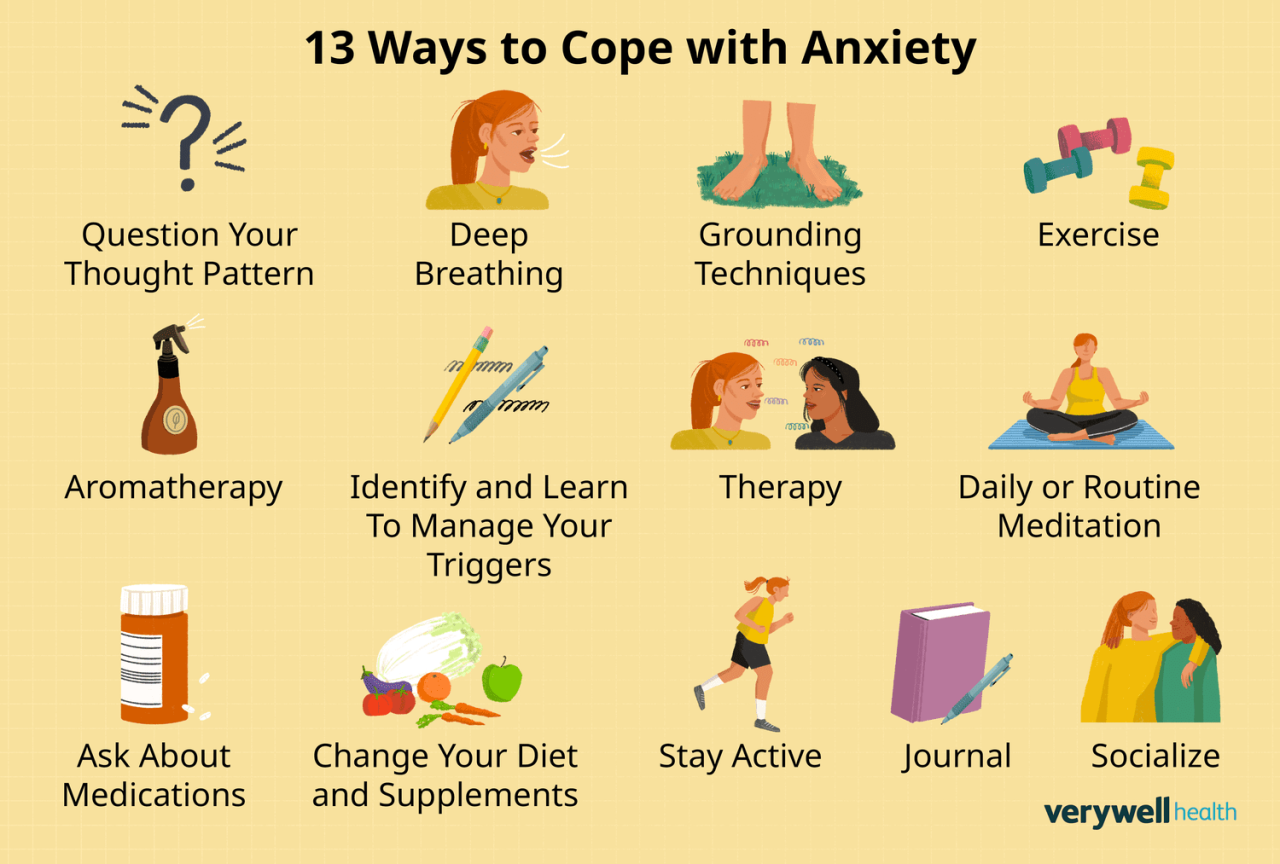
Effective management of panic attacks often extends beyond individual techniques to include a strong network of social support and access to reliable resources. Recognizing the importance of community and understanding how to seek assistance can significantly enhance coping strategies and provide reassurance during challenging moments. Building a support system fosters a sense of security and shared understanding, which can be instrumental in reducing anxiety and preventing future episodes.
Engaging with friends, family, and support groups can facilitate open communication about your experiences, reduce feelings of isolation, and provide practical assistance during panic episodes. Additionally, leveraging reputable resources such as books, online platforms, and community organizations offers valuable information and ongoing support tailored to managing panic attacks without medication.
Seeking Social Support and Communicating Effectively During Panic Episodes
During a panic attack, reaching out to trusted individuals can provide immediate comfort and guidance. Effective communication involves calmly informing close contacts about your condition and specific needs, enabling them to respond appropriately. Techniques such as using simple, clear language and describing what you need—whether it’s reassurance, distraction, or space—can improve the support you receive. Encouraging loved ones to learn about panic attacks helps them understand your experiences and respond empathetically, creating a supportive environment that fosters recovery.
Self-Help Books, Online Resources, and Community Groups
Accessing informative materials and community support can empower individuals to better understand and manage panic attacks. The following list includes trusted resources that offer guidance, practical strategies, and community engagement:
- Books:
- “The Anxiety and Phobia Workbook” by Edmund J. Bourne—comprehensive strategies for managing anxiety and panic.
- “Hope and Help for Your Nerves” by Claire Weekes—focuses on understanding and confronting panic through gentle acceptance and gradual exposure.
- “When Panic Attacks” by David D. Burns—provides cognitive behavioral techniques to reduce panic symptoms.
- Online Resources:
- Anxiety and Depression Association of America (ADAA) —offers educational content, self-help tools, and directories of support groups.
- National Alliance on Mental Illness (NAMI) —provides information on mental health conditions, local support groups, and crisis resources.
- HelpGuide.org —features articles on panic attack management and mindfulness practices.
- Community Groups:
- Local mental health support groups—facilitate shared experiences and mutual encouragement.
- Online forums and virtual communities—such as Reddit’s r/anxiety or dedicated Facebook groups—allow for anonymous sharing and advice.
- Workshops and educational seminars—organized by mental health clinics or community centers, focusing on coping skills and resilience building.
Involving Family and Friends as Part of the Coping Strategy
Proactively involving loved ones in your mental health journey can create a robust support network that enhances your resilience and confidence. Educating family and friends about the nature of panic attacks, their symptoms, and effective ways to assist can empower them to provide meaningful support during episodes. For example, guiding them to remain calm, offer reassurance, and avoid dismissing your feelings can make a significant difference.
Encouraging open dialogue about your needs and establishing a plan for what to do during a panic attack helps ensure that your support system is prepared. Including trusted individuals in relaxation exercises, mindfulness practices, or emergency action plans can also foster a collaborative approach. This shared effort not only alleviates feelings of fear and helplessness but also fosters trust and understanding, ultimately strengthening your coping capacity.
Last Recap
Incorporating these practical strategies into daily routines can significantly diminish the frequency and intensity of panic episodes. Embracing self-awareness and proactive management empowers individuals to face panic attacks confidently and regain their sense of calm and stability over time.