Managing anger in teenagers is a crucial aspect of fostering healthy emotional development and maintaining positive relationships. Understanding the underlying causes of teenage anger, such as hormonal fluctuations, social pressures, and psychological factors, is essential for effective intervention. By adopting appropriate communication strategies and emotional regulation techniques, parents and educators can help adolescents navigate their emotions more constructively, leading to improved well-being and stability.
Understanding Teenage Anger
Teenage anger is a common aspect of adolescent development, often misunderstood or overlooked. Recognizing the underlying causes and behavioral signs is essential for providing appropriate support and guidance during this pivotal stage of life.
Many factors contribute to heightened emotional responses in teenagers, including biological, psychological, and social influences. Gaining insight into these elements enables caregivers, educators, and mental health professionals to better navigate the complexities of teenage anger and foster healthier emotional regulation strategies.
Common Causes of Teenage Anger
Understanding the root causes of anger in teenagers involves exploring both biological and environmental factors that influence emotional responses. These causes often intertwine, resulting in complex behavioral patterns that require careful attention.
- Hormonal Changes: During adolescence, hormonal fluctuations—particularly increases in testosterone and estrogen—affect mood regulation. These hormonal surges can lead to heightened irritability and impulsive behaviors, making teenagers more prone to anger outbursts.
- Stress and Academic Pressure: The increasing academic demands, extracurricular commitments, and future planning expectations can overwhelm teenagers, leading to frustration and anger as they struggle to cope.
- Family Dynamics: Conflicts within family relationships, lack of support, or inconsistent parenting can contribute significantly to feelings of anger and rebellion among adolescents.
- Peer Influence and Social Challenges: Peer pressure, bullying, social rejection, or difficulty fitting in can provoke feelings of isolation and anger, particularly when teenagers perceive a lack of acceptance or understanding.
Psychological and Social Factors Contributing to Teenager Anger
Beyond biological influences, several psychological and social factors play a critical role in shaping teenage emotional responses. These factors often interact, creating a complex web that influences how anger manifests and is managed.
- Identity Formation and Self-Esteem: Adolescents are actively establishing their identity and seeking independence. Struggles with self-esteem or fear of inadequacy can lead to frustration and anger as they attempt to assert themselves.
- Emotional Regulation Skills: Teenagers are still developing the ability to regulate intense emotions. A lack of effective coping mechanisms can result in impulsive anger responses, especially during stressful situations.
- Exposure to Negative Role Models: Influence from peers, media, or family members who display aggressive behaviors can shape a teenager’s approach to handling conflicts, often leading to anger-driven reactions.
- Trauma and Mental Health Issues: Experiences of trauma, anxiety, depression, or other mental health conditions can heighten emotional sensitivity, increasing the likelihood of anger episodes.
Behavioral Signs Indicating Anger Issues in Adolescents
Recognizing early behavioral indicators of anger problems allows for timely intervention and support. These signs can vary in intensity and frequency, but awareness is key to addressing underlying issues effectively.
Typical behavioral signs include:
- Verbal Aggression: Frequent shouting, name-calling, or hostile language directed towards peers, family members, or authority figures.
- Physical Outbursts: Hitting, kicking, throwing objects, or other forms of physical aggression during emotional episodes.
- Defiance and Rebellion: Consistent refusal to follow rules, authority, or guidelines, often accompanied by arguments and confrontations.
- Withdrawal and Isolation: While some teenagers withdraw when upset, persistent avoidance of social interactions or expressing anger through silence can also indicate underlying issues.
- Sudden Mood Swings: Rapid shifts from calm to rage or irritability, often without apparent provocation, showcasing emotional volatility.
- Vandalism or Risky Behaviors: Destructive acts or engaging in dangerous activities as outlets for expressing anger or frustration.
Early recognition of these behavioral signs enables caregivers and professionals to implement strategies that promote emotional resilience and healthy expression of anger.
Effective Communication Strategies
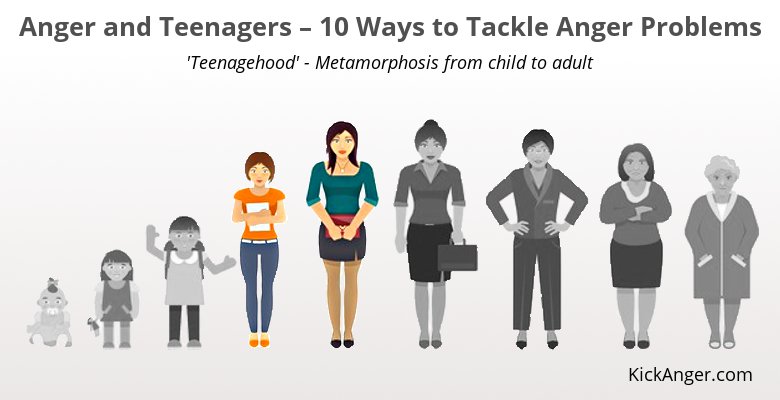
Establishing clear and empathetic communication channels plays a pivotal role in managing teenage anger. When parents and educators adopt effective listening and dialogue techniques, they foster an environment where teenagers feel safe to express their feelings without fear of judgment or escalation. This approach not only helps in de-escalating conflicts but also encourages adolescents to develop healthier emotional regulation skills.
Implementing these strategies requires deliberate effort and understanding of teenage developmental needs. By utilizing active listening, calm dialogue, and structured expression techniques, adults can create a supportive space that promotes constructive communication and emotional growth in teenagers.
Active Listening to Angry Teenagers
Active listening is a fundamental skill that involves fully concentrating on the speaker, understanding their message, and responding thoughtfully. For teenagers experiencing anger, this form of listening demonstrates respect and validation, which can significantly reduce their emotional intensity and foster trust.
Effective methods include maintaining eye contact, nodding appropriately, and providing verbal affirmations such as “I understand” or “Tell me more.” Avoid interrupting or offering solutions prematurely, as this may increase frustration. Instead, reflect back what the teenager has expressed to confirm understanding, which reassures them that their feelings are acknowledged.
“Listening is a powerful tool in diffusing anger and opening pathways for honest communication.”
Parents and educators should also pay attention to non-verbal cues such as body language and tone of voice. Recognizing signs of heightened emotion enables timely and appropriate responses, ensuring the conversation remains constructive rather than confrontational.
De-escalating Conflicts through Calm and Assertive Dialogue
De-escalation begins with maintaining composure and approaching the situation with a calm demeanor. An assertive yet non-aggressive tone helps to signal confidence and control, which can influence the teenager to mirror a similar calmness.
Strategies for de-escalation include:
- Using a steady, soothing voice to convey understanding and patience.
- Keeping a relaxed posture and facial expression to avoid adding tension.
- Setting clear boundaries without being punitive, emphasizing the importance of respectful communication.
- Offering options or choices to empower the teen and foster cooperation.
It is essential to avoid raising one’s voice, using accusatory language, or engaging in power struggles, as these actions can intensify the conflict. Instead, acknowledge the teenager’s feelings and redirect the conversation toward solution-focused dialogue.
Constructive Expression of Feelings
Encouraging teenagers to articulate their emotions constructively involves guiding them through specific steps that promote self-awareness and effective communication. These steps help teenagers gain control over their feelings and express them without resorting to aggression or silence.
The following step-by-step approach can be particularly beneficial:
- Recognize and name emotions: Encourage teens to identify what they are feeling, whether it’s frustration, disappointment, or anger. Using phrases like, “I feel upset because…” can facilitate clarity.
- Use “I” statements: Teach teenagers to communicate their feelings without assigning blame, which minimizes defensiveness. For example, “I felt hurt when…” instead of “You always…”
- Describe specific behaviors: Guide them to focus on concrete actions rather than generalizations or character judgments.
- Express needs or requests: Help them articulate what they need to feel better or resolve the issue, such as, “I need some space to calm down” or “Can we talk later?”
- Practice active reflection: Encourage teens to paraphrase or summarize the other person’s perspective, fostering empathy and mutual understanding.
Creating a safe space where teenagers feel comfortable sharing their feelings through this structured process can significantly reduce impulsive outbursts and teach lifelong skills for emotional regulation and conflict resolution.
Techniques for Managing and Redirecting Anger
Managing anger effectively is crucial in helping teenagers develop healthier emotional responses and maintain positive interpersonal relationships. Teaching adolescents practical techniques enables them to recognize their feelings, regulate their reactions, and prevent conflicts from escalating. These methods promote emotional resilience and contribute to their overall well-being, fostering a more balanced and constructive approach to handling challenging situations.Effective management and redirection of anger involve empowering teenagers with tools that allow them to pause, reflect, and choose appropriate responses.
By incorporating mindfulness and breathing exercises into their daily routines, adolescents can learn to calm their minds and bodies during moments of intense emotion. Additionally, engaging in activities designed to enhance emotional regulation skills helps build self-awareness, patience, and empathy, which are vital for long-term emotional health.
Teaching Mindfulness and Breathing Exercises
Introducing mindfulness and breathing techniques to teenagers can significantly reduce feelings of anger and stress. These exercises help create a mental space where adolescents can observe their emotions without immediate judgment or reaction.
- Guided Breathing Exercises: Encourage teens to practice slow, deep breaths, inhaling through the nose for a count of four, holding their breath for four counts, then exhaling slowly through the mouth for another four counts. Repeating this cycle several times can promote relaxation and reduce physiological symptoms of anger.
- Mindfulness Meditation: Teach teenagers to focus their attention on the present moment, observing their thoughts and feelings without attachment. This practice can be as simple as paying close attention to their breath, bodily sensations, or surrounding sounds for five to ten minutes daily.
- Progressive Muscle Relaxation: Guide adolescents to tense and then relax major muscle groups sequentially, which can help release physical tension associated with anger and promote a sense of calm.
Regular practice of these techniques enhances teenagers’ ability to manage sudden anger outbursts, enabling them to approach conflicts with greater clarity and composure. Encouraging consistency and patience in this practice is vital to achieving lasting benefits.
Activities to Promote Emotional Regulation Skills
Developing emotional regulation is essential for teenagers to handle anger constructively. Activities that focus on self-awareness, empathy, and problem-solving can strengthen their capacity to manage emotions effectively.
- Emotion Identification Journals: Have adolescents maintain journals where they record daily emotional experiences, identifying triggers and their responses. Reflecting on these entries helps them recognize patterns and develop strategies to modify their reactions.
- Role-Playing Scenarios: Engage teenagers in role-playing exercises to simulate common anger-provoking situations. This activity allows them to practice calm responses and explore alternative reactions in a safe environment.
- Emotion Regulation Workshops: Organize group sessions focused on learning and practicing skills like cognitive reappraisal, problem-solving, and assertiveness. Facilitators can introduce real-life case studies to demonstrate effective coping mechanisms.
- Creative Arts Therapy: Encourage expression of emotions through art, music, or drama. These outlets provide avenues for processing feelings of anger and developing healthier emotional responses.
Implementing these activities consistently helps teenagers build a toolkit for managing their emotions, leading to improved self-control and healthier interactions with peers and family members.
Contrasting Reactive versus Proactive Responses to Anger Triggers
Understanding the distinction between reactive and proactive responses is fundamental in guiding teenagers toward healthier anger management strategies. A clear comparison can help illustrate effective ways to handle anger triggers.
| Reactive Response | Proactive Response |
|---|---|
| Definition: Immediate reaction to a perceived threat or frustration, often impulsive and emotionally driven. | Definition: Thoughtful, deliberate approach aimed at addressing the situation constructively before anger escalates. |
| Characteristics: Sudden, intense, sometimes aggressive or defensive behavior. | Characteristics: Calm, composed, focused on problem-solving and maintaining relationships. |
| Example: Yelling at a peer over a disagreement without considering their perspective. | Example: Taking a moment to breathe and then discussing the disagreement calmly with the peer. |
| Advantages: Immediate release of built-up tension, can de-escalate situations if managed properly. | Advantages: Promotes understanding, reduces conflict, and fosters emotional growth. |
| Disadvantages: Often leads to regret, misunderstandings, and damaged relationships. | Disadvantages: Requires self-control and practice, which can be challenging during high emotions. |
“Proactive responses empower teenagers to handle anger constructively, transforming potential conflicts into opportunities for growth and understanding.”
Building Emotional Intelligence in Teenagers
Developing emotional intelligence (EI) is essential for teenagers to navigate their complex emotional landscapes effectively. By fostering empathy and self-awareness, teens can better understand their own feelings and those of others, significantly reducing the frequency and intensity of anger episodes. Cultivating these skills supports healthier interpersonal relationships and promotes emotional regulation, leading to more balanced and resilient individuals.
Enhancing emotional intelligence involves targeted strategies that help teenagers recognize their emotional patterns, manage their reactions, and develop a compassionate outlook. Implementing practical exercises and consistent practices can lay the groundwork for long-term emotional resilience, empowering teens to handle stress and frustration constructively.
Fostering Empathy and Self-Awareness to Reduce Anger Episodes
Empathy enables teenagers to understand and share the feelings of others, which can diminish conflicts and reduce feelings of anger. Self-awareness, on the other hand, involves recognizing one’s own emotional states and triggers, allowing for proactive management of anger before it escalates.
To foster empathy, encourage activities such as role-playing scenarios where teens assume others’ perspectives or discussing stories that highlight diverse emotional experiences. Cultivating self-awareness can be achieved through reflective journaling, where teenagers document their emotional responses and identify patterns related to anger episodes.
Methods to Help Teenagers Recognize Early Signs of Anger and Implement Coping Strategies
Identifying early signs of anger, such as physical sensations or specific thoughts, is crucial for timely intervention. Empowering teens with this awareness allows them to utilize coping strategies before anger becomes overwhelming or harmful.
Key methods include:
- Teaching mindfulness techniques that focus on observing emotions without immediate reaction, such as deep breathing or body scans.
- Implementing emotional check-ins at regular intervals during stressful situations to monitor feelings and prevent escalation.
- Encouraging the use of coping statements, like “I can handle this calmly,” to reinforce self-control during challenging moments.
Recognizing the physiological cues associated with anger, such as clenched fists or rapid heartbeat, enables teenagers to employ relaxation methods proactively.
Exercises to Enhance Emotional Understanding and Resilience
Engaging teenagers in interactive exercises can significantly improve their emotional understanding and resilience. These activities help them internalize emotional cues and develop healthier responses to anger triggers.
Examples include:
- Emotion Identification Charts: Using visual charts that depict various emotional states, teens can learn to pinpoint their feelings accurately and understand the progression of emotions leading to anger.
- Mindfulness and Breathing Drills: Regular practice of breathing exercises, such as diaphragmatic breathing, helps regulate physiological responses to anger and fosters calmness.
- Empathy Building Workshops: Participating in group activities that emphasize listening and understanding diverse perspectives enhances empathy and social skills.
- Resilience Journaling: Encouraging teens to journal instances where they managed their anger effectively fosters self-efficacy and resilience over time.
By integrating these exercises into daily routines, teenagers develop a stronger emotional foundation, enabling them to respond to challenging situations with greater awareness and composure.
Role of Environment and Routine
Creating a stable and nurturing environment plays a crucial role in helping teenagers manage anger effectively. Both home and school settings influence a teenager’s emotional development and can either exacerbate or alleviate feelings of frustration. Establishing consistent routines and clear boundaries fosters a sense of security, reduces stress, and minimizes triggers for anger outbursts. When teenagers feel supported and know what to expect daily, they are better equipped to handle emotional challenges with resilience and patience.
An environment that emphasizes open communication, understanding, and predictability encourages teenagers to express their feelings constructively. This supportive atmosphere not only helps in mitigating anger but also promotes overall emotional well-being and healthy interpersonal relationships.
Influence of Supportive Home and School Environments
A positive and stable environment provides teenagers with a safe space to explore their emotions without fear of judgment or punishment. Parents and teachers who demonstrate empathy and active listening foster trust, making teenagers more likely to share their frustrations before they escalate into anger. Establishing routines at home, such as regular meal times, study schedules, and relaxation periods, helps teenagers develop a sense of normalcy and predictability, reducing anxiety and impulsivity.
At school, creating a structured environment that encourages respect, consistency, and clear expectations contributes to emotional regulation. When students understand the boundaries and know that their feelings are acknowledged, they tend to experience fewer instances of disruptive anger responses. Both settings should work in tandem to reinforce positive behaviors and emotional support.
Establishing Routines and Boundaries
Structured routines are key to minimizing stress and preventing emotional outbursts in teenagers. Consistent schedules help teenagers manage their time effectively, reducing feelings of chaos or overwhelm that can lead to anger. Clear boundaries regarding acceptable behavior, screen time, social interactions, and academic responsibilities set a framework within which teenagers can operate confidently.
Effective routines include designated times for homework, physical activity, leisure, and sleep. These routines should be flexible enough to accommodate individual needs while maintaining consistency. Boundaries should be communicated respectfully and enforced fairly, ensuring teenagers understand the rationale behind them. When routines and boundaries are predictable and fair, teenagers are more likely to feel secure and less prone to emotional upheaval.
Ideal Daily Routine Promoting Emotional Stability
The following table illustrates a balanced daily routine designed to foster emotional stability and reduce the likelihood of anger outbursts in teenagers:
| Time of Day | Activities | Purpose |
|---|---|---|
| 7:00 AM | Wake Up and Morning Routine | Prepares for the day with structure and reduces morning stress |
| 7:30 AM | Healthy Breakfast | Provides energy and sets a positive tone for the day |
| 8:00 AM | School or Educational Activities | Engages in learning within a predictable schedule |
| 12:00 PM | Lunch Break and Relaxation | Restores energy and allows social interaction |
| 1:00 PM | Continuation of School or Study Time | Maintains routine and focus |
| 3:30 PM | Physical Activity or Sports | Reduces stress, releases energy, improves mood |
| 5:00 PM | Homework and Personal Projects | Encourages responsibility and achievement |
| 6:30 PM | Dinner with Family | Fosters connection and open communication |
| 7:30 PM | Relaxation Time (reading, hobbies, mindfulness) | Helps transition to a calm state and reduce tension |
| 8:30 PM | Preparation for Bed, Reflection, and Unwinding | Ensures adequate sleep and emotional regulation |
| 9:00 PM | Lights Out and Sleep | Supports emotional resilience and overall health |
Implementing a routine with balanced activities and consistent boundaries enables teenagers to develop self-discipline, emotional awareness, and stability. Recognizing the importance of these structured days can significantly decrease the frequency and intensity of anger outbursts, fostering a more harmonious environment for adolescents to thrive emotionally and socially.
When and How to Seek Professional Help
Managing anger in teenagers can sometimes extend beyond parental guidance and school-based interventions. Recognizing when professional support is necessary is essential for promoting healthy emotional development and addressing underlying issues that contribute to anger. Early intervention can prevent escalation and foster constructive coping skills, ensuring teenagers receive the appropriate assistance they need to navigate their emotions effectively.Seeking help from mental health professionals should be considered when anger episodes become frequent, intense, or disruptive to daily life.
It is also important when anger is accompanied by other emotional or behavioral problems such as depression, anxiety, withdrawal, or aggressive behaviors towards peers or family members. A professional assessment can help determine if underlying mental health conditions, trauma, or developmental challenges are contributing factors that require specialized intervention.
Indicators for Counseling or Therapy
Effective identification of when to pursue professional support involves observing specific signs that suggest underlying issues are impacting a teenager’s emotional well-being. These indicators include:
- Consistent or escalating episodes of intense anger that are difficult to control
- Alterations in behavior such as withdrawal from social activities or increased irritability
- Frequent arguments, defiance, or oppositional behavior towards authority figures
- Expressions of hopelessness, persistent sadness, or signs of depression
- Engagement in risky or self-destructive behaviors, including substance abuse or self-harm
- Difficulty concentrating or declining academic performance related to emotional distress
- Family conflicts or changes in relationships that seem to trigger or exacerbate anger episodes
- Trauma or significant life changes, such as loss of a loved one or divorce, that may impact emotional regulation
Recognizing these signs early allows parents and caregivers to seek timely interventions, which can significantly improve outcomes for teenagers grappling with intense emotions. Professional help can provide tailored strategies and a safe space for teenagers to explore the roots of their anger, develop healthier coping mechanisms, and build resilience.
Engaging Mental Health Professionals with Teenagers and Families
The process of involving mental health professionals begins with open communication and a collaborative approach. Families should start by consulting with their primary care providers or school counselors, who can offer referrals to qualified therapists specializing in adolescent mental health. It is crucial to involve the teenager in discussions about seeking support, respecting their feelings and ensuring they feel heard and supported throughout the process.When engaging with mental health services, families should prepare relevant information about the teen’s behavioral patterns, recent life events, and any previous mental health history.
This preparation helps professionals conduct comprehensive assessments and develop personalized treatment plans. Establishing a trusting relationship with the therapist is vital, as it encourages honesty and facilitates effective therapy sessions.The procedures generally involve an initial assessment, during which the therapist gathers information about the teen’s emotional history and current struggles. Following this, a treatment plan is formulated, which may include individual therapy, family counseling, or group sessions, depending on the specific needs.
Checklist of Questions for Mental Health Providers
To ensure a suitable therapeutic approach, families should consider asking potential mental health providers targeted questions that address their concerns and expectations. These questions can guide decision-making and help establish a transparent therapeutic relationship:
- What training and experience do you have working with adolescents experiencing anger issues?
- What therapeutic approaches do you use for managing teenage anger, and how effective are they?
- How do you involve families in the treatment process?
- What is the typical duration and frequency of therapy sessions for adolescent anger management?
- How do you measure progress in therapy, and what signs indicate that intervention is working?
- Are there specific strategies or activities that teenagers will be encouraged to practice outside of sessions?
- How do you address confidentiality and ensure the teen’s privacy during therapy?
- What should we do if the teenager is resistant or reluctant to participate in therapy?
- Can you provide references or testimonials from other families who have sought similar treatment?
Having clear, informed discussions with mental health professionals ensures that families are actively involved in the therapeutic process and that the chosen approach aligns with the teenager’s unique needs. Recognizing the right moments to seek professional help and knowing how to navigate this step can make a significant difference in promoting emotional health and well-being among adolescents managing anger.
Parental and Peer Support Systems
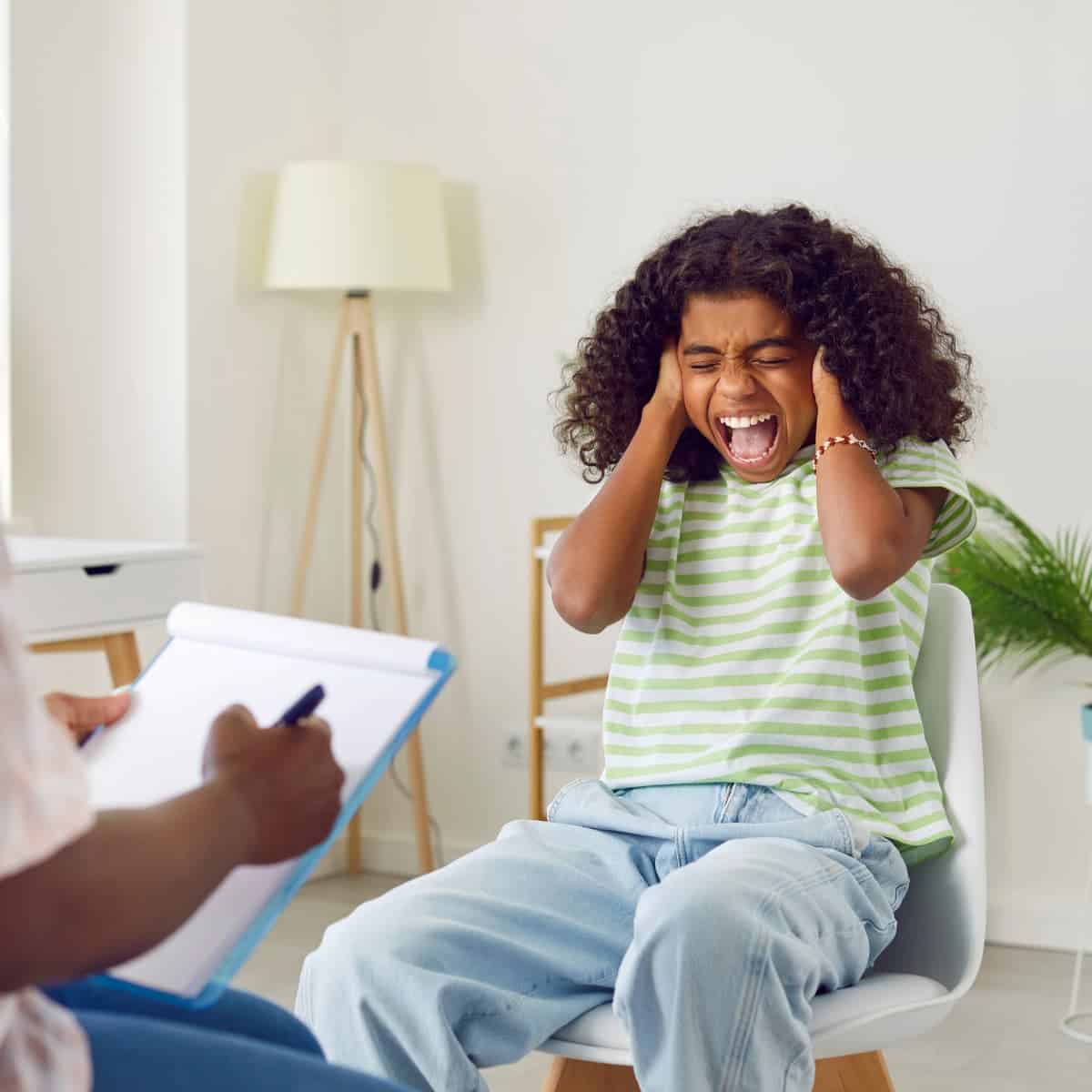
Supporting teenagers in managing anger extends beyond individual techniques and strategies; it heavily relies on a strong network of support from parents and peers. These relationships play a vital role in nurturing emotional growth, providing stability, and fostering healthy behavioral patterns. Cultivating positive support systems creates a safe environment where teenagers feel understood, validated, and encouraged to express their emotions constructively.
Effective support systems involve active participation from parents and peers, who can reinforce positive behavioral changes, model emotional regulation, and promote resilience. When adolescents experience consistent support, they develop better coping skills and are more likely to navigate emotional challenges with confidence and stability.
Methods for Parents to Reinforce Positive Behavioral Changes at Home
Parents serve as primary figures in shaping their teenagers’ emotional responses and behavior. Reinforcing positive changes requires deliberate strategies that foster trust, understanding, and consistency. The following methods can be particularly effective:
- Open and Respectful Communication: Engage in regular conversations that encourage teenagers to share their feelings without fear of judgment. Active listening and empathetic responses validate their emotions and promote honest dialogue.
- Model Emotional Regulation: Demonstrate calm, controlled responses during stressful situations. Teenagers often emulate adult behaviors; thus, displaying patience and constructive ways of managing anger can influence their own behaviors.
- Establish Clear Boundaries and Expectations: Set consistent rules and consequences related to emotional expression and behavior. Clarity helps teenagers understand acceptable conduct and the importance of self-control.
- Positive Reinforcement: Recognize and praise efforts towards anger management and emotional regulation. Reinforcement encourages continued progress and boosts self-esteem.
- Providing a Supportive Environment: Create a safe space where teenagers feel comfortable discussing their frustrations and emotional struggles without fear of dismissal or punishment.
Ways Peers Can Support Each Other in Managing Anger and Emotional Issues
Peers influence teenage behavior significantly, often providing both support and peer pressure. Promoting positive peer support can help adolescents manage their emotions better and develop healthier coping mechanisms. Some approaches include:
- Encouraging Empathy and Active Listening: Peers can create a supportive atmosphere by listening without judgment and showing understanding of each other’s emotional experiences.
- Peer-led Support Groups: Participating in or establishing groups focused on emotional health provides shared spaces for discussing feelings, learning coping skills, and reducing stigma around emotional issues.
- Modeling Healthy Behaviors: Peers who demonstrate constructive responses to anger and stress serve as role models, influencing others positively.
- Promoting Conflict Resolution Skills: Learning and practicing effective communication and negotiation can help peers resolve disagreements peacefully, reducing overall emotional tension.
- Offering Encouragement and Validation: Acknowledging each other’s efforts towards emotional regulation fosters a sense of community and collective responsibility for well-being.
Examples of Community or School Programs Designed to Promote Healthy Emotional Development
Community and educational institutions play a crucial role in nurturing emotional intelligence and anger management skills among teenagers. Recognizable programs include:
| Program Name | Description | Key Features |
|---|---|---|
| Peer Counseling Initiatives | Trains students to serve as peer counselors, providing a platform for empathetic listening and support for classmates facing emotional challenges. | Confidentiality, active listening skills, referral pathways to professional services. |
| Mindfulness and Stress Reduction Workshops | Offers guided activities to help teens develop awareness of their emotions, reduce impulsivity, and improve emotional regulation. | Practices such as meditation, breathing exercises, and relaxation techniques conducted in school settings. |
| Emotion Regulation Curriculum | Integrated into health or social studies classes, these curricula teach students about emotional intelligence, coping strategies, and conflict resolution. | Interactive lessons, role-playing scenarios, and reflective exercises. |
| Youth Support and Development Centers | Community-based centers providing counseling, mentorship, and skill-building activities targeted at emotional resilience. | Group therapy, individual counseling, family outreach programs. |
Participation in such programs helps teenagers learn constructive ways to handle anger, develop empathy, and build resilience, all within a supportive community environment.
Final Wrap-Up
In conclusion, addressing anger in teenagers requires a comprehensive approach that combines understanding, communication, emotional skills development, and supportive environments. Recognizing when professional help is necessary and leveraging support networks can significantly enhance the effectiveness of anger management efforts. With patience and the right strategies, adolescents can learn to express their emotions healthily and build resilience for future challenges.