Understanding how to cope with loneliness in old age is essential for enhancing well-being and ensuring a meaningful quality of life during the later years. This guide explores practical strategies and insights to help seniors foster social connections, maintain mental health, and create supportive environments that combat feelings of isolation. By addressing emotional, social, and technological aspects, older adults can find renewed purpose and joy in their daily lives.
This comprehensive discussion encompasses the psychological impacts of loneliness, effective emotional support methods, ways to build social networks, leveraging technology for connectivity, engaging in purposeful activities, and creating environments that promote safety and social interaction. Each section aims to provide actionable steps tailored to support seniors in overcoming loneliness and embracing their independence with confidence.
Understanding Loneliness in Old Age
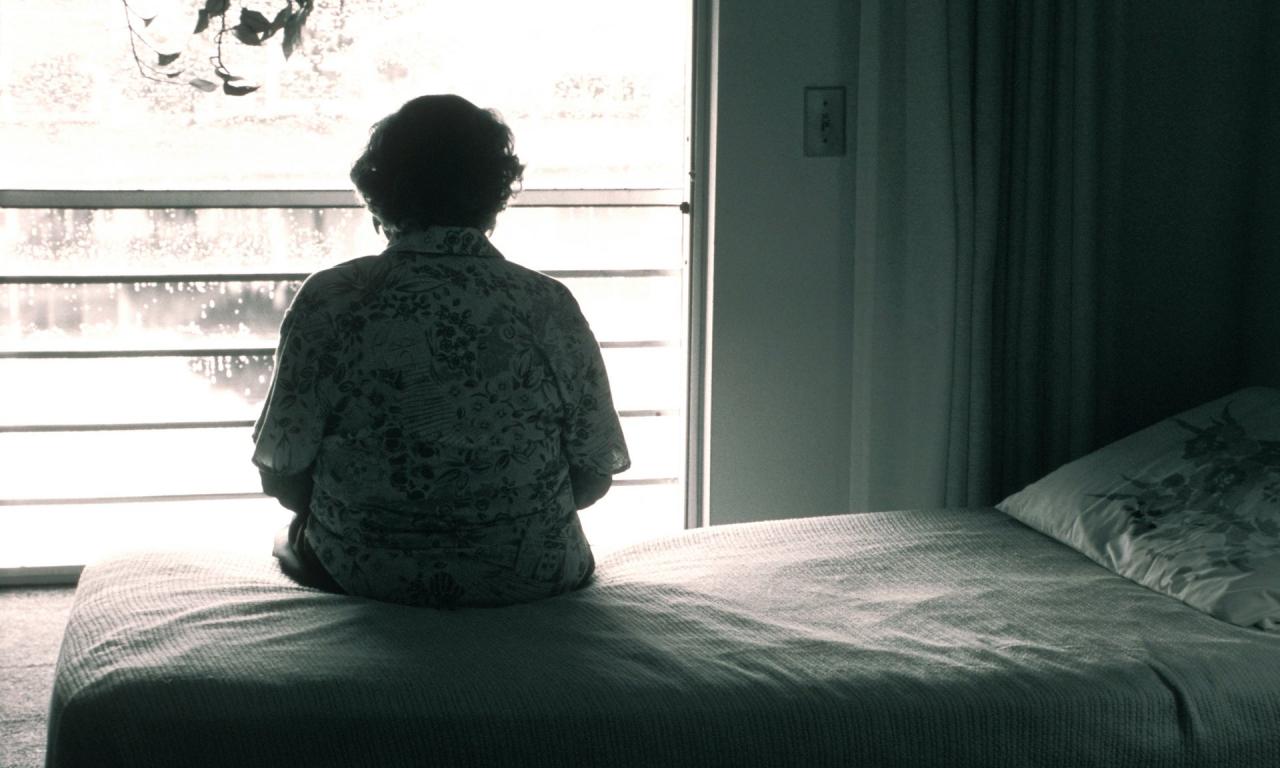
Loneliness among seniors is a complex psychological and emotional phenomenon that can significantly impact their overall well-being. It often stems from a combination of physical, mental, and social factors, making it a multifaceted issue that requires comprehensive understanding and targeted interventions. Recognizing the underlying causes and effects of loneliness is essential for developing effective support systems that promote healthier aging experiences.
As individuals age, they frequently encounter life changes such as retirement, the loss of loved ones, declining health, and reduced social interactions. These factors can lead to feelings of isolation, which, if left unaddressed, may result in serious health consequences, including depression, cognitive decline, and increased mortality risk. Understanding the emotional and psychological aspects of loneliness helps caregivers, family members, and policymakers to foster environments that support social engagement and emotional resilience among older adults.
Psychological and Emotional Aspects of Loneliness
Loneliness in old age is often characterized by a subjective feeling of social disconnection, regardless of the actual number of social contacts. It can lead to feelings of sadness, hopelessness, and a sense of being misunderstood or neglected. Psychologically, loneliness can diminish self-esteem and increase vulnerability to mental health disorders such as depression and anxiety. Emotionally, it erodes the sense of belonging and purpose, which are vital components of mental health in later years.
Research indicates that prolonged loneliness can activate stress responses in the brain, leading to heightened levels of cortisol, which adversely affects physical health. Furthermore, loneliness may impair cognitive functions, contributing to memory loss and decreased mental agility. Emotional well-being in old age is thus intricately linked to social connectedness, emphasizing the importance of addressing loneliness proactively.
Common Causes and Triggers of Loneliness in Seniors
Understanding the key causes of loneliness can facilitate targeted strategies to mitigate its effects. Several factors frequently contribute to feelings of isolation among older adults:
- Loss of loved ones: The death or physical separation from spouses, friends, and family members significantly reduces social interactions and emotional support.
- Health issues: Chronic illnesses, mobility limitations, and sensory impairments can hinder participation in social activities and everyday interactions.
- Retirement and lifestyle changes: Transitioning out of the workforce often leads to decreased social engagement and routine disruptions.
- Relocation: Moving to new environments such as assisted living facilities or unfamiliar neighborhoods may cause social disconnection.
- Social stigma and ageism: Negative societal attitudes can lead seniors to withdraw or feel marginalized, exacerbating feelings of loneliness.
Statistical Data on Loneliness in the Elderly
Numerous studies reveal that loneliness is a prevalent issue among older populations worldwide. The following table summarizes key factors and their impact based on recent research:
| Factor | Impact |
|---|---|
| Living alone | Increases risk of social isolation and feelings of loneliness; studies show that approximately 30-40% of seniors living alone report frequent loneliness. |
| Chronic health conditions | Limit mobility and participation in social activities, often correlating with higher loneliness levels; about 25-35% of seniors with chronic illnesses experience loneliness. |
| Loss of spouse or close friends | Significantly contributes to emotional distress; research indicates that widowed seniors are twice as likely to feel lonely compared to married counterparts. |
| Limited social contacts | Reduces emotional support and companionship, with studies showing that reduced social networks are associated with increased feelings of loneliness. |
| Sensory impairments (hearing, vision) | Hinder communication and social engagement, leading to increased social withdrawal and loneliness among affected seniors. |
Physical, Mental, and Social Factors Contributing to Loneliness
Several interconnected factors influence the prevalence and intensity of loneliness in older adults:
- Physical Factors: Declining health, mobility issues, sensory impairments, and chronic illnesses can restrict participation in social activities and increase dependency, fostering feelings of isolation.
- Mental Factors: Cognitive decline, depression, and anxiety can diminish motivation for social engagement and heighten perceptions of loneliness.
- Social Factors: Reduced social networks, loss of loved ones, relocation to unfamiliar environments, and societal ageism can all lead to diminished social interactions and emotional support.
“Loneliness is a multifaceted condition influenced by physical health, mental well-being, and social environment—addressing all three aspects is essential for effective intervention.”
Emotional and Mental Health Support Strategies
Addressing loneliness in old age requires not only social engagement but also a focus on emotional and mental well-being. Developing effective strategies to process feelings of loneliness can significantly enhance an older adult’s quality of life. These strategies empower seniors to manage their emotions, foster resilience, and cultivate a positive outlook, which are essential components of mental health maintenance.
Implementing practical methods such as self-reflection and mindfulness practices can help older adults gain better insight into their emotional states and develop healthier coping mechanisms. Building emotional resilience involves adopting techniques that reinforce positive thinking and reduce the impact of negative emotions. Additionally, access to tailored mental health resources and consistent self-care routines play a crucial role in supporting sustained mental well-being among seniors.
Processing Feelings of Loneliness through Self-Reflection and Mindfulness
Self-reflection and mindfulness are powerful tools that enable older adults to acknowledge and understand their emotions without judgment. These practices foster a sense of inner calm and clarity, helping seniors identify triggers of loneliness and develop strategies to address them effectively. Regular engagement in these activities promotes emotional awareness, reduces stress, and nurtures a compassionate relationship with oneself.
- Self-Reflection: Encourage daily journaling or quiet meditation sessions where seniors can honestly explore their feelings. Reflecting on positive memories and personal strengths can reinforce self-worth and resilience. This process helps identify patterns of thought that may contribute to loneliness and allows individuals to reframe negative perceptions.
- Mindfulness Practices: Incorporate mindfulness techniques such as breathing exercises, body scans, or guided meditation. These practices cultivate present-moment awareness, diminish rumination, and foster emotional stability. Consistent mindfulness practice can reduce anxiety related to social isolation and promote a sense of connectedness with oneself and others.
Developing Emotional Resilience and Positive Thinking
Building emotional resilience involves strengthening the ability to adapt to challenges and recover from setbacks associated with loneliness. Cultivating a positive mindset enhances mental fortitude and helps seniors approach life’s difficulties with optimism. Techniques such as practicing gratitude, engaging in uplifting activities, and fostering social connections are key components of resilience-building.
“Resilience is not about avoiding stress but learning how to thrive amidst it.”
To develop resilience:
- Practice daily gratitude by identifying three things to be thankful for each day, which shifts focus to positive aspects of life.
- Engage in activities that bring joy and purpose, such as hobbies or volunteering, reinforcing a sense of accomplishment and belonging.
- Surround oneself with supportive individuals or community groups that provide encouragement and understanding during challenging times.
- Challenge negative thoughts by consciously replacing them with constructive and hopeful perspectives, reinforcing confidence and optimism.
Mental Health Resources and Support Groups for Seniors
Access to appropriate resources can provide vital support for managing loneliness and maintaining mental wellness. There are numerous organizations and support groups tailored specifically for seniors, offering a safe space for sharing experiences and gaining guidance. Utilizing these resources connects older adults with professional assistance and peer support, which can be instrumental in emotional recovery.
- National Alliance on Mental Illness (NAMI) Senior Support Groups
- Psychological Services provided by local community health centers
- Online platforms such as SeniorPlanet and AARP’s mental health forums
- Local senior centers offering counseling and group therapy sessions
- Religious or spiritual organizations that provide pastoral care and community activities for older adults
- Telephone helplines like the Lifeline or senior-specific mental health helplines
Steps to Establish a Daily Self-Care Routine for Mental Well-Being
Creating a consistent self-care routine is fundamental to supporting mental health and reducing feelings of loneliness. A well-structured daily routine provides stability, purpose, and opportunities for emotional nourishment. The following steps serve as a guide for seniors to develop personalized self-care practices:
- Start the Day with Mindfulness: Begin each morning with a few minutes of deep breathing or meditation to set a calm and focused tone for the day.
- Engage in Physical Activity: Incorporate gentle exercises such as walking, stretching, or yoga to boost mood and energy levels.
- Maintain Social Connections: Schedule regular calls or virtual meetings with family, friends, or support groups to foster a sense of community.
- Practice Cognitive Stimulation: Dedicate time to reading, puzzles, or learning new skills to keep the mind active and engaged.
- Prioritize Rest and Nutrition: Ensure adequate sleep and consume balanced meals to support overall mental health.
- Allocate Time for Hobbies and Leisure: Engage in activities that bring joy and fulfillment, such as gardening, painting, or listening to music.
- Reflect and Gratify: End the day with gratitude journaling or relaxation techniques to promote restful sleep and emotional well-being.
Building and Maintaining Social Connections
Developing and preserving social relationships is a vital component of emotional well-being for older adults. As individuals age, life circumstances such as retirement, mobility challenges, or the loss of loved ones may lead to social isolation. However, proactive efforts to reconnect with family, friends, and the community can significantly enhance feelings of belonging and purpose. Engaging in meaningful social activities not only provides emotional support but also fosters a sense of community and mutual care.
Effective strategies encompass both reconnecting with existing networks and establishing new social bonds. Seniors can utilize a variety of approaches, including organizing or participating in local events, leveraging technology for virtual interactions, and initiating contact with new acquaintances. These efforts contribute to a resilient social network, which is essential for mental health and overall quality of life.
Approaches for Reconnecting and Building Social Networks
Reconnecting with family, friends, and community members involves intentional outreach and maintaining consistent communication. Seniors are encouraged to reach out through phone calls, letters, or digital messaging platforms. In addition, attending community centers, religious gatherings, or hobby groups can revive old friendships and foster new relationships. For those with mobility limitations, virtual meetups provide an accessible alternative to face-to-face interactions, ensuring ongoing social engagement regardless of physical constraints.
Organizing local social activities or virtual meetups is an effective way to create regular opportunities for interaction. These activities can be tailored to individual interests and abilities, promoting participation and enjoyment. Community programs that facilitate social integration often include group exercises, educational classes, or cultural events, all designed to strengthen social bonds and combat loneliness.
| Activity | Required Resources | Target Age Group | Benefits |
|---|---|---|---|
| Community Gardening | Garden plots, gardening tools, seeds, community space | All seniors, especially those interested in outdoor activities | Physical activity, social interaction, environmental engagement |
| Online Book Club | Internet connection, digital device, access to e-books or physical books | Older adults comfortable with technology | Intellectual stimulation, discussion, peer connection |
| Exercise Classes (e.g., Yoga, Tai Chi) | Location (community center or online platform), instructor or video resources | Older adults seeking gentle physical activity | Physical health, social bonding, stress reduction |
| Cooking Workshops | Kitchen space, ingredients, recipe materials, facilitator | Senior food enthusiasts or those interested in learning new skills | Skill development, conversation, cultural exchange |
| Virtual Coffee Mornings | Video conferencing platform, internet-enabled device | Older adults preferring remote socialization | Casual interaction, friendship building, emotional support |
Initiating contact and fostering friendships in old age involves openness, patience, and genuine interest. Seniors can start by reaching out to family members or acquaintances they have lost touch with, perhaps through a phone call or a handwritten letter. Attending local events or joining interest-based groups offers opportunities to meet like-minded individuals. Building trust and rapport takes time; consistent communication and shared activities are key to developing meaningful relationships.
Encouraging participation in group settings and showing a willingness to engage can lead to lasting friendships that enrich daily life and provide vital emotional support.
Engaging in Purposeful Activities and Hobbies
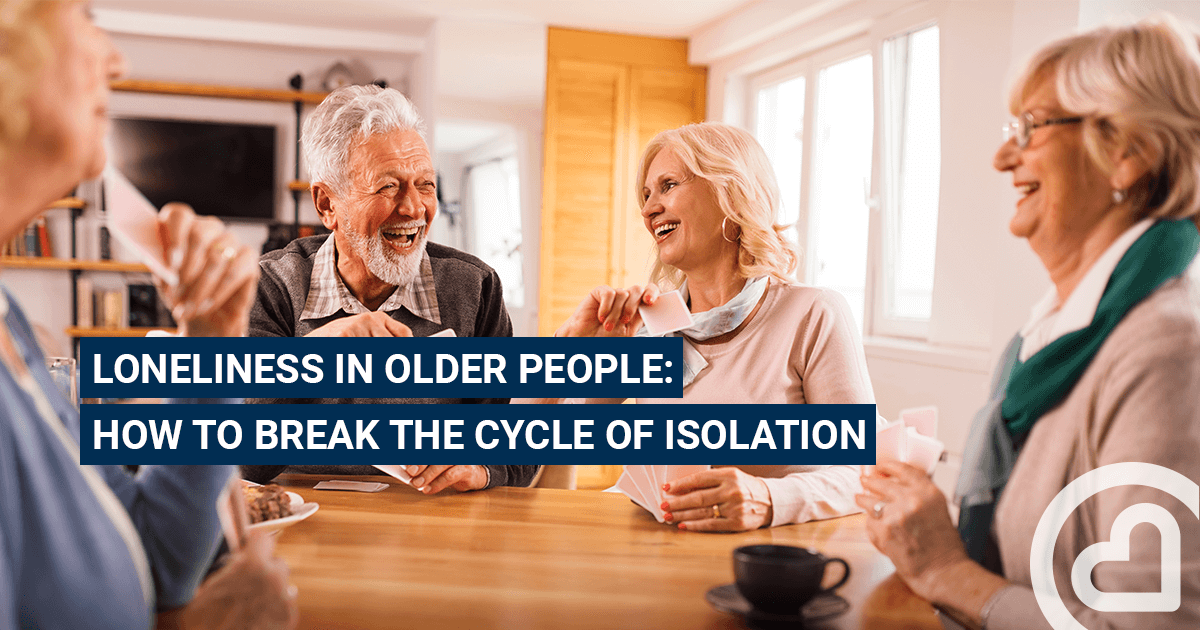
Participating in hobbies and purposeful activities can play a vital role in alleviating feelings of loneliness among older adults. Engaging in meaningful pursuits fosters a sense of achievement, boosts self-esteem, and provides opportunities for social interaction. These activities not only offer mental stimulation but also help create routines that bring joy and fulfillment, making daily life more enriching and connected to the community.
By dedicating time to hobbies, seniors can discover new talents, rekindle old passions, and build new relationships. Whether pursued individually or collectively, these activities serve as effective tools in promoting emotional well-being and reducing isolation. The key is selecting activities that resonate with personal interests and physical capabilities, ensuring sustained engagement and satisfaction.
Hobbies Suitable for Older Adults
Older adults have a wide array of hobbies that can be adapted to their interests and physical abilities. Engaging in creative, physical, educational, or social pursuits can significantly enhance their quality of life. Here are some popular options:
| Hobby Type | Examples | Description |
|---|---|---|
| Creative Arts | Painting, knitting, pottery, woodworking | These activities stimulate artistic expression and fine motor skills, offering both relaxation and a sense of accomplishment. |
| Physical Activities | Walking, Tai Chi, gardening, swimming | Low-impact exercises improve physical health, flexibility, and balance, while outdoor activities connect seniors with nature. |
| Educational pursuits | Reading, attending lectures, language learning, online courses | Learning new skills or knowledge keeps the mind active and engaged, fostering confidence and curiosity. |
| Social Activities | Cooking clubs, book clubs, dance classes, choir | These hobbies promote social interaction, build friendships, and combat loneliness through shared interests. |
Other hobbies might include bird-watching, puzzles, photography, or volunteering. Each offers unique benefits and opportunities for personal growth and community involvement.
Community Programs, Volunteer Opportunities, and Educational Classes for Seniors
Numerous community-based initiatives are designed to encourage older adults to stay active and socially involved. Participating in such programs can provide a structured way to pursue hobbies, meet new people, and contribute meaningfully to society. These include:
- Local community centers: Offer art classes, fitness sessions, language clubs, and hobby workshops tailored for seniors.
- Volunteer organizations: Opportunities range from tutoring children, assisting at food banks, to participating in environmental clean-ups, fostering a sense of purpose and community service.
- Educational institutions and libraries: Many provide lifelong learning courses, lecture series, book clubs, and technology training classes, often at reduced or no cost for seniors.
- Specialized senior programs: Programs like senior gardening clubs, musical groups, or storytelling circles designed specifically for older adults to nurture their passions in a supportive environment.
To find and join local interest groups or hobby clubs, seniors can start by exploring community bulletin boards, visiting local libraries or senior centers, or checking online platforms dedicated to senior activities. Many organizations also provide directories or contact lists to help seniors connect with relevant groups. Volunteering or attending introductory events can be effective first steps toward building new friendships and integrating into community activities.
Creating a Supportive Environment
Establishing a nurturing and adaptable environment is essential in alleviating loneliness among seniors. Family members and caregivers play a pivotal role in fostering spaces that promote comfort, safety, and social interaction. By thoughtfully designing living spaces and developing personalized care strategies, it becomes possible to enhance the overall well-being and sense of belonging for older adults.
A supportive environment encourages seniors to engage actively with their surroundings, reduces feelings of isolation, and promotes independence. It involves a combination of physical modifications, emotional support, and tailored care plans that recognize individual preferences and needs.
Fostering a Supportive Atmosphere for Seniors
Creating a positive atmosphere involves consistent emotional encouragement, active listening, and the promotion of autonomy. Family members and caregivers can foster trust and openness by expressing genuine interest and respect for the senior’s choices. Regular communication, patience, and creating routines that incorporate social interactions help strengthen emotional bonds. Recognizing and celebrating milestones or achievements can further boost self-esteem and foster a sense of community and belonging.
Designing Living Spaces to Promote Social Interaction and Comfort
Thoughtful considerations in the physical environment can significantly impact social engagement and comfort levels. Spaces should be accessible, safe, and inviting, encouraging seniors to move freely and participate in communal activities. Adequate lighting, non-slip flooring, and easy-to-reach furniture are fundamental. Incorporating communal areas such as a cozy living room, a dining space, or a garden area encourages spontaneous interactions. Personal touches like familiar photographs or favorite decor items can make the environment feel more welcoming and personalized.
Home Modifications to Improve Safety and Social Engagement
Implementing specific modifications can enhance safety while simultaneously fostering social participation. The following table Artikels common home adjustments, their purposes, estimated costs, and practical tips for implementation:
| Modification | Purpose | Cost Estimate | Implementation Tips |
|---|---|---|---|
| Widening doorways and installing ramps | Improve mobility and accessibility for wheelchairs or walkers, facilitating easier social engagement | $1,000 – $5,000 | Hire professionals experienced in accessible design; ensure ramps have non-slip surfaces and gentle slopes |
| Installing grab bars and handrails in bathrooms | Enhance safety during personal care activities to prevent falls | $200 – $800 | Place near toilets, showers, and bathtubs; use sturdy, corrosion-resistant materials |
| Creating low-threshold or step-free entrances | Reduce tripping hazards and facilitate easier access for mobility aids | $1,500 – $4,000 | Consult with contractors to ensure proper leveling and secure installations |
| Adding well-lit communal areas and outdoor spaces | Encourage outdoor activities and social gatherings | $500 – $3,000 | Use motion-sensor lighting and comfortable seating; maintain clear pathways free of obstacles |
| Adjusting furniture layout to promote interaction | Facilitate face-to-face conversations and group activities | Variable, depending on furniture choices | Arrange chairs and sofas in circular or semi-circular configurations; keep walkways clear |
| Installing visual and auditory aids (e.g., large print, doorbells with visual alerts) | Support communication and independence within the home environment | $100 – $500 | Select devices suited to the senior’s needs; position aids within easy reach and sight |
Developing Personalized Care Plans Addressing Social and Loneliness Needs
Creating tailored care strategies involves a comprehensive assessment of the senior’s social preferences, emotional health, and life history. A personalized care plan should include specific objectives to reduce loneliness, such as regular visitations, engagement in community activities, or participation in hobby groups. Collaborating with the individual allows for the identification of meaningful activities and support systems that resonate with their interests and cultural background.
Effective care plans incorporate a mix of emotional support, social opportunities, and practical assistance, regularly reviewed and adjusted based on feedback and changing needs. Multidisciplinary teams involving healthcare professionals, social workers, and family members can ensure actions remain aligned with the senior’s evolving social and emotional requirements, fostering a sense of purpose and connection in their daily lives.
Final Summary
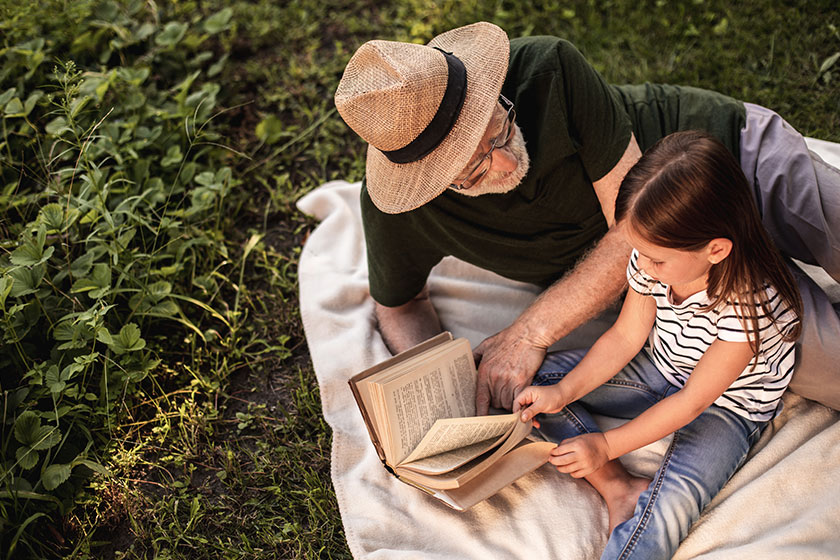
In conclusion, addressing loneliness in old age requires a multifaceted approach that combines emotional resilience, social engagement, technological adaptation, and supportive environments. By implementing these strategies, seniors can experience a more connected, fulfilling, and joyful life. Remember, fostering a sense of belonging and purpose is a continuous journey that can significantly enrich the aging process for everyone involved.