Exploring how to practice gratitude at workplace reveals a powerful approach to fostering a more positive and collaborative professional environment. Cultivating appreciation among colleagues and management not only enhances morale but also drives productivity and engagement. Implementing simple yet effective gratitude practices can transform workplace culture and promote mutual respect and recognition.
This guide offers practical techniques, strategies for integrating gratitude into daily routines, overcoming common barriers, and measuring the impact of gratitude initiatives. Real-life examples and interactive ideas further illustrate how organizations can successfully embed appreciation into their culture, creating a more motivated and harmonious workforce.
Introduction to Practicing Gratitude at the Workplace

In today’s dynamic and often high-pressure professional environments, fostering an attitude of gratitude can significantly enhance workplace culture. Recognizing and appreciating colleagues’ efforts not only boosts morale but also cultivates a more positive, collaborative, and resilient organization. Incorporating gratitude into daily routines encourages individuals to acknowledge contributions, leading to improved relationships and overall job satisfaction.
Practicing gratitude in the workplace goes beyond mere politeness; it serves as a strategic approach to reinforce positive behaviors, reduce stress, and foster a sense of belonging among team members. When gratitude becomes an integral part of organizational culture, it creates an environment where employees feel valued and motivated, which can directly translate into increased productivity and reduced turnover.
Importance of Gratitude in Professional Environments
Gratitude plays a crucial role in shaping a constructive and supportive workplace. It enhances communication by promoting openness and appreciation, which in turn strengthens team cohesion. A culture that values gratitude is likely to see increased trust among colleagues and between management and staff, facilitating smoother collaboration and conflict resolution.
Research indicates that gratitude can positively affect emotional well-being, reduce burnout, and foster a sense of purpose among employees. When individuals feel appreciated, they are more likely to engage actively with their tasks, demonstrate higher levels of commitment, and show increased loyalty towards their organization.
Benefits of Cultivating Gratitude among Colleagues and Management
Developing a culture of gratitude offers numerous tangible benefits that impact both individual and organizational performance:
- Enhanced Morale: Regular recognition fosters a positive atmosphere where employees feel valued and motivated.
- Improved Collaboration: Appreciating each other’s contributions encourages teamwork and open communication.
- Increased Productivity: Grateful environments promote engagement, leading to higher efficiency and quality of work.
- Reduced Stress and Turnover: Acknowledgment helps alleviate workplace stress, decreasing absenteeism and retention costs.
- Stronger Leadership-Employee Relations: Leaders who practice and promote gratitude build trust and loyalty within their teams.
Step-by-Step Guide to Initiating Gratitude Practices at Work
Introducing gratitude practices requires intentional effort and strategic planning. The following steps can serve as a practical roadmap:
- Lead by Example: Management should openly express appreciation and model grateful behaviors to set a standard for the organization.
- Establish Regular Recognition Opportunities: Incorporate gratitude into meetings, such as starting sessions with sharing appreciations or successes.
- Create Formal Platforms for Recognition: Implement peer-to-peer acknowledgment systems, email shout-outs, or gratitude walls to facilitate ongoing appreciation.
- Encourage Personal Reflection: Promote individual practices, such as journaling or daily gratitude prompts, to help employees focus on positive aspects of their workday.
- Provide Training and Resources: Educate staff about the benefits of gratitude and effective ways to express it genuinely.
- Monitor and Reinforce: Regularly evaluate the impact of gratitude initiatives and celebrate milestones to sustain engagement.
Techniques for expressing gratitude daily
In a professional environment, consistently acknowledging colleagues’ efforts fosters a positive and collaborative workplace culture. Implementing practical methods to express gratitude each day not only enhances team morale but also encourages ongoing cooperation and productivity. Developing simple yet meaningful habits can make appreciation a natural part of daily interactions, reinforcing mutual respect and motivation.
Below are effective techniques to incorporate daily gratitude expressions into workplace routines, ranging from direct acknowledgment to digital communication strategies and structured note-giving practices.
Practical Methods to Acknowledge Colleagues’ Efforts
Recognizing colleagues’ contributions can be achieved through various straightforward methods that are easy to implement consistently. These approaches help build a culture of appreciation and strengthen interpersonal relationships within the organization.
| Method | Description |
|---|---|
| Verbal Acknowledgment | Express thanks directly during meetings, in person, or via phone calls to highlight specific efforts or achievements. |
| Written Notes | Send short, personalized messages through emails or physical notes to convey appreciation for particular contributions. |
| Public Recognition | Highlight accomplishments during team meetings or in company newsletters to acknowledge efforts publicly. |
| Digital Praise Platforms | Utilize workplace collaboration tools like Slack, Microsoft Teams, or dedicated gratitude apps to send quick thank-you messages. |
| Small Tokens of Appreciation | Offer small gestures such as coffee vouchers, personalized gifts, or team treats to recognize effort and dedication. |
Templates for Thank-You Notes and Messages
Having ready-to-personalize templates can streamline the process of expressing gratitude, ensuring that acknowledgment feels sincere and timely. Here are adaptable formats that can be customized according to specific contributions and contexts.
Example Thank-You Note Template:
Dear [Colleague’s Name],
I wanted to sincerely thank you for [specific effort or achievement]. Your dedication and hard work made a significant difference, and I truly appreciate your contribution. Looking forward to our continued collaboration.
Best regards,
[Your Name]
Example Digital Message:
Hi [Name],
Just a quick note to say thank you for your support on [project or task]. Your expertise and effort did not go unnoticed, and it made the process much smoother. Appreciate your commitment!
Thanks again,
[Your Name]
Organizing a Routine for Daily Gratitude Expressions
Establishing a consistent routine ensures that gratitude becomes an integral part of daily work culture. Whether through formal meetings or informal digital exchanges, creating a structured approach helps maintain momentum and encourages participation from all team members.
- Daily Check-Ins: Dedicate a few minutes at the start or end of daily team meetings to share appreciation for team members’ efforts. This can be a quick round where everyone acknowledges a colleague’s specific contribution.
- Scheduled Digital Reminders: Use calendar alerts or app notifications to prompt team members to send a gratitude message or acknowledgment at designated times each day.
- End-of-Day Gratitude Summaries: Encourage staff to send brief gratitude messages or highlights of positive interactions at the close of each workday, fostering a habit of reflection and appreciation.
- Gratitude Boards or Digital Walls: Maintain a shared space—physical or virtual—where team members can post notes of appreciation as they occur, creating a visual reminder of ongoing gratitude.
- Inclusion in Routine Communications: Integrate gratitude expressions into daily emails, team chats, or briefings to reinforce the importance of recognizing effort regularly.
Incorporating Gratitude into Workplace Culture
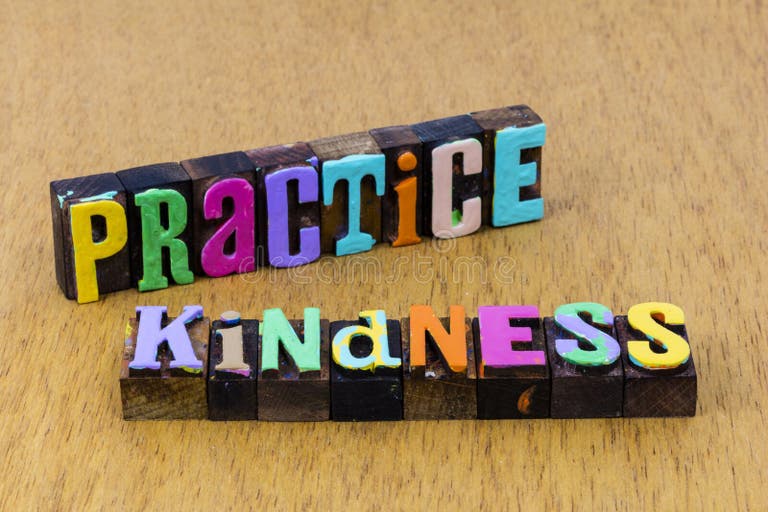
Embedding a culture of appreciation and gratitude within an organization creates a positive environment that boosts morale, enhances collaboration, and fosters employee engagement. When gratitude becomes an integral part of daily routines and organizational values, it translates into increased productivity and stronger interpersonal relationships. Developing such a culture requires deliberate strategies that promote recognition at all levels and encourage consistent expressions of appreciation.
Organizations that prioritize gratitude as a core element of their culture often see tangible benefits, including reduced turnover rates, improved mental well-being among staff, and a more cohesive workplace community. To achieve this, companies need to implement specific programs and cultivate participation from both management and employees, ensuring that appreciation is genuine, inclusive, and sustained.
Strategies to Foster a Company Culture Centered Around Appreciation
To effectively embed gratitude into the organizational fabric, consider adopting the following strategies:
- Leadership Modeling: Leaders and managers should exemplify gratitude through regular acknowledgment of team members’ efforts. Their active participation sets a standard that encourages employees to follow suit.
- Recognition Programs: Establish formal programs such as Employee of the Month, peer recognition platforms, or gratitude walls where staff can publicly share appreciation for colleagues.
- Consistent Communication: Incorporate gratitude into regular meetings, newsletters, and internal communications to reinforce its importance and normalize its practice.
- Training and Workshops: Provide training sessions that educate staff on the value of gratitude and practical ways to express it sincerely and effectively.
- Incentivize Recognition: Link recognition initiatives to organizational values and rewards, creating incentives for active participation in expressing gratitude.
Developing Programs and Initiatives that Promote Recognition and Gratitude
Effective programs are essential in cultivating an environment where appreciation is habitual and impactful. The following initiatives can significantly contribute to this goal:
- Peer-to-Peer Recognition Platforms: Digital tools or apps that allow employees to easily recognize each other’s contributions in real-time, fostering a culture of continuous appreciation.
- Gratitude Journals or Cards: Providing employees with physical or digital journals to record daily acts of kindness and gratitude, which can be shared during team meetings.
- Celebration of Achievements: Regularly celebrating milestones, project completions, and individual successes with acknowledgment sessions or appreciation events.
- Recognition Committees: Forming dedicated teams responsible for identifying deserving individuals and organizing appreciation initiatives.
- Community Service and Giving Back: Encouraging teams to express gratitude through community involvement, reinforcing positive organizational values externally.
Encouraging Management and Employees to Participate Actively
Active participation from both leadership and staff is critical to sustaining a culture of gratitude. Strategies to promote engagement include:
Creating a sense of shared ownership—when employees see that gratitude is valued at all levels, they are more likely to participate enthusiastically.
Management should regularly communicate the importance of appreciation, recognizing efforts publicly, and providing platforms for feedback and suggestions. Encouraging managers to incorporate gratitude into their regular interactions, such as one-on-one meetings and team check-ins, promotes consistency.
Employees can be motivated through peer recognition programs, personal outreach, and acknowledgment of their contributions in team settings. Providing training on how to express genuine appreciation and fostering an environment where gratitude is safe and welcomed will further enhance participation.
Ultimately, cultivating a workplace culture centered around appreciation requires commitment, authenticity, and ongoing reinforcement. When everyone—from top management to new hires—embraces gratitude as a fundamental value, the organization becomes a more positive, inclusive, and productive space.
Overcoming barriers to practicing gratitude

Practicing gratitude in the workplace can significantly enhance morale, collaboration, and overall job satisfaction. However, various challenges can hinder consistent application of gratitude practices, especially in diverse or high-pressure environments. Identifying and addressing these barriers is essential to foster a culture where gratitude becomes a natural part of daily interactions, even during difficult times.Many employees and managers encounter skepticism or apathy regarding gratitude initiatives, often viewing them as superficial or insincere.
Additionally, busy workloads, stress, and organizational culture can diminish motivation or make it difficult to prioritize gratitude. Overcoming these obstacles requires intentional strategies that reinforce the value of expressing appreciation and create sustainable habits that persist amidst workplace challenges.
Addressing skepticism and apathy towards gratitude
Skepticism and apathy often stem from previous experiences where gratitude efforts appeared forced or lacked authenticity. To counteract this, it is crucial to demonstrate genuine appreciation through specific, meaningful acknowledgments that resonate with individuals’ contributions. Recognizing unique efforts and aligning gratitude with personal or team achievements helps build trust and dispel notions of superficiality.Implementing transparent communication about the purpose of gratitude practices and sharing success stories can also foster buy-in.
For instance, highlighting how expressing appreciation has improved team cohesion or productivity can make the benefits tangible. Leadership plays a pivotal role by modeling authentic gratitude, thus setting a standard that others are encouraged to follow sincerely.
Sustaining gratitude during stressful or busy periods
During periods of increased stress or heavy workloads, maintaining gratitude practices can be especially challenging. To sustain these efforts, organizations can embed gratitude into existing routines, making it less burdensome and more habitual. For example, incorporating brief gratitude check-ins at team meetings or recognizing contributions in daily or weekly reports can keep appreciation consistent without adding extra tasks.Creating a culture that values mental well-being and resilience is essential.
Encouraging employees to share positive experiences or gratitude moments during stressful times can foster mutual support, reducing feelings of burnout. Utilizing tools such as gratitude journals or digital platforms dedicated to peer recognition can provide accessible avenues for expressing appreciation, ensuring that gratitude remains a priority even in demanding circumstances.
Remember that authentic, consistent gratitude practices are resilient to workplace challenges and can transform obstacles into opportunities for strengthening team bonds and fostering a positive organizational culture.
Measuring the Impact of Gratitude Initiatives
Implementing gratitude practices within the workplace requires a clear understanding of their effectiveness to ensure continuous improvement and sustained engagement. Establishing appropriate metrics and gathering meaningful feedback are essential steps for evaluating the success of these initiatives and demonstrating their value to the organization. Accurate measurement helps foster a positive culture, enhances employee satisfaction, and aligns gratitude practices with broader organizational goals.Evaluating the impact of gratitude programs involves identifying key indicators that reflect changes in employee morale, teamwork, and overall productivity.
These indicators provide tangible evidence of progress and areas needing attention. Methods for collecting feedback and testimonials from staff are equally important, offering qualitative insights into personal experiences and perceptions. Using systematic tracking tools and creating templates for tracking progress enable organizations to analyze trends over time, celebrate successes, and motivate continued participation.
Key Indicators for Assessing Effectiveness
Assessment begins with selecting measurable indicators that capture the multifaceted effects of gratitude initiatives. Commonly used indicators include:
- Employee engagement levels, often measured through surveys and participation rates in gratitude activities.
- Frequency and quality of peer-to-peer recognition instances.
- Survey results reflecting changes in job satisfaction and workplace morale.
- Retention rates and absenteeism, which can improve as a result of a more positive work environment.
- Team collaboration metrics, such as project outcomes and peer evaluations, indicating enhanced teamwork.
Incorporating these indicators into regular assessments allows organizations to track tangible outcomes linked to gratitude practices.
Methods for Gathering Feedback and Testimonials
Collecting genuine feedback from staff provides valuable qualitative data that complements quantitative metrics. Several effective approaches include:
- Anonymous surveys focused on employees’ perceptions of workplace culture and the influence of gratitude practices.
- Structured interviews or focus groups that explore personal stories and insights on how gratitude initiatives affect daily work life.
- Encouraging employees to submit written testimonials or video messages sharing their experiences.
- Utilizing digital platforms or intranet portals where staff can regularly provide feedback and suggestions.
These methods foster open communication and help organizations understand the emotional and motivational impact of gratitude programs.
Templates for Tracking Progress and Celebrating Successes
Creating structured templates facilitates consistent documentation, making it easier to analyze outcomes and recognize milestones. An example of a simple yet effective tracking table is as follows:
| Date | Gratitude Activity | Participants | Key Outcomes | Feedback Summary | Next Steps |
|---|---|---|---|---|---|
| 2024-04-15 | Weekly peer recognition emails | 50 employees | Increased positive interactions, improved team cohesion | “Feeling more appreciated at work” – employee testimonial | Expand to departmental recognition programs |
| 2024-04-22 | Gratitude wall in the break room | Entire office | Enhanced sense of community, higher engagement | “Love seeing kind messages from colleagues” – staff feedback | Introduce monthly recognition awards based on wall contributions |
Additionally, organizations can develop dashboards that visualize progress over time, highlighting key metrics and celebrating collective achievements. Recognizing milestones, such as reaching a specific participation percentage or receiving positive feedback, boosts morale and sustains momentum for ongoing gratitude efforts.
Real-life examples and case studies
Examining successful implementations of gratitude programs in diverse organizations offers valuable insights into effective practices and potential challenges. These real-world examples demonstrate how intentional gratitude initiatives can foster a positive work environment, enhance employee engagement, and improve overall organizational culture. Analyzing such case studies helps identify replicable strategies that can be adapted to various workplace settings.
By understanding the factors that contributed to the success of these initiatives, organizations can tailor their approaches to fit their unique contexts. From small startups to large corporations, the principles of gratitude practice can be scaled and customized, ensuring sustainable integration into daily operations and long-term cultural transformation.
Successful Organizational Gratitude Initiatives
Several organizations across different sectors have pioneered gratitude programs that significantly impacted their internal culture and external reputation. These initiatives often share common elements such as leadership buy-in, regular communication, and an inclusive approach that encourages participation at all levels.
For example, a technology firm introduced an employee recognition platform that enabled peer-to-peer appreciation, complemented by monthly gratitude events facilitated by management. Over a year, employee engagement scores increased by 15%, and turnover rates decreased notably. This initiative’s success was rooted in its simplicity, accessibility, and genuine focus on peer recognition without hierarchy barriers.
Another case involves a healthcare organization that implemented a gratitude journaling program, encouraging staff to document daily moments of appreciation. This practice fostered resilience and improved teamwork, especially during high-stress periods. The program was effective because it promoted reflection and shared positive experiences, reinforcing a culture of mutual appreciation.
Key Factors Contributing to Effectiveness
Understanding what made these initiatives successful provides a framework for others looking to adopt similar practices. The most effective programs tend to share the following characteristics:
- Leadership Commitment: Leaders actively participate and model gratitude behaviors, setting the tone for the entire organization.
- Consistency and Routine: Regular opportunities for recognition and appreciation ensure that gratitude becomes embedded in daily routines.
- Inclusivity and Accessibility: Initiatives are designed to involve everyone, regardless of role or seniority, fostering a sense of collective ownership.
- Personalization: Tailoring recognition to individual preferences and contributions makes gratitude more genuine and impactful.
- Measurement and Feedback: Monitoring outcomes and gathering employee feedback help refine programs and demonstrate their value.
Adapting Best Practices to Different Workplace Contexts
Translating successful gratitude initiatives across various organizational environments requires flexibility and cultural sensitivity. The core principles—authenticity, consistency, and inclusivity—should guide adaptation efforts.
For smaller organizations or startups, implementing simple peer recognition systems or gratitude notes can be highly effective given limited resources. Larger corporations might develop comprehensive digital platforms that facilitate widespread participation and data tracking. In culturally diverse workplaces, respecting cultural nuances related to recognition and appreciation is essential. For example, some cultures value public acknowledgment, while others prefer private expressions of gratitude.
Creating a tailored framework involves assessing organizational values, employee preferences, and operational structures. Pilot programs can test different approaches, with iterative adjustments based on feedback and measurable outcomes. Ultimately, fostering a gratitude-rich environment hinges on aligning initiatives with the organization’s unique dynamics and fostering a culture where appreciation is genuine, consistent, and embedded into daily practices.
Visual and Interactive Elements to Promote Gratitude

Creating engaging visual and interactive elements is essential for fostering a culture of gratitude within the workplace. These tools can serve as constant reminders and actively involve employees in recognizing and appreciating one another, thereby enhancing overall morale and collaboration. Well-designed visuals and activities not only reinforce the importance of gratitude but also make it a lively and integral part of daily work life.Effective visual and interactive strategies transform abstract concepts of gratitude into tangible, accessible experiences.
They encourage ongoing participation, help sustain momentum around gratitude initiatives, and foster a positive environment where appreciation becomes habitual and contagious.
Design Ideas for Posters, Digital Banners, or Infographics Illustrating Gratitude Concepts
To inspire appreciation and recognition, visually appealing content should clearly communicate the core principles of gratitude. The design should be simple, engaging, and aligned with the organization’s branding, using colors, icons, and typography that evoke warmth and positivity.Consider the following approaches:
- Use vibrant color schemes that evoke positivity, such as warm yellows, gentle oranges, and calming blues, to attract attention and evoke feelings of happiness.
- Include memorable slogans or quotes related to gratitude, like “Appreciate Today, Inspire Tomorrow,” to reinforce the message.
- Develop infographics that visually depict the benefits of gratitude, such as improved teamwork, increased motivation, and enhanced well-being, using icons and data visualizations.
- Create step-by-step visual guides illustrating simple ways employees can express gratitude daily, such as via notes, acknowledgments, or small gestures.
- Design posters with space for employees to write personal notes of appreciation, fostering community participation.
Organizing Interactive Activities or Workshops that Enhance Gratitude Awareness
Interactive activities create experiential learning moments that embed gratitude practices into workplace culture. These sessions promote genuine connections and encourage employees to recognize the contributions of colleagues actively.Some effective activities include:
- Gratitude Circles: Facilitate sessions where team members share recent acts of kindness or appreciation, fostering open communication and mutual respect.
- Recognition Challenges: Implement weekly or monthly challenges encouraging employees to identify and thank at least one colleague, with recognition documented publicly or privately.
- Gratitude Journals: Distribute notebooks where employees record daily or weekly gratitude reflections, which can be shared in group settings or kept personal.
- Creative Workshops: Conduct sessions such as gratitude card-making or visual art projects that allow employees to express appreciation creatively.
- Peer Recognition Platforms: Utilize digital tools or apps that enable real-time acknowledgment and reward for acts of gratitude, encouraging ongoing participation.
Detailing the Process for Creating Visual Content that Encourages Daily Appreciation
Developing visual content aimed at fostering daily gratitude involves a strategic process that ensures messages resonate and inspire consistent engagement. This process should be collaborative, creative, and aligned with organizational values.The process includes:
- Identifying core messages that highlight the importance of gratitude and specific behaviors that promote it within the workplace.
- Engaging graphic designers or using user-friendly design platforms to craft visuals that are clean, relatable, and visually appealing. Incorporate organizational branding elements for consistency.
- Utilizing storytelling techniques within visuals, such as showcasing real employee stories of appreciation, to foster relatability and emotional connection.
- Ensuring visuals are adaptable for various formats—print posters, digital banners, screensavers, or social media—maximizing reach across different platforms.
- Involving employees in the creation process through feedback or participatory campaigns, such as crowdsourcing ideas for gratitude messages or images, to increase ownership and relevance.
- Establishing a regular schedule for updating visual content, keeping the messages fresh and aligned with ongoing gratitude initiatives.
Last Point
In conclusion, practicing gratitude at the workplace is a valuable investment in building a supportive and thriving organizational culture. By adopting the Artikeld techniques and fostering active participation from all levels, companies can achieve lasting positive change. Embracing gratitude not only boosts employee satisfaction but also sets the stage for sustained success and growth.