Learning how to sleep better with anxiety is essential for enhancing overall well-being and quality of life. Anxiety can significantly disrupt sleep patterns, leading to difficulties in falling asleep, frequent awakenings, and restless nights. Understanding the connection between anxiety and sleep allows individuals to adopt effective strategies to promote relaxation and healthier sleep habits.
By implementing calming routines, making mindful lifestyle adjustments, and utilizing natural remedies, it is possible to reduce anxiety’s impact on sleep. These approaches help create a peaceful environment conducive to restful nights, fostering improved mental and physical health.
Understanding the Relationship Between Anxiety and Sleep
Anxiety and sleep are intricately connected, with each influencing the other in complex ways. Recognizing how anxiety impacts sleep patterns is essential for developing effective strategies to improve rest and overall well-being. Anxiety can significantly disrupt the natural processes that regulate sleep, leading to various disturbances that impair the quality and duration of restful sleep.
When anxiety levels are heightened, they can interfere with the body’s physiological mechanisms that facilitate sleep. This interference often results in difficulties falling asleep, maintaining sleep throughout the night, or experiencing restful, uninterrupted sleep cycles. Understanding these physiological effects helps in identifying targeted approaches for managing anxiety-related sleep issues.
Physiological Effects of Anxiety on Sleep Patterns and Circadian Rhythms
During episodes of anxiety, the body’s stress response is activated, primarily through the sympathetic nervous system and the hypothalamic-pituitary-adrenal (HPA) axis. This activation triggers the release of stress hormones such as adrenaline and cortisol. While these hormones prepare the body for a ‘fight or flight’ response, they also significantly disrupt sleep regulation.
Cortisol levels naturally fluctuate throughout the day, peaking in the morning to promote wakefulness and tapering off in the evening to facilitate sleep. Anxiety causes persistent elevation of cortisol levels, which can shift or flatten these natural circadian rhythms. Such disturbances can lead to difficulty initiating sleep, fragmented sleep, or early awakenings, all of which diminish sleep quality.
Physiological Responses Triggered by Anxiety that Interfere with Sleep
Anxiety activates multiple physiological responses that hinder the transition into and maintenance of sleep, including:
- Increased Heart Rate and Blood Pressure: Elevated heart rate and blood pressure caused by anxiety make relaxing into sleep more challenging. The body remains in a heightened state of alertness, preventing the onset of restful sleep.
- Muscle Tension: Anxiety often leads to increased muscle tension, which can create discomfort and impede relaxation necessary for sleep.
- Disrupted Melatonin Production: Elevated stress levels can interfere with the production of melatonin, the hormone responsible for signaling sleep readiness. An imbalance in melatonin levels can delay sleep onset and reduce overall sleep quality.
- Hyperarousal State: Anxiety fosters a state of hyperarousal characterized by heightened neural activity, which hampers the brain’s ability to transition into the restorative stages of sleep, especially slow-wave sleep.
Common Sleep Disturbances Caused by Anxiety
Individuals experiencing anxiety frequently encounter various sleep disturbances, each impacting overall sleep quality and daytime functioning. Recognizing these disturbances is crucial for addressing underlying issues effectively.
- Insomnia: Characterized by difficulty falling asleep, staying asleep, or waking too early, insomnia is one of the most common sleep issues associated with anxiety. It often results from an overactive mind and heightened physiological arousal.
- Restless Sleep: Anxiety can cause fragmented sleep cycles, leading to frequent awakenings throughout the night. This restless sleep prevents individuals from reaching the deeper, restorative stages of sleep.
- Nightmares and Night Terrors: Elevated anxiety levels increase the likelihood of vivid nightmares or night terrors, which can jolt individuals awake and contribute to sleep avoidance or fear of sleep itself.
Understanding the physiological underpinnings of anxiety’s impact on sleep provides a foundation for developing targeted interventions aimed at restoring healthy sleep patterns and reducing anxiety-related disruptions.
Strategies to Reduce Anxiety Before Bedtime
Establishing a calming pre-sleep routine is essential for individuals experiencing anxiety, as it helps signal to the body that it’s time to unwind and prepare for restful sleep. Implementing specific relaxation techniques and creating a peaceful environment can significantly diminish anxious feelings, making it easier to fall asleep and enjoy restorative sleep cycles.
Adopting these strategies involves deliberate steps to foster tranquility, including engaging in relaxation exercises, selecting calming activities, and optimizing the bedroom environment. Consistency and mindfulness in applying these practices can have a profound impact on sleep quality by reducing the physiological and psychological arousal associated with anxiety.
Relaxing Bedtime Routines to Ease Anxiety
Designing a structured routine before bedtime that incorporates relaxation techniques can help lower stress levels and promote sleep readiness. Techniques such as deep breathing, progressive muscle relaxation, and mindfulness exercises work synergistically to calm the nervous system and reduce the racing thoughts often linked with anxiety.
- Deep Breathing Exercises: Engage in slow, diaphragmatic breathing, inhaling deeply through the nose for a count of four, holding the breath for four counts, then exhaling slowly through the mouth for another four counts. Repeating this cycle for five to ten minutes can induce a relaxation response, decreasing heart rate and lowering cortisol levels.
- Progressive Muscle Relaxation (PMR): Starting from the toes and working upward, tense each muscle group for five seconds before releasing the tension gradually. This method helps to identify and relax areas of stress, alleviating physical discomfort and mental tension that contribute to anxiety.
- Mindfulness Meditation: Focus attention on the present moment, observing thoughts, sensations, and breathing without judgment. Guided mindfulness exercises or apps can assist in maintaining focus, calming the mind, and reducing rumination that interferes with sleep.
Calming Activities to Incorporate Before Sleep
Engaging in soothing activities prior to bedtime can reinforce relaxation, making it easier to transition into sleep. These activities should be gentle and enjoyable, helping to divert attention from worries and negative thoughts associated with anxiety.
- Reading: Choose light, uplifting, or neutral material that does not stimulate alertness or provoke emotional reactions. Avoid screens and electronic devices, as blue light can interfere with melatonin production.
- Gentle Stretching: Perform slow, low-impact stretches focusing on the neck, shoulders, back, and legs. This not only relaxes tense muscles but also encourages gentle movement, reducing agitation and promoting bodily relaxation.
- Listening to Soothing Music: Select calming music with slow tempos, soft melodies, and minimal percussion. Playing this softly in the background can create a tranquil atmosphere, helping to lower stress levels and facilitate sleep onset.
Creating an Anxiety-Free Bedroom Environment
The physical space where sleep occurs significantly influences sleep quality, especially for individuals prone to anxiety. An environment free of clutter, with thoughtful scent choices and appropriate lighting, fosters a sense of safety and calmness essential for restful sleep.
- Decluttering: Maintain a tidy, organized bedroom by removing unnecessary items that may induce stress or distraction. A clutter-free space reduces mental overload and promotes a sense of order, which can soothe anxious minds.
- Scent Choices: Use calming scents such as lavender, chamomile, or vanilla through essential oils, diffusers, or scented sachets. These fragrances have documented anxiolytic properties that can promote relaxation and improve sleep quality.
- Lighting Considerations: Opt for dim, warm lighting in the evening to signal the body that it is time to wind down. Avoid bright overhead lights or screens at least an hour before bed, as they can suppress melatonin production and increase alertness, counteracting relaxation efforts.
Dietary and Lifestyle Adjustments for Better Sleep with Anxiety
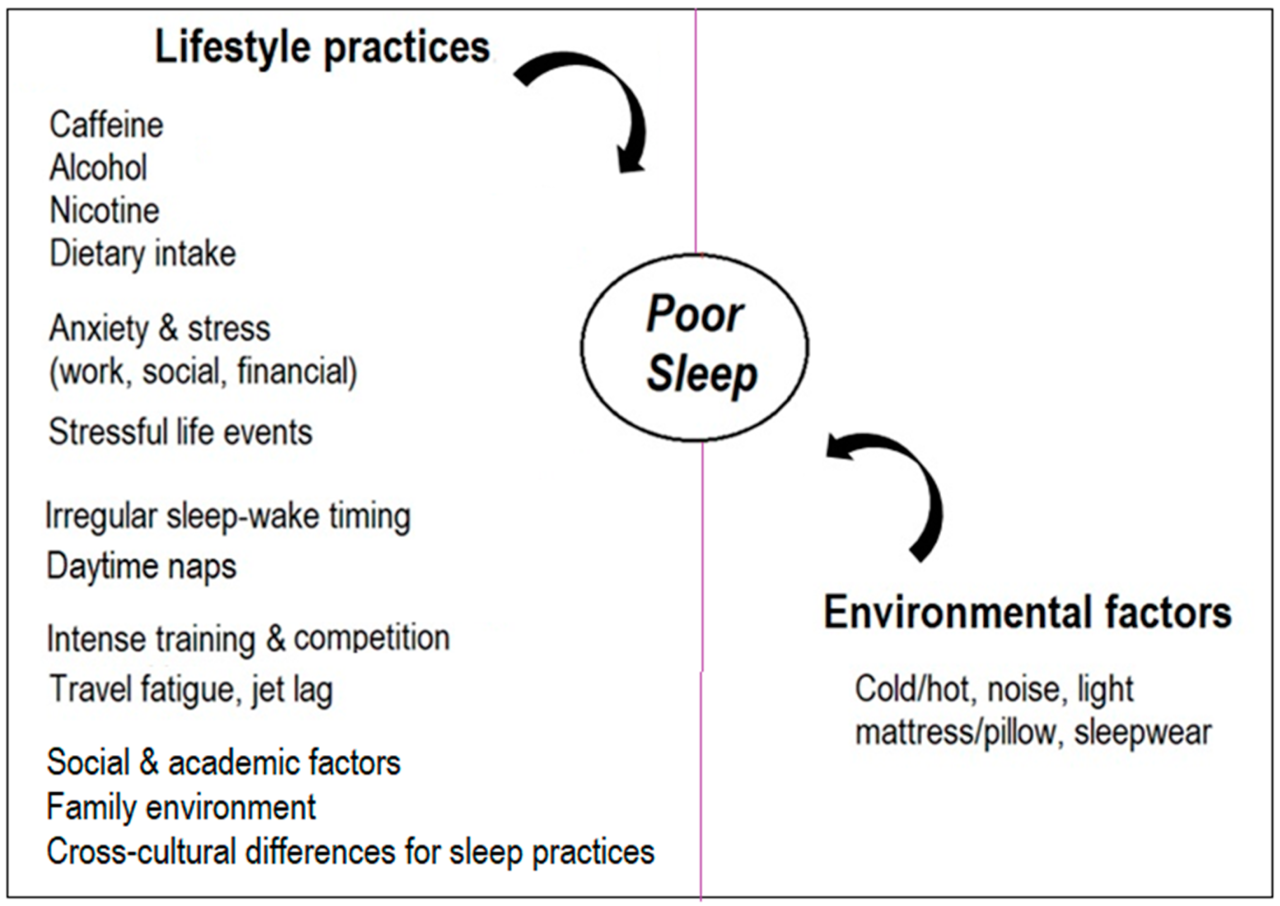
Optimizing diet and lifestyle habits plays a crucial role in managing anxiety and promoting restful sleep. Making mindful choices about what to eat and drink before bedtime, along with establishing suitable exercise routines, can significantly improve sleep quality for individuals experiencing anxiety. These adjustments help reduce physiological arousal, stabilize mood, and foster a more relaxed state conducive to sleep.
By understanding the impact of certain foods, beverages, and activities, individuals can develop personalized routines that support better sleep patterns and mitigate anxiety-related disruptions during the night. Incorporating sleep-friendly snacks, avoiding stimulants, and timing exercise appropriately are essential components of a holistic approach to sleep hygiene.
Foods and Beverages to Avoid Before Bedtime
Consuming specific foods and drinks close to bedtime can interfere with the natural sleep process or heighten feelings of anxiety. These include stimulants, sugar, and heavily processed items that may cause physiological arousal or digestive discomfort, disrupting sleep onset and continuity.
- Caffeine: Found in coffee, tea, chocolate, and certain medications, caffeine stimulates the central nervous system and can delay sleep onset, increase restlessness, and reduce overall sleep quality.
- Sugar and Sugary Foods: Consuming high-sugar snacks or desserts before bed can cause blood sugar spikes and crashes, leading to wakefulness and heightened anxiety symptoms.
- Heavy or Spicy Meals: Large, spicy, or greasy foods may cause indigestion or discomfort, making it harder to fall asleep and potentially increasing anxiety symptoms related to gastrointestinal distress.
- Alcohol: While alcohol might initially promote relaxation, it can disrupt sleep cycles and exacerbate anxiety symptoms during the night, leading to fragmented sleep.
Sleep-Friendly Snacks and Drinks
Incorporating specific snacks and beverages before bedtime can promote relaxation and facilitate sleep onset. These options contain nutrients that support calming neurotransmitters and stabilize mood, making them ideal choices for those with anxiety.
| Snack or Drink | Benefits | Examples |
|---|---|---|
| Herbal Tea | Contains calming properties, promotes relaxation, and does not contain caffeine. | Chamomile, valerian root, passionflower teas |
| Bananas | Rich in magnesium and potassium, which help relax muscles and calm nerves. | Fresh banana slices, banana with a small amount of almond butter |
| Warm Milk | Contains tryptophan, an amino acid that increases serotonin and melatonin levels, aiding sleep. | Plain warm milk or milk with a dash of cinnamon |
| Almonds | Provide magnesium and healthy fats that support sleep and reduce anxiety. | A handful of raw almonds |
| Oats | Contain melatonin and complex carbohydrates that promote drowsiness and stabilize blood sugar levels. | Small bowl of oatmeal with honey |
Exercise Routines to Improve Sleep Quality Without Increasing Anxiety
Engaging in physical activity can significantly enhance sleep quality, provided that the timing and intensity are carefully managed. Exercise reduces stress hormones, promotes mood stability, and fosters physical fatigue conducive to sleep. However, improper timing or excessive intensity may trigger heightened arousal levels or anxiety, undermining these benefits.
- Timing: Exercise should ideally be completed at least 3 hours before bedtime to allow the body to wind down. Evening workouts too close to sleep may elevate adrenaline levels, making it difficult to relax.
- Intensity: Moderate-intensity activities such as brisk walking, yoga, or gentle cycling are most effective for improving sleep without provoking excessive arousal. High-intensity workouts, like sprinting or heavy weightlifting, may increase adrenaline and cortisol, disrupting sleep patterns.
- Type: Mind-body exercises such as yoga, tai chi, or stretching routines help reduce anxiety and promote relaxation, making them excellent choices before bedtime.
- Consistency: Regular, moderate exercise routines foster overall stress resilience and improve sleep quality over time, especially when combined with other sleep hygiene practices.
Incorporating Sleep Aids and Natural Remedies
Ensuring a restful night’s sleep while managing anxiety can sometimes benefit from the use of natural remedies and sleep aids. These approaches can complement behavioral strategies by promoting relaxation, easing tension, and supporting the body’s natural sleep processes. Employing these remedies appropriately can enhance overall sleep quality and reduce anxiety-related disturbances, provided they are used safely and in conjunction with healthy sleep practices.Natural remedies are generally preferred for their minimal side effects and holistic benefits.
They can be particularly effective when integrated into a sleep routine that also includes lifestyle adjustments and anxiety management techniques. It is important, however, to consult healthcare professionals before beginning any new supplement or herbal regimen, especially for those with underlying health conditions or who are taking medications.
Natural Remedies for Anxiety and Sleep Improvement
The following natural remedies are widely recognized for their calming effects and ability to facilitate better sleep, especially for individuals experiencing anxiety.
- Herbal teas: Teas made from calming herbs can promote relaxation and prepare the mind for sleep. Common options include chamomile, valerian root, lavender, passionflower, and lemon balm. These herbs contain compounds that interact with the nervous system to reduce stress and induce drowsiness.
- Supplements: Certain supplements such as melatonin, magnesium, L-theanine, and passionflower extract have demonstrated potential in improving sleep quality and reducing anxiety symptoms. Melatonin regulates the sleep-wake cycle, while magnesium supports muscle relaxation and calmness.
- Essential oils: Aromatherapy using essential oils like lavender, bergamot, and frankincense can enhance relaxation and alleviate anxiety. When diffused in a bedroom or applied topically (properly diluted), they may help create a peaceful environment conducive to sleep.
Preparation and Usage of Natural Remedies
Effective incorporation of these remedies requires correct preparation and consistent application, ensuring safety and maximum benefit.
- Herbal teas: Brew a teaspoon of dried herbs or a tea bag in boiling water for about 5-10 minutes. Strain and consume approximately 30-60 minutes before bedtime. Avoid adding excessive sugar or caffeine, which can interfere with sleep.
- Supplements: Follow the recommended dosage provided on product labels or by a healthcare professional. For example, melatonin is often taken 30 minutes before sleep, with doses typically ranging from 0.5 to 5 milligrams. Magnesium supplements can be taken with water or food in the evening.
- Essential oils: Add a few drops of lavender or other calming oils to a diffuser in the bedroom. Alternatively, dilute essential oils in a carrier oil (such as almond or coconut oil) and apply a small amount to the wrists, temples, or the soles of the feet. Always perform a patch test to check for skin sensitivity.
Safe Use of Over-the-Counter Sleep Aids
Over-the-counter (OTC) sleep aids, including antihistamines like diphenhydramine and doxylamine, can provide short-term relief for sleep issues related to anxiety. However, their use should be approached cautiously and under guidance to avoid dependency or adverse effects.
When used responsibly, OTC sleep aids can serve as a temporary tool to help reset sleep patterns, especially in situations where anxiety prevents falling asleep. It is important to adhere to dosing instructions, limit usage to short durations, and be aware of potential side effects such as daytime drowsiness, dry mouth, or dizziness. Combining OTC aids with non-pharmacological approaches enhances safety and effectiveness, and consulting a healthcare provider ensures they are appropriate given individual health circumstances.
Cognitive and Behavioral Techniques to Improve Sleep
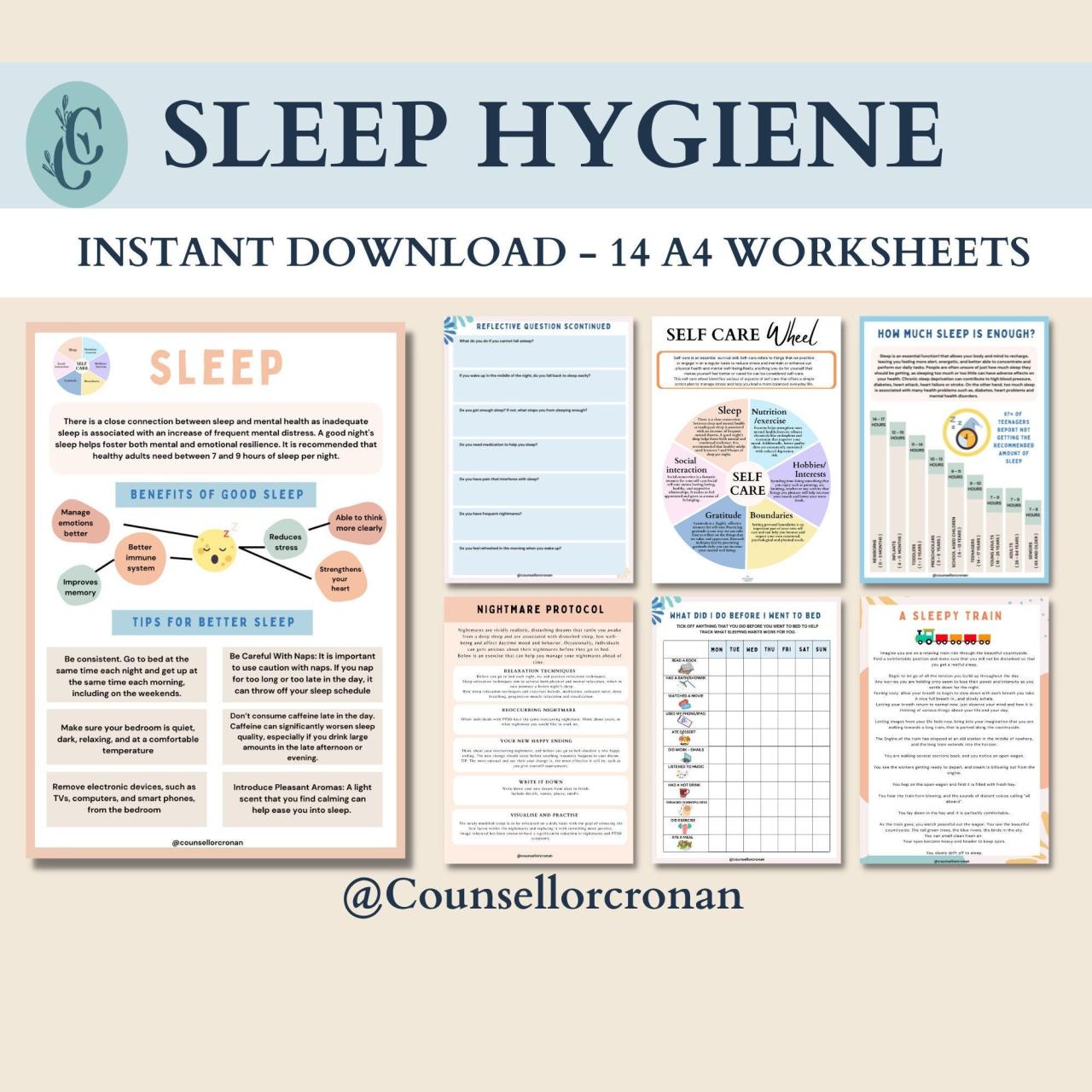
Addressing sleep difficulties associated with anxiety often requires more than lifestyle adjustments and natural remedies. Cognitive and behavioral strategies provide effective tools to reshape thoughts and habits that interfere with restful sleep. Implementing these techniques can significantly reduce anxiety around bedtime, promoting a more peaceful transition into sleep and enhancing overall sleep quality.
By engaging in structured cognitive and behavioral practices, individuals can develop healthier sleep patterns, manage nighttime anxiety, and foster a calming bedtime routine. These techniques complement other approaches and empower individuals to take an active role in improving their sleep health.
Organizing and Implementing Cognitive Behavioral Strategies
Effective management of sleep-related anxiety begins with the systematic organization of behavioral and cognitive strategies. Maintaining a sleep diary helps track sleep patterns, identify triggers, and recognize patterns of worry or restlessness that may be disrupting sleep. This documentation provides insight into behavioral habits and emotional responses, enabling targeted interventions.
Thought restructuring involves identifying negative or anxious thoughts related to sleep, such as fears of not falling asleep or concerns about the consequences of poor sleep. These thoughts are then challenged and replaced with more realistic, calming perspectives. This process fosters a sense of control and reduces sleep-related anxiety, making it easier to relax at night.
Implementing these strategies involves setting aside dedicated time each day to review and update the sleep diary, as well as practicing thought restructuring exercises. Cognitive-behavioral therapy for insomnia (CBT-I) often incorporates these components, guiding individuals through a structured process to modify maladaptive thoughts and behaviors related to sleep.
Practicing Guided Imagery and Visualization Techniques
Guided imagery and visualization are powerful relaxation techniques that help to calm the mind and body before sleep. These methods involve creating vivid mental images that evoke feelings of peace, safety, and relaxation. Regular practice can reduce the physiological arousal associated with anxiety, easing the transition into sleep.
To practice guided imagery, individuals typically find a quiet, comfortable place and close their eyes. They then focus on imagining a calming scene, such as walking through a serene forest, lying on a warm beach, or floating peacefully in a lake. Incorporating sensory details, like the sound of waves or the scent of pine, enhances immersion and relaxation.
Visualization techniques may include imagining a positive outcome for sleep, such as waking refreshed and energized. Guided recordings or scripts can facilitate this process, providing gentle narration and prompts to deepen the sense of calm. Regular practice, especially during the pre-bedtime period, can significantly diminish anxiety and promote restful sleep.
Comparison of Relaxation Techniques
Different relaxation techniques offer varying benefits depending on individual preferences and specific sleep challenges. Understanding their effectiveness, duration, and suitability helps in selecting the most appropriate methods to incorporate into a nightly routine.
| Technique | Effectiveness | Typical Duration | Suitability |
|---|---|---|---|
| Progressive Muscle Relaxation | High; reduces physical tension and anxiety, promotes sleep onset | 10-20 minutes | Ideal for individuals with physical restlessness or muscle tension |
| Deep Breathing Exercises | Moderate to high; calms the nervous system quickly | 5-10 minutes | Suitable for beginners and those seeking quick relief from anxiety |
| Guided Imagery and Visualization | High; effectively reduces mental chatter and promotes relaxation | 10-15 minutes | Best for individuals who enjoy mental visualization and sensory engagement |
| Meditation (e.g., Mindfulness Meditation) | High; cultivates present-moment awareness, reduces rumination | 10-30 minutes (can be shorter for beginners) | Suitable for those comfortable with mental focus and mindfulness practices |
| Autogenic Training | Moderate; promotes feelings of warmth and heaviness to induce relaxation | 15-20 minutes | Helpful for individuals receptive to self-suggestion and body awareness |
Choosing the appropriate relaxation technique depends on personal preference, ease of practice, and specific sleep difficulties. Combining multiple methods can also enhance overall effectiveness, providing a tailored approach to managing anxiety and improving sleep quality.
Establishing Consistent Sleep Patterns and Environment
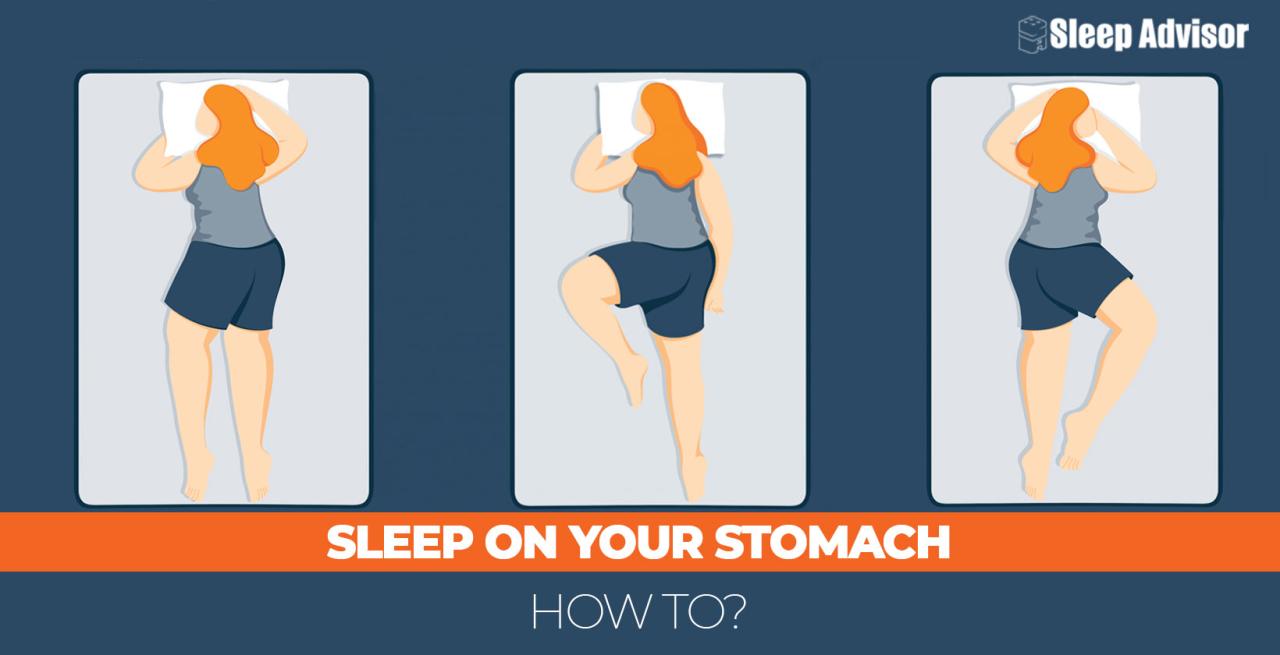
Creating a reliable sleep routine and an optimal sleeping environment is essential for individuals managing anxiety, as it helps reinforce natural sleep-wake cycles and reduces sleep disturbances. Consistency in sleep patterns signals to your body that bedtime is predictable, easing the transition into restful sleep despite fluctuations in anxiety levels. Additionally, shaping a sleep-friendly environment minimizes external disruptions, promoting deeper and more restorative rest.
Implementing these strategies requires deliberate planning and adjustments tailored to your daily schedule and personal preferences. Maintaining this consistency, especially during periods of heightened anxiety, can significantly improve sleep quality over time, fostering a sense of stability and control that benefits mental health and overall well-being.
Designing a Sleep Schedule Aligned with Natural Cycles
To establish a sleep schedule that harmonizes with your body’s circadian rhythms, it is important to identify your natural sleep-wake tendencies and set consistent bedtimes and wake times accordingly. This alignment helps regulate hormonal cycles, body temperature, and alertness levels, which are crucial for quality sleep. For example, if you naturally feel sleepy around 10:30 PM and wake up around 6:30 AM, structuring your sleep around these times can maximize restorative sleep phases.
Consistently adhering to a set schedule—even on weekends—reinforces your internal clock, making it easier to fall asleep and wake up feeling refreshed. Using tools such as sleep tracking apps or journals can help monitor patterns and identify optimal timings that suit your lifestyle while respecting your natural sleep cycle. Over time, this consistency can diminish the impact of anxiety-related sleep disruptions, providing a predictable routine that your mind and body can rely on.
Organizing the Sleep Environment for Optimal Comfort
An environment conducive to sleep not only encourages relaxation but also minimizes disturbances that can exacerbate anxiety. Key aspects include selecting the right mattress, controlling light exposure, and managing noise levels. A supportive, medium-firm mattress that aligns with your preferred sleeping position can reduce discomfort and prevent awakening due to pain or pressure points. Pairing this with high-quality pillows and breathable bedding enhances comfort and temperature regulation.
Light exposure significantly influences melatonin production, the hormone responsible for sleep initiation. Installing blackout curtains or using sleep masks prevents external light from interfering with your circadian rhythm. For noise control, options such as earplugs, white noise machines, or soundproofing can create a tranquil environment, especially in noisy urban settings or shared living spaces. These adjustments foster a peaceful atmosphere that helps your mind relax, even amid anxiety fluctuations, making it easier to drift into sleep.
Maintaining Routine Consistency Amid Anxiety Fluctuations
Fluctuations in anxiety levels can challenge even the most disciplined sleep routines. To sustain consistency, it is vital to develop flexible yet structured habits that can adapt to varying emotional states. For instance, establishing a calming pre-sleep ritual, such as gentle stretching, reading, or listening to soothing music, can serve as a reliable cue for your body to prepare for sleep regardless of anxiety intensity.
Consistency can also be supported through environmental cues, such as maintaining a cool, dark, and quiet bedroom, which remains unchanged despite mood swings. Setting regular alarm times and avoiding stimulating activities close to bedtime prevents abrupt disruptions to your schedule. If anxiety causes difficulty falling asleep on certain nights, practicing gentle relaxation techniques—like deep breathing or progressive muscle relaxation—can help you regain your routine without feeling overwhelmed or inconsistent.
When to Seek Professional Help for Sleep and Anxiety Issues
Recognizing the signs that indicate a need for professional intervention is crucial for effectively managing persistent sleep disturbances and anxiety. While lifestyle adjustments and self-help strategies benefit many, some situations require specialized support to prevent worsening symptoms and improve overall well-being.
Seeking professional assistance can provide tailored treatment plans, early diagnosis of underlying conditions, and guidance on appropriate therapies or medications. Understanding when and how to approach healthcare providers ensures timely intervention, leading to better health outcomes and improved quality of life.
Indicators for Professional Intervention
It is important to be aware of specific symptoms and patterns that suggest that self-management may no longer suffice. Persistent or worsening issues often necessitate expert evaluation to identify underlying causes and develop effective treatment strategies.
- Chronic sleep difficulties: Consistently struggling to fall asleep, stay asleep, or feeling unrefreshed despite following good sleep hygiene practices for more than a few weeks.
- Severe anxiety symptoms: Experiencing intense worry, panic attacks, or physical symptoms such as rapid heartbeat, sweating, or dizziness that interfere with daily functioning.
- Impact on daily life: Sleep and anxiety issues significantly impair work, relationships, or personal activities, leading to distress or functional decline.
- Presence of comorbid conditions: Symptoms of depression, substance abuse, or medical conditions like sleep apnea or thyroid disorders co-occurring with sleep or anxiety problems.
- Previous inadequate response: Lack of improvement despite implementing lifestyle changes and self-help techniques over a reasonable period.
Preparation for Healthcare Consultations
Effective communication with healthcare providers enhances the quality of care and facilitates accurate diagnosis. Preparing relevant information in advance can streamline the consultation process and ensure all concerns are addressed.
- Maintain a sleep and anxiety diary over at least one to two weeks, recording sleep patterns, anxiety episodes, and potential triggers.
- List all symptoms, including their frequency, duration, and severity, to provide comprehensive context.
- Note any medications, supplements, or alternative remedies currently used, along with their effects.
- Prepare questions or topics for discussion, such as treatment options, lifestyle adjustments, or potential side effects of medications.
- Gather relevant medical history, including previous diagnoses, mental health history, and family health background.
Treatment Options for Sleep and Anxiety
Healthcare providers typically recommend a combination of approaches tailored to individual needs. Understanding the available options enables informed decision-making and active participation in treatment plans.
| Therapeutic Approaches | Description |
|---|---|
| Psychotherapy | Cognitive Behavioral Therapy (CBT) for insomnia and anxiety is considered first-line treatment, helping modify negative thought patterns and behaviors that interfere with sleep and increase anxiety. |
| Pharmacotherapy | Medications such as short-term use of sedative-hypnotics, antidepressants, or anti-anxiety drugs may be prescribed, especially when other interventions are insufficient. |
| Alternative and Complementary Therapies | Approaches like mindfulness, relaxation techniques, acupuncture, or herbal supplements may be adjuncts or alternatives, but should be discussed with healthcare providers for safety and efficacy. |
| Lifestyle and Behavioral Interventions | Structured sleep education, stress management strategies, and routine modifications form foundational components of treatment. |
Effective Communication with Healthcare Providers
Open and honest dialogue enhances the effectiveness of interventions and fosters a collaborative care environment. Clear communication ensures that providers understand the full scope of symptoms and concerns, leading to more accurate diagnoses and personalized treatments.
- Describe symptoms in detail, including onset, duration, triggers, and any patterns noticed.
- Discuss the impact of symptoms on daily functioning and emotional well-being.
- Share information about all current treatments, including over-the-counter remedies and alternative approaches.
- Ask for clarification regarding diagnosis, treatment options, potential side effects, and expected outcomes.
- Express preferences and concerns regarding medications or therapy options to facilitate shared decision-making.
Closing Summary
Incorporating these techniques and lifestyle changes can make a meaningful difference in managing anxiety-related sleep issues. Consistency and patience are key, and seeking professional support when necessary ensures a comprehensive approach to achieving better sleep. Embrace these methods to enjoy more restorative nights and a healthier, more balanced life.