Learning how to manage stress during exams is essential for maintaining optimal mental and physical well-being while achieving academic success. Exam periods often bring heightened anxiety and pressure, which can negatively impact performance if not properly addressed. Addressing stress effectively allows students to approach their exams with confidence and clarity, turning potential challenges into opportunities for growth.
This guide explores practical strategies to understand, prevent, and cope with exam-related stress. From developing pre-exam routines and effective study techniques to maintaining a healthy lifestyle and managing exam day anxiety, the content aims to equip students with comprehensive tools to navigate their exams smoothly and confidently.
Understanding Stress During Exams
Exam periods are often accompanied by heightened levels of stress among students, stemming from the pressure to perform well, looming deadlines, and the fear of failure. Recognizing how stress manifests during these times is crucial for managing it effectively and maintaining overall well-being. Both physiological and psychological responses to exam stress can significantly impact a student’s performance and health.
Stress during exams can be broadly categorized into acute stress, which is temporary and directly related to specific exam situations, and chronic stress, which persists over a longer period and may result from ongoing academic pressures or personal factors. Understanding these distinctions helps in developing targeted strategies to cope with each type effectively.
Physiological and Psychological Effects of Exam Stress
When students face exam stress, their bodies and minds respond through various mechanisms designed to prepare them for a ‘fight or flight’ response. These reactions can be beneficial in short bursts but detrimental if prolonged or intense. Physiologically, stress triggers the release of hormones such as adrenaline and cortisol, leading to symptoms like increased heart rate, rapid breathing, sweating, dry mouth, muscle tension, and gastrointestinal disturbances.
These responses can impair concentration, memory, and decision-making abilities.
Psychologically, exam stress can cause anxiety, irritability, restlessness, and feelings of overwhelm. Persistent stress may also lead to sleep disturbances, decreased motivation, and negative thoughts about performance, which can further hinder exam preparation and results. Recognizing these effects enables students to identify when their stress levels are becoming unmanageable and seek appropriate support or coping mechanisms.
Comparison Between Acute and Chronic Stress Responses During Exams
Understanding the differences between acute and chronic stress responses is essential for targeted management. Acute stress is a sudden, intense reaction to a specific exam or deadline. It can enhance alertness and focus temporarily, often improving performance if managed well. For example, feeling nervous right before an exam can motivate a student to review critical material efficiently.
In contrast, chronic stress persists over an extended period, often due to continuous academic workload, unrealistic expectations, or personal issues. It can lead to exhaustion, decreased immune function, and mental health issues such as depression and anxiety. Chronic stress during exams might manifest as ongoing fatigue, irritability, and difficulty concentrating, all of which can impair academic performance and overall health.
Common Stress Symptoms Experienced by Students During Exam Periods
Students often exhibit a range of physical, emotional, and behavioral symptoms when experiencing exam stress. Identifying these symptoms early can facilitate timely intervention and stress management:
- Physical Symptoms: Headaches, muscle tension, rapid heartbeat, sweating, stomach upset, sleep disturbances, and fatigue.
- Emotional Symptoms: Anxiety, irritability, mood swings, feelings of helplessness, and overwhelm.
- Behavioral Symptoms: Changes in appetite, withdrawal from social interactions, procrastination, and difficulty concentrating.
Recognizing early signs of stress allows students to implement coping strategies promptly, preventing escalation into more severe health issues.
Techniques for Managing Stress Before Exams
Preparing effectively for exams involves not only mastering the subject matter but also establishing routines that help mitigate stress and anxiety. Implementing structured pre-exam strategies can foster a sense of control, boost confidence, and promote mental well-being, ultimately enhancing exam performance.
Developing a consistent pre-exam routine is essential in reducing last-minute panic. It includes practical steps such as organizing study materials ahead of time, engaging in relaxation exercises, and creating a balanced schedule that minimizes cramming. Incorporating these techniques into your exam preparation can create a calmer, more focused mindset when the day arrives.
Developing Effective Pre-Exam Routines
Establishing a systematic approach to pre-exam preparations ensures that students avoid unnecessary stress and feel ready to face their assessments. Follow these step-by-step procedures to craft an effective routine:
- Plan Your Study Schedule in Advance: Begin by marking exam dates on a calendar and dividing the syllabus into manageable sections. Allocate specific days for each topic, ensuring comprehensive coverage without last-minute overload.
- Create a Daily Routine: Set consistent wake-up and study times leading up to the exam. Incorporate short breaks to prevent fatigue and maintain concentration.
- Prepare Exam Materials Early: Gather necessary stationery, identification, and any permitted resources at least a day before. Confirm the location and route to avoid last-minute logistical stress.
- Practice Relaxation Techniques: Integrate activities such as deep breathing or meditation into daily routines to cultivate calmness and mental clarity before the exam day.
- Limit Cramming: Focus on understanding key concepts rather than last-minute memorization. Review summaries and main points rather than entire chapters to reinforce confidence.
- Get Adequate Rest: Prioritize sleep during the days leading up to exams; a well-rested mind is more alert and less prone to anxiety.
Relaxation Methods for Pre-Exam Stress Relief
Engaging in relaxation exercises is an effective way to reduce pre-exam anxiety. Below is a table outlining various relaxation techniques, their descriptions, and recommended usage:
| Relaxation Method | Description | Suggested Usage |
|---|---|---|
| Deep Breathing | Involves slow, diaphragmatic breaths that activate the parasympathetic nervous system, promoting relaxation. | Practice for 5-10 minutes before study sessions or just prior to the exam to calm nerves. |
| Meditation | Focuses attention and eliminates distractions, fostering mental clarity and reducing anxiety. | Engage in guided meditation sessions for 10-15 minutes daily, especially during stressful periods. |
| Progressive Muscle Relaxation | Involves tensing and then relaxing different muscle groups to release physical tension. | Perform a routine of tensing and relaxing muscle groups starting from the feet up, particularly before sleeping or during breaks. |
Constructing a Balanced Study Schedule
Creating a study timetable that prioritizes consistent review and avoids cramming is vital for reducing exam stress. Consider the following strategies:
- Break Down Topics: Divide the syllabus into smaller sections and assign specific days for each, ensuring even coverage and sufficient revision time.
- Allocate Rest and Leisure: Incorporate regular breaks and leisure activities into your schedule to prevent burnout and maintain motivation.
- Prioritize Difficult Subjects: Tackle challenging topics when your energy levels are highest, typically earlier in the day.
- Review Progress Weekly: Assess your understanding periodically and adjust the schedule to focus on weaker areas.
- Limit Study Sessions: Keep study blocks to 2-3 hours with short breaks in between to sustain concentration and prevent fatigue.
- Avoid Last-Minute Cramming: Finish studying at least a day before the exam to allow for mental rest and consolidation of knowledge.
Effective Study Strategies to Reduce Stress
Adopting well-structured study methods can significantly alleviate exam-related stress by making preparation more manageable and boosting confidence. Organized study routines foster a sense of control, allowing students to approach their exams with clarity and focus. Implementing proven techniques not only enhances memory retention but also reduces feelings of overwhelm that often accompany last-minute cramming.
By integrating efficient study strategies, students create an environment conducive to deep learning and confidence. These approaches help in breaking down complex topics, managing time effectively, and maintaining motivation throughout the exam preparation period.
Organizing Study Material for Efficient Learning
Organizing study materials is crucial for streamlining revision sessions and ensuring comprehensive coverage of topics. Effective organization involves categorizing notes, prioritizing subjects based on exam schedules, and creating a study timetable that allocates sufficient time for each subject. Utilizing folders, labels, and digital tools can help keep materials accessible and systematically arranged, reducing the chaos often associated with exam prep.
Designating specific areas for different subjects or topics minimizes distractions and saves valuable time during study sessions. Periodic review of organized materials reinforces learning and ensures nothing is overlooked, fostering a sense of preparedness that diminishes anxiety.
Memory Aids and Active Recall Techniques
Implementing memory aids and active recall methods enhances retention and recall during exams. These techniques transform passive review into active engagement, making learning more effective and less stressful. The following proven strategies can be incorporated into daily study routines:
- Mnemonics: Using acronyms, rhymes, or associations to remember lists or complex information. For example, the mnemonic “HOMES” helps recall the Great Lakes: Huron, Ontario, Michigan, Erie, Superior.
- Flashcards: Creating question-answer pairs on cards facilitates quick review and self-testing, strengthening memory pathways.
- Practice Tests: Regularly attempting past papers or mock exams reinforces understanding and highlights areas needing improvement.
- Chunking: Breaking down large pieces of information into smaller, manageable units helps in easier recall, especially for lengthy processes or sequences.
- Spacing Effect: Distributing study sessions over time rather than cramming enhances long-term retention and reduces exam stress.
- Self-Explanation: Explaining concepts aloud in one’s own words consolidates understanding and identifies gaps in knowledge.
Using Visual Aids to Simplify Complex Topics
Visual aids such as mind maps, charts, and diagrams serve as powerful tools to simplify intricate subjects and facilitate easier comprehension. These visual representations transform abstract or dense information into organized, visually appealing formats that are easier to recall during exams. Mind maps, for instance, illustrate relationships between concepts, making it easier to see the big picture and understand connections.
Charts and infographics condense data into digestible visuals, aiding in the quick assimilation of facts, figures, and processes. When preparing for exams, incorporating visual aids into study sessions can break monotony, engage different learning styles, and improve overall retention, thus reducing stress associated with complex or voluminous material.
Maintaining Healthy Lifestyle Habits
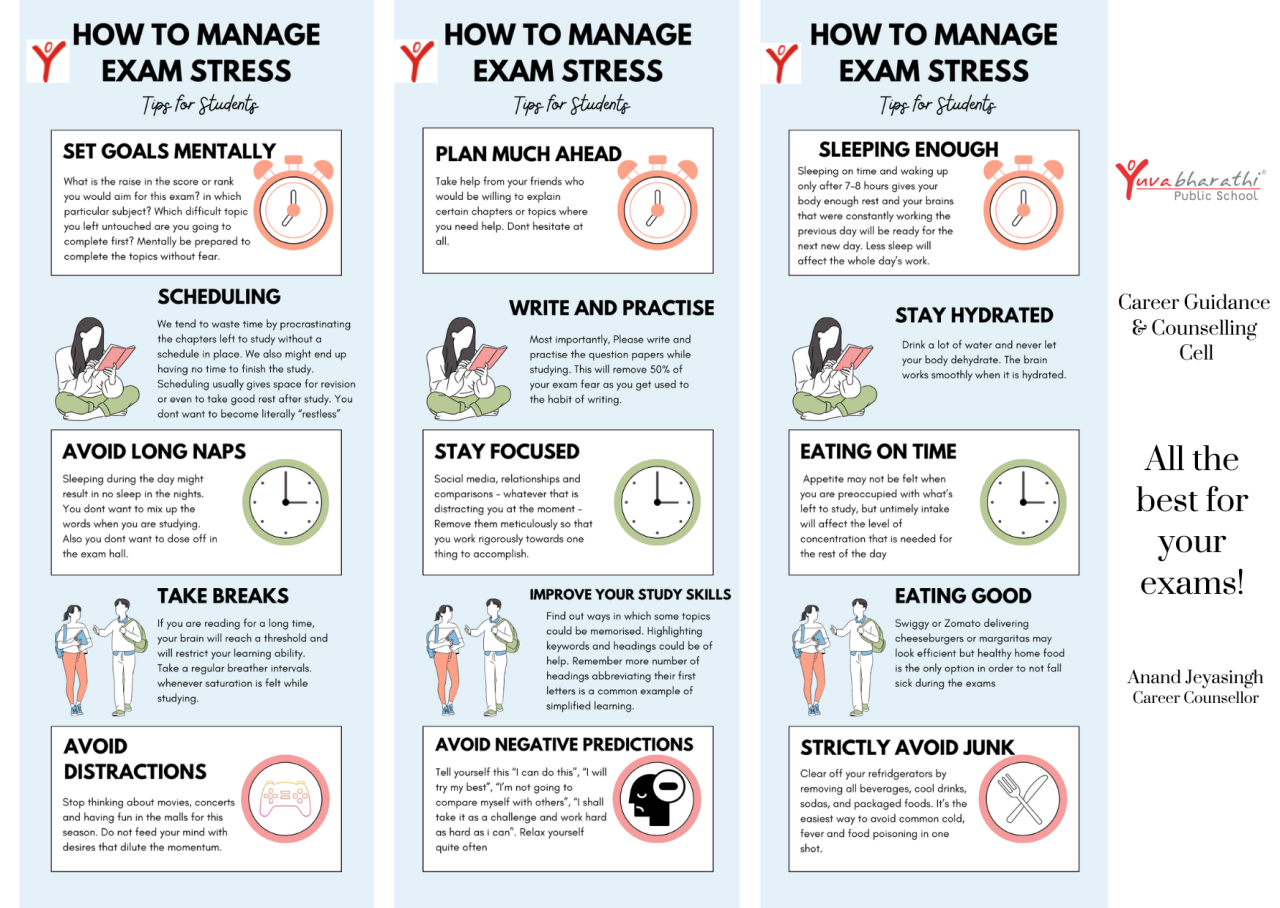
Ensuring that healthy lifestyle habits are a central part of exam preparation can significantly influence stress levels and overall performance. Proper nutrition, regular physical activity, and sufficient sleep are essential components that support mental clarity, emotional stability, and physical resilience during stressful periods such as exams. Developing routines that incorporate these habits can empower students to manage stress more effectively and enhance their cognitive capabilities.Healthy lifestyle habits provide the foundation for sustained mental and physical well-being, especially during demanding academic periods.
When students prioritize balanced nutrition, consistent exercise, and adequate sleep, they create a resilient body and mind capable of handling the pressures of exams. These habits not only reduce immediate stress but also foster long-term health benefits, contributing to better academic outcomes and personal well-being.
Nutrition That Supports Cognitive Function During Exams
Good nutrition plays a pivotal role in maintaining cognitive performance and managing stress during exams. The brain requires a steady supply of nutrients to function optimally, particularly during periods of intense mental activity. Consuming a balanced diet rich in specific vitamins, minerals, and macronutrients can improve concentration, memory, and overall mental clarity.Nutrition strategies to support cognitive function include prioritizing foods that are high in antioxidants, healthy fats, and complex carbohydrates.
For example, incorporating berries, nuts, seeds, whole grains, lean proteins, and vegetables into daily meals provides essential nutrients that strengthen brain health and combat oxidative stress. Adequate hydration is equally important, as water is vital for maintaining focus and preventing fatigue during study sessions and exams.
Key nutritional recommendations for exam periods include:
- Consume omega-3 fatty acids found in fatty fish such as salmon, mackerel, and sardines to support brain cell function.
- Include leafy green vegetables like spinach and kale that are high in antioxidants and vitamins such as vitamin K and folate.
- Opt for complex carbohydrates such as oats, brown rice, and whole wheat bread to provide a steady release of energy.
- Limit intake of processed foods, sugary snacks, and caffeine, which can cause energy crashes and increase anxiety levels.
- Maintain adequate hydration by drinking water regularly, aiming for at least 8 glasses per day.
Incorporating Regular Physical Activity to Lower Stress Levels
Engaging in consistent physical activity is a proven method for reducing stress and enhancing mental focus, particularly during exam preparations. Exercise stimulates the release of endorphins, the body’s natural mood enhancers, which can counteract feelings of anxiety and fatigue. Moreover, physical activity improves sleep quality, boosts energy levels, and promotes better overall mental health.It is recommended that students aim for at least 150 minutes of moderate aerobic activity weekly, such as brisk walking, cycling, or swimming.
Incorporating short bouts of activity into daily routines, like stretching or quick walks between study sessions, can also be highly beneficial. Additionally, activities like yoga or tai chi combine physical movement with mindfulness, further helping to alleviate stress and improve concentration.
Effective strategies for integrating physical activity include:
- Scheduling daily exercise sessions at consistent times to establish routine and commitment.
- Participating in group activities or sports to foster social support and motivation.
- Using activity as a break during study periods to refresh the mind and prevent burnout.
- Choosing enjoyable activities to increase adherence and sustain long-term habits.
Recommendations for Adequate Sleep and Its Importance in Exam Performance
Sleep is a critical component of a healthy lifestyle that directly influences cognitive functions such as memory, attention, and problem-solving skills. During exams, it is common for students to sacrifice sleep to cram, but inadequate rest can impair decision-making, increase stress levels, and negatively affect exam results.Aiming for 7 to 9 hours of quality sleep each night is advisable for optimal brain functioning.
Establishing a consistent sleep schedule, even on weekends, can improve sleep quality and help regulate the body’s internal clock. Creating a relaxing pre-sleep routine, such as reading or practicing mindfulness, minimizes disruptions from electronic devices and environmental disturbances.
Key sleep-related recommendations include:
- Avoid caffeine and heavy meals at least 2-3 hours before bedtime to promote restful sleep.
- Limit screen time before sleep, as blue light exposure can suppress melatonin production.
- Ensure the sleeping environment is cool, dark, and quiet to facilitate uninterrupted rest.
- Practice relaxation techniques like deep breathing or meditation if experiencing difficulty falling asleep.
- Prioritize sleep as a vital part of exam preparation, recognizing that rest enhances memory consolidation and stress management.
Managing Exam Day Anxiety
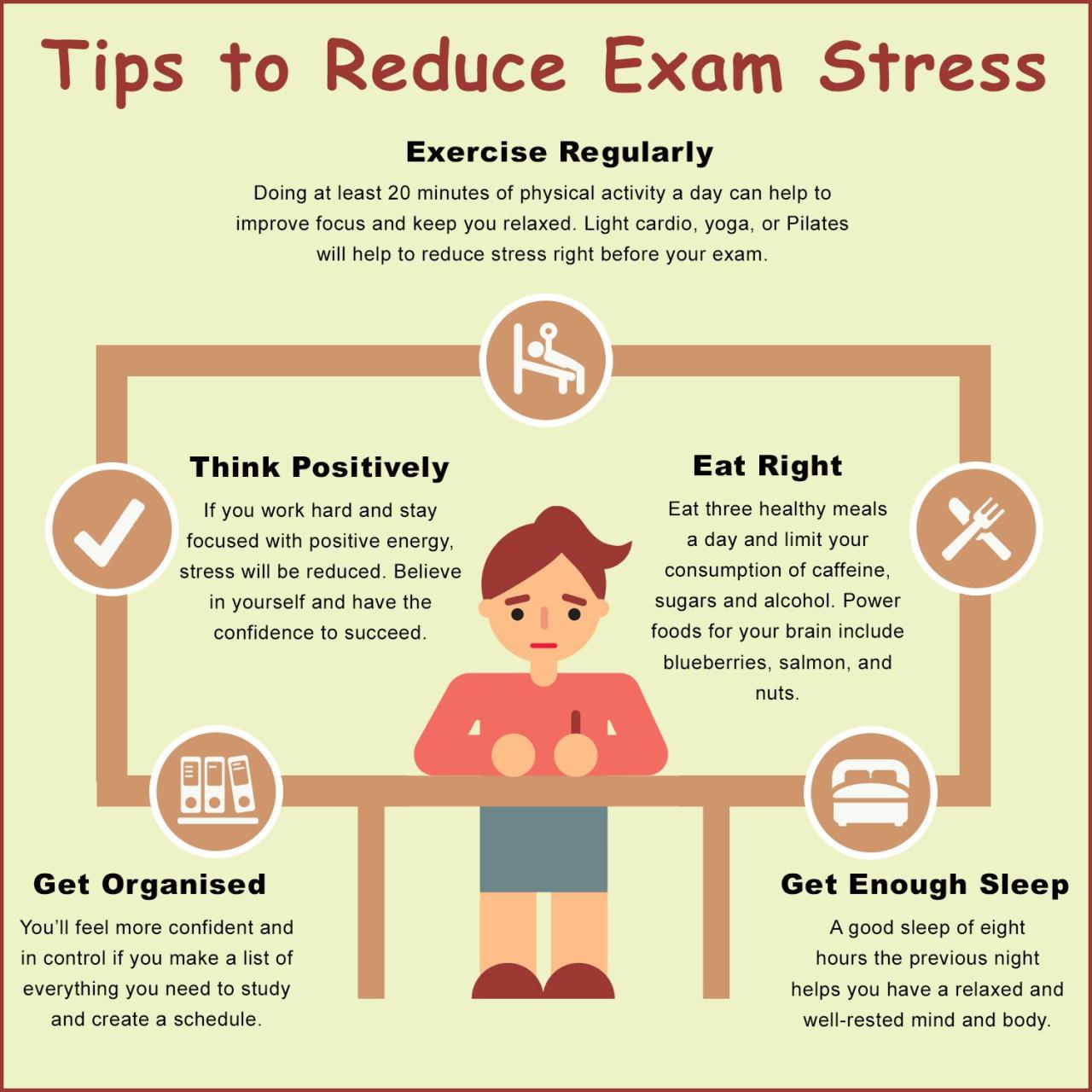
Exam day can often evoke feelings of anxiety and nervousness, even among well-prepared students. Effectively managing these emotions is essential to performing at one’s best and maintaining mental clarity throughout the examination process. Implementing strategies to stay calm and focused can significantly enhance exam performance and reduce the impact of stress during this critical period.
Preparation on the day of the exam involves both logistical planning and mental readiness. Ensuring confident organization and adopting calming techniques can help students approach their exams with a balanced mindset. This section offers practical procedures for readiness, compares effective calming methods, and shares essential tips for maintaining focus and composure during the exam itself.
Preparing a Checklist for Exam Day Readiness
A comprehensive checklist serves as a vital tool to ensure all necessary items and preparations are in place before heading to the exam. It reduces last-minute stress and prevents forgetfulness of essential materials. The following procedures assist in creating an effective checklist:
- Gather all required materials, including admit card, identification, stationery, and any permitted reference materials.
- Verify the exam location, start time, and transportation arrangements well in advance.
- Ensure a balanced breakfast and adequate hydration to maintain energy levels.
- Sleep sufficiently the night before to promote alertness and concentration.
- Pack your bag the night before, placing items in an organized manner for easy access.
- Plan to arrive at the exam venue at least 15-20 minutes early to account for unforeseen delays.
- Include personal comfort items such as a water bottle, tissues, and a watch or timer.
- Review any last-minute instructions or guidelines provided by the exam authorities.
Having a checklist tailored to personal needs and exam requirements can streamline the morning routine and help foster a sense of control and preparedness, thereby alleviating anxiety.
Calming Techniques Comparison
Different calming techniques can be effective in reducing exam day anxiety. Understanding their mechanisms and choosing the most suitable method can enhance mental clarity and emotional stability during the exam.
| Technique | Description | Advantages |
|---|---|---|
| Visualization | Imagining a peaceful scene or successful exam experience to promote positive mental imagery. | Builds confidence, reduces negative thoughts, and fosters a sense of control. |
| Positive affirmations | Repeating encouraging statements such as “I am prepared” or “I can handle this” to reinforce self-belief. | Boosts self-esteem, diminishes self-doubt, and shifts focus to strengths. |
| Breathing exercises | Engaging in slow, deep breaths, such as diaphragmatic breathing, to calm the nervous system. | Reduces physiological symptoms of anxiety, improves focus, and enhances relaxation. |
Tip: Combining these techniques can yield synergistic effects, providing a comprehensive approach to calming exam day nerves.
Tips for Maintaining Focus and Composure During Exams
Staying focused and maintaining composure during the exam process is crucial for optimal performance. Several practical tips can help achieve this, especially when anxiety levels are high:
- Read instructions carefully to ensure understanding of each question and avoid unnecessary mistakes.
- Allocate time wisely, dividing the exam into manageable sections and setting mini-deadlines.
- Practice mindfulness by bringing attention to the present moment, acknowledging nervous feelings without judgment.
- Maintain a steady, rhythmic breathing pattern to stay calm and centered when feeling overwhelmed.
- Keep a positive internal dialogue, reminding yourself of your preparation and abilities.
- Use physical cues such as sitting upright and keeping shoulders relaxed to promote alertness.
- Avoid dwelling on difficult questions; instead, move on and return to challenging items after completing easier ones.
- Stay hydrated and take brief mental breaks if permitted, to reset focus and reduce fatigue.
Implementing these strategies can help students sustain concentration, manage unexpected stressors, and approach each question with confidence and clarity during the exam.
Post-Exam Relaxation and Reflection
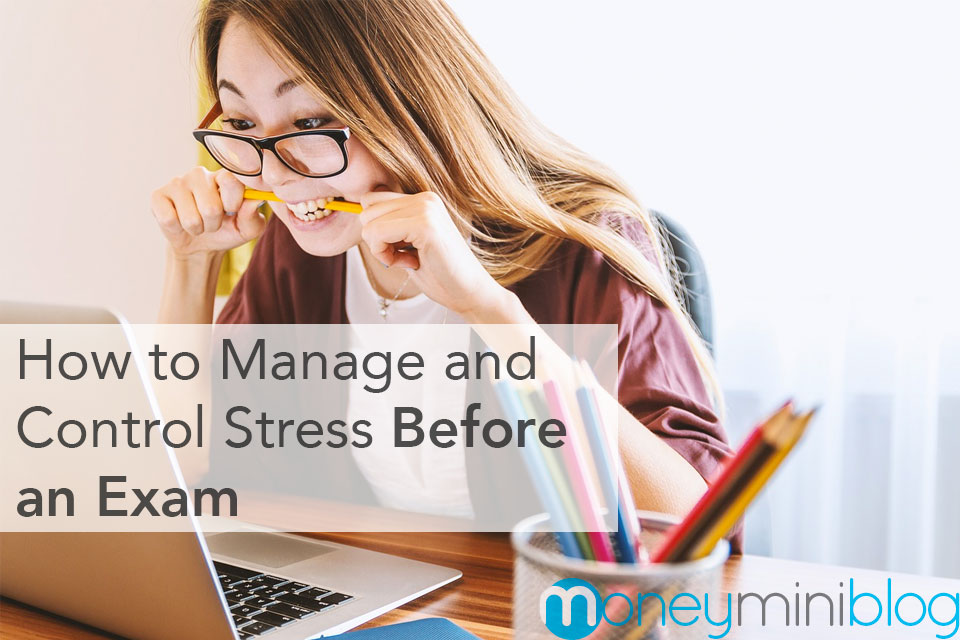
After completing exams, it is crucial to engage in activities that promote mental and physical recovery. Proper relaxation helps prevent lingering stress, restores energy levels, and fosters a positive mindset. Reflection on the exam process allows students to analyze their strengths and identify areas for improvement, reducing anxiety for future assessments. Implementing effective post-exam strategies ensures overall well-being and prepares students for upcoming challenges with confidence.
Incorporating structured relaxation techniques and reflective practices can significantly enhance a student’s emotional resilience. These approaches not only aid in immediate recovery but also contribute to developing healthier attitudes toward exams and learning. Cultivating habits of self-care and constructive evaluation supports continuous personal growth and academic success.
Methods to Decompress and Relax After Exams
Effective decompression strategies are essential to transition from exam-related stress to a state of calm and rejuvenation. These methods focus on calming the mind, rejuvenating the body, and fostering a positive emotional state.
- Physical Activity: Engaging in light exercise such as walking, yoga, or stretching helps release endorphins, which are natural mood enhancers. For example, a 30-minute walk in a park can significantly reduce stress levels and improve mood.
- Mindfulness and Meditation: Practicing mindfulness exercises or meditation techniques, such as deep-breathing or guided imagery, helps calm racing thoughts and promotes relaxation. Consistent practice for even 10 minutes can lead to noticeable improvements in stress management.
- Pursuing Enjoyable Activities: Spending time on hobbies like reading, listening to music, or engaging in creative arts can divert attention from lingering exam concerns and foster joy and relaxation.
- Social Interactions: Connecting with friends, family, or support groups provides emotional comfort and helps process feelings related to the exam experience.
- Adequate Rest: Prioritizing quality sleep post-exam is vital for mental clarity and physical recovery. Creating a calming bedtime routine can facilitate restorative sleep.
Reflection Template to Evaluate Exam Performance and Reduce Future Anxiety
Structured reflection allows students to objectively assess their exam experience, recognize achievements, and identify areas for growth. A well-designed reflection template fosters constructive feedback and minimizes future anxiety by clarifying lessons learned and setting realistic goals.
Sample Reflection Template:
Aspect Details What went well? Identify strategies, topics, or questions where you performed confidently. For example, mastering essay structure or applying formulas accurately. Challenges faced Note areas where difficulties arose, such as time management or understanding specific concepts. Emotional response Reflect on feelings during the exam—anxious, confident, rushed—and how they influenced performance. Lessons learned Highlight insights gained, like the need for better revision strategies or relaxation techniques during the exam. Goals for future exams Set achievable targets, such as improving time management by practicing mock tests or reviewing weak topics weekly.
Using this template regularly encourages a growth mindset, reduces self-criticism, and helps set clear, actionable steps for upcoming assessments. It fosters a healthier perspective on exams, emphasizing learning and progress over perfection, thereby alleviating future anxiety.
Activities Promoting Mental Well-Being and Recovery Post-Exam
Engaging in restorative activities supports mental health and helps rebuild emotional resilience after exams. Incorporating a variety of activities ensures a balanced approach to recovery and sustains motivation for future academic endeavors.
- Physical Exercise: Activities like swimming, cycling, or sports not only improve physical health but also boost mood through endorphin release.
- Creative Pursuits: Drawing, painting, writing, or playing music allows emotional expression and provides an enjoyable distraction from academic stress.
- Nature Walks: Spending time outdoors in natural settings reduces stress hormones and enhances mental clarity. For instance, a walk in a botanical garden can rejuvenate the mind.
- Social Engagements: Attending social events or volunteering can foster a sense of community and purpose, counteracting feelings of isolation or fatigue.
- Mental Relaxation Techniques: Practices such as progressive muscle relaxation or breathing exercises support ongoing stress management and promote calmness.
- Self-Care Rituals: Enjoying activities like spa days, journaling, or mindfulness baths encourages self-compassion and emotional healing.
Consistently integrating these activities into post-exam routines nurtures mental resilience, promotes a sense of achievement, and prepares students to approach future academic challenges with renewed confidence and well-being.
Last Point

In conclusion, managing stress during exams requires a balanced approach that combines preparation, healthy habits, and mindful strategies. By implementing these techniques, students can reduce anxiety, perform at their best, and foster resilience for future academic challenges. Remember, a calm mind and a well-prepared attitude are your best assets during exam season.