Managing panic attacks in the workplace is essential for maintaining both productivity and well-being. Understanding how these episodes manifest and recognizing early warning signs can empower individuals to respond calmly and effectively during challenging moments.
This guide offers practical strategies for immediate relief, fostering a supportive environment, and developing long-term coping mechanisms to navigate anxiety at work confidently and with resilience.
Understanding Panic Attacks at Work

Panic attacks can occur unexpectedly in the workplace, impacting an individual’s ability to perform and maintain composure. Gaining a comprehensive understanding of the physiological and psychological aspects of these episodes is essential for effective management and fostering a supportive work environment. Recognizing the common triggers and symptoms specific to the work setting enables colleagues and employers to respond appropriately, ensuring that individuals experiencing panic attacks receive the necessary support and understanding.
In a professional context, panic attacks are characterized by sudden and intense episodes of fear or discomfort that can disrupt an employee’s focus and productivity. These episodes often manifest physically, psychologically, or through a combination of both, which may lead to misunderstandings if not properly recognized. By understanding the underlying mechanisms and potential workplace triggers, organizations can implement strategies to reduce occurrences and help affected employees manage their symptoms more effectively.
Physiological and Psychological Aspects of Panic Attacks in the Workplace
During a panic attack, the body’s autonomic nervous system triggers a fight-or-flight response, leading to a cascade of physiological reactions. These include rapid heartbeat, shortness of breath, chest tightness, sweating, trembling, and dizziness. Psychologically, individuals may experience overwhelming fear, a sense of losing control, or feelings of impending doom. In the workplace, these symptoms can escalate quickly, especially if the individual is unprepared or unaware of their onset.
The physiological response is rooted in the body’s interpretation of perceived danger, even when no real threat exists. This misfiring can be triggered by stressors such as tight deadlines, high-pressure meetings, or conflicting priorities. The psychological component often involves intrusive thoughts of failure or inadequacy, which can amplify physical symptoms and prolong the episode if not addressed promptly.
Common Triggers for Panic Attacks in the Work Environment
Recognizing specific triggers within the workplace can help in proactive management and prevention. These triggers are often linked to the environment, workload, or interpersonal dynamics, and understanding them allows for targeted strategies to reduce their impact.
Work-related triggers include:
- High-pressure situations, such as approaching deadlines or critical presentations
- Excessive workload leading to feelings of being overwhelmed
- Conflicts with colleagues or supervisors that cause emotional distress
- Lack of control over work tasks or uncertainty about job security
- Multitasking or frequent interruptions that disturb concentration
- Environmental factors like noisy settings, poor lighting, or crowded spaces
Note: Personal triggers vary among individuals; some may experience panic attacks due to specific phobias or memories associated with the work setting.
Signs and Symptoms of Panic Attacks During Work Hours
Early recognition of panic attack symptoms allows for timely intervention and help. Symptoms can appear suddenly and may be mistaken for other medical conditions if not properly understood.
Common signs and symptoms experienced by employees during a panic attack include:
- Intense fear or a sense of impending doom, often without an obvious reason
- Rapid heartbeat or palpitations, which may be felt as pounding or irregular
- Dizziness, lightheadedness, or a sensation of weakness
- Shortness of breath or feeling of suffocation, sometimes accompanied by hyperventilation
- Trembling or shaking uncontrollably
- Chest tightness or discomfort, which can be mistaken for cardiac issues
- Chills or hot flashes, along with sweating profusely
- Feelings of unreality (derealization) or being detached from oneself (depersonalization)
Recognizing these signs can assist colleagues or supervisors in providing immediate support or encouraging the individual to employ coping strategies. It is important to note that symptoms vary widely and may overlap with other health conditions, underscoring the need for a compassionate and informed approach in the workplace.
Recognizing Personal Triggers and Warning Signs
Understanding your individual triggers and early warning signs is a crucial step in managing panic attacks effectively in the workplace. Being aware of these indicators allows for proactive responses, helping to prevent full-blown panic episodes or mitigate their impact when they occur. It empowers individuals to take control and seek support promptly, fostering a safer and more supportive work environment.
Identifying personal triggers involves attentive observation and reflection on past experiences. Recognizing the subtle symptoms that precede a panic attack can make a significant difference in managing anxiety effectively. This process requires a combination of self-awareness, consistent tracking, and understanding of how various workplace scenarios contribute to heightened stress levels or anxiety responses.
Methods to Identify Personal Warning Signs
Effective recognition of impending panic attacks starts with systematic self-monitoring. The following methods can help individuals become more attuned to their unique warning signs and triggers:
- Maintaining a Panic Attack Journal: Regularly record instances of anxiety or panic episodes, noting the context, feelings, physical sensations, and thoughts experienced beforehand. Over time, patterns may emerge that reveal specific triggers or warning signs.
- Monitoring Physical and Emotional Cues: Pay attention to early physical sensations such as increased heart rate, shortness of breath, sweating, dizziness, or tingling sensations. Emotional cues like feelings of dread, irritability, or a sense of losing control are also critical indicators.
- Recognizing Cognitive Patterns: Observe thoughts that frequently occur before panic episodes, including catastrophic thinking, fear of losing control, or feeling overwhelmed by workload or social interactions.
- Developing Self-Awareness: Practice mindfulness and body scan techniques during moments of calm to better understand your baseline physical and emotional states, making it easier to notice deviations that signal rising anxiety.
Step-by-Step Process for Tracking Triggers and Responses
Consistency and reflection are key to understanding how work-related factors influence your panic responses. Implementing a structured approach can enhance self-awareness and inform effective coping strategies:
- Identify Specific Situations: Note particular activities or scenarios that tend to induce anxiety, such as meetings, tight deadlines, or interactions with certain colleagues.
- Record Immediate Reactions: Document your physical sensations, thoughts, and emotional responses as soon as you notice the initial signs of stress or discomfort.
- Analyze Patterns Over Time: Weekly or monthly reviews of your journal entries can help you identify recurring triggers and warning signs, enabling targeted coping strategies.
- Develop Personalized Coping Strategies: Based on identified triggers, create specific action plans, such as deep breathing exercises before meetings or short breaks after completing stressful tasks.
- Adjust and Refine: Continuously update your tracking system, refining your awareness and responses as you learn more about your individual patterns.
Common Workplace Scenarios That May Induce Panic Attacks
Many work environments contain specific situations that can act as triggers for anxiety or panic attacks. Recognizing these scenarios can help in preparing appropriate responses or seeking accommodations:
| Workplace Scenario | Potential Impact | Examples |
|---|---|---|
| High-Pressure Deadlines | Elevated stress levels and feelings of being overwhelmed | Completing a project under a tight schedule, last-minute revisions |
| Public Speaking or Presentations | Performance anxiety, fear of embarrassment | Leading meetings, giving presentations in front of colleagues |
| Conflicts or Difficult Conversations | Heightened emotional distress and fear of confrontation | Discussions about performance issues, disagreements with team members |
| Workload Overload and Multitasking | Sense of losing control, feelings of being overwhelmed | Managing multiple projects simultaneously, handling sudden urgent tasks |
| Social Interactions and Networking | Social anxiety, fear of judgment | Networking events, team social gatherings |
| Uncertainty or Ambiguity in Tasks | Confusion, fear of making mistakes | Ambiguous instructions, unfamiliar procedures or technologies |
Being aware of these common scenarios allows individuals to anticipate potential triggers and prepare strategies to manage their responses effectively. Adjustments such as requesting accommodations, practicing relaxation techniques, or planning for breaks can significantly reduce the likelihood or severity of panic attacks in these situations.
Immediate Strategies to Manage Panic Attacks
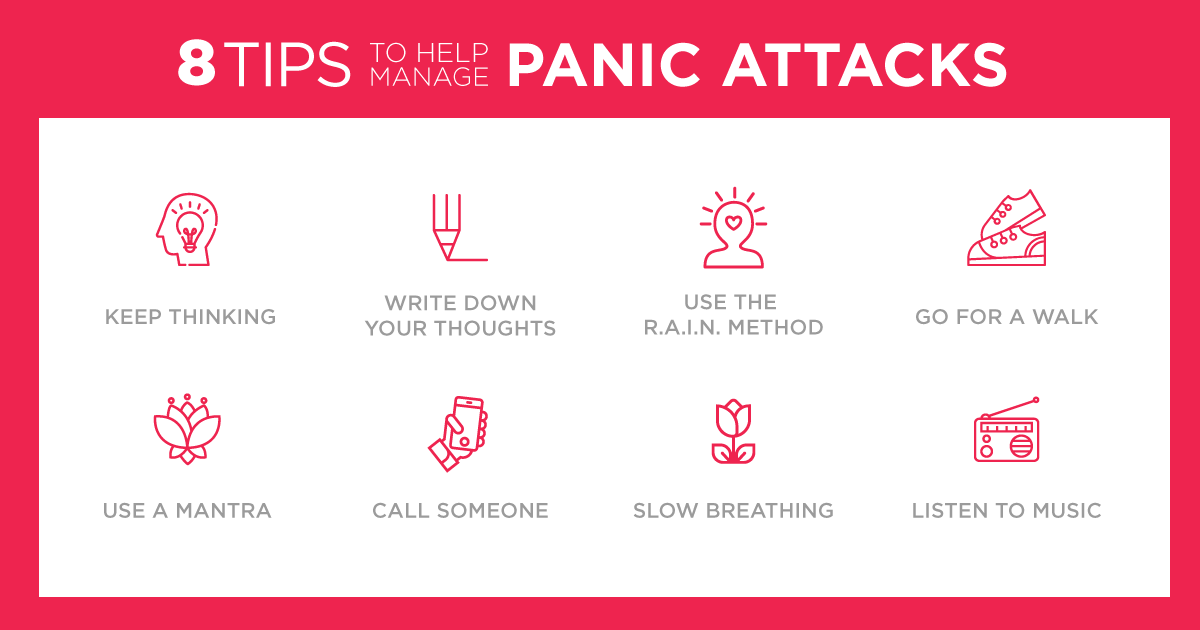
When a panic attack occurs at work, it is crucial to employ immediate coping strategies to regain control and reduce distress swiftly. These techniques focus on calming the mind and body, helping individuals navigate through the symptoms effectively until they subside. Implementing quick, practical responses can make a significant difference in maintaining productivity and emotional well-being during such challenging moments.
In urgent situations, knowing how to utilize controlled breathing, grounding techniques, and visual cues can empower individuals to manage their symptoms discreetly and efficiently. These methods are designed to be simple, accessible, and easy to practice even in a busy office environment, ensuring that employees can maintain composure and continue their work responsibilities with confidence.
Controlled Breathing Exercises
Controlled breathing is a fundamental technique to counteract the hyperventilation and dizziness often experienced during a panic attack. It helps regulate oxygen levels, slow the heart rate, and promote a sense of calm. Mastering specific breathing patterns allows individuals to anchor themselves and reduce feelings of anxiety swiftly.
To perform controlled breathing effectively:
- Find a comfortable seated or standing position, ensuring your back is straight to facilitate deep breathing.
- Inhale slowly through your nose for a count of four, allowing your abdomen to expand as your lungs fill with air.
- Hold the breath for a count of four, maintaining awareness of your body’s sensations.
- Exhale gradually through your mouth or nose for a count of six to eight, releasing tension with each breath.
- Repeat this cycle for about 1-2 minutes, focusing solely on your breath to divert attention from distressing thoughts.
“Consistent practice of deep, diaphragmatic breathing can help prevent the escalation of panic symptoms and promote overall emotional resilience.”
Grounding Techniques and Implementation at Your Desk
Grounding techniques serve to anchor individuals in the present moment, shifting focus away from overwhelming feelings or catastrophic thoughts. They can be performed discreetly at your workspace, providing immediate relief during a panic episode.
Effective grounding methods include:
- 5-4-3-2-1 Technique: Identify five things you see, four you can touch, three you hear, two you smell, and one you taste. This sensory exercise redirects attention outward and reduces anxiety.
- Physical Grounding: Place your feet flat on the floor, firmly press your hands into the desk, or touch a textured object nearby. These tactile stimuli reinforce contact with the present environment.
- Breathing Anchors: Combine grounding with controlled breathing by synchronizing your breaths with sensory observations, such as inhaling when you notice a particular sound or sensation.
To implement these techniques swiftly:
- Pause briefly and acknowledge the onset of symptoms without judgment.
- Select a grounding exercise suitable for your environment—visual, tactile, or sensory.
- Engage fully with the chosen technique, dedicating about 30 seconds to a minute to stabilize your emotional state.
- Return to your work with a renewed sense of control and focus.
Quick-Reference Visual Cues for Managing Symptoms
Creating visual cues or reminders can be highly effective in guiding immediate responses during panic episodes. These cues act as mental prompts or quick-reference guides, enabling individuals to implement coping strategies even under stress.
Designing a visual cue card or placing discreet reminders at your workspace can include:
| Visual Cue | Description | Implementation |
|---|---|---|
| Deep Breathing Reminder | A simple diagram illustrating the inhale-exhale pattern | Place it on your monitor or desk for quick reference during an attack |
| Grounding Step List | A numbered list of the 5-4-3-2-1 sensory exercise | Keep it in your notebook or on a sticky note nearby |
| Emergency Contact or Support Note | Contact information of a trusted colleague or supervisor | Post visibly on your workstation for quick access if needed |
Visual cues serve as powerful anchors, enabling employees to quickly recall and execute coping strategies without having to think through each step during heightened anxiety. Regularly reviewing these cues during calmer periods can strengthen their effectiveness when needed most.
Creating a Supportive Work Environment
Fostering a work environment that supports employees experiencing panic attacks is crucial for promoting mental well-being and ensuring productivity. When colleagues and supervisors are informed and empathetic, it reduces stigma and encourages open communication. Establishing routines and environmental adjustments tailored to managing anxiety can significantly ease the day-to-day challenges faced by individuals prone to panic attacks.
A supportive workplace culture not only benefits employees with anxiety but also enhances overall morale and team cohesion. Implementing effective communication strategies, creating designated safe spaces, and making reasonable accommodations are key components of an inclusive and understanding work setting.
Effective Communication with Colleagues and Supervisors
Open and honest communication about panic attacks can help colleagues and supervisors provide appropriate support without misunderstanding or pity. It is essential to choose a comfortable setting and timing for sharing personal health information, ensuring the conversation is respectful and private.
Providing clear information about one’s triggers and specific needs enables others to offer practical assistance during moments of anxiety. For example, explaining that taking a short break or stepping outside can help manage symptoms allows colleagues to respond appropriately. Encouraging a culture of empathy and confidentiality ensures that employees feel safe discussing their mental health concerns without fear of judgment or repercussion.
Establishing a Safe Space or Routine for Anxiety Management
Creating designated areas or practices within the workplace where employees can retreat to manage anxiety fosters a sense of safety and control. These spaces should be quiet, comfortable, and accessible, providing a refuge during stressful moments.
Implementing routines such as scheduled mindfulness breaks, breathing exercises, or brief walks can help employees regulate stress levels throughout the day. Encouraging the use of relaxation techniques and providing resources like stress balls, calming music, or guided meditation can further support anxiety management. Consistency in routines helps establish predictability, which can significantly reduce panic symptoms.
Accommodations and Adjustments to Reduce Anxiety Triggers
Workplace accommodations tailored to individual needs can significantly diminish anxiety triggers, making the environment more manageable. These adjustments should be discussed and implemented collaboratively between the employee and management to ensure they meet specific requirements.
Examples of accommodations include:
- Flexible scheduling to allow for rest periods or medical appointments
- Permission to work in a quieter or less crowded area
- Use of noise-canceling headphones to reduce sensory overload
- Adjusting workload or deadlines during particularly stressful periods
- Providing written instructions or checklists to minimize uncertainty and confusion
Implementing such accommodations demonstrates organizational support and promotes a culture that values mental health, ultimately leading to increased employee well-being and productivity.
Long-term Coping and Prevention Techniques
Implementing effective strategies for managing stress and preventing panic attacks in the workplace requires a proactive approach that integrates consistent routines and healthy habits. Developing a comprehensive plan to incorporate stress management practices into daily work life not only enhances personal well-being but also fosters a more supportive and resilient work environment. Emphasizing relaxation, mindfulness, and physical activity, alongside seeking professional support when necessary, creates a sustainable framework for long-term mental health maintenance.
By establishing regular practices and resources, individuals can better navigate workplace stressors, reduce the frequency and intensity of panic attacks, and cultivate a sense of control and calmness even during challenging moments. This section Artikels practical techniques and organizational strategies essential for ongoing mental health preservation in a professional setting.
Integrating Stress Management Practices into Daily Routines
Consistency is key when it comes to managing stress effectively over the long term. Creating a structured plan that seamlessly incorporates stress reduction activities into daily work routines can significantly enhance resilience. This includes setting designated times for brief relaxation or mindfulness exercises, scheduling regular breaks, and prioritizing workload to prevent overwhelm. Establishing boundaries around work hours helps mitigate burnout and creates space for self-care.
Effective integration begins with intentional planning. For example, allocating five-minute breathing exercises at the start of each workday, or taking short walks during lunch breaks, can make a substantial difference. Employers can support this by encouraging a culture that values mental health and allowing flexible schedules or designated quiet spaces where employees can pause and reset.
Relaxation Techniques, Mindfulness Practices, and Physical Activity Suitable for the Workplace
Adopting simple, evidence-based techniques within the work environment promotes ongoing stress relief and emotional regulation. These methods should be accessible, unobtrusive, and easy to practice during breaks or between tasks.
- Deep Breathing Exercises: Techniques such as diaphragmatic breathing help regulate the nervous system. Employees can practice inhaling slowly through the nose for a count of four, holding for a count of four, and exhaling gently through the mouth for another four counts. Repeating this cycle several times can induce a calming effect.
- Progressive Muscle Relaxation: This involves tensing and relaxing muscle groups sequentially, which can reduce physical tension associated with anxiety. A brief session during a break can help release accumulated stress.
- Mindfulness Meditation: Guided mindfulness exercises, focusing on present sensations or thoughts without judgment, can improve focus and reduce stress. Many workplaces offer short mindfulness sessions guided by trained professionals or through apps designed for office environments.
- Physical Activity: Incorporating movement is vital for mental health. Office-friendly options include stretching routines, short walks, or seated exercises like leg lifts or shoulder rolls. Regular movement helps lower cortisol levels and boosts endorphin production, contributing to overall well-being.
Encouraging employees to participate in these practices and providing resources or designated spaces fosters a culture of holistic health and stress resilience within the workplace.
Framework for Seeking Professional Help and Ongoing Therapy Options
Creating a supportive environment extends beyond personal efforts to include access to professional mental health resources. Establishing a clear framework for seeking help encourages individuals to address persistent anxiety or panic disorders proactively. This involves providing information about available workplace counseling services, Employee Assistance Programs (EAPs), or external mental health providers.
Ongoing therapy options, such as cognitive-behavioral therapy (CBT), are highly effective in managing panic attacks over the long term. Regular sessions with mental health professionals can help individuals identify and modify triggers, develop coping skills, and build resilience. Employers can facilitate this by offering flexible work arrangements for therapy appointments or by partnering with mental health organizations to provide accessible services.
Furthermore, fostering an open dialogue about mental health reduces stigma and encourages employees to seek support without fear of judgment. Training managers and team leaders to recognize signs of distress and to respond empathetically can significantly enhance the overall mental health climate within the organization.
Building Resilience and Confidence
Developing resilience and confidence at work is essential for effectively managing panic attacks and maintaining overall well-being. Strengthening self-awareness and emotional regulation enables individuals to respond calmly to stressors, reducing the likelihood of panic episodes. Additionally, cultivating a positive mindset and gradually exposing oneself to anxiety-provoking situations can foster greater resilience over time, empowering employees to navigate challenges with assurance and composure.
Implementing targeted exercises and strategies can significantly enhance one’s capacity to handle work-related stress and minimize the impact of panic attacks, leading to a healthier, more productive work environment.
Exercises to Improve Self-Awareness and Emotional Regulation at Work
Self-awareness and emotional regulation are foundational skills that help employees recognize early signs of distress and employ coping mechanisms before panic sets in. The following exercises promote these abilities:
- Mindfulness Meditation: Dedicate a few minutes daily to focused breathing or body scan meditation. This practice helps individuals observe their thoughts and feelings without judgment, promoting greater awareness of emotional states during work hours.
- Progressive Muscle Relaxation (PMR): Systematically tense and relax muscle groups to release physical tension associated with anxiety. Regular practice enhances awareness of physical cues linked to stress and builds skills to manage them effectively.
- Emotional Journaling: Maintain a journal to record daily emotional experiences, triggers, and responses. Reflecting on these entries increases self-awareness and identifies patterns that can be addressed proactively.
Methods for Gradual Exposure to Anxiety-Provoking Situations
Gradual exposure helps desensitize individuals to work-related triggers of panic attacks, reducing their power over time. It involves systematically and safely confronting situations that induce anxiety, in a controlled manner:
- Identify Specific Triggers: Clearly define situations that evoke anxiety, such as speaking in meetings, deadlines, or unfamiliar tasks.
- Develop a Hierarchy of Situations: Rank triggers from least to most anxiety-provoking. For example, starting with brief participation in meetings, then progressing to leading discussions.
- Exposure Sessions: Gradually expose oneself to these situations, starting with the least intimidating, while employing relaxation techniques learned earlier. Over repeated exposures, anxiety diminishes, building confidence.
- Monitor and Adjust: Keep track of responses during exposure and modify the pace as needed, ensuring a safe and supportive process that prevents overwhelming distress.
Strategies for Maintaining a Positive Mindset and Reducing Fear of Panic Attacks
A positive mindset fosters resilience by promoting adaptive thinking and reducing the fear associated with panic attacks. The following strategies support this mindset:
- Reframing Negative Thoughts: Challenge and replace catastrophic thoughts with balanced perspectives. For instance, instead of fearing loss of control, view panic episodes as temporary and manageable events.
- Practicing Self-Compassion: Recognize that experiencing anxiety or panic is common and do not blame oneself. Use affirmations and positive self-talk to reinforce self-worth and acceptance.
- Visualization Techniques: Imagine successful management of anxiety-provoking situations, fostering confidence and reducing anticipatory fear.
- Focus on Achievements and Strengths: Regularly acknowledge personal accomplishments and coping successes to build a sense of capability and self-efficacy in managing stress.
“Resilience is not about avoiding stress but learning how to bounce back from adversity stronger and more confident.”
Resources and Support Networks
Access to appropriate resources and support networks plays a vital role in managing panic attacks at work effectively. These tools not only provide immediate relief but also contribute to long-term mental health resilience. Leveraging both internal and external support systems can foster a safer, more understanding work environment and empower individuals to seek help confidently.
Understanding how to identify available resources and utilize them appropriately ensures that employees can obtain timely assistance. Educating staff and management about these options encourages a proactive approach to mental health care, reducing stigma and promoting a culture of support and well-being.
Internal Workplace Resources
Many organizations recognize the importance of supporting employees experiencing mental health challenges and offer a variety of internal resources. Familiarity with these tools enables employees to access help discreetly and efficiently, which is crucial during a panic episode or for ongoing support.
- Employee Assistance Programs (EAPs): Many workplaces provide EAPs, which offer confidential counseling services, mental health assessments, and referrals. Employees can contact EAP providers directly or through a designated HR portal, often free of charge or at a subsidized rate.
- Workplace Wellness Initiatives: Some companies run workshops, seminars, or support groups focusing on mental health awareness and stress management techniques. Participating in these programs can provide valuable tools and peer support.
- HR and Management Support: Supervisors and HR personnel are trained to offer guidance and facilitate access to mental health resources. Establishing open lines of communication encourages employees to seek help without fear of stigma or reprisal.
External Mental Health Services, Hotlines, and Community Support Groups
Complementing internal resources, external services are crucial for comprehensive mental health support. These options are often more specialized and can be accessed outside work hours, providing ongoing assistance and crisis intervention.
External resources include licensed mental health professionals, crisis hotlines, community support groups, and online therapy platforms. They serve as vital lifelines for individuals seeking immediate help or ongoing counseling beyond workplace support systems.
| Service Type | Description | Access Method |
|---|---|---|
| National Helplines | 24/7 crisis hotlines offering immediate support for panic attacks, anxiety, and mental health emergencies. Examples include the National Suicide Prevention Lifeline and Crisis Text Line. | Call or text the dedicated number; often free and confidential. |
| Local Mental Health Clinics | Provide in-person therapy, psychiatric evaluations, and ongoing counseling tailored to individual needs. Many clinics offer sliding scale payments based on income. | Visit in person or schedule an appointment through their website or phone. |
| Online Therapy Platforms | Platforms like BetterHelp, Talkspace, or similar services facilitate remote counseling sessions with licensed therapists, providing flexibility and accessibility. | Register online, choose a provider, and schedule sessions via the platform’s app or website. |
| Community Support Groups | Peer-led groups such as Anxiety and Panic Support Groups offer shared experiences, coping strategies, and emotional support. These are often available through local community centers or online forums. | Join in person or via online communities; some require prior registration. |
Utilizing these resources effectively involves knowing how to access them promptly and understanding the scope of support they provide. Employees should be encouraged to keep contact information readily available and to seek help early, especially when experiencing frequent or severe panic attacks. Employers can facilitate this by providing informational materials, hosting resource fairs, or integrating resource links into internal communication channels.
Maintaining an awareness of available support networks fosters a proactive approach toward mental health, reducing the stigma associated with seeking help and promoting overall workplace well-being.
Concluding Remarks

By applying these techniques and building awareness, individuals can create a safer and more supportive work environment. Remember, seeking professional assistance when needed is a vital step toward sustained mental health and personal growth in the workplace.