Discovering how to handle panic attacks during sleep can significantly improve your overall well-being and sleep quality. These episodes, though often distressing, are manageable with the right knowledge and techniques, enabling you to regain control over your nights and mornings. Understanding the underlying causes and effective strategies can empower you to face these challenges confidently.
This guide explores the physiological and psychological factors contributing to nocturnal panic attacks, identifies common triggers, and offers practical methods to calm the mind before sleep. By implementing tailored lifestyle adjustments and knowing when to seek professional help, you can foster a healthier sleep environment and reduce the occurrence of these episodes.
Understanding Panic Attacks During Sleep
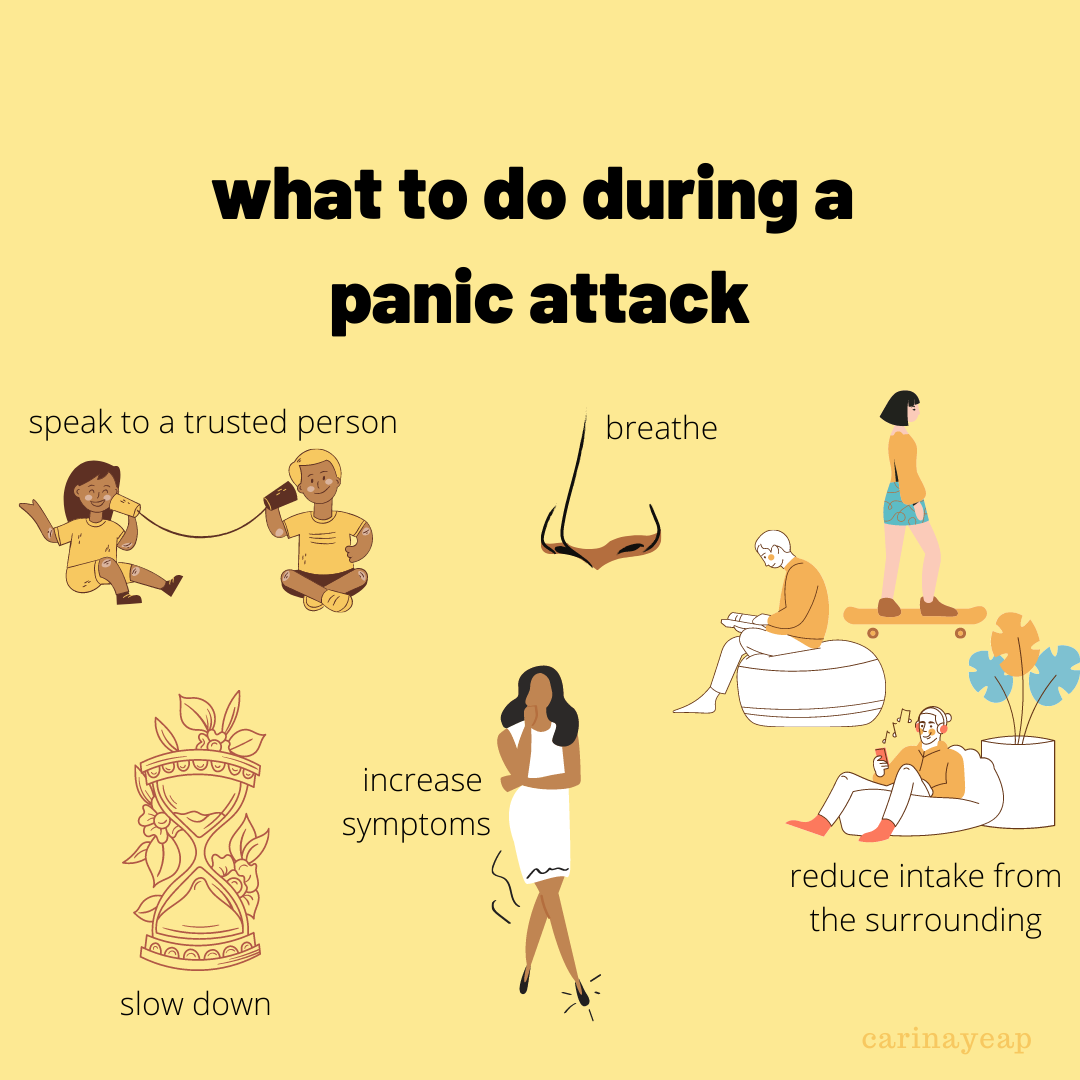
Panic attacks during sleep can be particularly distressing, often catching individuals off guard when they are in a vulnerable state of rest. Recognizing the underlying factors and symptoms associated with these nocturnal episodes is essential for effective management and maintaining overall well-being. This section explores the physiological and psychological contributors to sleep-related panic attacks, how their symptoms may differ from daytime episodes, and the impact they have on sleep quality and mental health.Panic attacks during sleep are complex phenomena influenced by a combination of biological, emotional, and environmental factors.
Unlike daytime attacks, which are often triggered by identifiable stressors or phobias, nocturnal panic attacks can occur unexpectedly, sometimes in the absence of obvious triggers. These episodes can disrupt sleep patterns, lead to heightened anxiety about sleeping, and contribute to a cycle of sleep disturbance and psychological distress.
Physiological and Psychological Factors Contributing to Sleep-Related Panic Attacks
Understanding the root causes of panic attacks during sleep involves examining both bodily and mental health components that predispose individuals to these episodes.
Physiologically, alterations in the body’s stress response systems and sleep architecture play a significant role. During sleep, especially in the rapid eye movement (REM) stage, the brain is highly active, and irregularities in neurotransmitter levels—such as increased norepinephrine or dysregulated serotonin—can predispose individuals to panic episodes. Additionally, conditions like sleep apnea, which cause frequent breathing disruptions, can mimic or trigger panic sensations such as suffocation or chest tightness, thereby initiating panic attacks.
Psychologically, heightened anxiety levels, post-traumatic stress disorder (PTSD), and ongoing stressors can contribute to nocturnal panic episodes. These psychological factors may lead to a heightened state of arousal during sleep, making the individual more susceptible to sudden panic sensations. Furthermore, a history of daytime panic attacks increases the likelihood of experiencing episodes during sleep, indicating a shared underlying vulnerability.
Typical Symptoms and Differences from Daytime Panic Attacks
Recognizing the specific symptoms of panic attacks during sleep helps distinguish them from those experienced during waking hours. While many symptoms overlap, certain features are characteristic of nocturnal episodes.
Common symptoms during sleep include abrupt awakening with intense fear or dread, rapid heartbeat, sweating, trembling, chest pain, difficulty breathing, and a sense of losing control. These episodes often occur suddenly, with individuals waking up in a state of panic, sometimes unable to distinguish whether they are still dreaming or fully awake.
Unlike daytime panic attacks, which individuals can often anticipate or recognize as episodes of anxiety, sleep-related attacks tend to come without warning during sleep or upon awakening, often catching individuals unaware.
Additionally, the duration of these attacks can vary, lasting from a few seconds to several minutes. The key difference lies in the context—these episodes typically happen during sleep or immediately after waking, often accompanied by confusion or disorientation about the event.
Impact on Sleep Quality and Mental Health
The frequency and severity of panic attacks during sleep can significantly affect overall sleep quality and mental well-being.
Disrupted sleep patterns are common, as recurring episodes lead to frequent awakenings, reducing both the quantity and quality of restful sleep. Over time, this can result in chronic sleep deprivation, impairing cognitive functions, emotional regulation, and physical health.
From a mental health perspective, recurrent nocturnal panic attacks can foster feelings of fear and anxiety about going to sleep, creating a vicious cycle of insomnia and panic. The distress caused by these episodes may also exacerbate underlying mental health conditions such as generalized anxiety disorder or depression, further impacting quality of life and daily functioning.
Recognizing Triggers for Sleep-Related Panic Attacks
Understanding the factors that contribute to panic attacks during sleep is essential for effective management and prevention. Many individuals experience nocturnal panic episodes without immediately understanding their underlying causes. Identifying these triggers can help in developing personalized strategies to reduce the frequency and intensity of such episodes, promoting healthier sleep patterns and overall well-being.Recognizing the environmental, emotional, and physiological factors that provoke sleep-related panic attacks provides valuable insight into their origins.
These triggers often vary depending on individual circumstances, lifestyle habits, and even age groups. A comprehensive awareness of these elements enables targeted interventions and fosters a proactive approach to managing nocturnal panic episodes.
Environmental Triggers
The sleep environment plays a significant role in either promoting restful sleep or contributing to the onset of panic attacks. External stimuli, such as noise disturbances, light exposure, and uncomfortable sleeping conditions, can heighten alertness and induce anxiety during sleep.Inconsistent sleeping conditions, such as a room that is too hot, cold, or poorly ventilated, can disturb sleep and increase vulnerability to panic episodes.
Bright lights or sudden environmental changes during the night may trigger hyperarousal, a state associated with heightened nervous system activity linked to panic attacks. Furthermore, disruptions caused by external noise—such as traffic, household sounds, or neighbors—can fragment sleep, leading to increased stress levels and decreased sleep quality.
Emotional and Psychological Triggers
Stress and anxiety are predominant emotional triggers that significantly influence the occurrence of panic attacks during sleep. Elevated stress levels, whether from work pressures, personal relationships, or mental health conditions, can induce a state of hypervigilance that carries over into sleep, heightening the risk of nocturnal panic episodes.Unresolved emotional issues or traumatic experiences may also be stored in the subconscious, manifesting as panic responses during sleep.
Anxiety about health, safety, or specific phobias can provoke panic attacks, especially if the individual perceives threats in their environment or internal sensations, such as rapid heartbeat or breathing difficulties.Lifestyle habits that exacerbate emotional distress include excessive caffeine intake, substance use, and irregular sleep schedules. These behaviors can increase baseline anxiety levels and interfere with the body’s natural stress regulation, making sleep more vulnerable to disturbances like panic attacks.
Physiological Triggers
Physiological factors that may trigger sleep-related panic attacks encompass medical conditions, medication effects, and biological changes. Conditions such as sleep apnea, restless leg syndrome, or cardiac arrhythmias can produce symptoms that mimic or induce panic episodes during sleep.Certain medications, including stimulants or antidepressants, may influence brain chemistry and nervous system activity, potentially increasing the likelihood of panic attacks at night.
Hormonal fluctuations, especially in women during menstrual cycles, pregnancy, or menopause, can alter stress responses and sleep architecture, contributing to nocturnal panic episodes.In addition, physiological stressors like dehydration, electrolyte imbalances, or caffeine withdrawal can provoke physical sensations such as dizziness, rapid heartbeat, or chest tightness, which often serve as triggers for panic attacks during sleep. Recognizing these physiological triggers allows for targeted medical evaluation and intervention to mitigate their impact.
Triggers Across Different Age Groups and Sleep Patterns
The triggers for sleep-related panic attacks can vary considerably across age groups and individual sleep patterns, influenced by developmental, hormonal, and lifestyle differences.In children and adolescents, triggers often include anxiety stemming from academic pressures, social challenges, or traumatic events. Sleep disturbances in this age group may also be linked to irregular sleep schedules, screen time before bed, or insufficient sleep duration, all of which can heighten emotional reactivity and susceptibility to panic episodes.Adults, particularly those experiencing high stress levels or diagnosed with anxiety or mood disorders, may encounter triggers related to work-related stress, relationship issues, or chronic health conditions.
Lifestyle habits such as caffeine consumption, alcohol use, or irregular sleep routines further compound the risk.Older adults might experience triggers related to medical conditions like cardiovascular issues, sleep disorders such as insomnia or sleep apnea, and hormonal changes. Age-related alterations in sleep architecture, including decreased REM sleep and increased awakenings, can create an environment conducive to panic episodes.Overall, understanding the unique triggers linked to different life stages and sleep patterns enables healthcare providers and individuals to develop tailored strategies that reduce the incidence of sleep-related panic attacks, improving sleep quality and mental health stability.
Techniques to Calm the Mind Before Sleep
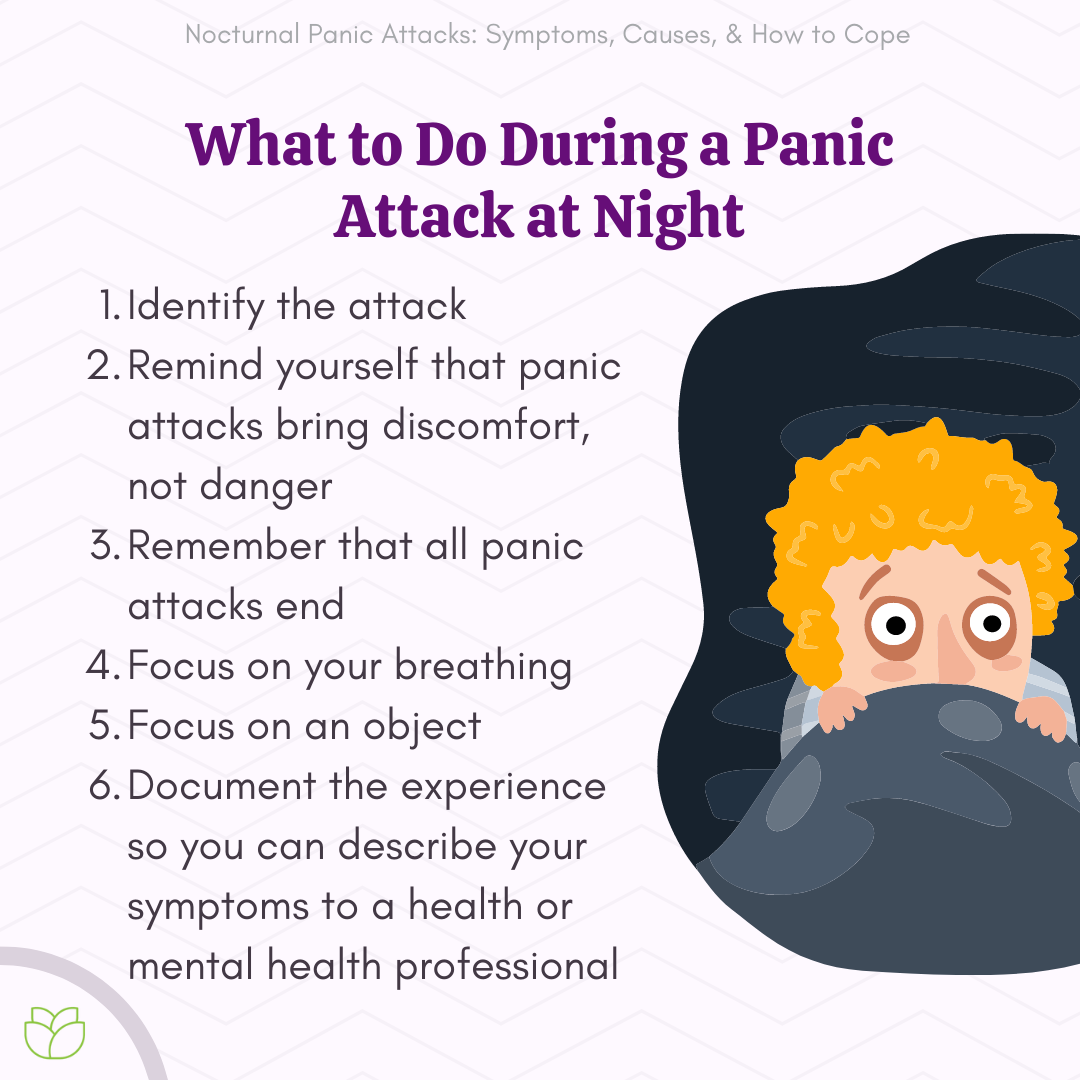
Reducing anxiety and calming the mind before bedtime are essential steps in managing panic attacks during sleep. Implementing effective relaxation techniques can help transition the mind from a state of heightened alertness to one of tranquility, fostering a more restful night. Developing a consistent pre-sleep routine that incorporates proven calming practices can significantly diminish the likelihood of panic episodes occurring during sleep hours.
Several relaxation methods have demonstrated their effectiveness in easing mental tension and promoting sleep readiness. These techniques work by slowing the heart rate, lowering stress hormone levels, and distracting the mind from ruminative thoughts that often trigger panic attacks. Incorporating these practices into a nightly routine can help establish a calming ritual that signals to the brain that it is time to wind down, ultimately improving sleep quality and reducing anxiety-related awakenings.
Deep Breathing Exercises
Deep breathing is a simple yet powerful technique that can quickly reduce anxiety and promote relaxation before sleep. It involves consciously controlling your breath to lower stress levels and create a sense of calm. When practiced regularly, it can become an effective tool for managing panic symptoms that might arise during the night.
To implement deep breathing:
- Lie comfortably on your back in your bed, ensuring your body is fully supported.
- Place one hand on your chest and the other on your abdomen to monitor your breath.
- Inhale slowly through your nose for a count of four, allowing your abdomen to rise as your lungs fill with air.
- Hold the breath gently for a count of four.
- Exhale slowly through your mouth or nose for a count of six, focusing on releasing tension.
- Repeat this cycle for five to ten minutes, maintaining a steady, relaxed rhythm.
“Deep breathing helps activate the parasympathetic nervous system, promoting relaxation and reducing the likelihood of panic attacks during sleep.”
Progressive Muscle Relaxation
This technique involves systematically tensing and then relaxing different muscle groups in the body, which enhances bodily awareness and releases physical tension that contributes to mental stress. Practicing progressive muscle relaxation before sleep can help diminish general anxiety levels that might precipitate panic episodes during the night.
Steps to practice progressive muscle relaxation include:
- Lie down comfortably, ensuring your environment is quiet and free from disturbances.
- Start with your toes: inhale and tense the muscles in your toes for a count of five, then exhale and relax.
- Gradually move upward through your body—calves, thighs, abdomen, chest, arms, neck, and face—applying the same tensing-relaxing pattern.
- Focus on the sensation of relaxation each time you release the tension, fostering a sense of calm throughout your body.
- Continue this process for approximately 20 minutes, paying close attention to each muscle group.
“Progressive muscle relaxation enhances bodily awareness, helping to alleviate both physical and mental tension that can trigger sleep-related panic attacks.”
Mindfulness Meditation
Mindfulness meditation centers on paying deliberate, non-judgmental attention to the present moment. It can help quiet racing thoughts, reduce stress, and foster a state of mental clarity conducive to sleep. Regular mindfulness practice can also help individuals recognize early signs of rising anxiety and implement calming strategies proactively.
To incorporate mindfulness meditation into your bedtime routine:
- Sit or lie comfortably in your bed, closing your eyes if comfortable.
- Begin by taking slow, deep breaths, focusing solely on the sensation of the breath entering and leaving your body.
- Observe thoughts, sensations, or sounds without judgment, gently redirecting your attention back to your breath whenever your mind wanders.
- Set a timer for 10-15 minutes to establish a consistent practice session.
- As you become more practiced, increase meditation duration or incorporate guided meditation recordings designed for sleep.
“Mindfulness meditation trains the mind to let go of worries, reducing pre-sleep anxiety and decreasing the risk of panic attacks during sleep.”
Evening Routine Checklist for Relaxation
Establishing a calming evening routine is vital in preparing the mind and body for restful sleep. Incorporating specific activities that promote relaxation can significantly lower anxiety levels and create a conducive environment for sleep.
- Turn off electronic devices at least 30 minutes before bedtime to avoid blue light exposure, which can interfere with melatonin production.
- Engage in a calming activity such as reading a book, listening to soothing music, or practicing gentle yoga.
- Perform relaxation techniques like deep breathing or progressive muscle relaxation.
- Maintain a consistent bedtime schedule, going to bed and waking up at the same time daily.
- Limit caffeine and alcohol intake in the evening to prevent sleep disruption.
- Create a bedtime environment that signals restfulness through calming scents, comfortable bedding, and minimal distractions.
Organizing a Relaxing Sleep Environment
An environment conducive to relaxation plays a critical role in preventing panic attacks during sleep. Factors such as lighting, noise, temperature, and bedding influence sleep quality and comfort, helping to foster a peaceful atmosphere that calms the mind.
Effective methods include:
| Aspect | Recommendation |
|---|---|
| Lighting | Use blackout curtains or an eye mask to eliminate light. Opt for dim, warm lighting if night lighting is necessary. |
| Noise Control | Utilize white noise machines, earplugs, or calming nature sounds to mask disruptive noises. |
| Temperature | Maintain a cool room temperature around 18-22°C (64-72°F) to promote rapid sleep onset and comfort. |
| Bedding | Choose comfortable, breathable bedding suited to your climate and personal preferences, ensuring optimal comfort. |
| Clutter and Distractions | Keep the bedroom tidy and free of clutter to create a peaceful, stress-free environment that encourages relaxation. |
Implementing these environmental adjustments can help signal to your brain that it is time to rest, thereby reducing anxiety and minimizing the chances of panic attacks during sleep.
Strategies to Manage Panic Attacks During Sleep
During sleep, experiencing a panic attack can be distressing and disruptive to restful patterns. Employing effective management strategies during an episode can significantly reduce fear, alleviate symptoms, and promote quicker recovery. These techniques focus on grounding, controlled breathing, cognitive reframing, safe awakening procedures, and tracking patterns to better understand and mitigate triggers.Grounding techniques and controlled breathing are essential tools that help interrupt the panic response.
When a panic attack occurs during sleep, consciously shifting focus from fear to the present moment can diminish the intensity of symptoms. Controlled breathing, in particular, helps regulate the autonomic nervous system, reducing hyperventilation and calming the mind. Cognitive reframing then aids in altering the perception of the attack, decreasing fear and fostering reassurance. Additionally, knowing safe methods to wake oneself without escalating anxiety allows for prompt intervention.
Finally, systematically tracking attack patterns and triggers provides valuable insights, enabling personalized management plans to prevent future episodes.
Employing Grounding Techniques and Controlled Breathing During a Panic Attack
When a panic attack strikes during sleep, immediate action can be vital to regain control and reduce distress. Grounding techniques involve anchoring oneself to the present reality, which can interrupt the panic cycle. Controlled breathing helps restore normal breathing patterns and calms the nervous system.Focus on deeply inhaling through the nose for a count of four, holding the breath momentarily, then slowly exhaling through the mouth for a count of six.
Repeat this cycle multiple times until symptoms diminish.
-
Use sensory grounding by subtly engaging the senses
feel the texture of the bedding, listen to ambient sounds, or observe the room’s details. This anchors the mind away from catastrophic thoughts.
- Visualize a calming scene or repeat a soothing phrase internally, such as “This will pass” or “I am safe,” to reinforce a sense of security.
- Ensure the environment is safe and comfortable to facilitate relaxation during and after the attack.
“Controlled breathing is a powerful method to reduce hyperventilation and activate the body’s relaxation response during panic episodes.”
Utilizing Cognitive Reframing to Reduce Fear During Panic Episodes
Cognitive reframing involves consciously altering one’s interpretation of the panic sensations, transforming fear into a more manageable experience. This approach can lessen the emotional impact and diminish the likelihood of subsequent attacks.
- Recognize that the sensations felt during a panic attack, such as rapid heartbeat or shortness of breath, are temporary and non-threatening.
- Remind oneself that the attack, although frightening, is not life-threatening, and that it will pass.
- Replace catastrophic thoughts like “I am losing control” with reassurances such as “This is a panic attack; I have experienced this before and will be okay.”
- Use affirmations and positive self-talk to reinforce safety and stability.
- Practice these techniques regularly during waking hours to build confidence and resilience, which can transfer into sleep episodes.
Safely Waking Oneself During a Panic Attack
Waking oneself safely during a sleep-related panic attack prevents escalation and allows for immediate application of calming techniques. Proper procedures help avoid increasing fear or confusion.
- Gently shift from sleep to wakefulness by gradually opening the eyes and moving to an upright or semi-upright position.
- Use deliberate, slow movements to prevent disorientation.
- Take a few deep, controlled breaths immediately after waking to anchor oneself.
- Engage in grounding and breathing exercises as Artikeld earlier to stabilize the nervous system.
- Avoid abrupt or startling movements that could intensify panic symptoms or cause injury.
Tracking Patterns and Triggers with a Sleep Panic Attack Log
Maintaining a detailed record of panic attacks helps identify potential triggers and patterns, offering insights for targeted management strategies.A simple table format can be used to organize this information effectively:
| Date | Time | Trigger | Severity (1-10) |
|---|---|---|---|
| 2024-04-20 | 3:30 AM | Stress about upcoming presentation | 7 |
| 2024-04-21 | 2:45 AM | Feeling anxious about health | 8 |
| 2024-04-22 | 4:00 AM | Sudden loud noise outside | 6 |
- Regularly review the log to identify consistent triggers, such as specific stressors, environmental factors, or sleep disturbances.
- Use the insights gained to develop personalized coping strategies, adjust sleep environments, or seek professional help if necessary.
- Recording details consistently enhances awareness and empowers proactive management of sleep-related panic attacks, improving overall sleep quality and mental health resilience.
Lifestyle Adjustments to Reduce Incidence
Managing panic attacks during sleep often requires a holistic approach that includes lifestyle modifications. These adjustments can significantly reduce the frequency and severity of sleep-related panic episodes, promoting a calmer and more restful sleep environment. Implementing consistent routines and mindful habits supports overall mental well-being and helps establish a stable sleep pattern conducive to relaxation.Adopting beneficial sleep hygiene practices, maintaining balanced dietary habits, and timing physical activity appropriately are crucial components.
These strategies work synergistically to minimize sleep disturbances and foster a sense of calmness before bedtime, ultimately decreasing the likelihood of panic attacks occurring during sleep.
Sleep Hygiene Practices
Effective sleep hygiene practices create a sleep-friendly environment and establish routines that signal the body to relax. These include maintaining a consistent sleep schedule, ensuring the bedroom is cool, dark, and quiet, and avoiding electronics at least an hour before bed. Limiting exposure to stimulating activities before sleep helps the nervous system wind down, reducing stress levels that could trigger panic episodes.Other important practices involve using the bed solely for sleep and intimacy, avoiding large amounts of fluids before bedtime to prevent nighttime awakenings, and establishing a calming pre-sleep routine, such as reading or gentle stretching.
These habits contribute to a smoother transition into sleep, lessening the chance of anxiety-provoking wakefulness.
Dietary Recommendations for Calm Sleep
Nutritional choices play a vital role in supporting restful sleep and preventing panic episodes. It is advisable to avoid caffeine and other stimulants in the late afternoon and evening, as these can interfere with sleep onset and quality. Heavy, spicy, or fatty meals close to bedtime may cause discomfort and disrupt sleep, potentially triggering anxiety or panic.Instead, focus on light, easily digestible snacks if needed before bed, such as a banana with a small amount of nut butter or a warm herbal tea like chamomile.
Incorporating foods rich in magnesium and tryptophan, like nuts, seeds, and dairy, can promote relaxation. Proper hydration is essential, but it should be balanced to prevent frequent nighttime awakenings.
Exercise Routines and Timing
Regular physical activity contributes to better sleep quality and reduces anxiety levels, but its timing is critical for avoiding sleep disruptions. Engaging in moderate exercise earlier in the day, ideally in the morning or early afternoon, helps release energy and reduces stress hormones that can interfere with sleep if done too close to bedtime.Intense workouts late in the evening can raise adrenaline levels and body temperature, making it difficult to fall asleep and increasing the risk of panic episodes during the night.
Gentle activities like stretching, yoga, or walking during the evening hours can promote relaxation and prepare the body for restful sleep.
Responsive Table of Lifestyle Adjustments
| Activity | Recommended Time | Purpose | Notes |
|---|---|---|---|
| Maintain consistent sleep schedule | Every night, including weekends | Supports circadian rhythm and stability | Aims for 7-9 hours of sleep |
| Create a calming pre-sleep routine | 30-60 minutes before bed | Signals the body to relax and prepare for sleep | Includes reading, meditation, or gentle stretching |
| Avoid caffeine and stimulants | After 2 pm | Prevents sleep onset disruptions | Check labels for hidden caffeine sources |
| Eat light, sleep-friendly meals | 2-3 hours before bedtime | Reduces discomfort and anxiety triggers | Include magnesium-rich foods |
| Engage in moderate exercise | Morning or early afternoon | Enhances sleep quality and reduces stress | Avoid vigorous activity late in the evening |
| Limit fluid intake before bed | 1-2 hours before sleep | Minimizes nighttime awakenings | Stay hydrated during daytime |
When to Seek Professional Help
Recognizing the signs that indicate the need for professional intervention is crucial in effectively managing panic attacks during sleep. While occasional episodes can often be addressed through self-help strategies, persistent or severe symptoms may require specialized care to ensure safety and well-being. Understanding when and how to seek assistance can significantly improve outcomes and quality of life.
Individuals experiencing frequent, intense, or prolonged panic attacks during sleep should consider consulting healthcare professionals. Early intervention can prevent the escalation of symptoms and reduce potential complications such as sleep disturbances, anxiety disorders, or depression. A timely approach ensures that appropriate therapies and support systems are put in place to address underlying issues effectively.
Warning Signs Indicating the Need for Medical or Psychological Intervention
It is important to be alert to symptoms that may suggest the necessity for professional evaluation. The following indicators can guide individuals in making informed decisions about seeking help:
- The recurrence of panic attacks during sleep that disrupts overall sleep quality and daily functioning.
- Intense fear or terror associated with sleep episodes, especially if accompanied by physical symptoms like chest pain, shortness of breath, or dizziness.
- Development of additional mental health concerns such as persistent anxiety, depression, or suicidal thoughts linked to sleep-related panic episodes.
- Significant impairment in daily activities, social interactions, or work performance due to sleep disturbances or fear of sleep attacks.
- Use of substances such as alcohol or drugs to cope with sleep panic attacks, which can lead to dependency or worsen symptoms.
Important: If symptoms include difficulty breathing, chest pain, or loss of consciousness, immediate medical attention is essential to rule out other serious conditions and ensure safety.
Procedural Steps for Consulting Clinicians
Preparing adequately for a healthcare consultation enhances the effectiveness of diagnosis and treatment planning. The following procedural steps facilitate a comprehensive assessment:
- Maintain a Symptom Diary: Record details of each panic attack during sleep, including frequency, duration, specific symptoms, and any potential triggers or environmental factors. Note patterns over days or weeks to provide a clear overview.
- Document Personal and Medical History: Include information about past mental health issues, sleep patterns, medication use, lifestyle habits, and significant life events that could influence symptoms.
- Compile a List of Questions: Prepare specific questions regarding diagnosis, treatment options, expected outcomes, side effects, and strategies for managing attacks. Examples include:
- What could be causing these panic attacks during sleep?
- Are there recommended therapies or medications suitable for my situation?
- What are the potential side effects of prescribed medications?
- How long might treatment take to see improvements?
- Are there lifestyle modifications that could complement therapy?
Therapeutic Options and Considerations
Several evidence-based interventions are available for managing sleep-related panic attacks. Understanding their benefits and considerations helps in making informed decisions:
| Type of Therapy | Benefits | Considerations |
|---|---|---|
| Cognitive-Behavioral Therapy (CBT) | Helps identify and modify thought patterns contributing to panic attacks, promotes coping skills, and reduces avoidance behaviors. Particularly effective for panic disorder and sleep disturbances. | Requires consistent participation over several sessions; may not be suitable for individuals with severe comorbid mental health conditions without additional support. |
| Medication | Provides rapid symptom relief; includes options such as selective serotonin reuptake inhibitors (SSRIs), benzodiazepines, or other anxiolytics, tailored to individual needs. | Potential side effects, dependency concerns with benzodiazepines, and the importance of medical supervision during use. |
Note: Combining therapy with medication often yields the best outcomes, but treatment plans should always be personalized based on individual health status and preferences.
Support Groups and Resources for Individuals Experiencing Sleep Panic Attacks
Accessing community and online support can provide comfort, shared experiences, and practical advice for managing sleep-related panic attacks. Support groups foster a sense of connection and understanding, reducing feelings of isolation. Resources include:
- Local mental health clinics and community centers offering group therapy or peer support sessions.
- Online forums and platforms dedicated to anxiety and panic disorder support, such as Anxiety and Depression Association of America (ADAA) or Panic Disorders Support Groups.
- Educational websites providing information, coping strategies, and updates on new treatments.
- Books and guided programs authored by mental health professionals specializing in anxiety and sleep disorders.
Wrap-Up
In summary, managing panic attacks during sleep involves a combination of awareness, relaxation techniques, lifestyle modifications, and professional support when necessary. By applying these strategies consistently, you can improve your sleep experience and promote better mental health. Remember, taking proactive steps today can lead to more restful and peaceful nights in the future.