Understanding how to manage anger at work is essential for maintaining a positive and productive professional environment. Anger, when left unmanaged, can significantly impact team dynamics, communication, and overall efficiency. Recognizing the underlying causes and early signs of anger enables employees and managers alike to take proactive steps toward healthier interactions and emotional well-being.
This guide explores the psychological and physical aspects of workplace anger, practical techniques for immediate relief and long-term control, and strategies to foster a supportive atmosphere that promotes emotional resilience and effective conflict resolution.
Understanding Anger in the Workplace
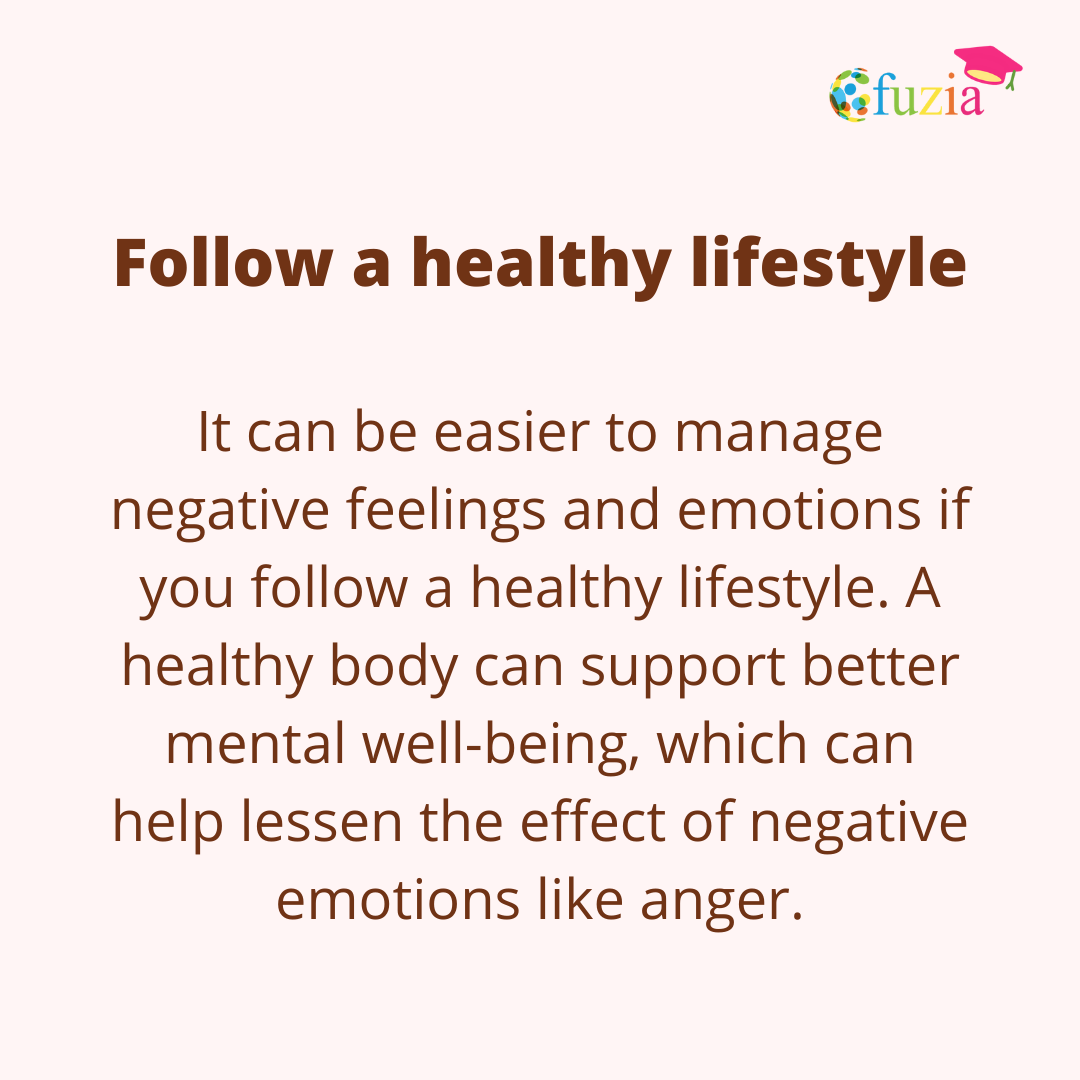
Anger is a natural emotional response that can arise in professional settings due to various internal and external factors. Recognizing the biological and psychological components of anger helps individuals and organizations develop effective strategies to manage it constructively, fostering a healthier work environment.
In the workplace, anger often manifests as frustration, irritability, or outright hostility, which can impair communication, collaboration, and overall productivity. Understanding the underlying causes and typical triggers of anger is essential for implementing proactive measures that mitigate its adverse effects.
Biological and Psychological Factors Contributing to Workplace Anger
Anger in professional settings results from a complex interplay of biological responses and psychological perceptions. These factors influence how individuals interpret and react to workplace events, often determining whether anger is expressed or suppressed.
- Biological Factors: The body’s fight-or-flight response plays a pivotal role in anger reactions. When faced with a perceived threat or frustration, the amygdala, a part of the brain involved in emotional processing, activates the sympathetic nervous system, releasing stress hormones such as adrenaline and cortisol. This physiological response prepares the individual to confront or escape the source of anger but can also lead to impulsive behaviors if left unmanaged.
- Psychological Factors: Personal perceptions, past experiences, and individual temperament significantly influence anger responses. For instance, a worker feeling undervalued or unfairly treated may perceive minor setbacks as major injustices, amplifying anger. Cognitive biases, such as catastrophizing or personalization, can also heighten emotional reactions, making it harder to maintain composure.
Common Triggers for Anger at Work
Identifying the typical sources of anger is vital for developing targeted strategies to address workplace conflicts and frustrations. Certain situations or conditions tend to provoke emotional responses more frequently than others.
- Unclear Expectations and Poor Communication: Ambiguity about roles, responsibilities, or performance standards often leads to misunderstandings and frustration, igniting anger among employees and managers alike.
- Workload and Time Pressure: Excessive demands, tight deadlines, and perceived unfair workload distribution can create stress, culminating in irritability and anger.
- Perceived Injustice or Unfair Treatment: Favoritism, unequal opportunities, or inconsistent enforcement of policies can foster resentment and resentment-driven anger.
- Interpersonal Conflicts: Disagreements, personality clashes, or unresolved conflicts with colleagues or supervisors frequently serve as triggers.
- Environmental Factors: Noise, clutter, or uncomfortable working conditions can contribute to frustration, especially if persistent or unaddressed.
Comparison of Different Types of Anger Responses in Professional Settings
Understanding the various ways individuals respond to anger can aid in recognizing and addressing emotional reactions effectively. The following chart compares common types of anger responses observed in workplace scenarios:
| Type of Response | Description | Characteristics | Potential Impact on Work Environment |
|---|---|---|---|
| Constructive Anger | Expressed appropriately to address issues and seek resolutions | Calm, assertive communication; problem-solving attitude | Fosters positive change; promotes open dialogue |
| Passive Anger | Unexpressed or suppressed feelings leading to indirect actions | Silent treatment, avoiding confrontation | Can cause misunderstandings and resentment, undermining teamwork |
| Aggressive Anger | Open, often hostile expression of frustration or anger | Yelling, blaming, hostile gestures | Disrupts team cohesion; damages relationships; decreases productivity |
| Passive-Aggressive Anger | Indirect expression of anger through subtle actions or sarcasm | Sarcasm, procrastination, backhanded comments | Creates confusion and mistrust among colleagues |
The Effect of Unmanaged Anger on Team Dynamics and Productivity
When anger is not effectively managed, it can significantly impair team cohesion and hinder organizational performance. Uncontrolled emotional responses often lead to a toxic work environment, characterized by mistrust and decreased morale.
“Unmanaged anger fosters a climate of hostility, reducing collaboration and stifling innovation.” – Organizational Behavior Expert
Specifically, unchecked anger can result in communication breakdowns, increased conflicts, and decreased employee engagement. Teams may experience higher turnover rates as employees seek healthier work environments. Moreover, persistent anger-related issues can reduce overall productivity, as time and energy are diverted from work tasks to managing interpersonal tensions. Addressing anger proactively is crucial to maintaining a positive, efficient workplace where collaboration thrives.
Recognizing Personal Signs of Anger
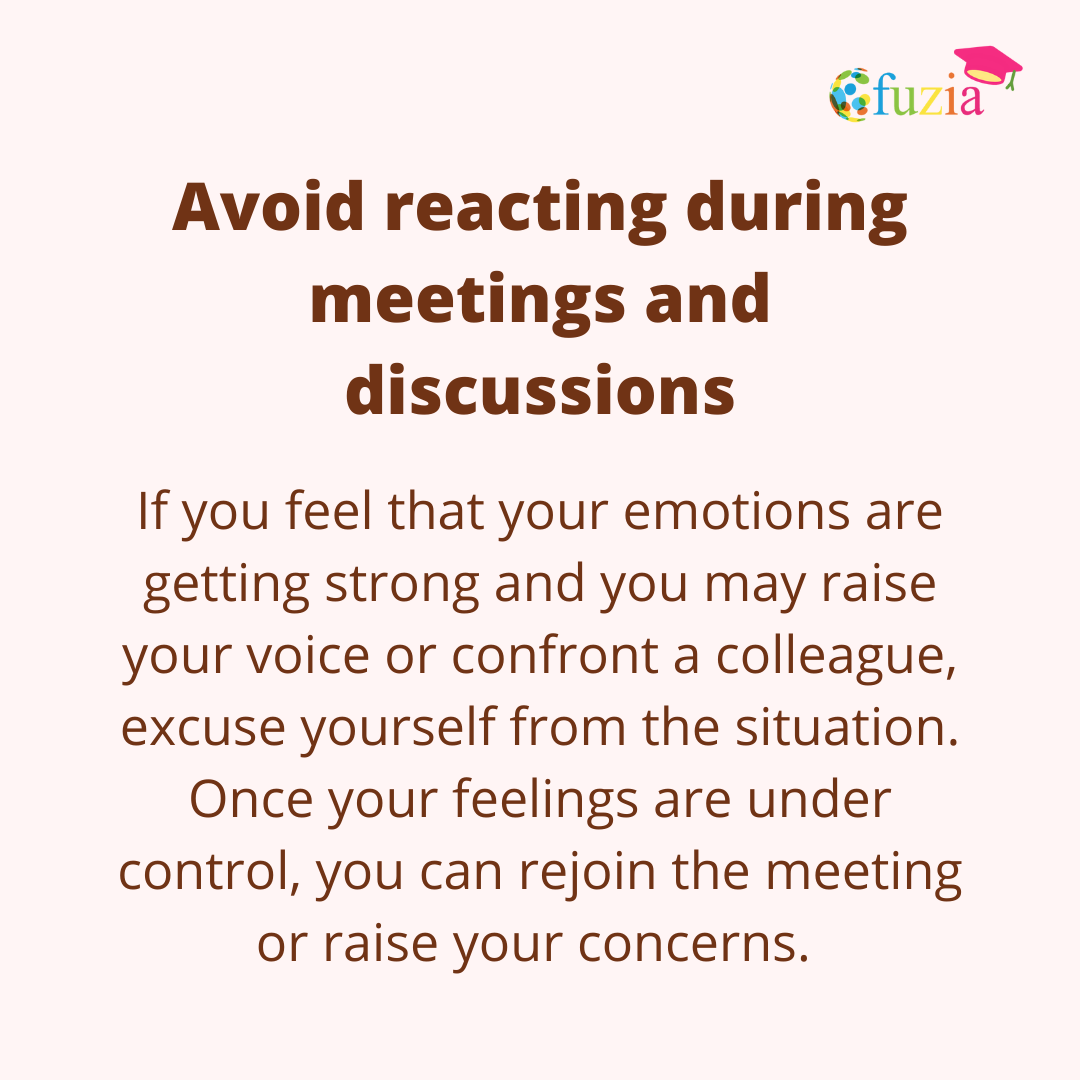
Understanding the early indicators of anger is crucial for effective management in the workplace. Recognizing these signs allows individuals to intervene before their emotions escalate, thereby maintaining a professional environment and preventing potential conflicts. Self-awareness serves as the foundation for emotional regulation, enabling employees to respond thoughtfully rather than react impulsively.
Developing the ability to identify personal signs of anger involves cultivating mindfulness and practicing continuous self-assessment during work hours. This proactive approach helps in maintaining emotional equilibrium and fosters a respectful, collaborative atmosphere within teams.
Methods for Self-Assessment to Identify Early Signs of Anger Escalation
Self-assessment techniques are essential tools that facilitate the early detection of rising anger levels. These methods involve intentional reflection and awareness of internal cues, empowering employees to take corrective action in real-time.
- Pause and Check-In: Regularly pause during work tasks to assess your emotional state. Ask yourself if you feel increasingly irritated, impatient, or overwhelmed. This brief self-check prevents escalation by promoting mindfulness.
- Maintain an Emotional Journal: Document situations that trigger frustration or anger, noting physical sensations, thoughts, and reactions. Over time, patterns emerge that help in anticipating and managing triggers.
- Use Guided Mindfulness Exercises: Engage in short mindfulness practices, such as deep breathing or body scans, especially after stressful interactions. These exercises enhance awareness of physical and emotional cues.
Step-by-Step Procedure to Monitor Emotional Cues During Work Hours
Implementing a structured approach ensures consistent monitoring of emotional states, facilitating early intervention and emotional regulation.
- Set Regular Reminders: Use alarms or prompts to pause at intervals, encouraging self-assessment of mood and physical sensations.
- Observe Physical Responses: Be attentive to signs like increased heart rate, muscle tension, or sweating, which often accompany anger escalation.
- Identify Emotional Changes: Recognize feelings such as frustration, resentment, or irritability that may signal the beginning of anger.
- Monitor Behavioral Tendencies: Notice tendencies like clenching fists, tapping fingers, or raised voice, which can indicate rising anger.
- Practice Mindful Breathing: When cues are detected, employ deep breathing techniques to restore composure before reacting.
Indicators of Rising Anger
Recognizing specific physical, emotional, and behavioral indicators provides concrete signals for early intervention.
| Type of Indicator | Signs and Examples |
|---|---|
| Physical |
|
| Emotional |
|
| Behavioral |
|
The Role of Mindfulness and Self-Awareness in Anger Management
Mindfulness and self-awareness are integral to recognizing and managing anger effectively. Mindfulness involves paying deliberate, non-judgmental attention to one’s current experience, including physical sensations, thoughts, and emotions. This practice enhances one’s capacity to detect early signs of anger, allowing for timely intervention.
By cultivating self-awareness, employees can better understand their emotional triggers and habitual responses. This understanding fosters emotional regulation, enabling individuals to choose constructive responses over impulsive reactions. Techniques such as mindful breathing, meditation, and reflective journaling reinforce this awareness, ultimately contributing to a healthier and more collaborative work environment.
Practical strategies to manage anger at work

Managing anger effectively in the workplace is essential for maintaining professionalism, fostering positive relationships, and ensuring productivity. Implementing practical techniques that can be easily integrated into your daily routine helps in mitigating emotional outbursts and promoting a calm, composed demeanor even during stressful moments. These strategies are designed to offer immediate relief and support long-term anger management, equipping employees with the tools needed to navigate challenging situations constructively.
Understanding and practicing these techniques can significantly improve your emotional resilience, allowing you to respond thoughtfully rather than react impulsively. Below, you will find a series of effective methods and exercises tailored for quick application at the office, along with communication approaches that help express frustrations constructively.
Immediate relief techniques for anger management
When anger rises suddenly in the workplace, having quick and effective relief strategies can prevent escalation. These methods focus on calming the mind and body swiftly, enabling a more rational response to challenging situations.
- Deep Breathing Exercises: Deep breathing activates the parasympathetic nervous system, helping to reduce stress and promote calmness. A simple technique involves inhaling slowly through the nose for a count of four, holding the breath for a count of four, then exhaling slowly through the mouth for a count of four. Repeating this process several times can stabilize your emotional state during tense moments.
- Visualization: Visualizing a peaceful scene or positive outcome can shift focus away from anger triggers. For example, imagining oneself in a calm, serene environment such as a beach or forest can foster relaxation and mental clarity. This mental imagery acts as a brief mental retreat, decreasing emotional intensity.
- Progressive Muscle Relaxation (PMR): This technique involves tensing and relaxing muscle groups sequentially, which can help dissolve physical tension associated with anger. Starting from the toes and working up to the shoulders, contract each muscle group for about five seconds, then release. This routine can be performed discreetly at your desk to induce relaxation quickly.
Routine exercises suitable for the workplace
Incorporating short, structured exercises into your workday fosters ongoing emotional regulation and prevents anger from accumulating. These routines are designed to be performed efficiently and discreetly in an office environment.
- Mini Meditation Breaks: Dedicate 2-3 minutes to focused breathing or mindfulness meditation. Sit comfortably, close your eyes if appropriate, and concentrate solely on your breath, observing inhalation and exhalation. This practice can reset your emotional state and enhance concentration.
- Stretching and Posture Adjustment: Gentle stretching of neck, shoulders, and arms helps relieve physical stress and improves circulation. Regularly adjusting your posture and stretching during the day can prevent tension buildup that contributes to irritability.
- Foot Tapping or Rhythmic Movements: Subtle rhythmic movements such as tapping your feet or finger drumming can serve as outlets for nervous energy, providing a calming effect without drawing attention.
Effective communication methods for expressing frustrations
Constructive communication is vital when managing anger, enabling individuals to express their feelings without damaging relationships or escalating conflicts. Employing specific techniques ensures frustrations are conveyed clearly and respectfully.
- I-Statements: Use “I” statements to communicate feelings without assigning blame. For example, “I feel frustrated when deadlines are missed because it affects my work timeline,” shifts focus to personal experience rather than accusing others.
- Active Listening: Demonstrate attentiveness by paraphrasing the speaker’s concerns and asking clarifying questions. This approach fosters mutual understanding and reduces misinterpretations that may trigger anger.
- Pause and Reflect: Before responding to a provocative comment or situation, take a moment to breathe and gather your thoughts. This pause allows you to choose a measured, constructive reply instead of reacting impulsively.
- Non-verbal Cues: Maintain open body language, such as uncrossed arms and eye contact, to foster a non-confrontational atmosphere. Non-verbal cues influence the tone of interactions and can de-escalate tense situations.
Categories for anger management methods
Methods to control anger can be organized into two primary categories: immediate relief techniques and long-term strategies. Employing a combination of both ensures quick response capabilities and sustainable emotional regulation over time.
| Immediate Relief Methods | Long-term Anger Control Strategies |
|---|---|
|
|
Effective anger management in the workplace relies on a proactive combination of immediate calming techniques and sustainable behavioral strategies. Regular practice of these methods enhances emotional resilience, fostering a professional environment characterized by respect, understanding, and emotional intelligence.
Creating a Supportive Work Environment

Establishing a workplace culture that encourages emotional well-being and open communication is essential for managing anger effectively. When employees feel supported and understood, they are less likely to experience escalating frustration or hostility. A supportive environment not only reduces conflicts but also promotes collaboration, trust, and overall job satisfaction.A positive and empathetic workplace fosters psychological safety, where employees feel comfortable expressing their concerns without fear of judgment or retribution.
This foundation allows for proactive identification of potential issues before they escalate into anger, creating a more harmonious and productive organization.
Fostering Open Communication and Conflict Resolution Policies
Effective communication channels and clear conflict resolution policies are central to a supportive work environment. Encouraging transparency and active listening helps employees voice concerns constructively and reduces misunderstandings.Implementing structured procedures for conflict resolution, such as mediation sessions or designated ombudspersons, provides employees with accessible avenues to address issues. Regular team meetings and anonymous feedback systems can also facilitate open dialogue, helping to identify sources of tension early and develop collaborative solutions.
- Establish clear communication protocols that emphasize respect, active listening, and timely feedback.
- Train managers and employees in conflict resolution techniques, such as negotiation and empathetic listening.
- Develop and communicate a comprehensive conflict resolution policy, ensuring all staff are familiar with procedures.
- Encourage a culture where feedback is viewed as a tool for growth rather than criticism, fostering openness.
- Implement anonymous channels, like suggestion boxes or online surveys, to gather honest employee opinions without fear.
Guidelines for Managers to Support Employees in Managing Anger
Managers play a critical role in creating a supportive environment by actively assisting employees in managing their emotional responses. Recognizing signs of anger early and responding appropriately can prevent escalation and maintain a positive workplace atmosphere.Managers should promote emotional intelligence by demonstrating empathy, offering constructive feedback, and encouraging self-awareness among team members. Establishing regular check-ins can help identify stressors and provide timely support.
- Observe behavioral cues such as irritability, withdrawal, or abrupt communication, and address concerns privately and compassionately.
- Provide resources such as stress management workshops, counseling services, or relaxation techniques.
- Encourage employees to take short breaks during stressful situations to regain composure.
- Model healthy emotional regulation by managing one’s own frustrations professionally and calmly.
- Create an environment where employees feel comfortable discussing their emotional challenges without stigma.
Workplace Policies Promoting Emotional Well-Being
Creating policies that prioritize mental health and emotional well-being can significantly reduce workplace tension and promote resilience among staff. Comparing different policy approaches helps identify best practices.
| Policy Type | Focus | Advantages | Implementation Examples |
|---|---|---|---|
| Flexible Work Arrangements | Work-life balance, reduced stress | Increases job satisfaction and decreases burnout | Remote work options, flexible hours |
| Mental Health Days | Allow employees to prioritize mental health | Prevents burnout, improves overall well-being | Paid days off designated for mental health |
| Conflict Resolution Policies | Address workplace disputes constructively | Reduces hostility, promotes respectful interactions | Structured mediation processes, clear grievance procedures |
| Employee Assistance Programs (EAPs) | Provide counseling and support services | Supports emotional resilience, confidential access | On-site or external counseling services |
| Stress Management Training | Equip employees with coping techniques | Reduces anger triggers, enhances emotional control | Workshops, mindfulness sessions, resilience training |
The Role of Team-Building Activities in Reducing Workplace Tension
Team-building activities are vital in fostering camaraderie, enhancing communication, and reducing tension among colleagues. By promoting positive interactions outside of routine work tasks, these activities help to build trust and understanding, which are essential for managing conflicts and emotions.Regular team-building initiatives—such as collaborative projects, retreats, or social events—encourage employees to view each other as allies rather than adversaries. These interactions facilitate empathy, improve interpersonal relationships, and create a supportive atmosphere where individuals feel valued and understood.Engaging employees in activities that promote problem-solving, trust, and cooperation can lead to a more cohesive team environment.
Such cohesion diminishes misunderstandings and frustrations that often result in anger, thereby contributing to a more peaceful and productive workplace.
Developing Personal Anger Management Plans
Creating an effective personal anger management plan is essential for maintaining professionalism and fostering a healthy work environment. Such plans enable individuals to identify their triggers, employ coping strategies, and track their progress over time. Tailoring these plans to personal needs ensures they are practical, achievable, and sustainable, leading to improved emotional regulation and overall workplace harmony.Developing a personal anger management plan involves a structured approach that includes assessing individual triggers, setting clear objectives, and implementing specific strategies to address anger responses.
It is a dynamic process that requires continuous reflection and adjustment to be effective. By establishing a personalized plan, employees can proactively manage their emotions, minimize conflicts, and contribute positively to their work environment.
Creating a Personalized Anger Management Strategies Template
A comprehensive template serves as a practical tool for individuals to develop and organize their anger management strategies. This template should include sections that focus on self-awareness, coping mechanisms, support systems, and progress evaluation. Customization is key, as each person’s triggers and responses differ considerably.Key components of the template include:
- Identification of Personal Triggers: List specific situations, behaviors, or words that tend to provoke anger.
- Recognition of Physical and Emotional Signs: Note early warning signs such as rapid heartbeat, clenched fists, or feelings of frustration.
- Coping Strategies: Document techniques like deep breathing, taking brief time-outs, or practicing mindfulness that can be employed when anger begins to surge.
- Support Network: Identify colleagues, supervisors, or HR contacts to seek guidance or debrief after challenging incidents.
- Action Plan for Difficult Situations: Artikel step-by-step responses to specific triggers, including immediate actions and follow-up procedures.
- Reflection and Adjustment: Include sections for reviewing effectiveness and making modifications based on experiences.
Setting Realistic Goals for Emotional Regulation
Establishing achievable goals is foundational for effective anger management. Goals should be specific, measurable, attainable, relevant, and time-bound (SMART). This structured approach facilitates steady progress, boosts confidence, and ensures sustained behavioral change.When setting goals, consider the following steps:
- Identify Priority Areas: Focus on particular behaviors, such as reducing impulsive reactions or increasing self-awareness during stressful moments.
- Define Clear Objectives: For example, aiming to pause and count to ten before responding to provocative remarks, or practicing deep breathing exercises during tense meetings.
- Break Goals into Smaller Steps: Achieve incremental improvements, such as successfully employing coping strategies during one out of three challenging situations initially.
- Establish Timeframes: Set realistic deadlines, such as implementing new techniques over a one-month period and reviewing progress weekly.
- Monitor and Evaluate Progress: Use self-assessment or feedback from colleagues to measure success and identify areas for improvement.
“Realistic goals provide clear direction and motivation for ongoing emotional regulation efforts, ultimately fostering a more composed and professional demeanor at work.”
Tracking Progress and Adjusting Techniques Over Time
Consistent monitoring is crucial for understanding the effectiveness of personal anger management strategies. Regular review helps identify successful techniques, uncover areas needing improvement, and prevent complacency. Adjustments ensure the plan remains relevant and effective as circumstances or triggers evolve.Implementing a systematic process for tracking progress involves:
- Maintaining a Journal or Log: Record daily or weekly instances of anger triggers, responses employed, and outcomes. Note any physical or emotional changes observed.
- Setting Review Intervals: Schedule monthly evaluations to analyze patterns, successes, and challenges faced during the period.
- Soliciting Feedback: Seek input from trusted colleagues or supervisors about observed behavioral changes and emotional responses.
- Adjusting Strategies: Modify coping techniques based on what has proven effective or ineffective; for example, incorporating brief mindfulness sessions if breathing exercises alone aren’t sufficient.
- Celebrating Progress: Recognize improvements, such as successfully de-escalating conflicts or maintaining composure in high-pressure situations, to reinforce positive behaviors.
Examples of successful anger management plans in professional contexts include an employee who initially struggled with impatience during team meetings. After developing a tailored plan that included scheduled pauses and self-monitoring, they reported feeling calmer and more in control, leading to improved team relationships. Another case involved a manager who used journaling and regular feedback to identify specific triggers, resulting in more consistent emotional responses and enhanced leadership effectiveness.
Ending Remarks
In conclusion, mastering how to manage anger at work involves awareness, practical techniques, and creating a supportive environment. By implementing the strategies discussed, individuals can enhance their emotional regulation, leading to a more harmonious and productive workplace. Remember, managing anger is a continuous process that benefits both personal growth and organizational success.