Understanding how to manage anger for kids is essential for fostering healthy emotional development and creating a harmonious environment at home and school. Children often experience intense feelings that they may find difficult to express or control, which can lead to disruptive behaviors if not properly addressed. Learning effective strategies to help children recognize, express, and regulate their anger can significantly improve their overall well-being and relationships with others.
This guide explores key aspects such as understanding children’s anger, identifying triggers, calming techniques, emotional regulation skills, communication strategies, and creating a supportive environment. Implementing these approaches can empower children to cope with their emotions more effectively and build resilience over time.
Understanding Children’s Anger
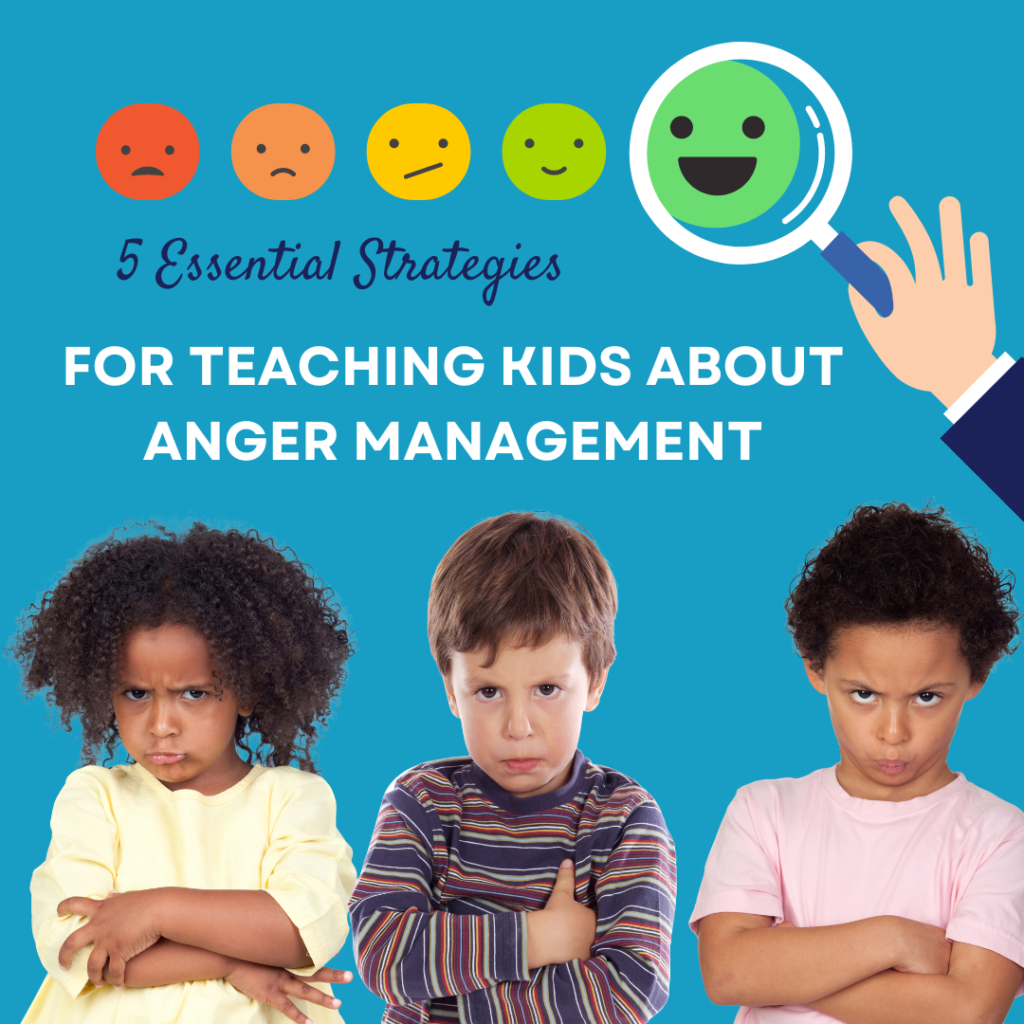
Anger is a natural emotional response that children experience as part of their emotional development. Recognizing the underlying causes and manifestations of anger in children is essential for supporting them effectively. By understanding the psychological and emotional basis of their anger, caregivers can foster healthier coping strategies and emotional regulation skills.
Children often express anger differently depending on their age, temperament, and environment. Being able to identify these expressions allows adults to respond with empathy and appropriate guidance, helping children navigate their feelings constructively.
The Emotional and Psychological Foundations of Anger in Kids
Children’s anger typically arises from feelings of frustration, disappointment, fear, or a sense of injustice. Psychologically, it acts as a signal that their needs are not being met, or they feel overwhelmed by situations they cannot control. From a developmental perspective, young children may lack the language skills necessary to articulate their feelings, resulting in externalized anger through actions or gestures.
Research indicates that persistent anger may also be linked to emotional regulation challenges or underlying issues such as anxiety or trauma. Understanding that anger is often a symptom of deeper emotions enables caregivers to address the root causes rather than merely focusing on surface behaviors.
Typical Behaviors and Signs Indicating a Child is Experiencing Anger
Detecting anger in children involves observing specific behaviors that serve as indicators of their emotional state. These signs can vary depending on the child’s age and personality but generally include physical, verbal, and behavioral cues.
Parents and teachers should be attentive to these signs to respond promptly and supportively:
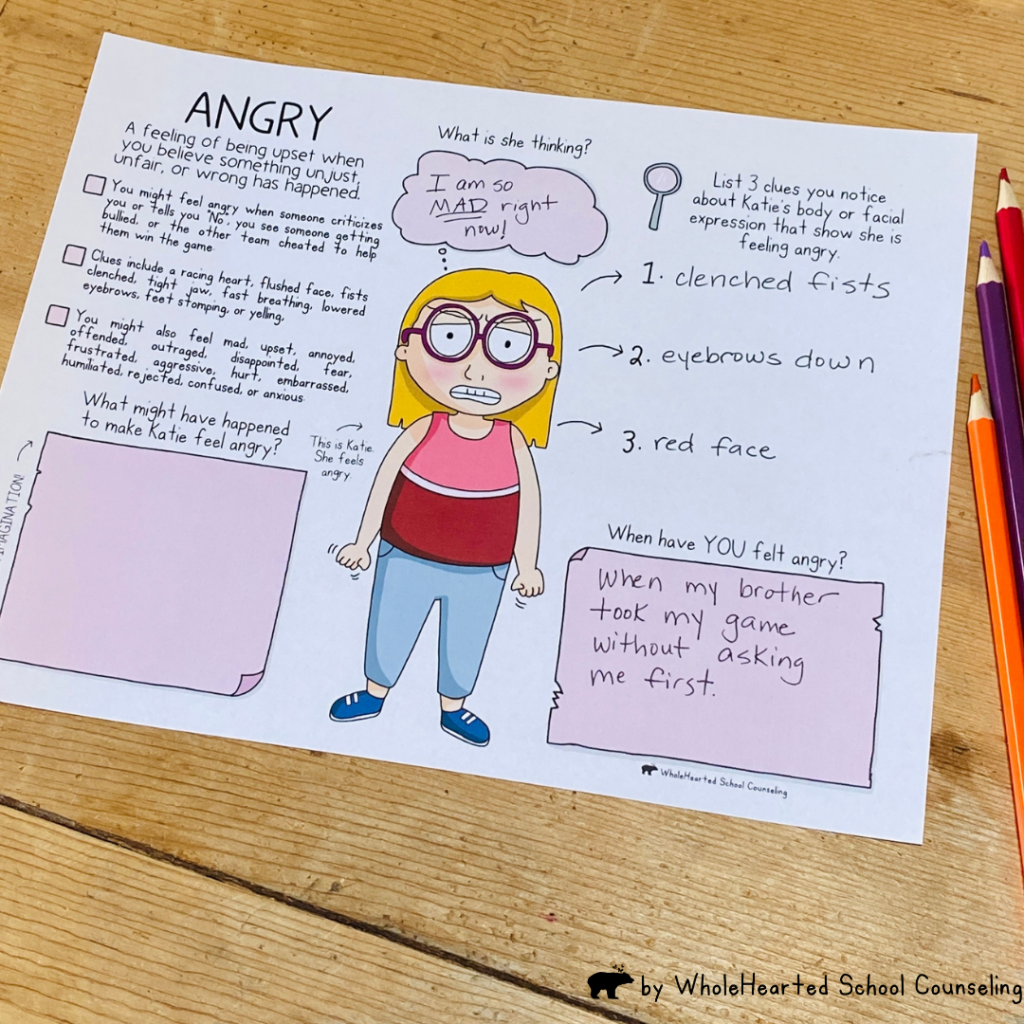
- Physical Signs: Clenched fists, flushed face, tense muscles, or aggressive gestures like hitting or kicking.
- Verbal Expressions: Yelling, shouting, crying loudly, or using harsh language, often accompanied by accusations or blame.
- Behavioral Indicators: Throwing objects, tantrums, refusing to cooperate, or withdrawal from social interactions.
- Emotional Cues: Exhibiting frustration, impatience, or irritability that persist over time.
Children’s ways of expressing anger are age-dependent. For example, toddlers might throw toys or cry loudly, while older children may become sulky or openly argue. Recognizing these age-appropriate expressions helps adults to interpret their feelings accurately and respond with empathy.
Understanding the nuances in children’s anger expressions fosters a supportive environment where emotional growth and regulation can develop effectively.
Causes and Triggers of Anger in Kids
Understanding what prompts children to feel angry is essential for managing their emotions effectively. Various factors, both internal and external, can serve as triggers that lead to episodes of anger. Recognizing these triggers enables parents, teachers, and caregivers to create supportive environments that minimize frustration and help children develop healthier emotional responses.Internal and external triggers are fundamental in understanding the origins of anger in children.
Internal triggers are related to the child’s internal state, such as physical discomfort, fatigue, hunger, or feelings of insecurity. External triggers involve factors outside the child’s immediate physical state, including environmental stimuli, social interactions, and daily routines. Differentiating between these helps in addressing the root causes of anger and preventing escalation.Environmental factors play a significant role in triggering or escalating a child’s anger.
These include noisy surroundings, chaotic settings, lack of personal space, or inconsistent routines. Such factors can overwhelm a child, making it difficult for them to regulate their emotions. Understanding and managing these environmental influences can significantly reduce the frequency and intensity of anger episodes.
Common Triggers Such as Frustration, Routine Changes, or Unmet Needs
Children often experience anger when they face challenges that hinder their attempts to achieve a goal or satisfy a desire. Frustration arises when a child’s efforts do not lead to the expected outcome, such as struggling with a difficult homework assignment or difficulty in completing a task. Changes in routine, such as switching schools, moving to a new home, or alterations in daily schedules, can cause feelings of instability and insecurity, triggering anger.
Additionally, unmet needs—whether for attention, affection, or basic necessities like food and sleep—can lead to feelings of neglect or discomfort, manifesting as anger.
Internal Versus External Triggers
Internal triggers originate from within the child’s own body or mind. Examples include feeling tired, hungry, unwell, overwhelmed, or anxious. These triggers are often less visible but equally impactful, as they influence the child’s emotional baseline. For instance, a tired child may become irritable and quick to anger, even over minor issues.External triggers stem from the environment or interactions with others.
These may involve loud noises, conflicts with peers or family members, or being in an overstimulating environment. External triggers are often more noticeable and easier to identify. For example, a child might lash out after a disagreement with a friend or when subjected to a chaotic, noisy setting at a crowded event.
Environmental Factors Escalating a Child’s Anger
Environmental aspects can significantly heighten a child’s emotional responses, especially if they are already feeling vulnerable or overstimulated. Some key environmental factors include:
- Excessive noise levels, such as loud music, crowded places, or constant background chatter
- Bright or flashing lights that can overwhelm sensory processing
- Chaotic or unpredictable routines that make children feel insecure
- Overcrowded spaces with limited personal space or privacy
- Inconsistent discipline or communication from caregivers, leading to confusion
- Presence of peer conflicts or bullying in social settings
- Inadequate rest or sleep environments that do not promote relaxation
Creating a calm, predictable, and supportive environment can help reduce these triggers. Adjusting the child’s surroundings to be more soothing and organized can foster emotional stability and lessen the likelihood of anger episodes.
Techniques to Calm Anger in Children
Managing anger effectively is essential for children’s emotional development and well-being. When children experience intense feelings of anger, guiding them through calming techniques can help them regain control and learn healthy coping strategies. These methods are simple, practical, and designed to be easily incorporated into daily routines, empowering children to handle their emotions constructively.Anger in children can overpower their ability to think clearly and communicate effectively.
Therefore, teaching calming techniques not only alleviates immediate outbursts but also instills lifelong skills for emotional regulation. Consistent practice of these strategies fosters resilience, patience, and self-awareness, which are crucial for positive social interactions and mental health.
Step-by-step Procedures for Calming During an Anger Outburst
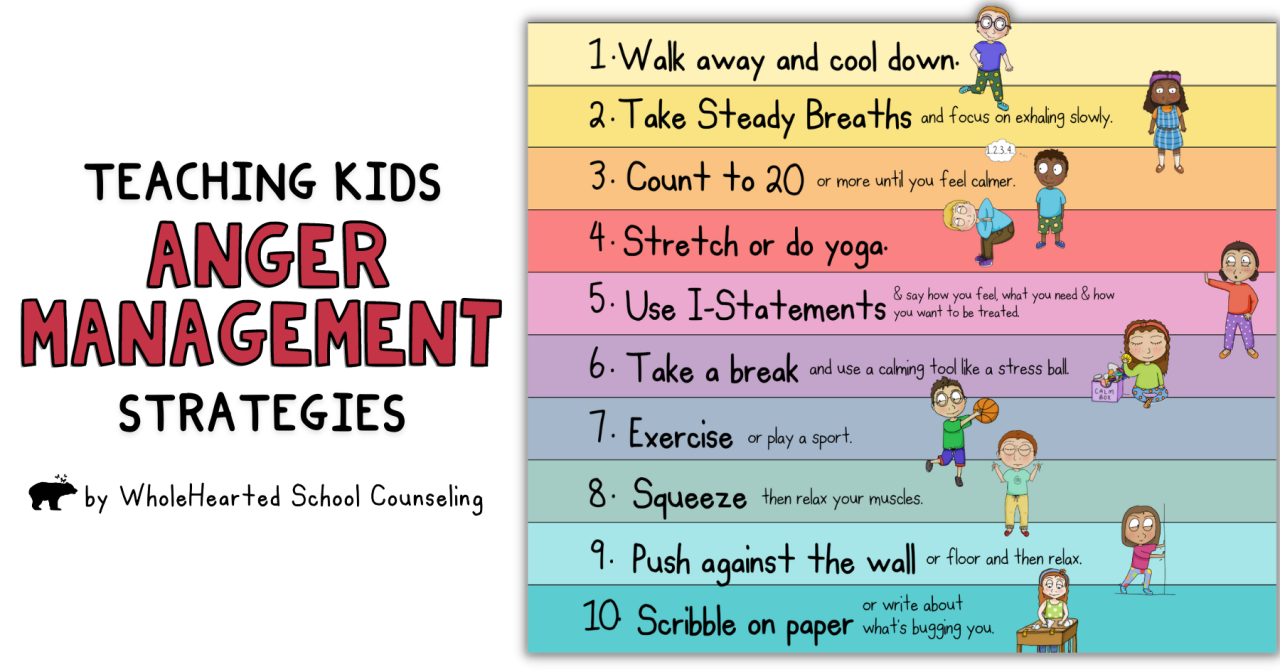
To assist children in managing their anger, caregivers can follow a structured approach that encourages self-awareness and control:
- Recognize the Early Signs of Anger: Help children identify physical or emotional cues indicating rising frustration, such as clenched fists, rapid breathing, or feelings of heat. Prompt awareness allows for earlier intervention.
- Pause and Take a Break: Encourage children to step away from the situation in a calm manner. A designated quiet space or corner can serve as a safe retreat to reduce emotional intensity.
- Practice Deep Breathing: Guide children through slow, deep breaths to lower arousal levels. Counting breaths or imagining blowing up a balloon can make this process engaging and effective.
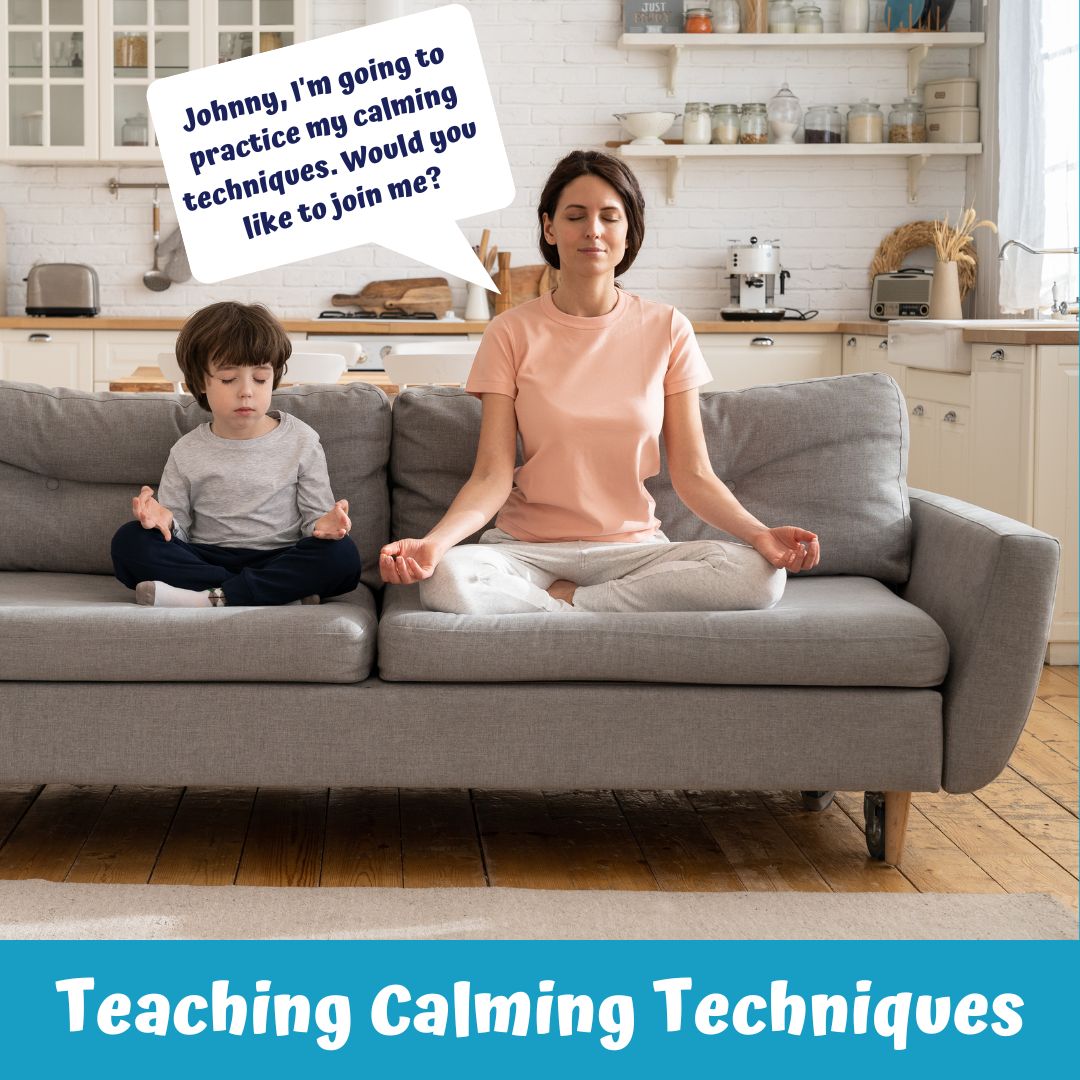
- Use Relaxation Techniques: Employ calming activities such as listening to soft music, visualizing peaceful places, or engaging in gentle muscle relaxation exercises to soothe their mind and body.
- Express Feelings through Words or Drawing: Once calmer, encourage children to articulate what made them upset or to draw their feelings, promoting emotional awareness and communication.
- Return to the Situation with Coping Strategies: After calming down, revisit the original issue with a focus on solutions, helping children develop constructive responses rather than reactive behaviors.
Simple Breathing Exercises and Relaxation Methods for Kids
Introducing easy-to-understand breathing and relaxation exercises can significantly reduce anger and promote emotional stability in children. These techniques can be practiced regularly and during moments of emotional distress, offering children practical tools for self-regulation.
Breathing exercises are particularly effective because they directly influence the nervous system, calming the body’s stress response. When children learn to control their breath, they gain a sense of mastery over their emotions, which fosters confidence and resilience.
Example of a simple breathing exercise: “Belly Breathing”—Encourage children to lie down comfortably, place their hands on their abdomen, and take slow, deep breaths, feeling their tummy rise and fall with each breath. Inhale slowly through the nose for four seconds, hold the breath for two seconds, and exhale gently through the mouth for four seconds. Repeat this cycle several times until they feel calmer.
Other relaxation methods suitable for children include:
- Guided Imagery: Lead children to imagine a peaceful scene, such as a beach or forest, encouraging detailed visualization to distract from anger triggers.
- Progressive Muscle Relaxation: Teach children to tense and then relax different muscle groups, starting from their toes to their head, helping them recognize physical tension and release it.
- Mindfulness and Meditation: Short, age-appropriate mindfulness exercises teach children to observe their thoughts and feelings non-judgmentally, fostering acceptance and emotional regulation.
Consistent practice of these techniques, integrated into daily routines, helps children develop a toolkit for managing anger with confidence and calmness. Over time, they learn to replace reactive behaviors with thoughtful responses, contributing to healthier emotional development and social interactions.
Teaching Emotional Regulation Skills
Helping children develop the ability to understand and manage their emotions is a vital component of fostering healthy emotional development. Children often struggle to recognize and articulate their feelings, which can lead to outbursts or prolonged anger. By teaching emotional regulation skills, caregivers and educators empower children to navigate their feelings constructively, leading to better social interactions and emotional well-being.Developing these skills involves guiding children to identify their emotions accurately and equipping them with practical tools and strategies to manage intense feelings like anger.
Incorporating activities that promote self-awareness and emotional control creates a supportive environment where children learn to regulate their responses in various situations, ultimately fostering resilience and emotional intelligence.
Methods for Teaching Kids to Identify and Label Emotions
Understanding one’s emotions is the first step toward managing them effectively. Children need clear guidance to recognize and articulate what they are feeling. Teaching them to label emotions helps reduce confusion and provides a language for expressing their inner experiences.
- Introduce emotion vocabulary gradually, starting with basic feelings such as happy, sad, angry, and scared, and expanding to more nuanced terms like frustrated, disappointed, or overwhelmed.
- Use everyday situations to discuss emotions, encouraging children to describe how they feel during different activities or after specific events.
- Incorporate storytelling, books, or role-playing scenarios that highlight various emotional responses, prompting children to identify what characters might be feeling and why.
- Practice mindfulness exercises that help children tune into their bodies and feelings, fostering awareness of emotional states as they occur.
- Encourage children to keep an emotion journal, drawing or writing about their feelings daily, which enhances their ability to recognize patterns and triggers.
Tools to Support Emotional Management
Providing children with tangible tools helps them manage emotions independently and confidently. Visual aids like emotion charts serve as quick reference guides, enabling children to identify their feelings and select appropriate coping strategies.
- Use emotion charts with expressive faces and labels, allowing children to point to how they feel and discuss their emotions openly.
- Create personalized coping strategy cards, illustrating steps such as taking deep breaths, counting to ten, or seeking a comforting object.
- Incorporate coping strategies into daily routines, such as practicing deep breathing before transitioning between activities or during times of frustration.
- Design interactive activities like emotion matching games or sorting exercises that reinforce recognition and regulation skills.
- Encourage the use of calming tools such as stress balls, sensory bottles, or soft music to help children self-soothe in moments of anger or agitation.
Activities to Promote Self-Awareness and Emotional Control
Engaging children in purposeful activities can deepen their understanding of emotions and strengthen their self-regulation abilities. These activities should be fun, age-appropriate, and consistently integrated into daily routines to foster lasting skills.
Role-Playing Scenarios
Simulate situations where children might feel angry or upset, guiding them through appropriate responses and coping strategies.
Breathing Exercises
Teach children how to take slow, deep breaths to calm their minds and bodies during emotional surges.
Mindfulness Practices
Introduce simple mindfulness activities such as focusing on their breath, feeling their feet on the ground, or listening to calming sounds.
Emotion Sculpting
Use clay or playdough to represent different emotions, encouraging children to express feelings creatively and recognize physical manifestations of their emotions.
Reflection Time
Allocate moments for children to discuss what made them angry or upset, helping them connect triggers with emotions and develop insight into their reactions.
Emotion Regulation Charts
Use visual charts where children can mark their current emotional state and select activities or coping methods to help them regain control.
Effective Communication Strategies
Mastering effective communication with children is essential in helping them express their feelings about anger constructively. Encouraging children to articulate their emotions verbally fosters emotional intelligence and reduces the likelihood of aggressive behaviors. Additionally, adopting active listening and validation techniques creates a safe environment where children feel understood and supported, making it easier for them to navigate their emotions healthily.
Implementing clear communication strategies involves understanding how to prompt children to share their feelings openly, listen attentively, and validate their experiences. These approaches not only help children articulate their anger but also teach them valuable skills for managing emotions in various situations.
Encouraging Children to Express Feelings Verbally
Children often struggle to identify and communicate their feelings, especially when overwhelmed by anger. Teaching children specific words and phrases to describe their emotions empowers them to express themselves accurately. For example, guiding children to say, “I am angry because…” or “I feel frustrated when…” helps them articulate their feelings clearly.
Creating opportunities for children to practice verbal expression during calm moments can significantly improve their emotional vocabulary. Use storytelling or role-playing activities where children can practice naming their emotions, which builds confidence and reduces the likelihood of bottled-up feelings manifesting as behavioral issues.
Active Listening and Validating Emotions
Active listening involves giving full attention to the child, maintaining eye contact, and providing verbal and non-verbal cues that show genuine interest. Validating a child’s emotions involves acknowledging their feelings without judgment, which fosters trust and emotional openness.
When a child expresses anger, respond with statements like, “I can see you’re upset,” or “It’s okay to feel angry sometimes.” This validation helps children understand that their emotions are legitimate, encouraging them to communicate more openly and develop healthy coping mechanisms.
Dialogue Templates for Adult-Child Conversations about Anger
Structured dialogue templates serve as useful tools for guiding conversations about anger, ensuring that the child feels heard and supported. These templates foster a calm environment where children can explore their feelings and develop understanding.
Adult: “It looks like you’re feeling really angry right now. Do you want to tell me what’s bothering you?”
Child: “I’m angry because I lost the game.”
Adult: “Losing can be frustrating. It’s okay to feel upset. Would you like to talk about what you can do next time?”
Adult: “You’re upset because you hit your friend. Can you tell me what happened?”
Child: “He took my toy.”
Adult: “That must have made you really mad. It’s important to find gentle ways to express your feelings. How about we talk about some ways to share and take turns?”
Using these dialogue patterns encourages children to verbalize their feelings, understand their emotions, and learn appropriate ways to express anger, reinforcing positive communication habits that benefit their emotional development.
Setting Boundaries and Consistent Rules
Establishing clear boundaries and consistent rules is fundamental in guiding children toward appropriate behavior and reducing instances of anger triggered by confusion or perceived unfairness. When children understand what is expected of them and the consequences of their actions, they are more likely to feel secure and in control, which diminishes frustration and emotional outbursts. Consistency in applying rules also reinforces learning, helping children develop self-discipline and emotional regulation skills over time.Having structured boundaries provides a framework within which children can navigate their social and emotional worlds confidently.
It helps minimize ambiguity and creates a predictable environment, essential for children prone to anger when faced with uncertainty or abrupt changes. When boundaries are set thoughtfully and communicated clearly, children learn to anticipate outcomes and develop trust in caregivers’ guidance, leading to fewer misunderstandings and conflicts.
Procedures for Establishing Clear, Consistent Rules
Implementing effective procedures for establishing rules involves a collaborative approach that includes both caregivers and children. Begin by identifying age-appropriate behaviors that require guidance, ensuring rules are simple, specific, and attainable. Use positive language to frame rules, emphasizing what children should do rather than what they must not do, which fosters a respectful and encouraging atmosphere.Communicate rules consistently across all settings and caregivers to reinforce expectations.
Regularly review rules with children to ensure understanding and address any ambiguities. Use visual aids, such as charts or signages, to remind children of rules in common areas, and involve children in the rule-making process where appropriate, increasing their sense of ownership and responsibility.Establish routine check-ins to reinforce rules and discuss any challenges. When children test boundaries, respond calmly and consistently, acknowledging good behaviors and gently correcting missteps.
Consistency in enforcement helps children internalize behavioral expectations, reducing feelings of confusion or injustice that often lead to anger.
Consequences Versus Rewards Table
Understanding how to balance consequences and rewards is vital in managing children’s anger effectively. Below is a responsive table outlining appropriate consequences and rewards tailored for anger management strategies:
| Behavior | Consequences | Rewards |
|---|---|---|
| Calming down after anger outburst |
|
|
| Consistent respectful communication |
|
|
| Repeated aggressive behavior |
|
|
“The key is to ensure that consequences and rewards are immediate, consistent, and proportionate to the child’s actions to reinforce learning and emotional growth.”
Role of Routine and Structure in Reducing Anger Triggers
A predictable routine provides stability, minimizes uncertainty, and creates a sense of security for children, which is essential in preventing anger triggers. When children know what to expect throughout the day—such as mealtimes, play, study, and rest—they are less likely to feel overwhelmed or frustrated by sudden changes.Consistent routines help children develop self-regulation skills by establishing clear expectations and reducing anxiety associated with unpredictability.
For example, a child who knows that screen time ends at a specific hour and that bedtime follows a calming ritual is less likely to become upset over transitions. Routine also facilitates the reinforcement of behavioral boundaries, as children understand the sequence of events and associated rules.Additionally, routines foster a sense of responsibility and independence. When children participate in daily routines, such as tidying up toys or preparing for bed, they develop a sense of control and competence, which reduces feelings of helplessness that often contribute to anger.
Caregivers should aim to maintain consistency while also allowing some flexibility to accommodate individual needs, establishing a structured yet adaptable environment conducive to emotional well-being.
Positive Reinforcement and Rewards
Encouraging children to develop healthy emotional regulation and appropriate behaviors can be significantly reinforced through positive feedback and reward systems. When children understand that their good behavior is recognized and valued, they are more likely to repeat those behaviors, including managing their anger effectively. Implementing consistent and meaningful reinforcement strategies helps foster emotional growth and resilience, ultimately reducing instances of anger outbursts over time.
Positive reinforcement involves acknowledging and rewarding desirable behaviors to increase their frequency. When applied thoughtfully, it can help children associate calmness and emotional control with positive outcomes, thereby gradually modifying anger-related tendencies. Over time, these reinforcement strategies contribute to the development of self-control, patience, and healthier ways of expressing emotions.
Examples of Positive Reinforcement Techniques
Effective reinforcement methods include specific praise, tokens, privileges, or tangible rewards that acknowledge a child’s effort to manage their anger or display patience. These techniques should be consistent and immediate to strengthen the connection between the behavior and the reward, making it more effective in reinforcing positive patterns.
- Verbal praise emphasizing the child’s effort, such as “Great job calming down after feeling upset.”
- Giving stickers or stamps on a reward chart for each calm behavior exhibited
- Offering extra playtime or a choice of activity as a reward for demonstrating patience or self-control
- Providing small tangible rewards like a favorite snack or toy after a good day of emotional regulation
- Implementing a point system where children earn points toward a larger reward, like a family outing or special activity
Reward Systems Suitable for Children
Designing reward systems that are age-appropriate and engaging can significantly motivate children to practice anger management strategies. Rewards should be meaningful and tailored to each child’s interests to ensure they are motivated to improve their behavior.
| Reward System | Description |
|---|---|
| Sticker Chart | Children earn stickers for exhibiting positive behaviors, which can be exchanged for a larger reward after accumulating a set number of stickers. |
| Token Economy | Children receive tokens or points for appropriate conduct, which they can trade for privileges or small prizes. |
| Reward Jar | Involves placing marbles, beads, or items in a jar each time a child demonstrates self-control, with the jar’s contents leading to a reward once filled. |
| Choice-Based Rewards | Children are given options for rewards, such as choosing a game, activity, or treat, to foster a sense of control and motivation. |
| Family Reward System | Engages the entire family in tracking and celebrating positive behaviors, encouraging peer support and shared accountability. |
Impact of Praise and Rewards on Anger-Related Behaviors
Consistent positive reinforcement can lead to significant behavioral improvements by reinforcing calmness and patience, reducing the frequency and intensity of anger outbursts over time. Praise and rewards help children associate emotional regulation with positive feelings and social acceptance, which motivates them to adopt better coping strategies.
Over time, children internalize the connection between their actions and positive feedback. This shift in behavior is supported by their growing confidence in managing emotions independently, leading to fewer tantrums and aggressive responses. Moreover, praise and rewards foster a supportive environment where children feel valued and understood, further encouraging their emotional growth and resilience in handling difficult situations.
Creating a Supportive Environment
A nurturing and calming environment plays a vital role in helping children manage and express their emotions healthily. When children feel safe, understood, and supported at home, they are more likely to develop effective emotional regulation skills and reduce instances of anger outbursts. Creating such an environment involves intentional space design, engaging family activities, and a consistent atmosphere of empathy and safety.A supportive environment encourages children to communicate openly and feel valued, fostering emotional resilience.
It provides them with the tools and space necessary to process their feelings constructively, ultimately promoting healthier behavior patterns and emotional well-being.
Designing a Calming Space at Home
Creating a designated calming space at home offers children a refuge where they can retreat to manage overwhelming feelings. This space should be a quiet, comfortable area that is free from distractions and stimuli that may escalate emotions.Consider incorporating soft lighting, calming colors such as blues or pastels, and comfortable seating like cushions or soft chairs. Including sensory tools like stress balls, textured fabrics, or soothing music can help children self-regulate during moments of anger or frustration.
This space should be accessible and inviting, encouraging children to use it voluntarily when they feel overwhelmed without fear of judgment.
Engaging Family Activities to Promote Emotional Understanding
Family activities that foster emotional awareness and empathy strengthen bonds and help children develop emotional intelligence. These activities should be designed to encourage open communication, active listening, and shared experiences that highlight understanding and compassion.Examples include regular family discussions about feelings where each member shares their emotions and experiences, storytelling sessions that explore different perspectives, and collaborative art projects that express personal feelings.
Participating in role-playing games can also help children practice empathy by putting themselves in others’ shoes, enhancing their ability to recognize and respect different emotional responses.
The Importance of a Nurturing Environment in Anger Management
A nurturing environment acts as a foundation for effective anger management by providing children with consistent emotional support and understanding. When children perceive their environment as safe and predictable, they are less likely to feel threatened or overwhelmed, which are common triggers for anger.A nurturing setting emphasizes patience, positive reinforcement, and active involvement in a child’s emotional development. It reinforces the idea that mistakes are part of learning and that expressing feelings is acceptable within a caring framework.
This environment cultivates resilience and emotional strength, empowering children to navigate their feelings constructively and reducing the frequency and intensity of anger episodes.
Closure
In conclusion, managing anger in children requires a comprehensive approach that combines understanding, patience, and consistent guidance. By applying these strategies, caregivers can help children develop healthier emotional responses, leading to better interpersonal skills and a more positive atmosphere at home. Remember, fostering emotional regulation is an ongoing process that benefits from nurturing support and professional assistance when needed.