Managing stress as a student is essential for maintaining academic success and personal well-being. As students navigate the complexities of coursework, social pressures, and future planning, understanding effective strategies to cope with stress becomes increasingly vital. By exploring various techniques and support systems, students can turn challenges into opportunities for growth and resilience, ultimately fostering a healthier and more balanced lifestyle.
This guide offers valuable insights into recognizing signs of stress, implementing proven stress management techniques, building a supportive environment, and establishing healthy habits. Equipped with these tools, students can confidently face academic pressures and create personalized plans that promote mental clarity and emotional stability throughout their educational journey.
Understanding Stress in Students

Stress is an increasingly prevalent issue among students across educational levels, impacting their academic performance, mental health, and overall well-being. Recognizing the multifaceted nature of stress and its effects is essential for educators, parents, and students themselves to develop effective coping strategies and support systems.
Students experience a range of physical and mental effects when under stress, which can hinder their ability to focus, retain information, and maintain a healthy lifestyle. Common sources of stress vary depending on the academic environment but often include workload, deadlines, examinations, social pressures, financial concerns, and personal issues. The widespread nature of student stress is reflected in recent statistics, which indicate that a significant percentage of students report feeling overwhelmed or anxious at least once during their academic journey.
Physical and Mental Effects of Stress on Students
Stress manifests in various physical and mental symptoms that can diminish a student’s capacity to perform academically and manage daily responsibilities. Physically, students may experience headaches, fatigue, muscle tension, rapid heartbeat, digestive problems, and sleep disturbances. Mentally, stress can lead to anxiety, irritability, difficulty concentrating, memory issues, and feelings of hopelessness or depression. Long-term stress can even weaken the immune system, increasing susceptibility to illnesses and prolonging recovery times.
Common Sources of Student Stress
Understanding the various origins of stress in students helps identify potential areas for intervention. Academic pressures are among the most prominent sources, including high workload, upcoming exams, and the pressure to excel. Social challenges, such as establishing peer relationships, coping with bullying, or balancing extracurricular activities, also contribute significantly. Financial concerns related to tuition fees, living expenses, or part-time jobs further exacerbate stress levels.
Additionally, personal health issues, family problems, and future career uncertainties serve as persistent stressors for many students.
Statistics and Data on Student Stress
Research indicates that student stress is a widespread issue affecting diverse populations globally. According to a 2021 survey conducted by the American Psychological Association, approximately 70% of college students reported feeling overwhelmed by their responsibilities, with nearly 45% experiencing frequent anxiety. A study published in the Journal of Adolescent Health found that high school students reporting stress-related symptoms increased by 25% over a decade.
These figures highlight the urgent need for effective stress management strategies within educational settings.
Causes, Symptoms, and Impacts of Stress in Students
| Causes | Symptoms | Impacts |
|---|---|---|
|
|
|
Recognizing Signs of Stress
Understanding the physical, emotional, and behavioral indicators of stress is essential for students to identify their own wellbeing levels. Early recognition of these signs can facilitate timely intervention and prevent the escalation of stress-related issues. Students often overlook subtle symptoms until they become more severe, making awareness a vital component of effective stress management.
By familiarizing themselves with common signs, students can better monitor their mental health, seek support when necessary, and implement appropriate coping strategies. Recognizing these signs also enables educators and counselors to provide targeted assistance to students experiencing heightened stress levels.
Behavioral, Emotional, and Physical Signs of Stress
Stress manifests in various forms, affecting multiple aspects of a student’s life. Behavioral signs often involve changes in routine or habits, emotional symptoms reflect shifts in mood or outlook, and physical signs are bodily sensations or reactions. Awareness of these indicators helps students distinguish between normal fatigue and stress-related distress.
Examples of these signs include increased irritability, withdrawal from social activities, difficulty concentrating, changes in sleep or appetite, and physical discomfort such as headaches or stomachaches. Recognizing these symptoms early can promote proactive management and foster resilience in challenging situations.
Symptoms Students Should Be Aware Of to Identify Their Own Stress
Being attentive to personal symptoms is crucial for self-awareness and timely intervention. The following list highlights common signs that may indicate high stress levels:
- Persistent feelings of anxiety or unease
- Frequent mood swings or irritability
- Difficulty focusing or completing tasks
- Changes in sleeping patterns, such as insomnia or oversleeping
- Appetite fluctuations, including overeating or loss of appetite
- Physical complaints like headaches, muscle tension, or stomach discomfort
- Feelings of overwhelm or helplessness
- Social withdrawal or reduced participation in activities
Warning Signs Requiring Immediate Attention
Some symptoms may indicate severe stress or mental health crises that demand urgent intervention. Recognizing these warning signs can be life-saving, and prompt action should be taken to seek professional help or support:
- Thoughts of self-harm or suicide
- Sudden drastic changes in behavior or personality
- Severe anxiety or panic attacks that impair daily functioning
- Signs of psychosis, such as hallucinations or delusional thinking
- Intense emotional outbursts or inability to control impulses
- Physical symptoms like chest pain, fainting, or severe headaches that do not resolve
Mapping Signs to Underlying Causes
Understanding the root causes of stress symptoms helps tailor effective coping strategies and interventions.
| Signs | Possible Underlying Causes |
|---|---|
| Persistent anxiety, irritability, mood swings | Academic pressure, workload overload, personal relationships |
| Difficulty concentrating, forgetfulness | Lack of sleep, mental exhaustion, anxiety |
| Changes in sleep or appetite | Emotional distress, hormonal fluctuations, lifestyle disruptions |
| Physical symptoms like headaches or stomachaches | Stress response, poor nutrition, dehydration |
| Social withdrawal | Depression, social anxiety, burnout |
| Thoughts of self-harm or severe emotional disturbances | Underlying mental health issues, trauma, overwhelming stress |
Effective Stress Management Techniques
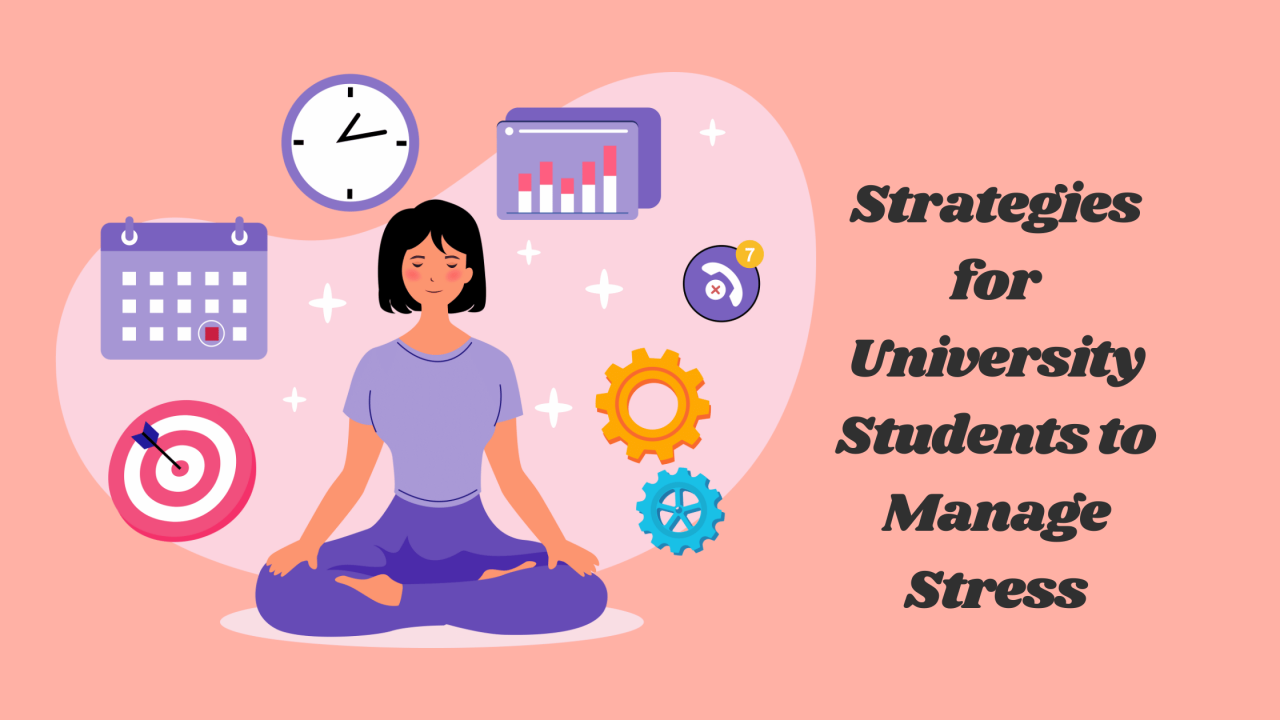
Managing stress effectively is crucial for students to maintain their mental health, academic performance, and overall well-being. Implementing practical techniques can help students navigate the pressures of academic life with greater resilience and calmness. These strategies encompass mindfulness practices, time management skills, and relaxation methods that can be tailored to individual preferences and situations.
By integrating these techniques into daily routines, students can create a balanced approach to handling stress, enhancing their ability to focus, stay motivated, and recover from setbacks more efficiently. Understanding and applying these methods can significantly contribute to a healthier, more productive academic experience.
Practicing Mindfulness and Meditation
Mindfulness and meditation are effective tools for reducing stress by promoting present-moment awareness and fostering mental clarity. The following step-by-step procedures can guide students in establishing a consistent practice:
- Find a quiet, comfortable space where you will not be disturbed. Sit or lie down in a relaxed position.
- Set a timer for the desired duration, beginning with 5-10 minutes for beginners.
- Close your eyes gently and focus on your breath. Notice the sensation of air entering and leaving your nostrils or the rise and fall of your chest or abdomen.
- If your mind wanders, acknowledge the thought without judgment and gently redirect your attention back to your breath.
- As you become more experienced, gradually extend the duration of your practice and explore guided meditation apps or recordings for additional support.
Consistency is key. Practicing mindfulness daily can help cultivate a calmer mind, improve concentration, and reduce anxiety related to academic pressures.
Time Management and Prioritization
Effective time management empowers students to handle their coursework and responsibilities more efficiently, reducing feelings of being overwhelmed. The following methods are particularly suited for students:
- Creating a Weekly Schedule: Allocate specific time blocks for studying, classes, extracurricular activities, and leisure. Use planners or digital calendars to visualize commitments.
- Prioritizing Tasks: Use the Eisenhower Matrix to distinguish urgent and important tasks from less critical ones. Focus first on activities that require immediate attention and have significant impact.
- Breaking Down Large Tasks: Divide big projects into smaller, manageable steps with individual deadlines. This prevents procrastination and enhances a sense of achievement.
- Implementing the Pomodoro Technique: Work for focused intervals of 25 minutes followed by 5-minute breaks, with longer breaks after four sessions. This improves concentration and prevents burnout.
Adopting these strategies encourages a balanced workload, improves productivity, and fosters a sense of control over academic responsibilities.
Comparison of Relaxation Techniques
Different relaxation methods can be tailored to individual preferences and situational needs. The following table compares three popular techniques based on their typical duration, effectiveness, and suitable situations:
| Method | Duration | Effectiveness | Applicable Situations |
|---|---|---|---|
| Deep Breathing | 2-10 minutes | High, quick relief from acute stress | Before exams, during stressful study sessions, or when feeling overwhelmed |
| Progressive Muscle Relaxation | 10-20 minutes | Moderate to high; reduces physical tension significantly | Before bedtime, during breaks, or after intense study sessions |
| Visualization | 5-15 minutes | Effective for mental relaxation and stress reduction | During study breaks, before exams, or when seeking mental clarity |
Deep breathing provides rapid relief, making it ideal for immediate stress reduction.
Progressive muscle relaxation is effective for physical tension release, fostering overall calmness.
Visualization helps calm the mind by creating mental images of peaceful scenarios, promoting mental clarity.
Building a Support System
Establishing a strong support network is essential for students to effectively navigate stress. Having reliable connections with peers, family members, and mental health professionals provides emotional reassurance, practical assistance, and guidance during challenging times. A well-developed support system fosters resilience and enhances overall well-being, enabling students to focus better on their academic and personal growth.A supportive environment encourages open communication, trust, and understanding.
It helps students feel less isolated and more empowered to address their stressors proactively. Developing such a network requires intentional effort and awareness of available resources, ensuring students can access help when needed and share their experiences comfortably.
Fostering a Supportive Environment Among Peers and Family
Creating a nurturing atmosphere starts with cultivating empathy and active listening among friends and family members. Students can promote open dialogue about stress and mental health by initiating honest conversations and expressing appreciation for support received. Participating in group activities, study groups, or peer mentoring programs can strengthen bonds, foster mutual understanding, and create a sense of community.Encouraging peer-led initiatives or support groups within campus communities provides safe spaces where students can share their challenges and coping strategies.
Family involvement is equally crucial; maintaining regular communication, sharing feelings, and seeking advice from family members helps reinforce a sense of belonging and emotional security. Respecting boundaries and understanding diverse perspectives also contribute to a supportive environment.
Strategies for Seeking Help from Counselors, Mentors, or Mental Health Professionals
Effective stress management often involves reaching out to trained professionals who can offer specialized guidance. Students should familiarize themselves with available campus resources, such as counseling centers, mental health services, or academic advisors, and understand how to access these services promptly. Scheduling appointments or attending workshops can provide additional support and coping tools.Building rapport with mentors or trusted faculty members can facilitate ongoing guidance.
Students are encouraged to prepare for sessions by identifying specific concerns and goals, which helps make interactions more productive. Confidentiality is vital; knowing that sharing personal struggles remains private encourages openness and honesty during consultations. Seeking help early prevents stress from escalating and demonstrates proactive self-care.
Effective Communication of Stress Issues to Friends or Advisors
Clear and honest communication about stress enhances understanding and support from others. Students should articulate their feelings and challenges in a way that accurately conveys their experience without overwhelming their listeners. Using specific examples or scenarios can help clarify their situation, making it easier for friends or advisors to respond appropriately.Active listening and expressing appreciation for support foster a two-way dialogue that strengthens trust.
Employing ‘I’ statements — such as “I feel overwhelmed when…” — reduces defensiveness and promotes empathy. In situations where students find it difficult to verbalize their feelings, writing down thoughts or using visual aids can be effective. Recognizing the importance of timing and setting for these conversations ensures they occur in a supportive environment conducive to discussion.
Support System Organization Table
| Category | Actions | Resources | Tips |
|---|---|---|---|
| Peers |
|
|
|
| Family |
|
|
|
| Professional Help |
|
|
|
| Communication |
|
|
|
Incorporating Healthy Lifestyle Habits
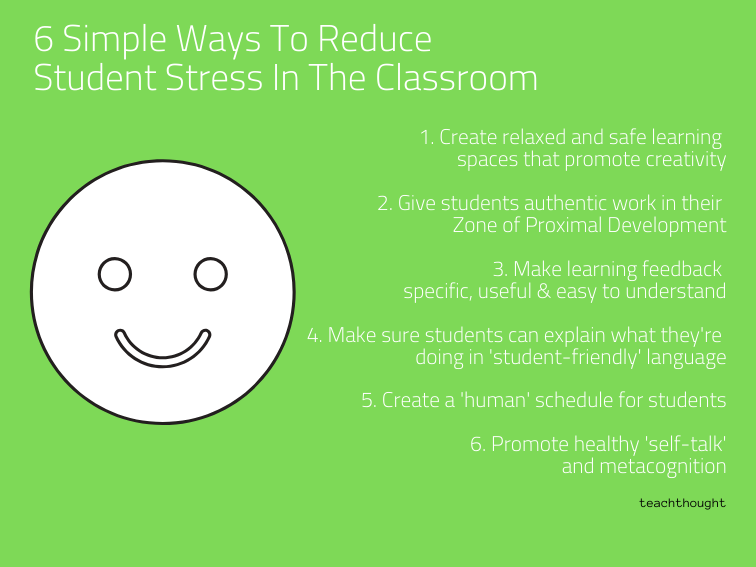
Maintaining a healthy lifestyle is a cornerstone of effective stress management for students. When students prioritize their physical and mental well-being through consistent habits, they enhance their resilience against academic pressures and life challenges. Incorporating balanced routines that include exercise, nutrition, and sleep can significantly improve mood, focus, and overall health, creating a more sustainable approach to handling stress.A balanced lifestyle not only boosts physical health but also fosters mental clarity and emotional stability.
By making intentional choices to include physical activity, nutritious eating, and sufficient rest into daily routines, students can build a robust foundation for managing stress proactively. These habits serve as natural stress relievers and contribute to long-term well-being, enabling students to perform better academically and personally.
Regular Exercise and Its Role in Stress Reduction
Regular physical activity is one of the most effective ways to combat stress. Exercise releases endorphins, the body’s natural mood enhancers, which help reduce feelings of anxiety and depression. Engaging in activities such as brisk walking, cycling, yoga, or dance not only improves physical health but also provides mental relief. For busy students, integrating exercise into daily routines can be straightforward by taking short breaks for stretching, opting for stairs instead of elevators, or participating in campus sports clubs.To make physical activity sustainable, students can set realistic goals such as 30 minutes of moderate exercise five times a week.
Scheduling exercise at specific times, like early mornings or after classes, helps establish consistency. Group workouts with friends or online fitness classes can also add social motivation, making exercise both enjoyable and manageable amidst a hectic schedule.
Maintaining Nutritious Eating Habits
Nutrition plays a vital role in managing stress, affecting energy levels, concentration, and overall mood. During high-pressure academic periods, students often resort to quick, processed foods that lack essential nutrients. To sustain mental well-being, it is important to incorporate a variety of balanced meals rich in fruits, vegetables, whole grains, lean proteins, and healthy fats.Practical strategies include meal planning for the week, preparing healthy snacks in advance, and choosing nutrient-dense options over fast food.
Hydration is equally crucial; drinking plenty of water supports cognitive function and physical health. Limiting caffeine and sugar intake can prevent energy crashes and reduce anxiety levels. Mindful eating practices—such as eating slowly and paying attention to hunger cues—also contribute to better digestion and more stable mood.
Habits That Promote Mental Well-Being
Adopting daily habits that support mental health can be highly effective in managing stress. The following list highlights key practices, along with brief explanations of their benefits:
- Regular Physical Activity: Enhances mood, reduces anxiety, and boosts resilience by releasing endorphins.
- Consistent Sleep Schedule: Ensures restorative rest, improves concentration, and stabilizes emotions.
- Balanced Nutrition: Provides essential nutrients for brain function and energy, reducing fatigue and irritability.
- Mindfulness and Meditation: Helps focus the mind, decrease stress levels, and foster emotional regulation.
- Time Management: Reduces last-minute cramming and anxiety by organizing tasks and setting achievable goals.
- Social Connection: Maintains strong relationships, offers emotional support, and alleviates feelings of isolation.
- Regular Breaks and Leisure Activities: Prevents burnout and promotes mental relaxation through hobbies or simple recreational activities.
Incorporating these habits into daily life creates a comprehensive approach to managing stress, ensuring that students can navigate their academic pursuits with greater resilience and well-being.
Overcoming Common Challenges

Students often encounter specific obstacles that can hinder effective stress management and academic success. Recognizing and addressing these challenges is vital to maintaining a balanced and healthy lifestyle during studies. Common issues such as procrastination, perfectionism, and social pressures can intensify stress levels if not managed properly.
Understanding these hurdles and implementing targeted strategies enable students to navigate their academic journey with greater resilience and confidence. The following sections provide insights into these challenges, along with practical methods and real-life scenarios to illustrate how to overcome them effectively.
Procrastination and Strategies to Overcome It
Procrastination is a prevalent challenge among students, often leading to last-minute cramming, increased anxiety, and a sense of overwhelm. It typically stems from fear of failure, lack of motivation, or poor time management skills.
To combat procrastination, students can adopt the following techniques:
- Break tasks into smaller steps: Dividing large assignments into manageable parts reduces feelings of being overwhelmed and makes starting less intimidating.
- Set specific deadlines: Assigning clear deadlines creates a sense of urgency and helps prioritize tasks effectively.
- Use the Pomodoro Technique: Implement focused work sessions of 25 minutes followed by short breaks to maintain concentration and prevent burnout.
- Eliminate distractions: Creating a dedicated, clutter-free study space minimizes interruptions and helps maintain focus.
- Reward progress: Celebrating small achievements boosts motivation and reinforces positive habits.
Real-life Scenario:
Scenario: A student has a research paper due in two weeks but keeps delaying starting it.
Solution: The student breaks the project into research, Artikel, writing, and editing stages, setting deadlines for each. They schedule focused sessions using the Pomodoro Technique and reward themselves after completing each stage. This approach reduces anxiety and facilitates steady progress.
Overcoming Perfectionism and Strategies for Balance
Perfectionism can lead students to spend excessive time refining their work, resulting in missed deadlines and heightened stress. While attention to detail is valuable, striving for flawlessness often hampers productivity and self-esteem.
Effective methods to manage perfectionism include:
- Set realistic standards: Recognize that perfection is unattainable and aim for excellence rather than flawlessness.
- Practice self-compassion: Accept mistakes as part of the learning process and avoid self-criticism.
- Limit revision time: Allocate a fixed amount of time for editing to prevent over-polishing.
- Focus on progress, not perfection: Track improvements over time rather than seeking perfection in every task.
- Seek feedback: Obtain constructive criticism from peers or instructors to gain perspective and reduce unnecessary self-doubt.
Real-life Scenario:
Scenario: A student spends days refining a single essay, missing submission deadlines.
Solution: The student sets a strict time limit for revisions, adopts a checklist for essential edits, and seeks feedback from classmates beforehand. This shifts focus from perfecting every detail to completing quality work within deadlines.
Managing Social Pressures and Building Confidence
Social pressures, including peer comparison, societal expectations, or fear of judgment, can elevate stress levels and impact mental well-being. Navigating social dynamics while maintaining academic focus requires deliberate strategies.
Strategies to address social pressures include:
- Develop self-awareness: Recognize personal values and goals, and avoid measuring success solely against others.
- Establish boundaries: Limit social media use and avoid environments that foster unhealthy comparisons.
- Build a supportive network: Surround oneself with positive peers who encourage growth and understanding.
- Practice assertiveness: Communicate needs and boundaries confidently to reduce feelings of obligation or conformity.
- Focus on personal achievements: Celebrate individual progress rather than comparing with others’ performances.
Real-life Scenario:
Scenario: A student feels overwhelmed trying to match friends’ academic and extracurricular achievements.
Solution: The student reflects on personal priorities, sets realistic goals aligned with their interests, and seeks mentorship. By focusing on personal growth rather than external validation, they reduce stress and develop confidence.
Comparison of Challenges and Strategies
| Challenge | Impact | Effective Strategy |
|---|---|---|
| Procrastination | Increases anxiety, hampers productivity, and leads to last-minute stress. | Break tasks into smaller steps, set deadlines, eliminate distractions, use focused work techniques, reward progress. |
| Perfectionism | Causes excessive revision, missed deadlines, and decreased self-esteem. | Set realistic standards, practice self-compassion, limit revision time, focus on progress, seek feedback. |
| Social Pressures | Leads to feelings of inadequacy and heightened stress from external validation. | Develop self-awareness, establish boundaries, build supportive relationships, practice assertiveness, focus on personal achievements. |
Closing Notes
In conclusion, mastering stress management as a student is crucial for achieving both academic excellence and personal fulfillment. By understanding the sources and signs of stress, adopting effective techniques, and building strong support networks, students can transform stressful moments into opportunities for growth. Embracing these strategies will help pave the way for a more balanced, resilient, and successful student life.