Learning how to manage stress in a healthy way is essential for maintaining both mental and physical health. Stress, when left unchecked, can significantly impact daily functioning and overall well-being, emphasizing the importance of effective coping strategies. This guide explores practical methods to identify stressors, implement beneficial techniques, and build supportive habits to foster resilience and balance in life.
By understanding the physiological and psychological effects of stress, recognizing personal triggers, and adopting sustainable management practices, individuals can enhance their quality of life. Incorporating healthy lifestyle choices and seeking appropriate support further contribute to a comprehensive approach to stress management, ensuring long-term well-being and vitality.
Understanding Stress and Its Impact on Health
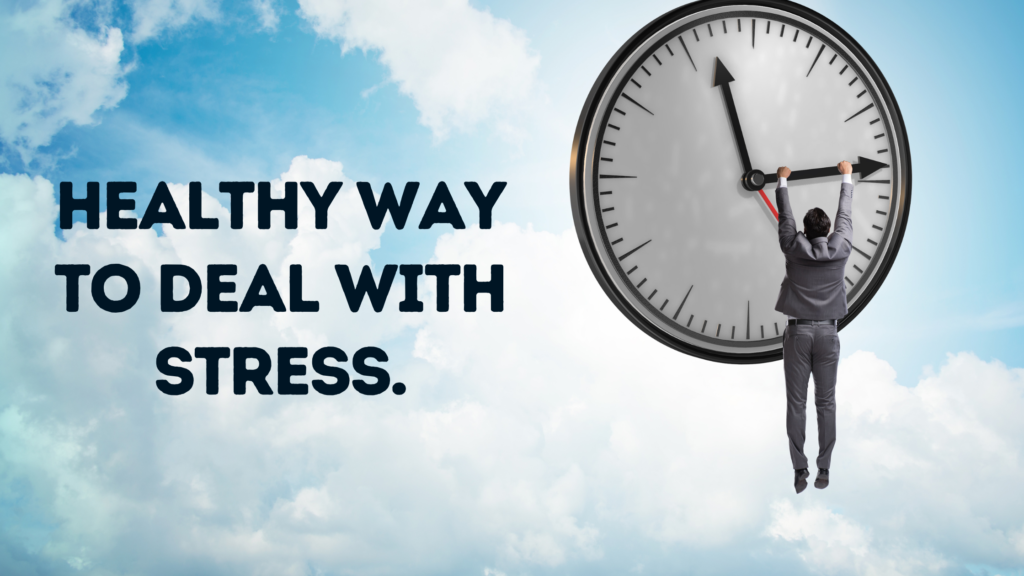
Stress is an inherent part of life that influences both our mental and physical well-being. While short-term stress can sometimes motivate us and enhance performance, prolonged or chronic stress can have detrimental effects on overall health. Recognizing the nature of stress and its consequences is essential for managing it effectively and maintaining a balanced lifestyle.
Stress activates a complex response system within the body that involves hormonal, cardiovascular, immune, and neurological changes. When faced with a stressful situation, the body initiates the “fight or flight” response, releasing hormones such as adrenaline and cortisol. These hormones prepare the body to react quickly but, if persistently elevated, can cause significant health issues, including cardiovascular problems, weakened immune function, and mental health disorders.
Psychologically, stress can impair concentration, cause anxiety, and lead to feelings of overwhelm and depression. Understanding these effects helps in identifying early signs and implementing strategies to mitigate long-term health risks.
Physiological Effects of Stress on the Body
Chronic stress triggers a series of physiological responses that can compromise bodily functions. Elevated cortisol levels, for example, can lead to increased blood pressure, higher blood sugar levels, and inflammation. Over time, these changes increase the risk of developing conditions such as hypertension, heart disease, and type 2 diabetes. Additionally, prolonged stress can impair digestion, cause muscle tension, and disrupt sleep patterns.
The immune system also becomes suppressed, making the body more susceptible to infections and delaying recovery from illness.
Psychological Effects of Stress on the Mind
Stress has profound impacts on mental health, often manifesting as anxiety, irritability, and difficulty concentrating. Persistent psychological stress can contribute to the development of mental health disorders such as depression and anxiety disorders. It can impair cognitive functions like memory and decision-making, leading to decreased productivity and emotional distress. Recognizing these psychological signs is vital for seeking appropriate support and adopting stress-reduction techniques.
Signs and Symptoms of Stress in Daily Life
Understanding how stress manifests in everyday life enables prompt identification and management. Common physical signs include headaches, fatigue, muscle tension, and sleep disturbances. Emotional symptoms often encompass feelings of frustration, mood swings, and irritability. Behavioral changes may involve social withdrawal, poor concentration, and changes in appetite. Recognizing these indicators early helps prevent the escalation of stress into more severe health issues.
Impact of Chronic Stress on Overall Health and Well-being
Prolonged exposure to stress can have severe consequences for overall health, increasing vulnerability to chronic diseases and decreasing quality of life. Chronic stress is linked to cardiovascular problems such as heart attacks and strokes, metabolic disorders including obesity and diabetes, and mental health conditions like depression and anxiety. It can also impair immune function, leading to frequent illnesses and slower recovery.
Additionally, persistent stress affects emotional resilience, reducing the ability to cope with future challenges effectively. Managing stress is crucial for safeguarding both physical and mental health, promoting a balanced and fulfilling life.
Recognizing Personal Stress Triggers
Understanding the specific factors that contribute to individual stress is a vital step towards effective management. By identifying personal triggers, individuals can develop targeted strategies to reduce their impact and foster a healthier response to challenging situations. Awareness of these triggers allows for proactive adjustments in routines and environments, promoting overall well-being and resilience.Recognizing personal stress triggers involves a deliberate process of self-observation and analysis.
Since stressors vary widely among individuals, tailored approaches are necessary to uncover what specifically causes heightened stress levels in one’s daily life. This process often requires patience, honesty, and consistent effort to gain meaningful insights into behavioral patterns and environmental influences.
Methods to Analyze Personal Environments and Routines to Pinpoint Stressors
Analyzing personal environments and routines provides valuable insights into the sources of stress. This process involves systematically examining daily activities, interactions, and surroundings to identify specific elements that consistently evoke stress responses. Such analysis helps in distinguishing between external factors, like workplace demands, and internal factors, such as negative self-talk or perfectionist tendencies.
- Conduct a Self-Assessment: Reflect on recent stressful episodes, noting the circumstances and feelings associated with each event. Consider aspects like time of day, location, and the people involved.
- Identify Patterns: Look for recurring themes or situations that tend to trigger stress, such as deadlines, conflicts, or environmental noise.
- Evaluate Routines: Break down daily routines into smaller segments to determine which activities or transitions (e.g., commute, meal times, work tasks) are most associated with stress.
- Assess Environmental Factors: Examine your physical surroundings, including workspace organization, home environment, and social interactions, for elements that may induce stress.
Integrating this analysis into your routine encourages mindfulness and awareness, making it easier to modify behaviors and environments that contribute to stress buildup.
Techniques for Maintaining a Stress Journal to Track Triggers Over Time
Maintaining a stress journal is an effective method for tracking and understanding personal stress triggers over an extended period. By documenting daily experiences, individuals can recognize patterns and identify specific stressors that may be less apparent in the moment. Consistent journaling fosters self-awareness, enabling more informed decisions about managing and mitigating stress.
- Choose a Suitable Format: Use a physical notebook or a digital app designed for journaling, ensuring accessibility and ease of use.
- Record Details Regularly: After each stressful event or at the end of each day, note the circumstances, your emotional and physical responses, and any coping strategies used.
- Include Context: Document environmental factors, social interactions, workload levels, and personal thoughts to provide comprehensive insights.
- Review Entries Periodically: Set aside time weekly or monthly to analyze your journal, searching for recurring stressors or newly identified triggers.
Consistent journaling transforms raw experiences into valuable data, facilitating targeted stress management strategies.
Over time, this method reveals subtle stress patterns, helping individuals anticipate triggers and develop personalized coping mechanisms.
Step-by-Step Procedure for Evaluating Daily Activities that Contribute to Stress
Systematically evaluating daily activities enables individuals to pinpoint specific actions or routines that elevate stress levels. This structured approach promotes clarity and fosters purposeful adjustments, ultimately leading to healthier habits and reduced stress.
- List Daily Activities: Write down all activities performed from waking up to going to bed, including work, chores, social interactions, and leisure.
- Rate Stress Levels: Assign a stress level to each activity on a scale (e.g., 1-10), based on how stressful or relaxing it feels during that time.
- Identify High-Stress Activities: Highlight or categorize activities with high stress ratings, noting specific aspects that contribute to heightened stress.
- Analyze Triggers and Context: Examine the circumstances surrounding stressful activities, such as time constraints, environmental factors, or interpersonal dynamics.
- Develop Actionable Changes: Create a plan to modify or eliminate stress-inducing activities. For example, incorporate breaks during work, delegate tasks, or rearrange routines to better suit personal energy levels.
- Implement and Monitor: Make targeted changes and observe their impact on stress levels, adjusting strategies as needed based on ongoing evaluations.
This methodical review ensures that each component of daily life is scrutinized for its contribution to stress, empowering individuals to take control and create healthier, more manageable routines.
Strategies for Managing Stress in a Healthy Way
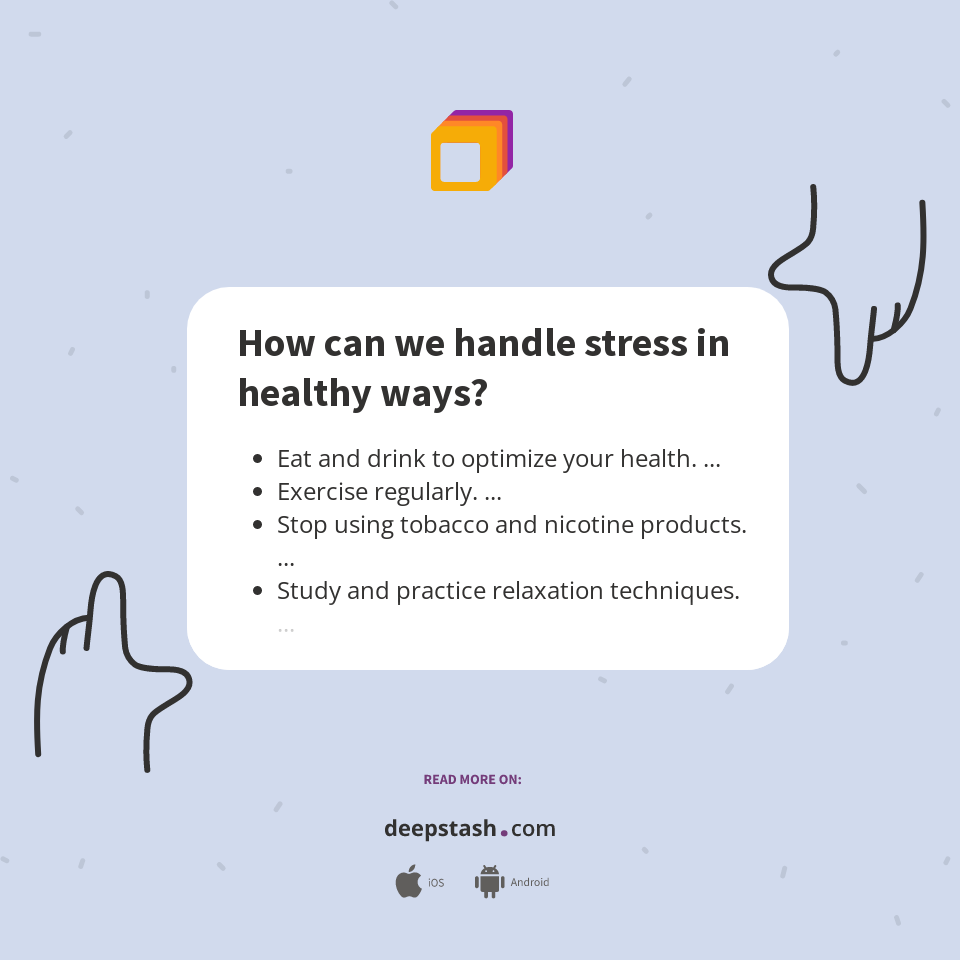
Managing stress effectively is crucial for maintaining overall health and well-being. Incorporating practical techniques into daily routines can significantly reduce stress levels and improve quality of life. These strategies empower individuals to handle stressful situations with resilience and a calm mindset, fostering a healthier mental and physical state over time.Understanding and applying a variety of stress management techniques can help tailor approaches to personal preferences and lifestyle.
Combining relaxation methods, physical activity, and mindful practices creates a comprehensive framework for stress reduction that is sustainable and adaptable.
Effective Relaxation Techniques
Relaxation methods are fundamental in calming the nervous system, decreasing tension, and promoting mental clarity. Utilizing different techniques allows individuals to find the most effective method suited to their needs, often combining several for optimal results.
- Deep Breathing Exercises: Focuses on slow, diaphragmatic breathing to induce relaxation, lower cortisol levels, and reduce anxiety. Practicing for 5-10 minutes daily can lead to noticeable benefits.
- Meditation: Involves sitting quietly and concentrating on the present moment, which helps diminish racing thoughts and emotional reactivity. Regular meditation, even for 10 minutes a day, can enhance emotional resilience.
- Mindfulness Practices: Encourage paying deliberate attention to current experiences without judgment. Activities such as mindful eating or walking help improve awareness and reduce reactive stress responses.
- Progressive Muscle Relaxation: Consists of tensing and then relaxing muscle groups, which relieves physical tension accumulated during stressful periods.
- Guided Imagery: Using visualization techniques to imagine calming scenes or scenarios, helping to divert attention from stressors and foster tranquility.
Weekly Routine Integrating Physical Activities
Physical activity plays a pivotal role in managing stress by releasing endorphins, improving mood, and reducing cortisol levels. Creating a weekly routine that incorporates various forms of exercise can develop consistency and promote mental health.
For optimal stress management, it is advisable to include a mix of moderate-intensity activities such as yoga, walking, or sports into your weekly schedule. These activities also provide opportunities for social interaction, which further alleviates stress.
- Monday: 30-minute brisk walk in a natural setting to start the week with fresh air and gentle exercise.
- Wednesday: 45-minute yoga session focusing on breathing, flexibility, and mindfulness to enhance relaxation.
- Friday: Participation in a team sport like tennis, basketball, or soccer for social engagement and physical exertion.
- Sunday: Leisurely hike or an extended walk, allowing time for reflection and connection with nature.
Comparison of Stress Management Techniques
The following table provides an overview of different stress management methods, highlighting their typical duration, effectiveness, and suitability based on individual needs and circumstances.
| Technique | Typical Duration | Effectiveness | Suitable For |
|---|---|---|---|
| Deep Breathing Exercises | 5-10 minutes per session | High; reduces immediate stress symptoms and promotes calmness | Individuals seeking quick relief; beginners in relaxation practices |
| Meditation | 10-30 minutes daily | Moderate to high; improves emotional regulation and reduces chronic stress | People interested in mental clarity; those with time for daily practice |
| Mindfulness Practices | Ongoing; can be incorporated into daily activities | High; enhances overall stress resilience and emotional awareness | Individuals looking for sustainable, everyday stress management |
| Physical Activities (e.g., yoga, walking, sports) | 30-60 minutes, several times a week | Very high; boosts mood, reduces anxiety, and improves physical health | People seeking physical exercise combined with mental health benefits |
| Progressive Muscle Relaxation | 10-20 minutes per session | High; alleviates physical tension and promotes sleep | Individuals experiencing physical symptoms of stress or insomnia |
Effective stress management involves choosing techniques that fit personal preferences, lifestyle, and specific stress responses. Consistency and combining methods often yield the best results in maintaining mental and physical health.
Building a Support System and Seeking Help

Managing stress effectively involves recognizing the importance of social connections and understanding how sharing feelings with trusted individuals can significantly alleviate emotional burdens. Building a robust support network ensures that individuals do not face stressors in isolation, fostering resilience and emotional well-being.
Seeking help from professionals and fostering open communication within personal relationships are crucial steps in maintaining mental health. A well-developed support system offers comfort, guidance, and practical assistance, empowering individuals to cope with stress in a healthy and constructive manner.
Social Connections and Sharing Feelings
Establishing strong social bonds provides a foundation for emotional support, which is fundamental in stress management. Sharing feelings with trusted friends, family members, or colleagues helps to lighten emotional load, validate personal experiences, and gain new perspectives. Such interactions also promote a sense of belonging, reducing feelings of isolation that often accompany stress.
“Open communication within personal relationships nurtures trust and emotional safety, which are vital for effective stress management.”
Practical ways to strengthen social connections include dedicating regular time for meaningful conversations, actively listening to others, and expressing appreciation and empathy. Engaging in community activities or support groups can also expand one’s social network, offering additional avenues for emotional sharing and mutual support.
Accessing Professional Support
Professional support from therapists, counselors, or mental health specialists provides tailored strategies and expert guidance for managing stress. Accessing such resources can be achieved through various channels, including healthcare providers, online therapy platforms, or local mental health clinics.
Support groups serve as valuable platforms where individuals facing similar challenges can share experiences, exchange coping mechanisms, and foster mutual encouragement. These groups often focus on specific issues such as anxiety, depression, or workplace stress, providing targeted assistance and a sense of community.
| Steps to Access Professional Support |
|---|
|
Fostering Open Communication and Emotional Support in Personal Relationships
Healthy relationships thrive on honest and empathetic communication, which is essential for emotional support during stressful times. Encouraging open dialogue helps partners, family members, or close friends to understand each other’s feelings and needs better.
Effective strategies include active listening, expressing feelings without judgment, and avoiding defensive reactions. Creating a safe environment where all parties feel heard and respected promotes trust and emotional intimacy, making it easier to navigate stressful situations collaboratively.
“Empathy and clarity in communication strengthen emotional bonds, providing a resilient support system for managing stress.”
Practicing regular emotional check-ins, setting boundaries, and seeking mutual understanding are key components of fostering open communication. Additionally, encouraging loved ones to seek professional support when needed demonstrates care and commitment to collective well-being.
Incorporating Healthy Lifestyle Habits
Establishing and maintaining healthy lifestyle habits form a crucial foundation for managing stress effectively and supporting overall mental well-being. These habits not only enhance resilience but also promote a balanced, fulfilling life. Adopting consistent routines related to diet, sleep, and daily activities can significantly influence how individuals respond to stressors and recover from daily challenges.A holistic approach to lifestyle involves intentional choices that nourish both the body and mind, creating an environment conducive to mental clarity, emotional stability, and physical health.
Integrating these routines into daily life can lead to improved mood, increased energy levels, and a greater capacity to handle stress with resilience and calmness.
Creating Balanced Diet Plans Supporting Mental Health
A nutritious, well-rounded diet plays a vital role in maintaining mental health and mitigating stress levels. Proper nutrition provides essential nutrients that support brain function, regulate mood, and stabilize energy. To develop a balanced diet plan:
- Prioritize whole foods such as fruits, vegetables, whole grains, lean proteins, and healthy fats. These foods supply vital nutrients like omega-3 fatty acids, B-vitamins, antioxidants, and minerals that promote brain health.
- Limit intake of processed foods high in sugar, saturated fats, and artificial additives, which can contribute to inflammation and mood disturbances.
- Maintain regular meal times to stabilize blood sugar levels, preventing energy dips and irritability.
- Incorporate omega-3 rich foods, like salmon, walnuts, and flaxseeds, known for their anti-inflammatory properties and positive effects on mood regulation.
- Stay adequately hydrated, as dehydration can impair cognitive function and increase feelings of stress and fatigue.
For optimal mental health, consulting with a registered dietitian can help tailor diet plans to individual needs, preferences, and health conditions, ensuring sustainable and effective nutritional habits.
Enhancing Sleep Quality Through Consistent Routines
Quality sleep is fundamental in stress management, as it allows the body and mind to recover and restore energy. Poor sleep patterns can exacerbate stress and impair cognitive function, making it harder to cope with daily pressures. Strategies to improve sleep quality include:
- Establishing a consistent sleep schedule by going to bed and waking up at the same time daily, even on weekends. This helps regulate the body’s internal clock and enhances sleep quality.
- Creating a calming pre-sleep routine, such as reading, gentle stretching, or practicing relaxation techniques like deep breathing or meditation, to signal the body that it’s time to wind down.
- Ensuring the sleep environment is conducive to rest—cool, dark, and quiet spaces promote better sleep. Using blackout curtains or white noise machines can be beneficial.
- Limiting screen time at least an hour before bed, as blue light emitted from devices can interfere with melatonin production, hindering sleep onset.
- Avoiding caffeine, nicotine, and heavy meals close to bedtime, which can disrupt sleep patterns and reduce sleep duration.
- Effective Time Management: Prioritizing tasks, setting realistic goals, and breaking large projects into manageable steps can reduce feelings of being overwhelmed. Using planners or digital calendars ensures organized daily routines.
- Setting Boundaries: Clearly defining personal and professional limits helps prevent overcommitment. Learning to say no when necessary preserves energy and focus on priorities that align with personal well-being.
- Regular Physical Activity: Engaging in at least 150 minutes of moderate exercise weekly can release endorphins, reduce stress hormones, and improve mood. Activities such as walking, cycling, or yoga are especially beneficial.
- Practicing Mindfulness and Relaxation Techniques: Techniques like meditation, deep breathing, or progressive muscle relaxation help in calming the mind and reducing physiological stress responses.
- Maintaining Social Connections: Regular interactions with friends, family, or support groups provide emotional support, reduce feelings of isolation, and enhance coping mechanisms during stressful periods.
- Engaging in Hobbies and Leisure Activities: Dedicating time to hobbies fosters a sense of accomplishment and joy, acting as a buffer against stress and burnout.
- Engaging in regular physical activity, such as walking, yoga, or sports, which releases endorphins and reduces stress hormones.
- Practicing mindfulness, meditation, or deep breathing exercises to promote relaxation and mental clarity.
- Connecting with friends, family, or support groups to share feelings and receive encouragement.
- Setting boundaries to manage workload and prioritize self-care activities.
- Maintaining a balanced diet to support overall health and energy levels.
- Using alcohol or drugs as a way to escape or numb feelings, leading to dependence and health problems.
- Overeating or consuming high-calorie comfort foods habitually in response to stress, causing weight gain and metabolic issues.
- Excessive screen time, such as binge-watching TV or endlessly scrolling social media, which can increase feelings of loneliness and disrupt sleep.
- Engaging in compulsive behaviors like gambling or shopping to divert attention from stress, risking addiction and financial issues.
- Neglecting physical activity or sleep in favor of sedentary habits that worsen stress and health outcomes.
- Identify triggers and patterns: Recognize situations, emotions, or environments that prompt unhealthy behaviors. Keep a journal to track these triggers and understand your responses.
- Develop alternative activities: Replace harmful habits with constructive activities such as taking a walk, engaging in a hobby, or practicing relaxation techniques when stress arises.
- Set realistic goals: Gradually reduce reliance on negative habits by setting achievable targets, like limiting screen time by 15-minute increments each day.
- Seek social support: Share your intentions with trusted friends, family, or support groups who can encourage and hold you accountable.
- Practice self-compassion: Be patient and forgiving with yourself during the transition. Recognize your efforts and celebrate small successes to build confidence.
- Incorporate stress-reducing activities: Engage regularly in physical activity, mindfulness, or creative pursuits to develop a repertoire of positive stress management techniques.
- Establish routines: Consistent daily routines for meals, sleep, and relaxation create stability and reduce the likelihood of resorting to harmful habits during stressful times.
By prioritizing sleep hygiene and making these adjustments, individuals can experience more restful nights, leading to improved mood, greater stress resilience, and overall health benefits.
Habits That Promote Resilience Against Stress
Adopting specific daily habits can significantly bolster an individual’s resilience against stress, fostering a proactive approach to mental well-being. These habits help in managing workload, maintaining emotional balance, and establishing boundaries to prevent burnout. Key practices include:
Implementing these habits consistently creates a resilient mindset, enabling individuals to navigate stressors more effectively and maintain mental and physical health in the long term.
Avoiding Unhealthy Stress Relief Methods
Managing stress effectively involves not only adopting positive coping strategies but also recognizing and avoiding harmful habits that can worsen stress and damage health. Engaging in unhealthy stress relief methods such as substance abuse, overeating, or excessive screen time may seem like quick fixes, but they often lead to more serious physical and mental health problems over time. Developing awareness of these patterns is essential for maintaining overall well-being and fostering healthier responses to stress.
Unhealthy stress relief methods can provide temporary relief or distraction; however, they tend to compound stress and introduce new challenges. Substance abuse, such as alcohol or drug misuse, may initially seem to relax or numb feelings but can rapidly lead to addiction, liver problems, mental health issues, and impaired judgment. Overeating, especially comfort foods high in sugar and fat, might temporarily soothe emotional distress but often results in weight gain, insulin resistance, and feelings of guilt or shame.
Excessive screen time, including long hours on social media or gaming, can disrupt sleep patterns, increase feelings of isolation, and reduce physical activity, all of which exacerbate stress rather than alleviate it.
Comparison of Healthy and Unhealthy Coping Mechanisms
Understanding the differences between positive and negative strategies helps in making conscious choices that support mental and physical health during stressful periods. The following table highlights key distinctions:
| Healthy Coping Mechanisms | Unhealthy Coping Mechanisms |
|---|---|
|
|
|
Tips for Replacing Harmful Habits with Positive Alternatives
Transforming unhealthy coping mechanisms into healthier habits requires mindfulness and intentional effort. Here are some practical tips to facilitate this change:
By consciously choosing healthier coping strategies, individuals can better manage stress, improve their overall health, and foster resilience against future stressors. Consistent effort and a supportive environment are key elements in making sustainable positive changes.
Developing Long-Term Stress Management Practices

Effective stress management is a continuous process that requires deliberate planning, consistent effort, and adaptability. Developing sustainable habits and strategies ensures that stress levels are kept in check over time, promoting overall well-being and resilience. This section focuses on designing personalized stress reduction plans, setting achievable goals, and maintaining progress through regular evaluation and adjustments, enabling individuals to manage stress proactively rather than reactively.Creating long-term stress management practices involves integrating proven techniques into daily routines, fostering resilience, and cultivating habits that support mental and physical health.
A well-rounded approach combines mindfulness, physical activity, time management, and social support to form a comprehensive strategy tailored to individual needs. Maintaining flexibility and reviewing strategies regularly help accommodate changes in life circumstances and stressors, ensuring sustained effectiveness.
Designing a Personal Stress Reduction Plan Incorporating Learned Techniques
Developing a personalized plan involves selecting stress management methods that resonate with individual preferences and lifestyles. It is essential to identify which techniques are most effective and sustainable for each person. A comprehensive plan should include a combination of relaxation practices, physical activity, time management, and social interactions that foster emotional resilience.Begin by assessing current stress levels and pinpointing specific triggers.
Incorporate techniques such as mindfulness meditation, deep breathing exercises, regular physical activity, and scheduled breaks into daily routines. For example, setting aside 10 minutes daily for meditation or walking can significantly reduce stress. Utilizing tools like stress journals helps track emotional states and identify patterns, enabling adjustments to be made for better outcomes.
| Component | Description | Example |
|---|---|---|
| Relaxation Techniques | Practices such as deep breathing, progressive muscle relaxation, or guided imagery to calm the mind and body. | Engaging in a 5-minute deep breathing exercise before starting work or after stressful meetings. |
| Physical Activity | Regular exercise to boost endorphin levels and enhance mood. | Jogging, yoga, or dancing sessions at least three times a week. |
| Time Management | Organizing tasks to prevent overwhelm and prioritize effectively. | Using planners or digital apps to schedule tasks and set realistic deadlines. |
| Social Support | Building connections with friends, family, or support groups for emotional backing. | Weekly gatherings or virtual chats to share experiences and seek encouragement. |
Creating a Step-by-Step Process for Setting Realistic Stress Management Goals
Setting achievable goals is critical for maintaining motivation and ensuring consistency in stress management efforts. This process involves breaking down broad objectives into manageable, measurable steps that align with individual capabilities and circumstances.Begin by conducting an honest assessment of current stress levels and identifying areas needing improvement. Establish specific, realistic goals such as incorporating a daily 10-minute meditation or reducing caffeine intake by half over a month.
Use the SMART criteria—Goals should be Specific, Measurable, Achievable, Relevant, and Time-bound. For example, aiming to practice mindfulness for 10 minutes every morning for four weeks provides clear direction and attainable targets.To support goal achievement, develop an action plan that details daily or weekly activities, resources needed, and potential barriers. Regularly reviewing progress helps maintain focus and motivation, while acknowledging milestones reinforces positive habits.
Adjust goals as necessary to reflect changing circumstances or insights gained through ongoing practice.
“Effective stress management is a journey that demands patience, consistency, and flexibility. Setting realistic goals transforms a daunting process into achievable steps, paving the way for lasting well-being.”
Methods for Tracking Progress and Adjusting Strategies Over Time
Monitoring progress is vital for understanding the effectiveness of stress management practices and identifying areas for improvement. Employing various tracking methods enables individuals to stay motivated and make informed adjustments to their strategies.Utilize journals or digital apps to record daily stress levels, emotional states, and the frequency of stress-relief activities. For instance, rating stress on a scale of 1 to 10 each day provides quantitative data that can reveal patterns over time.
Visual tools like graphs or charts help visualize progress and identify trends, such as increased stress during specific periods or after particular activities.Periodic reviews are essential for evaluating the success of current strategies. Set aside weekly or monthly intervals for reflection, assessing whether goals are being met and if techniques are producing desired outcomes. If certain methods are less effective, consider modifying or replacing them—such as switching from passive relaxation to more active stress-reduction practices like exercise or social engagement.Incorporate feedback from self-assessment results into the ongoing development of the stress management plan.
Flexibility is crucial; strategies should evolve based on changing life circumstances, new stressors, and personal preferences. For example, if work-related stress increases, dedicating additional time to mindfulness or seeking professional support can be beneficial. Maintaining an adaptive approach ensures that long-term stress management practices remain effective and sustainable.
Final Wrap-Up
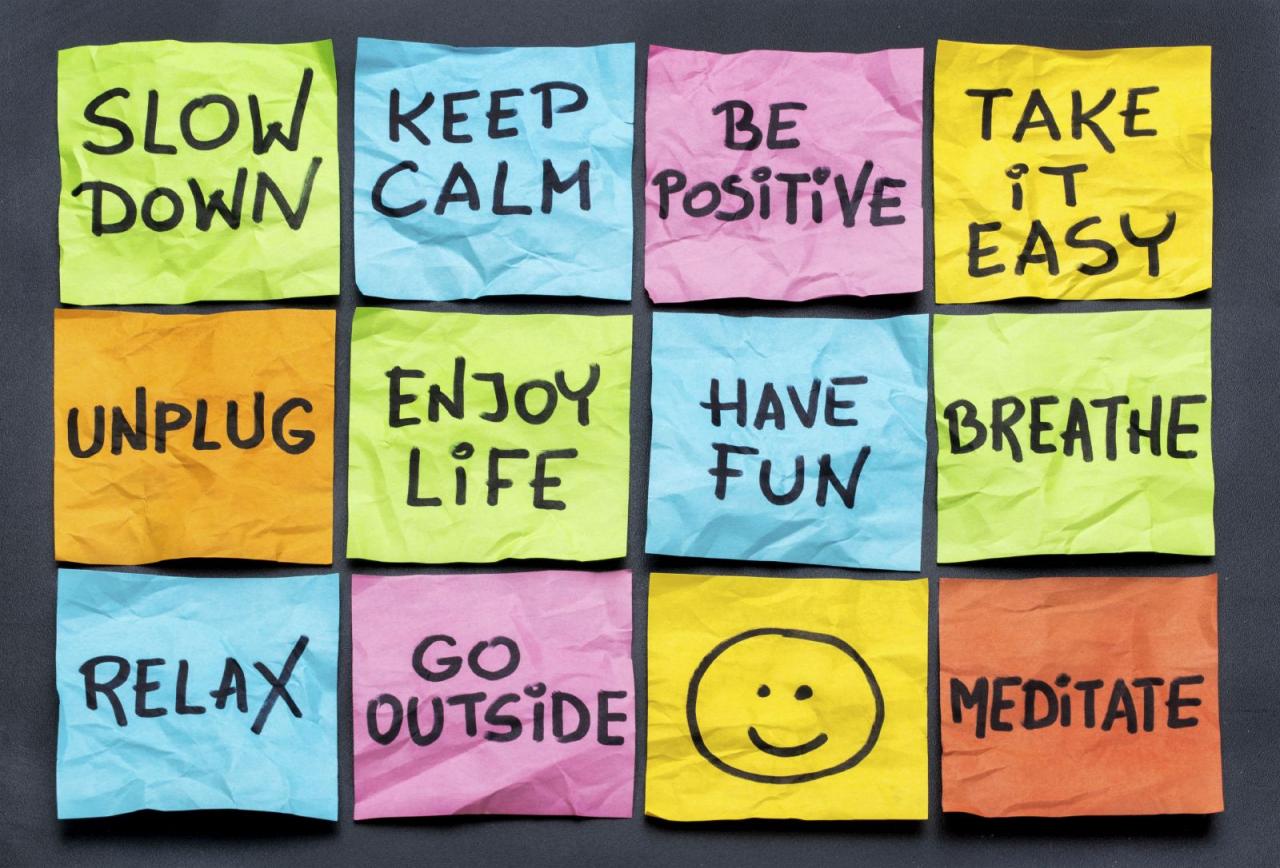
In conclusion, managing stress in a healthy way involves a multifaceted approach that includes self-awareness, adopting relaxation techniques, maintaining healthy habits, and seeking support when needed. Developing these practices not only alleviates immediate tension but also builds resilience against future stressors, leading to a more balanced and fulfilling life. Embracing a proactive stance toward stress management empowers individuals to thrive amidst life’s challenges.