Learning how to handle panic attacks in public can be a transformative step toward regaining confidence and control in social situations. These episodes, though distressing, are common and manageable with the right knowledge and techniques. Understanding what triggers panic attacks and recognizing early signs are vital for effectively addressing them when they occur outside the safety of familiar environments.
This guide offers practical strategies for immediate relief, long-term prevention, and effective communication to ensure individuals feel empowered to manage panic attacks confidently in any public setting.
Understanding Panic Attacks in Public
Panic attacks can be a distressing experience, especially when they occur unexpectedly in public settings. Recognizing the physiological and psychological aspects of these episodes is essential for managing them effectively and reducing stigma associated with such events. Public environments often heighten the experience of panic, making awareness and understanding crucial for those affected and their surroundings.During a panic attack, an individual undergoes a complex interplay of physical sensations and emotional responses.
The body’s fight-or-flight response is triggered unnecessarily, releasing stress hormones such as adrenaline. This produces rapid heartbeat, breathing difficulties, and a sensation of impending doom, often overwhelming the individual. Psychologically, panic attacks can evoke intense fear, feelings of losing control, or fear of dying, which can compound the physical symptoms and intensify the experience.
Physiological Aspects of Panic Attacks
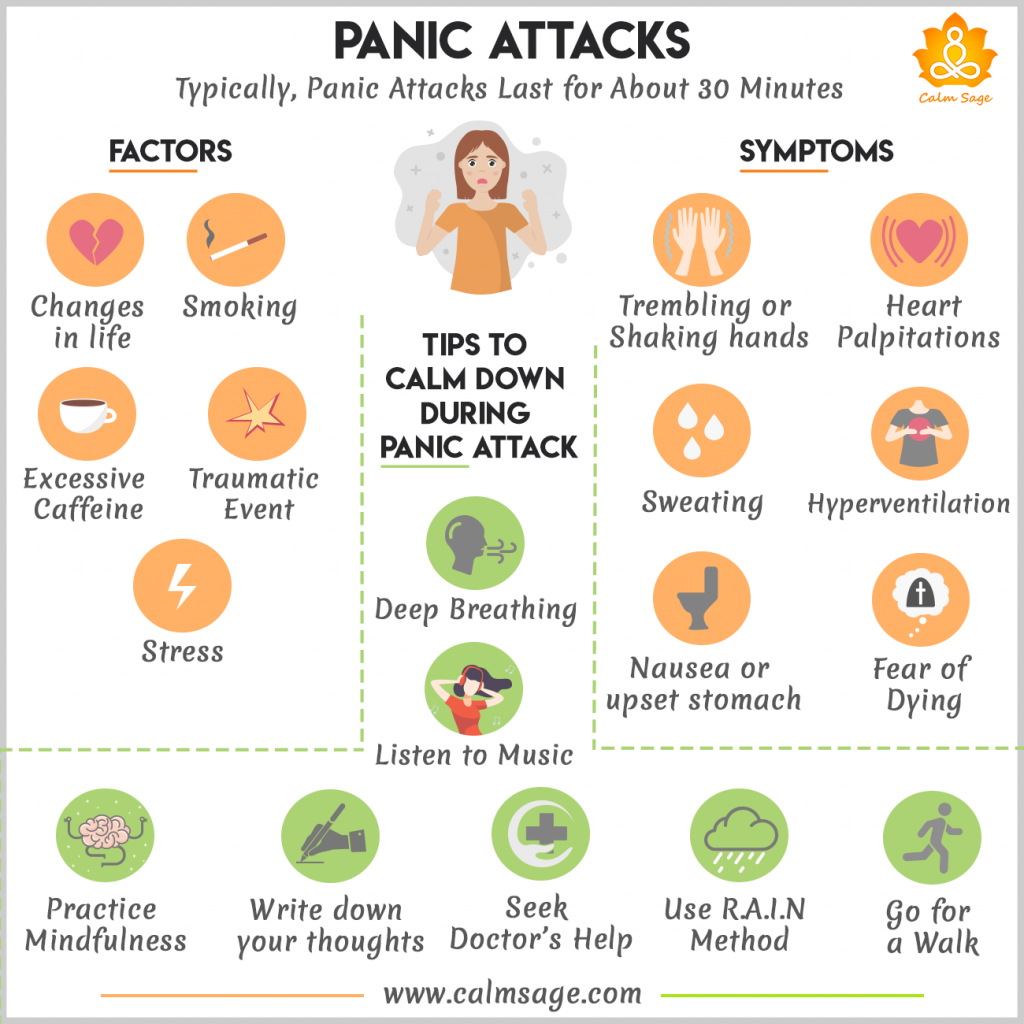
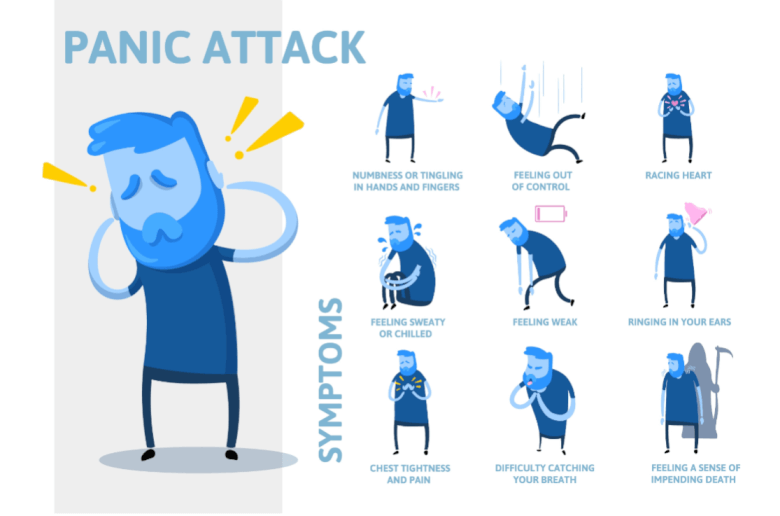
The primary physiological response during a panic attack involves activation of the sympathetic nervous system, which prepares the body to confront perceived danger. This results in several observable symptoms, including:
- Rapid heartbeat or palpitations
- Shortness of breath or hyperventilation
- Sweating excessively
- Trembling or shaking
- Chest pain or discomfort
- Nausea or abdominal distress
- Dizziness or lightheadedness
- Chills or hot flashes
These symptoms can be confused with serious medical conditions, but during a panic attack, they are caused by the body’s response to stress, not physical injury or illness.
Psychological Components of Panic Attacks
The mental experience during a panic attack often involves intense fear and a sense of losing control. Common psychological symptoms include:
- Overwhelming fear or dread
- Feelings of unreality or detachment from oneself (depersonalization)
- Fear of dying or going crazy
- Intense worry about having another attack
- Difficulty concentrating or feeling disconnected from surroundings
These psychological effects can prolong the experience and lead to avoidance behaviors, especially in public settings where individuals may worry about others’ reactions or their own safety.
Prevalence of Public Panic Attacks
Statistics indicate that panic attacks are quite common, affecting approximately 2-3% of the adult population annually. Within these figures, a significant portion of individuals report experiencing panic attacks in public spaces such as shopping centers, public transportation, or crowded events. Studies reveal that about 40% of people with panic disorder have experienced attacks triggered or worsened by public environments, emphasizing their commonality.
Real-life cases show that many individuals endure multiple episodes before seeking help, often fearing judgment or misunderstanding. Awareness campaigns and clinical research highlight the importance of recognizing the signs early and providing supportive interventions to manage panic attacks effectively in public settings.
Recognizing Early Signs and Triggers
Understanding the initial indicators of a panic attack and identifying potential triggers in public settings are critical steps toward managing these episodes effectively. Being aware of physical and emotional signals allows individuals to respond promptly, reducing the severity and duration of the attack. Equally important is recognizing common environmental or situational triggers that can provoke panic attacks, enabling proactive strategies to prevent escalation.
Monitoring personal warning signs within social environments empowers individuals to take timely action, whether through grounding techniques, seeking a safe space, or employing calming strategies. Recognizing these early signals fosters a sense of control and preparedness, enhancing overall confidence in navigating public interactions with anxiety.
Physical and Emotional Signals Indicating Onset
Early recognition of physical and emotional cues can significantly decrease the impact of a panic attack. These signals often serve as the body’s alarm system, alerting individuals to impending distress. Common physical signs include rapid heartbeat, sweating, trembling, shortness of breath, chest tightness, dizziness, or a sensation of choking. Emotional indicators might encompass feelings of overwhelming fear, dread, detachment from reality, or a sense of losing control.
Being attuned to these signs requires mindful awareness of one’s body and emotional state. For example, noticing a sudden increase in heart rate or feeling an inexplicable sense of impending doom can serve as early warning signals. Recognizing these cues enables the individual to initiate calming techniques or seek a safe environment before the symptoms intensify.
Common Triggers in Public Environments
Identifying environmental and situational triggers prevalent in public spaces allows individuals to anticipate and mitigate potential panic episodes. Common triggers include crowded places, loud noises, unfamiliar surroundings, or specific phobias such as fear of elevators or public transportation. Certain social interactions, such as speaking in front of a group or being in unfamiliar social settings, can also provoke anxiety attacks.
Additionally, internal triggers such as stress from work, personal conflicts, or fatigue can heighten vulnerability in public environments. Recognizing these triggers facilitates strategic planning, such as choosing less crowded times or employing coping mechanisms proactively when approaching known stressors.
Monitoring Personal Warning Signs During Social Interactions
Developing self-awareness during social interactions enhances the ability to detect early signs of distress. Techniques include paying attention to physiological cues, such as increased heart rate or rapid breathing, and emotional shifts like heightened nervousness or feelings of helplessness. Maintaining a mental checklist or using mindfulness practices can help track these signals throughout social engagements.
Utilizing grounding techniques, such as focusing on physical sensations or mental affirmations, can serve as immediate responses to emerging symptoms. Keeping a journal or mental log of personal triggers and warning signs can also aid in recognizing patterns, ultimately contributing to more effective management strategies in public settings.
Immediate Response Techniques During a Public Panic Attack
Encountering a panic attack in a public setting can be overwhelming and distressing. Knowing effective immediate response techniques can help you regain control quickly and minimize the impact of the episode. Implementing these strategies can contribute to a calmer state and assist in managing symptoms effectively until the panic subsides.
These techniques focus on grounding, controlled breathing, and quick symptom reduction methods. They are designed to be simple, practical, and applicable in various public environments, enabling individuals to respond confidently and effectively during moments of intense anxiety.
Grounding Techniques to Reorient and Calm the Mind
Grounding techniques help anchor your awareness in the present moment, diverting attention away from distressing thoughts and sensations associated with panic. They are especially useful during a public panic attack where external stimuli can intensify feelings of helplessness.
- 5-4-3-2-1 Technique: Identify five things you can see, four you can touch, three you can hear, two you can smell, and one you can taste. This sensory exercise redirects focus from internal anxieties to the environment around you.
- Physical Touch: Hold onto an object with distinct textures, such as a keychain or a piece of clothing, to ground yourself in physical sensation.
- Clenching and Releasing Muscles: Tense and then relax muscle groups sequentially (e.g., fists, shoulders, thighs). This process helps reduce muscle tension associated with panic.
- Temperature Awareness: Splash cold water on your face or hold a cold object like an ice pack to stimulate the body’s natural calming response.
These grounding methods can be practiced discreetly and quickly, providing immediate relief by anchoring your attention to the present moment, which diminishes the intensity of panic symptoms.
Effective Breathing Exercises to Calm Anxiety Quickly
Breathing exercises play a central role in managing panic attacks as they directly influence physiological responses linked to anxiety, such as rapid heartbeat and hyperventilation. When practiced during a panic episode, controlled breathing can help restore a sense of calm and control.
- Deep Diaphragmatic Breathing: Inhale slowly through your nose, allowing your abdomen to rise as your lungs fill with air. Exhale gently through your mouth, pushing out all the air. Repeat this process for several minutes, focusing on slow, deep breaths.
- 4-7-8 Breathing Technique: Inhale quietly through your nose for a count of four, hold your breath for a count of seven, then exhale completely through your mouth for a count of eight. This pattern reduces hyperventilation and encourages relaxation.
- Box Breathing: Inhale through your nose for a count of four, hold your breath for four, exhale slowly through your mouth for four, and pause for another four before repeating. This method stabilizes breathing patterns and fosters mental calmness.
- Scented Breathing: Inhale slowly while focusing on a calming scent, such as lavender or chamomile, which can enhance relaxation responses during a panic attack.
Practicing these breathing exercises regularly, especially in stressful situations, can equip you with quick tools to reduce the severity of panic symptoms on the spot.
Quick-Reference Guide for Reducing Panic Symptoms On-the-Spot
Having a concise, easy-to-remember guide can be invaluable during moments of heightened anxiety in public. It serves as a mental checklist to implement immediate calming strategies effectively.
| Step | Action | Description |
|---|---|---|
| 1 | Pause and Breathe | Stop what you’re doing and focus on slow, deep breathing using the 4-7-8 or diaphragmatic method. |
| 2 | Ground Your Senses | Identify five things you see, four you can touch, three you hear, etc., to anchor yourself in the present. |
| 3 | Use Physical Touch | Hold an object or touch your fingers together to reconnect with physical sensations. |
| 4 | Repeat Grounding Statements | Mentally or softly speak reassuring phrases such as “This will pass” or “I am safe now.” |
| 5 | Focus on the Present | Concentrate on current surroundings and sensations to diminish intrusive thoughts. |
Remember, the goal is to regain control swiftly and prevent the panic from escalating. Consistent practice of these techniques can increase their effectiveness during real episodes.
Practical Strategies for Managing Panic Attacks in Public
Encountering a panic attack in a public setting can be overwhelming, but employing effective coping mechanisms can significantly reduce distress and help regain control. Being prepared with a set of practical strategies enables individuals to navigate these challenging moments with greater confidence and resilience. These techniques not only provide immediate relief but also contribute to long-term management of panic episodes in social environments.
Implementing specific coping strategies before and during a panic attack can serve as valuable tools to diminish anxiety intensity and help maintain composure. Techniques such as distraction, visualization, and mindfulness create mental and physical anchors that divert attention from distressing symptoms. Additionally, having a plan to identify safe spaces or retreat strategies can offer a sense of safety and empowerment, making it easier to handle unforeseen panic episodes effectively.
Distraction Techniques
Distraction methods are effective in redirecting focus away from anxious thoughts and physical sensations associated with a panic attack. They involve engaging the mind or senses in a way that shifts attention from distress to neutral or calming stimuli. Distraction can be particularly helpful when symptoms escalate unexpectedly in public, providing a pause that allows the individual to regain control.
- Engaging in sensory activities, such as feeling the texture of a soft fabric, smelling a familiar scent, or listening to calming sounds, can ground the individual and reduce anxiety levels.
- Counting objects around, such as the number of red cars passing by or the tiles on the floor, helps divert mental focus from internal sensations to external observations.
- Reciting a comforting phrase or repeating a mantra silently can reinforce calmness and create a mental anchor during moments of heightened anxiety.
Visualization and Mindfulness Practices
Visualization and mindfulness are powerful tools that promote a sense of calm and present-moment awareness during panic episodes. These practices help individuals disengage from catastrophic thoughts and physical sensations, fostering a sense of control and safety. Regular practice enhances the ability to employ these techniques effectively in public situations.
“Imagine a peaceful place where you feel safe and relaxed, and mentally transport yourself there during a panic attack.”
Visualization involves creating a vivid mental image of a calming environment, such as a beach, garden, or quiet forest. Focus on sensory details like sounds, textures, and smells to deepen the experience. Mindfulness practices, including deep breathing exercises and body scans, help anchor attention to the present moment, reducing the tendency to ruminate on fears or symptoms.
- Deep breathing exercises, such as inhaling slowly for four seconds, holding for four seconds, then exhaling for four seconds, can calm hyperventilation and reduce physical symptoms.
- Performing a body scan by slowly observing sensations in different parts of the body promotes grounding and awareness, decreasing physical tension and emotional intensity.
- Practicing mindfulness meditation regularly increases resilience against panic triggers, making it easier to employ these techniques instinctively when needed.
Safe Spaces and Temporary Retreat Strategies
Having a plan for retreat or seeking safe spaces during a panic attack can alleviate feelings of entrapment and provide a sense of security. Recognizing accessible areas where one can temporarily withdraw allows for reassurance and a moment to regain composure before re-engaging with the environment.
- Designate specific locations, such as a quiet corner, restroom, or designated calming area, where you can go briefly if symptoms intensify.
- Carry personal items like a stress ball, calming essential oils, or a comforting object to help establish a sense of familiarity and comfort in new environments.
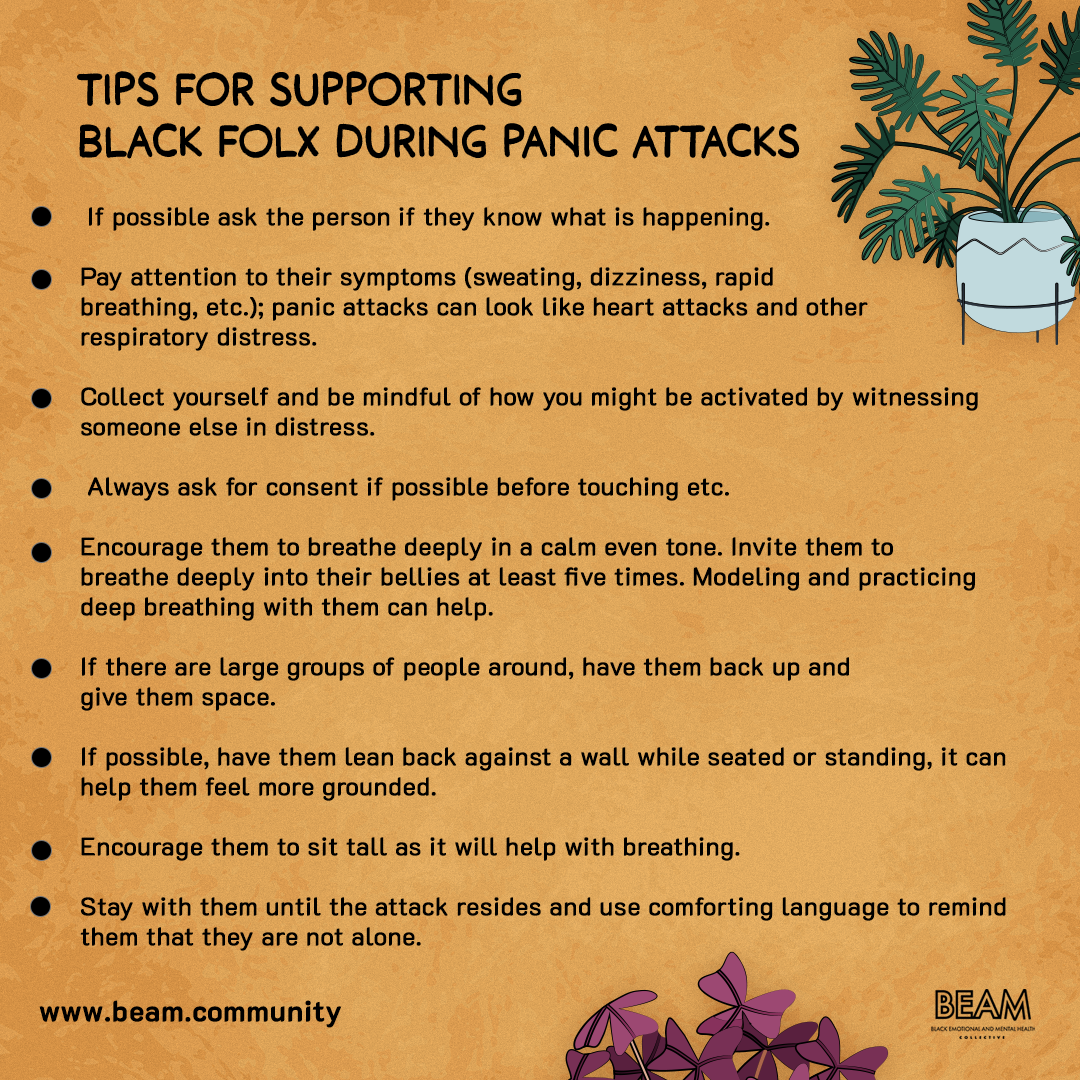
- Inform trusted individuals or companions about your coping plan, so they can assist in guiding you to a safe space if needed, creating a support system during panic episodes.
Using these practical strategies proactively and during episodes enables individuals to manage panic attacks in public more effectively, fostering a sense of empowerment and resilience in social situations.
Long-term Prevention and Building Confidence
Developing resilience against panic attacks in public settings involves strategic planning, gradual exposure, and fostering a supportive environment. By implementing these approaches, individuals can build confidence and reduce the likelihood of future panic episodes, enabling a more comfortable engagement with everyday activities in public spaces.Effective long-term management hinges on consistent self-care practices, establishing a reliable support network, and gradually facing situations that trigger anxiety.
These steps empower individuals to regain control over their responses and foster a sense of safety and self-efficacy in social environments.
Gradual Exposure to Public Situations
Gradually confronting feared environments allows individuals to desensitize their anxiety responses over time, diminishing the intensity and frequency of panic attacks. Creating a structured exposure plan involves starting with less intimidating settings and progressively increasing the complexity and duration of exposure.
- Begin with short visits to familiar, less crowded locations, such as a quiet park or small local store, to build comfort.
- Progressively challenge oneself by visiting busier places, like a shopping mall or community events, while practicing relaxation and grounding techniques.
- Use a hierarchical approach, ranking situations from least to most anxiety-provoking, and systematically working through each level.
- Maintain a journal to track progress, noting sensations, thoughts, and emotional responses during each exposure to identify patterns and improvements.
- Seek the guidance of a mental health professional to develop a personalized exposure plan and receive support throughout the process.
Establishing a Support System
A strong support network provides emotional reassurance, practical assistance, and encouragement, all of which are vital for long-term resilience. Building this foundation involves connecting with trusted friends, family members, or mental health professionals who understand the challenges faced.
Having reliable individuals to discuss fears and setbacks fosters a sense of security and reduces feelings of isolation, which can trigger panic episodes. Regular communication ensures that support is accessible when needed and helps reinforce positive coping strategies.
- Identify friends or family members willing to listen, understand, and assist during challenging times, including practicing relaxation techniques together.
- Engage with mental health professionals, such as therapists or counselors, who can provide tailored strategies, medication management if necessary, and ongoing guidance.
- Join support groups, either locally or online, where shared experiences can normalize feelings and offer practical advice from others facing similar struggles.
- Develop a crisis plan with your support system, outlining steps to take if a panic attack occurs in public, including whom to contact and safe spaces to seek refuge.
- Maintain regular check-ins to reinforce progress, adjust strategies, and strengthen the sense of community and understanding.
Establishing Routines and Self-care Practices
Consistent routines and dedicated self-care significantly contribute to reducing the overall frequency and severity of panic attacks. These practices foster a sense of stability, promote relaxation, and improve emotional resilience.
Incorporating daily habits that support mental and physical well-being can serve as a preventative measure, helping to manage stress levels before they escalate into panic episodes.
- Prioritize adequate sleep by establishing regular sleep schedules and creating a calming bedtime routine, such as reading or listening to soothing music.
- Engage in regular physical activity, such as walking, yoga, or swimming, which releases endorphins and reduces anxiety symptoms.
- Practice mindfulness and relaxation techniques daily, including meditation, deep breathing exercises, or progressive muscle relaxation, to enhance self-awareness and emotional regulation.
- Maintain a balanced diet rich in nutrients, avoiding excessive caffeine and sugar, which can heighten anxiety sensations.
- Create a daily schedule that includes designated times for work, leisure, and self-reflection, fostering a sense of control and predictability.
By consistently applying these strategies, individuals can cultivate a foundation of confidence and self-efficacy that diminishes the impact of panic attacks over time. Recognizing and reinforcing progress through positive affirmations and celebrating small victories further solidifies this journey toward long-term mental well-being.
Communication and Disclosure

Effective communication about panic attacks in public is essential to ensure appropriate support and reduce feelings of embarrassment or isolation. Openly sharing your needs and explaining your condition helps bystanders understand your situation and respond with empathy and patience. It also fosters an environment where you feel more comfortable managing your symptoms in public settings.
Proper disclosure involves knowing what details to share, choosing the right moments to communicate, and utilizing clear and respectful language. Educating close contacts about your condition enables them to provide better support during episodes, whether by offering reassurance, assisting with grounding techniques, or helping you find a safe space. Developing a set of prepared phrases and understanding how to approach conversations can significantly improve your experience when experiencing panic attacks in public.
Communicating with Others About Panic Attacks in Public
When experiencing a panic attack in public, it is often helpful to inform others in a calm and straightforward manner. This transparency can prevent misunderstandings and elicit supportive responses. Communicating effectively involves using simple language that clearly conveys your needs without overwhelming the listener or drawing unnecessary attention.
Having a plan for communication ensures you can seek help confidently when needed. Recognizing that most people are willing to assist, especially if they understand the situation, can significantly ease the distress during an episode. Tailoring your approach based on context and your comfort level helps maintain dignity and control over the situation.
Sample Scripts and Phrases for Seeking Help or Explaining the Situation
Prepared scripts and phrases serve as quick references to articulate your needs clearly and assertively during a panic attack. These phrases should be concise, respectful, and designed to communicate your condition to bystanders or acquaintances effectively.
“Excuse me, I am experiencing a panic attack. Could you please help me find a quiet place to sit?”
“I’m feeling overwhelmed and need some space. Please don’t take it personally; I just need a moment.”
“I have a health condition that causes sudden anxiety. Would you mind helping me sit down and breathe for a moment?”
Using these scripts can help reduce anxiety about seeking help and ensure that others understand how to support you appropriately. It is also advisable to keep a note or card with key phrases and information about your condition that you can discreetly show if verbal communication becomes difficult.
Educating Close Contacts for Support
Educating friends, family members, coworkers, and other close contacts about your panic disorder enhances their ability to support you effectively in public and private settings. This education can involve sharing information about your triggers, recognizing early warning signs, and understanding how best to respond during an episode.
Providing these contacts with specific instructions or strategies, such as guiding you to a quiet area, encouraging slow breathing, or reminding you of grounding techniques, increases the likelihood of positive interactions. Training or informational sessions, along with printed materials or resources from mental health professionals, can facilitate understanding and foster a supportive environment.
| Key Elements of Education for Close Contacts | Description |
|---|---|
| Understanding Symptoms | Recognizing early signs of panic attacks, such as rapid heartbeat, sweating, or feelings of dread. |
| Support Strategies | Knowing appropriate responses, including offering reassurance, helping to find a quiet space, or prompting breathing exercises. |
| Communication Techniques | Using calm, clear language and respecting your privacy and dignity during episodes. |
| Emergency Planning | Having a plan for severe episodes, including when to seek professional help or contact emergency services. |
Providing ongoing education and fostering open dialogue with your support network contributes substantially to managing panic attacks in public, empowering both you and those around you to handle episodes with understanding and compassion.
Creating a Personal Action Plan for Panic Attacks
Developing a personalized action plan is a vital step in effectively managing panic attacks in public settings. Such a plan provides clarity and reassurance, empowering individuals to respond confidently and minimize distress during episodes. Customization ensures the strategy aligns with one’s unique triggers, responses, and lifestyle, fostering resilience and independence over time.
This structured approach involves identifying specific steps to take during an attack, monitoring patterns to understand triggers, responses, and progress, and regularly reviewing and adjusting the plan to improve its effectiveness. An informed, adaptable plan not only reduces the fear of unpredictable attacks but also encourages proactive management and recovery.
Designing a Clear and Actionable Step-by-Step Process
Creating a comprehensive yet straightforward plan involves outlining precise actions to undertake when a panic attack occurs in public. The goal is to facilitate quick, effective responses that help soothe symptoms and regain control. Your plan should include the following components:
- Recognizing the onset: Clearly define personal signs that indicate the beginning of a panic attack, such as rapid heartbeat, sweating, or feelings of dizziness. Early identification allows for prompt intervention.
- Immediate coping strategies: List specific techniques to employ immediately, such as focused breathing exercises, grounding techniques, or removing oneself from stressful stimuli.
- Seeking support: Identify trusted individuals nearby, whether friends, family, or colleagues, who can provide reassurance or assist in implementing the plan.
- Safety measures: Include steps like finding a quiet space, sitting down, or practicing mindfulness to prevent escalation.
- Post-attack activities: Artikel actions to recover after the episode, including hydration, reviewing what triggered the attack, and engaging in calming activities.
Tracking Triggers, Responses, and Progress
Maintaining detailed records of each panic attack enhances understanding of individual patterns and informs adjustments to the plan. Tracking involves noting specific triggers, responses used, and the overall effectiveness of interventions, which helps identify recurring themes and assess progress over time.
Creating a journal or digital log to record each episode can reveal patterns, such as particular environments, social situations, or stressors that frequently precipitate attacks. Recognizing these allows for targeted coping strategies and proactive planning.
Guidelines for effective tracking include:
- Date and time: Record when attacks occur to identify temporal patterns.
- Situational context: Describe the environment, activity, and emotional state at the onset.
- Physical and emotional symptoms: Document sensations and feelings experienced during the attack.
- Responses employed: Note which coping techniques were used and their perceived effectiveness.
- Outcome and reflections: Assess the success of responses and note areas for improvement.
Reviewing and Adjusting the Plan
Regular evaluation of the personal action plan ensures it remains relevant and effective, accommodating changes in triggers, responses, and personal growth. Adjustments should be based on documented experiences and evolving needs, fostering continuous improvement and confidence.
- Periodic review: Schedule monthly or quarterly check-ins to analyze logged data and assess the plan’s performance.
- Incorporate feedback: Reflect on what techniques worked well and which areas require modification. For example, if breathing exercises are insufficient during high anxiety levels, alternative methods like visualization or muscle relaxation can be added.
- Seek professional guidance: Consult mental health professionals periodically to refine strategies and incorporate new techniques based on clinical insights.
- Adjust triggers and responses: Over time, some triggers may diminish or new ones may emerge, necessitating updates to the plan.
By maintaining a flexible and personalized approach, individuals can build effective, confidence-boosting strategies that empower them to handle panic attacks with resilience and autonomy in public spaces.
End of Discussion
By applying the techniques and insights Artikeld, individuals can navigate public panic attacks with greater ease and resilience. Building awareness, developing personalized plans, and utilizing available resources not only help in managing episodes but also foster long-term confidence and emotional well-being. Remember, support and self-care are essential components of overcoming public panic attacks effectively.