Learning how to sleep better with bedtime habits is essential for achieving restful and restorative sleep. By establishing effective routines and creating an optimal sleep environment, you can significantly improve your sleep quality and overall well-being. Understanding the key elements that influence sleep can empower you to make practical changes that lead to more peaceful nights.
This guide explores various strategies including developing calming pre-sleep activities, optimizing your bedroom conditions, managing diet and lifestyle, practicing relaxation techniques, controlling digital device usage, tracking sleep patterns, and maintaining consistent sleep schedules. Implementing these habits can help you develop a healthier sleep routine and enjoy nights of deeper, more refreshing sleep.
Establishing a Bedtime Routine

Creating a consistent and calming bedtime routine plays a vital role in signaling the body to prepare for sleep. Establishing predictable nightly activities helps regulate your internal clock, making it easier to fall asleep and wake up feeling refreshed. A well-structured routine can significantly improve sleep quality and overall health.
Designing an effective bedtime routine involves selecting calming activities that promote relaxation, setting a regular schedule, and minimizing stimulating behaviors before bed. Consistency is key; performing these activities at the same time each evening helps reinforce your body’s sleep-wake cycle, reducing sleep onset latency and enhancing restorative sleep.
Developing Calming Activities Before Bed
Incorporating soothing activities into your nightly routine can ease the transition from wakefulness to sleep. These activities should be relaxing, free of stress-inducing stimuli, and designed to signal your body that bedtime is approaching. Establishing a sequence of calming behaviors can help your mind and body unwind naturally.
- Set a Fixed Bedtime: Going to bed at the same time every night helps synchronize your internal clock, making sleep onset smoother. Choose a time that allows for 7-9 hours of sleep, based on your individual needs and daily schedule.
- Limit Screen Exposure: Avoid electronic devices such as smartphones, tablets, and computers at least 30-60 minutes before sleep. The blue light emitted by screens suppresses melatonin production, hindering sleep initiation.
- Engage in Relaxing Activities: Incorporate activities like reading a physical book, practicing gentle yoga, or listening to calming music. These activities help reduce stress levels and promote a peaceful mindset.
- Practice Mindfulness or Meditation: Techniques such as deep breathing exercises, progressive muscle relaxation, or guided imagery can effectively lower cortisol levels and ease mental tension.
- Create a Comfortable Sleep Environment: Dim the lights, maintain a cool room temperature (around 18-22°C or 65-72°F), and ensure your bedding is comfortable. An inviting environment facilitates quicker sleep onset and enhances sleep quality.
Here are some examples of effective bedtime routines:
| Example Routine | Activities Included |
|---|---|
| Relaxation Sequence | Dim lights, read a paperback book for 20 minutes, followed by 5 minutes of deep breathing exercises, then sleep. |
| Wind-Down Routine | Turn off electronic devices by 9:00 PM, take a warm shower or bath, listen to calming music, and meditate for 10 minutes before bed. |
| Stress-Relief Routine | Practice gentle yoga stretches, write in a gratitude journal for 5 minutes, and perform progressive muscle relaxation to prepare your mind and body for sleep. |
“Consistency in your bedtime activities trains your body to recognize when it’s time to sleep, leading to better sleep quality and overall health.”
Impact of Sleep Environment on Sleep Quality

Creating an optimal sleep environment is essential for achieving restorative sleep and enhancing overall health. Factors such as lighting, temperature, noise levels, and bedroom arrangement significantly influence sleep quality. By understanding and adjusting these conditions, individuals can foster a more relaxing atmosphere conducive to restful slumber.
The bedroom serves as a sanctuary for sleep, and its conditions can either promote or hinder its quality. When the environment aligns with the body’s natural rhythms, it supports quicker sleep onset, fewer awakenings during the night, and deeper sleep stages. Conversely, a suboptimal environment can lead to fragmented sleep, increased fatigue, and even long-term health issues such as weakened immunity and metabolic disturbances.
Optimizing Bedroom Conditions for Better Sleep
Ensuring the bedroom environment promotes relaxation involves carefully managing lighting, temperature, and noise levels. These elements directly impact circadian rhythms and sleep architecture, making their adjustment crucial for sleep quality.
- Lighting: The room should be dark enough to signal to the brain that it’s time to rest. Use blackout curtains or wearing an eye mask if necessary. Exposure to bright light before bedtime can suppress melatonin production, delaying sleep onset.
- Temperature: A cool room, typically between 16°C to 19°C (60°F to 67°F), is ideal for sleep. Excessively warm or cold environments can disrupt sleep cycles. Using fans, heaters, or adjusting the thermostat helps maintain a comfortable temperature.
- Noise Levels: Minimize disruptive sounds by using earplugs or sound machines that produce white noise. Consistent, gentle background sounds can mask sudden noises that might wake you during sleep.
Arranging Furniture and Decor to Enhance Relaxation
The layout and decor of the bedroom influence psychological comfort and physical ease, which are vital for quality sleep. An organized, serene environment reduces stress and promotes relaxation.
- Bed Placement: Position the bed away from doors and windows to minimize disturbances. Facing the bed toward the room’s center can create a sense of stability and balance.
- Clutter Reduction: Keep surfaces clear and avoid clutter around the sleeping area. Clutter can increase anxiety and reduce the sense of calm necessary for sleep.
- Decor Choices: Use soothing colors such as soft blues, greens, or neutrals. Incorporate calming textures with soft bedding and plush rugs. Avoid overly stimulating patterns or bright colors that can hinder relaxation.
Comparison Table of Ideal Sleep Environment Specifications
| Feature | Ideal Specification | Purpose |
|---|---|---|
| Lighting | Dark, or dim lighting; blackout curtains or eye masks | Promotes melatonin production and signals sleep readiness |
| Temperature | 16°C to 19°C (60°F to 67°F) | Supports thermoregulation and deep sleep cycles |
| Noise Levels | Below 30 decibels; use of white noise machines or earplugs if necessary | Prevents sleep disturbances caused by external sounds |
| Furniture Arrangement | Bed positioned away from windows and doors, minimal clutter | Creates a calm environment and reduces distractions |
| Decor | Soothing colors, soft textures, minimal distractions | Enhances relaxation and mental calmness |
Dietary and Lifestyle Habits for Better Sleep
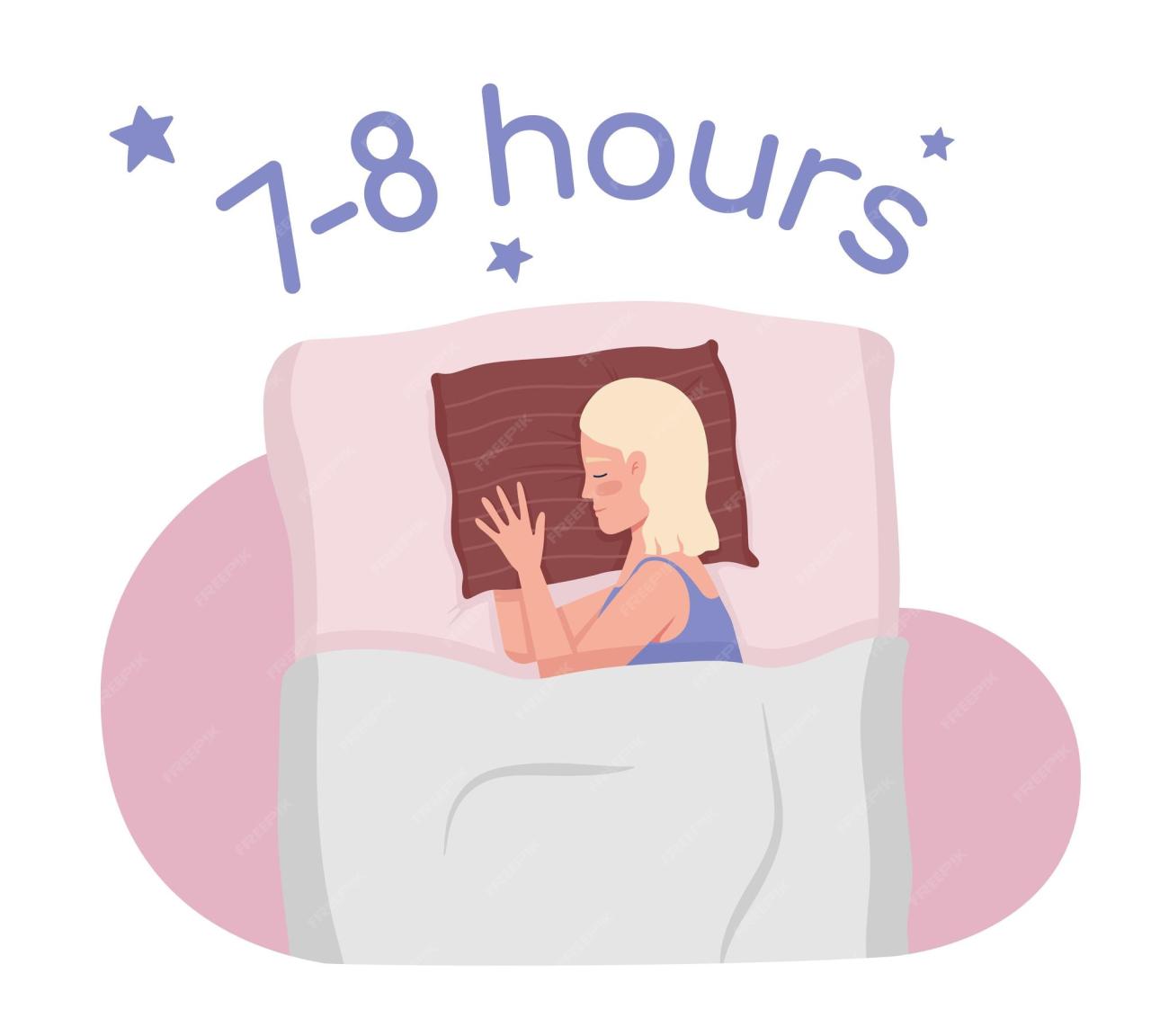
Maintaining healthy sleep patterns extends beyond bedtime routines and sleep environment adjustments. Our daily dietary choices and lifestyle habits play a crucial role in determining sleep quality and ease of sleep onset. By being mindful of what we consume and how we structure our daytime activities, we can significantly improve our overall sleep health and wake up feeling refreshed and rejuvenated each morning.A balanced approach to diet and activity supports the body’s natural circadian rhythms and promotes restful sleep.
It involves avoiding certain foods and drinks that may interfere with sleep and incorporating beneficial habits that foster relaxation and physical well-being. Understanding the impact of these habits can empower individuals to make informed choices that enhance their sleep hygiene and overall quality of life.
Foods and Drinks to Avoid Before Bedtime
The foods and beverages consumed in the hours leading up to sleep directly influence the ease of falling asleep and the quality of rest. Certain substances can disrupt sleep patterns or cause discomfort, making it harder to achieve restorative sleep. It is essential to identify and limit these items in the evening diet.
- Caffeine: Found in coffee, tea, chocolate, and many soft drinks, caffeine is a stimulant that can delay sleep onset and reduce sleep quality. Consuming caffeine at least 4-6 hours before bedtime helps minimize its disruptive effects.
- Heavy or Spicy Meals: Large, greasy, or spicy dishes can cause indigestion, heartburn, and discomfort, which interfere with falling asleep. It is advisable to have lighter dinners at least 2-3 hours before bedtime.
- Alcohol: Though alcohol may initially induce drowsiness, it often leads to fragmented sleep and reduces REM sleep stages. Limiting alcohol intake in the evening supports more restful sleep.
- Sugar and Refined Carbohydrates: Excessive sugar intake before bed can cause blood sugar spikes and crashes, leading to wakefulness and disturbed sleep cycles.
- High-Protein and Fatty Foods: Foods rich in protein and fats take longer to digest, potentially causing discomfort or reflux during sleep.
“Choosing lighter, easily digestible foods and avoiding stimulants and irritants in the evening can significantly enhance sleep onset and quality.”
Daytime Activities Supporting Healthy Sleep Patterns
Engaging in appropriate daytime activities is vital in establishing and maintaining healthy sleep rhythms. Regular physical activity and mental engagement foster the body’s natural sleep-wake cycle, reducing the likelihood of insomnia and promoting restorative rest.
Incorporating activity into daily routines should be balanced to avoid overexertion or exercising too close to bedtime, which can be stimulating rather than calming. Consistent routines and mindful engagement during daytime hours lay the foundation for better sleep at night.
- Regular Exercise: Engaging in moderate physical activity, such as brisk walking, cycling, or yoga, for at least 30 minutes daily helps regulate circadian rhythms, reduces stress, and improves sleep quality. Exercising in the late afternoon or early evening is generally optimal, as it allows the body to wind down afterward.
- Avoiding Late-Night Vigorous Activity: Intense workouts close to bedtime can elevate adrenaline and core body temperature, making it harder to fall asleep. Scheduling vigorous activities earlier in the day enhances sleep readiness.
- Mindfulness and Relaxation Practices: Activities like meditation, deep breathing, and gentle stretching reduce stress levels and promote relaxation, easing the transition into sleep.
- Exposure to Natural Light: Spending time outdoors during daylight hours supports the synchronization of internal clocks with the environment, improving sleep patterns.
- Limiting Screen Time: Reducing exposure to blue light from screens in the evening prevents disruption of melatonin production, facilitating quicker sleep onset.
“Consistent daytime activity, balanced with relaxation and proper scheduling, helps reinforce healthy circadian rhythms essential for restful sleep.”
Physical Activity Methods That Support Sleep Without Disruption
Implementing physical activity into daily life can improve sleep quality when approached appropriately. Selecting the right type and timing of exercise enhances relaxation and reduces sleep disturbances, provided it is done thoughtfully.
Moderate exercises like walking, swimming, or yoga can be particularly effective in promoting sleep if integrated into daytime routines. These activities help release pent-up energy and reduce stress hormones, creating an optimal environment for sleep. It’s important to avoid vigorous workouts late in the evening, as they may elevate adrenaline and body temperature, hindering sleep onset.
| Best Practices for Incorporating Physical Activity | Impact on Sleep |
|---|---|
| Timing | Schedule workouts at least 2-3 hours before bedtime to allow the body to wind down. |
| Type of Exercise | Choose calming activities like yoga, stretching, or walking over high-intensity interval training late in the day. |
| Intensity | Moderate intensity is ideal; vigorous exercise can temporarily increase heart rate and cortisol levels, delaying sleep. |
| Consistency | Establishing a regular exercise routine reinforces circadian rhythms and enhances sleep quality over time. |
“Timing and type of physical activity are key factors in reaping sleep benefits without causing overstimulation or sleep disruption.”
Relaxation Techniques and Mindfulness Practices
Establishing effective relaxation and mindfulness routines before bedtime can significantly enhance sleep quality. These practices help calm the mind and relax the body, reducing stress and making it easier to transition into restful sleep. Incorporating specific techniques into your nightly routine creates a peaceful environment conducive to restorative sleep cycles.Relaxation exercises and mindfulness practices are evidence-based methods proven to alleviate pre-sleep anxiety and physiological arousal.
By dedicating time to these techniques, individuals can foster a sense of tranquility that promotes longer and more uninterrupted sleep. Regular practice can also improve overall stress management and emotional regulation, contributing positively to sleep patterns.
Relaxation Exercises for Better Sleep
Introducing relaxation exercises into your bedtime routine prepares the body for sleep by reducing muscle tension and calming the nervous system. These exercises are simple, can be performed in bed, and require no special equipment.
- Deep Breathing: Focused deep breathing activates the parasympathetic nervous system, which promotes relaxation. To practice, sit or lie comfortably, inhale slowly through your nose for a count of four, hold your breath for a count of four, then exhale gently through your mouth for a count of six. Repeat this cycle for 5–10 minutes to help decrease heart rate and relax muscle groups.
- Progressive Muscle Relaxation (PMR): This technique involves systematically tensing and then relaxing muscle groups throughout the body. Begin with your toes, tense the muscles for 5 seconds, then release. Move upward through your legs, abdomen, chest, arms, neck, and face. This process helps increase bodily awareness and release accumulated tension, facilitating quicker onset of sleep.
Mindfulness Meditation for Sleep Enhancement
Practicing mindfulness meditation before bed can significantly reduce mental chatter and intrusive thoughts that hinder sleep initiation. Mindfulness involves paying deliberate attention to present-moment sensations without judgment, fostering a state of mental calmness.
Research indicates that mindfulness meditation can decrease pre-sleep arousal levels, reduce insomnia severity, and improve overall sleep quality.
To incorporate mindfulness meditation into your bedtime routine:
- Find a quiet, comfortable space where you will not be disturbed.
- Sit or lie in a relaxed position, closing your eyes if comfortable.
- Begin by focusing on your breathing, observing each inhale and exhale without attempting to control it.
- If your mind wanders, gently redirect your attention back to your breath or physical sensations.
- Start with 5-minute sessions and gradually extend to 10–15 minutes as you become more accustomed to the practice.
- Use guided meditations or mindfulness apps if you prefer structured guidance to enhance consistency.
Implementing Relaxation Practices within Bedtime Habits
Integrating relaxation techniques into your nightly schedule requires intentional planning and consistency. Establishing a set sequence helps signal to your brain that it is time to wind down and prepare for sleep.Begin by setting aside 15–20 minutes before your intended sleep time for these practices. Start with gentle stretching or light yoga if desired, followed by deep breathing exercises or progressive muscle relaxation.
Transition into mindfulness meditation, focusing on your breath or body sensations.Create an environment conducive to relaxation by dimming lights, reducing noise, and avoiding screens to prevent blue light interference. Consistency is key—perform these exercises at the same time each night to reinforce the habit. Over time, your body will associate these practices with sleep onset, making it easier to fall asleep quickly and enjoy more restorative rest.
Digital Device Management Before Bedtime
Managing the use of electronic devices prior to sleep is essential for promoting restful and high-quality sleep. The pervasive presence of smartphones, tablets, and computers has made it increasingly challenging to wind down effectively at night. Understanding the impact of screen time on sleep and implementing strategies to reduce electronic device usage can significantly enhance sleep hygiene and overall health.
Exposure to the blue light emitted by screens interferes with the body’s natural production of melatonin, the hormone responsible for regulating sleep-wake cycles. This disruption can lead to difficulties falling asleep, reduced sleep duration, and poorer sleep quality. Recognizing these effects underscores the importance of establishing boundaries around electronic device use before bedtime.
Effects of Screen Time on Sleep Quality and Melatonin Production
Electronic devices such as smartphones, tablets, and laptops emit blue light, which has been shown to suppress melatonin secretion. This suppression delays the onset of sleep, making it harder to fall asleep and potentially leading to fragmented or less restorative sleep. A study published in the Journal of Clinical Sleep Medicine found that individuals who used devices within an hour of bedtime experienced a significant delay in sleep onset and decreased sleep efficiency.
“Blue light exposure before sleep inhibits melatonin production, disrupting circadian rhythms and impairing sleep quality.” — Sleep Research Society
Moreover, engaging with stimulating content on devices, such as social media or work emails, can increase alertness, further hindering the transition to sleep. Over time, this can contribute to chronic sleep deprivation and associated health issues like impaired cognitive function, weakened immunity, and mood disturbances.
Methods to Reduce or Eliminate Electronic Device Usage Prior to Sleeping
Implementing effective strategies to limit screen time before bed can markedly improve sleep quality. These methods focus on creating a calming pre-sleep environment and fostering habits that promote relaxation:
- Set a device curfew: Establish a specific time, typically 30 to 60 minutes before bedtime, when electronic devices are turned off or placed in another room. This gives the eyes and brain a chance to relax away from blue light exposure.
- Use night mode or blue light filters: Enable features on devices that reduce blue light emissions, such as “Night Mode” or “Blue Light Filter,” which can lessen melatonin suppression if device use cannot be avoided.
- Create a technology-free zone: Designate the bedroom as a sanctuary for sleep and relaxation, free from electronic devices. This helps condition the mind to associate the space with rest.
- Engage in offline activities: Replace screen time with relaxing activities such as reading printed books, listening to calming music, or practicing gentle stretches.
- Inform and involve family members: Encourage household members to adopt similar routines to promote a collective environment conducive to sleep health.
Comparison Table of Alternative Activities to Screen Time for Winding Down
Replacing screen time with calming activities can significantly improve sleep onset and quality. The following table compares common alternatives, highlighting their benefits and suitability for relaxation before bed:
| Activity | Benefits | Suitability |
|---|---|---|
| Reading a printed book or magazine | Helps relax the mind, reduces blue light exposure, promotes sleepiness | Ideal for those who enjoy literature and quiet reading |
| Listening to calming music or nature sounds | Reduces stress, creates a soothing environment, encourages relaxation | Suitable for auditory relaxation, no visual stimulation |
| Practicing gentle stretching or yoga | Relieves muscle tension, promotes physical relaxation, reduces anxiety | Best when performed in a quiet, comfortable space |
| Meditation or mindfulness exercises | Enhances mental calmness, reduces racing thoughts, improves sleep latency | Suitable for those familiar with mindfulness practices or willing to learn |
| Engaging in journaling or gratitude writing | Helps process thoughts, reduces mental clutter, fosters positive outlook | Best when focusing on positive reflections and thoughts before sleep |
Sleep Tracking and Monitoring
Effective sleep monitoring is fundamental to understanding individual sleep patterns and identifying habits that influence sleep quality. Utilizing sleep diaries or tracking devices provides valuable insights into nightly routines, sleep duration, and disturbances, enabling tailored adjustments for better rest. Proper analysis of this data can illuminate patterns that either support or hinder restorative sleep, guiding informed lifestyle choices.
By consistently tracking sleep-related behaviors and outcomes, individuals can develop a comprehensive understanding of their sleep health. This process involves recording various factors such as sleep onset, wake times, sleep interruptions, and daytime behaviors, which are crucial for identifying correlations and patterns. Such insights empower individuals to implement targeted changes to optimize their sleep quality and overall well-being.
Utilizing Sleep Diaries and Tracking Devices
Sleep diaries are simple, manual tools that require individuals to record details about their sleep habits daily. Modern tracking devices—such as wearable fitness trackers, smartwatches, or sleep-specific monitors—offer automated data collection, providing objective metrics that complement subjective diary entries. Both methods serve as valuable resources for capturing comprehensive sleep data.
When using sleep diaries, individuals should record information such as bedtime, time to fall asleep, number of awakenings, wake-up time, and perceived sleep quality. For tracking devices, data typically include sleep duration, sleep stages, movement during sleep, and heart rate variability. Combining these sources yields a holistic view of sleep habits and patterns.
Analyzing Sleep Data to Identify Habits Affecting Sleep Quality
Analyzing sleep data involves reviewing records to detect patterns that may influence sleep quality positively or negatively. Consistent monitoring enables individuals to pinpoint habits that cause disturbances, such as irregular sleep schedules, excessive screen time before bed, or dietary factors impacting sleep onset and continuity.
Effective analysis includes identifying trends over days or weeks, such as recurring awakenings after certain activities or times, variations in sleep duration, or differences in sleep onset times. Recognizing these patterns allows for targeted modifications, such as adjusting evening routines, managing stress levels, or improving sleep environment conditions. Regular review and reflection on sleep data foster continuous improvement towards healthier sleep habits.
Example Formats for Recording Sleep-Related Behaviors and Outcomes
Maintaining a structured and detailed sleep diary enhances the quality of data collected. Below is an example format designed for clarity and comprehensiveness:
Date Bedtime Time to Fall Asleep Number of Awakenings Wake-up Time Total Sleep Duration Sleep Quality (1-10) Activities Before Bed Notes (e.g., stress, illness, environment) 2024-04-20 10:30 PM 10 minutes 2 6:30 AM 8 hours 7 Reading, no screens after 9:30 PM Felt refreshed; ambient room temperature was comfortable 2024-04-21 11:00 PM 15 minutes 3 7:00 AM 7 hours 45 minutes 6 TV watching, late caffeine intake Difficulty falling asleep; woke up feeling tired
Tracking sleep behaviors with such detailed formats allows for pattern recognition and informed decision-making, ultimately supporting improved sleep hygiene and health outcomes.
Conclusive Thoughts
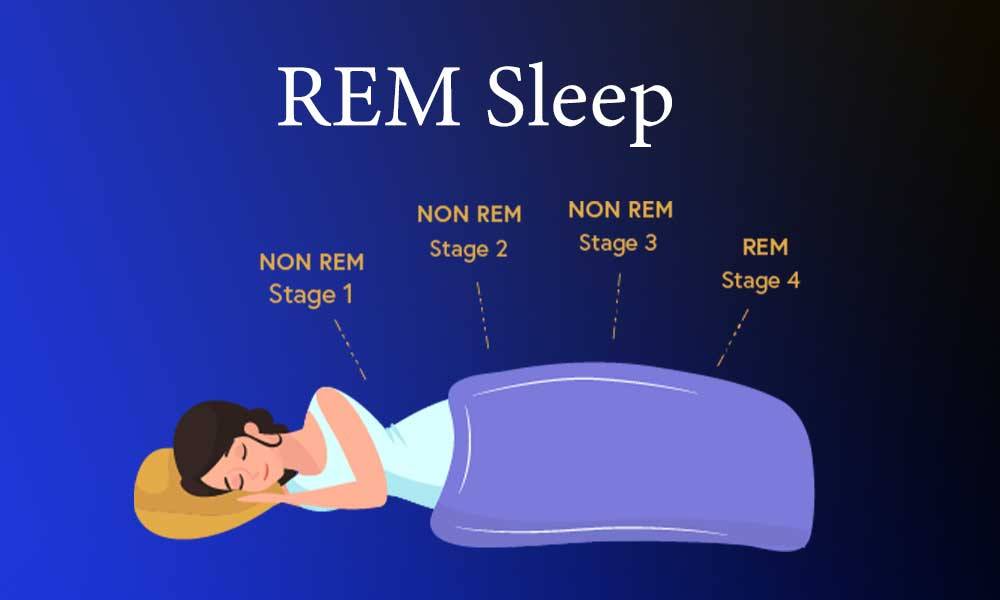
Incorporating effective bedtime habits not only enhances your sleep quality but also promotes better health and daily functioning. By making small, consistent changes and paying attention to your sleep environment and routines, you can transform your nights into restorative periods. Embrace these practices to enjoy more restful sleep and wake up feeling refreshed and energized every day.