Panic attacks can be sudden and overwhelming experiences that disrupt daily life, making it essential to know effective strategies to manage them swiftly. Understanding how to handle panic attacks quickly can empower individuals to regain control and restore calm during these intense moments.
This guide explores practical techniques such as breathing exercises, grounding methods, cognitive strategies, and environmental adjustments designed to provide immediate relief and foster long-term resilience against panic episodes.
Understanding Panic Attacks
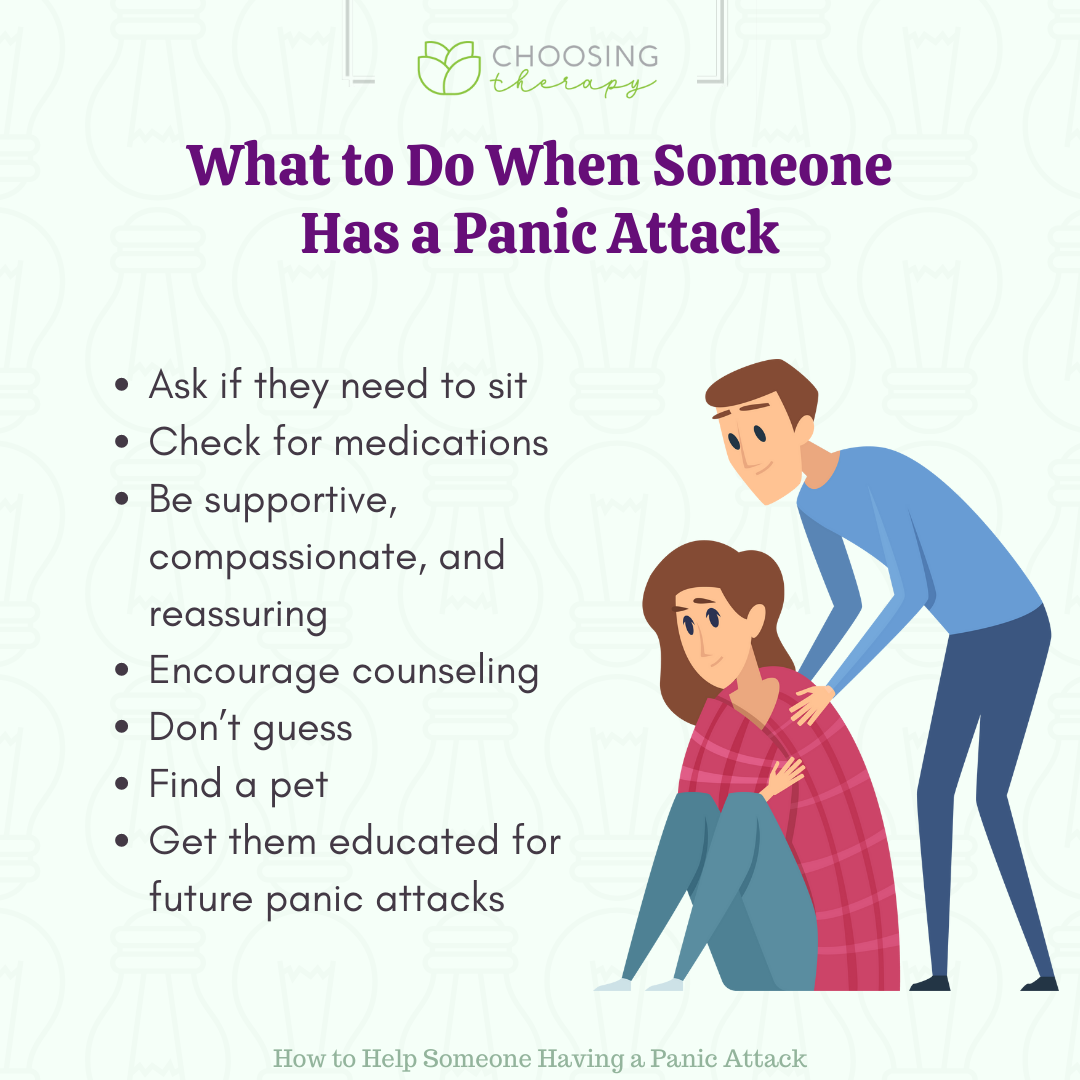
Gaining a comprehensive understanding of panic attacks is essential for recognizing their onset, managing symptoms effectively, and reducing associated fears. By exploring the physiological and psychological aspects, individuals can develop better strategies to cope during episodes and prevent future occurrences.
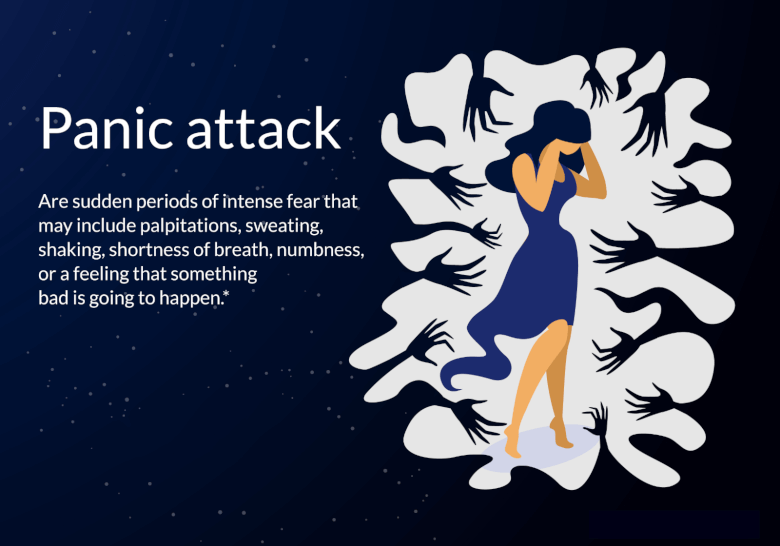
Panic attacks are intense episodes characterized by sudden feelings of fear and discomfort that can reach their peak within minutes. These episodes are often unpredictable but can be triggered by specific circumstances or internal cues. Recognizing the signs and understanding the underlying mechanisms empower individuals to respond calmly and effectively when symptoms arise.
Physiological and Psychological Basis of Panic Attacks
The physiological response during a panic attack is primarily driven by the body’s “fight-or-flight” mechanism, which prepares an individual to confront or escape perceived danger. This response involves the release of stress hormones like adrenaline and cortisol, leading to physical symptoms such as rapid heartbeat, sweating, trembling, and shortness of breath.
Psychologically, panic attacks are often linked to an intense fear of losing control, dying, or experiencing a catastrophic event. This fear can be fueled by previous episodes or anxious thoughts that amplify the body’s physical reactions. The interaction between the physiological stress response and psychological factors creates a cycle that sustains or intensifies the attack.
Common Symptoms and Signs of an Impending Panic Attack
Being able to identify early warning signs of a panic attack facilitates timely intervention and reduces the severity of the episode. Typical symptoms often develop rapidly and include both physical sensations and emotional states.
Common physical symptoms encompass a racing or pounding heart, chest tightness or pain, dizziness, nausea, chills or hot flashes, and tingling sensations in the extremities. Emotional signs may include overwhelming fear, a sense of unreality, or feelings of impending doom.
Recognizing these symptoms early can help individuals implement coping strategies, such as breathing exercises or grounding techniques, to mitigate the full onset of the attack.
Typical Scenarios and Triggers Leading to Panic Attacks
Understanding common scenarios and triggers can aid in anticipating and managing potential panic episodes. While some attacks occur unexpectedly, many are precipitated by identifiable situations or internal states.
Triggers may include high-stress circumstances, such as work deadlines, relationship conflicts, or major life changes. Specific phobias, such as fear of heights or enclosed spaces, can also prompt attacks in vulnerable individuals. Physical triggers like caffeine intake, substance use, or fatigue may exacerbate susceptibility.
Environmental factors, including crowded places or loud noises, can heighten anxiety levels, especially in those with existing anxiety disorders. Recognizing personal triggers enables proactive management and, in some cases, avoidance to reduce the likelihood of an attack.
Immediate Techniques to Handle Panic Attacks Quickly
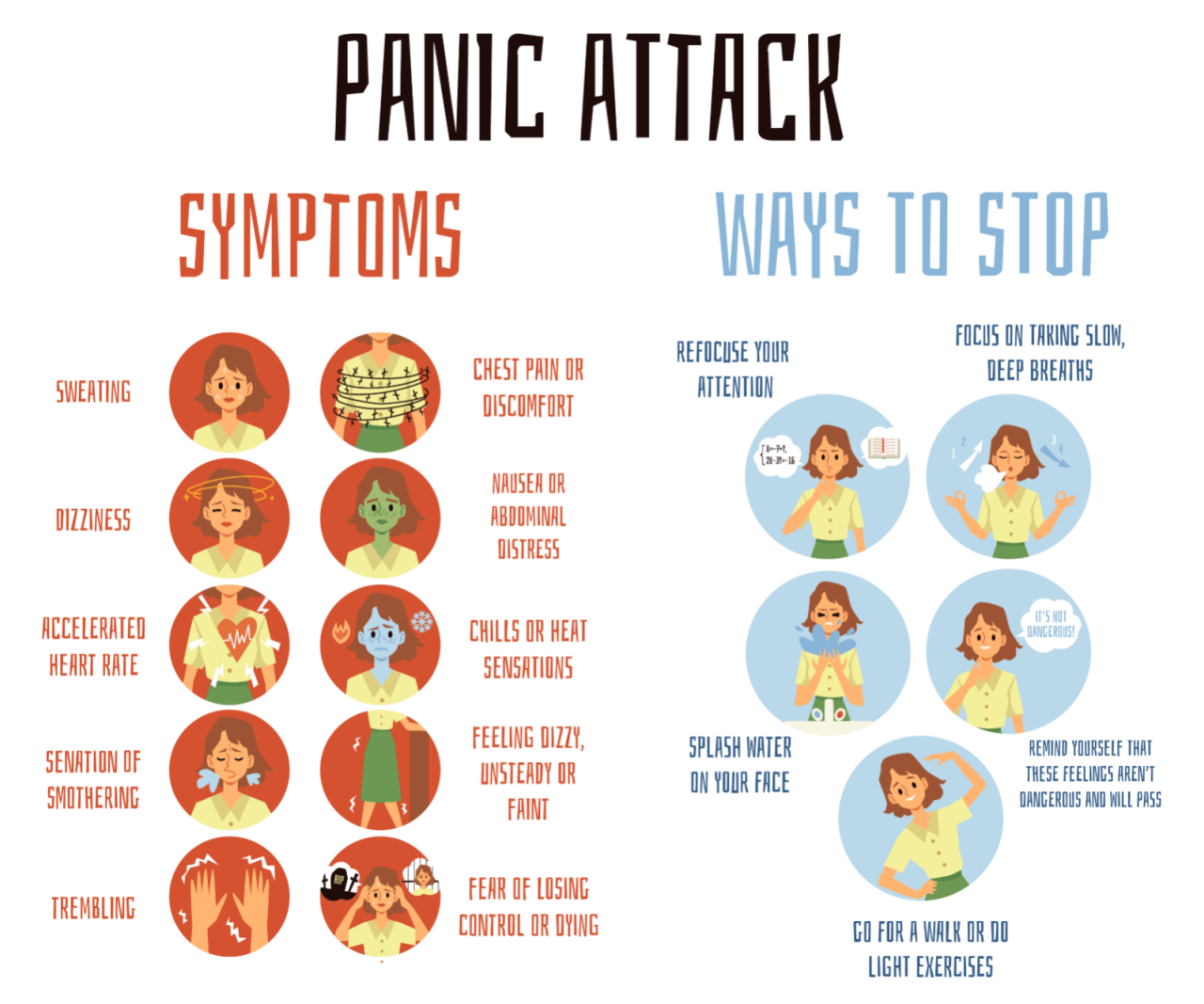
When a panic attack strikes, quick and effective response techniques are essential to regain control and reduce distress. Implementing immediate strategies can significantly diminish the intensity of symptoms and provide a sense of reassurance during a challenging moment. These techniques focus on calming the nervous system, anchoring attention, and distracting the mind from overwhelming sensations.
By mastering these methods, individuals can better manage moments of heightened anxiety, reducing the likelihood of panic spiraling into more intense episodes. Practicing these techniques regularly can also enhance overall resilience against future attacks, fostering a sense of empowerment and confidence in coping abilities.
Deep Breathing Exercises to Calm the Nervous System
Deep breathing is a cornerstone technique for rapidly calming the body’s stress response during a panic attack. It helps regulate breathing patterns, slow heart rate, and reduce feelings of panic. The key is to focus on diaphragmatic breathing, which encourages full oxygen exchange and activates the parasympathetic nervous system, responsible for relaxation.
To perform deep breathing effectively:
- Find a comfortable seated or lying position, ensuring your back is straight to facilitate full lung expansion.
- Place one hand on your chest and the other on your abdomen to monitor your breathing pattern.
- Inhale slowly through your nose for a count of four, allowing your abdomen to rise as your diaphragm expands.
- Hold your breath for a count of four to maintain a steady rhythm.
- Exhale gradually through pursed lips for a count of six, focusing on releasing tension and emptying your lungs completely.
- Repeat this cycle for 3-5 minutes, maintaining a smooth, controlled pace.
“Deep and slow breathing helps to activate your body’s relaxation response, counteracting the hyperarousal of a panic attack.”
Grounding and Mindfulness Practices During an Attack
Grounding and mindfulness techniques serve to anchor your awareness in the present moment, reducing the focus on internal sensations that contribute to panic. These methods help interrupt the cycle of catastrophic thinking and physical symptoms by redirecting attention to tangible, real-world stimuli.
Effective grounding strategies include:
- Engaging the five senses: Identify and describe five things you can see, four you can touch, three you can hear, two you can smell, and one you can taste. For example, noticing the texture of a chair, the scent of a nearby plant, or the sound of distant traffic.
- Using the “5-4-3-2-1” technique: Systematically guide your focus through these sensory observations to shift your mental focus away from distressing symptoms.
- Practicing mindful breathing: Pay close attention to each inhale and exhale, observing the rise and fall of your chest or abdomen without trying to control the breath.
By anchoring your awareness to present sensations, these practices help diminish feelings of helplessness and restore a sense of control during a panic attack.
Rapid Distraction Strategies to Divert Attention from Panic Symptoms
Distraction methods are valuable when the physical sensations of panic become overwhelming. Engaging the mind in a different activity can temporarily divert attention away from symptoms, reducing their intensity and allowing natural calming processes to take over.
Some effective distraction techniques include:
- Counting backwards from 100 in multiples of seven or variations to challenge your focus.
- Reciting a familiar song or poem mentally or aloud to occupy your thoughts.
- Engaging in a simple physical activity, such as clenching and unclenching fists or tapping fingers, to redirect physical energy.
- Solving a quick, engaging puzzle, such as a Sudoku or word search, to shift cognitive focus.
- Focusing on a specific object nearby and observing its details—colors, textures, and shapes—with full attention.
Implementing these distraction strategies can provide immediate relief by overriding the flood of anxiety-related sensations, helping to shorten the duration of a panic attack and facilitate a smoother transition back to calmness.
Breathing Exercises and Relaxation Methods
Effective management of panic attacks often involves specific breathing techniques and relaxation strategies that can quickly restore a sense of calm. These methods help regulate the body’s physiological response to anxiety, reducing symptoms such as rapid heartbeat, dizziness, and shortness of breath. Incorporating these practices into your routine can empower you to handle panic episodes more effectively and with less distress.
Understanding and practicing various breathing exercises and relaxation techniques can provide quick relief during a panic attack. These methods work by slowing down the body’s hyperactive response, promoting a state of relaxation, and helping to regain control over your physical and emotional state.
Diaphragmatic Breathing and Paced Respiration
Diaphragmatic breathing, also known as belly breathing, engages the diaphragm to maximize lung capacity and promote deep, efficient breaths. Paced respiration involves consciously controlling the rate of breathing to prevent hyperventilation and reduce anxiety. Both techniques can be practiced anywhere and are particularly effective during an acute panic attack or as a daily stress management tool.
To perform diaphragmatic breathing:
- Find a comfortable seated or lying position, placing one hand on your chest and the other on your abdomen.
- Inhale slowly through your nose, focusing on expanding your abdomen rather than your chest. Aim for a deep belly inhale that fills your lungs completely.
- Pause briefly once you’ve inhaled fully.
- Exhale slowly through pursed lips, gently contracting your abdominal muscles to push the air out.
- Repeat this cycle for 5 to 10 minutes, maintaining a smooth, controlled rhythm.
Paced respiration can be tailored to your comfort level by adjusting the inhale and exhale durations. For example, inhaling for four seconds and exhaling for six seconds can help slow your breathing rate and stabilize your emotional state.
Progressive Muscle Relaxation Techniques
Progressive muscle relaxation (PMR) involves systematically tensing and then relaxing different muscle groups in the body. This process helps to release physical tension associated with anxiety and enhances overall relaxation. PMR can be particularly useful when combined with breathing exercises, providing a comprehensive approach to calming the nervous system during a panic attack.
To practice PMR:
- Begin with a specific muscle group, such as your hands. Tense the muscles tightly for about 5 seconds.
- Release the tension suddenly, focusing on the feeling of relaxation flooding the muscles.
- Move sequentially to other muscle groups, such as your arms, shoulders, neck, face, chest, abdomen, legs, and feet.
- Spend approximately 15-20 minutes completing the full body scan, tensing and relaxing each group in turn.
Regular practice of PMR enhances your ability to recognize physical signs of stress and develop a quicker response to calm your body during moments of heightened anxiety.
Comparison of Breathing Methods and Their Benefits
The following table provides an overview of different breathing techniques, highlighting their primary features and benefits for managing panic attacks:
| Technique | Description | Benefits |
|---|---|---|
| Diaphragmatic Breathing | Deep breathing engaging the diaphragm to maximize lung use, focusing on expanding the belly rather than the chest. | Reduces hyperventilation, lowers heart rate, improves oxygen exchange, calms the nervous system. |
| Paced Respiration | Controlling the rate of breathing by setting specific inhale and exhale durations, such as 4-6 seconds per cycle. | Prevents rapid breathing, decreases anxiety symptoms, promotes relaxation and mental clarity. |
| Box Breathing | Inhalation, hold, exhalation, and hold again, each for an equal count (e.g., 4 seconds). This creates a square or box pattern. | Enhances focus, reduces stress, stabilizes breathing rhythm, and fosters a sense of calm. |
| Alternate Nostril Breathing | Inhaling through one nostril while closing the other, then switching, to balance the nervous system. | Relieves tension, improves emotional regulation, and balances autonomic nervous system activity. |
Effective breathing techniques are adaptable, easily practiced, and produce immediate physiological and psychological benefits during panic episodes, making them essential tools for anxiety management.
Cognitive Techniques for Quick Relief
In the midst of a panic attack, our thoughts often become distorted, amplifying feelings of fear and helplessness. Employing cognitive techniques can provide immediate relief by addressing these negative thought patterns and fostering a sense of control. These strategies help individuals recognize unhelpful thoughts, challenge their validity, and reframe them into more realistic perspectives, facilitating calmer responses during episodes of panic.
Understanding and implementing these cognitive methods can significantly reduce the intensity and duration of panic attacks, empowering individuals to manage their symptoms proactively and with confidence.
Identifying and Challenging Catastrophic Thoughts During an Attack
During a panic attack, thoughts may spiral into catastrophizing — imagining the worst possible outcomes, such as losing control or having a heart attack. Recognizing these thoughts is crucial for immediate relief. The first step involves becoming aware of these distortions as they arise, often by mentally noting phrases like “I’m going to faint” or “This is a disaster.”
Challenging these thoughts requires a systematic approach. Asking oneself whether there is credible evidence supporting the catastrophic view or whether there are alternative, less alarming explanations helps break the cycle. For example, if you think, “I’m going to pass out,” consider reminding yourself that dizziness is common during panic and that your body is responding with heightened alertness but is not in danger.
Using a calm and rational perspective can diminish the power of these thoughts and reduce fear.
Visualization Techniques to Promote Calmness
Visualization involves creating mental images that evoke relaxation and tranquility, directly counteracting the distress associated with panic. These techniques are effective because they redirect focus from distressing sensations to calming mental scenes, thereby activating the body’s relaxation response.
To utilize visualization effectively, find a quiet space and close your eyes. Imagine a peaceful scene such as a beach, forest, or a favorite calming place. Engage all your senses: feel the warmth of the sun, hear the gentle waves or rustling leaves, smell the fresh air or salty breeze, and see the vibrant colors around you. Visualizing this scene for several minutes can induce a state of relaxation, decreasing physiological arousal and helping to diminish panic symptoms.
Reframing Panic-Inducing Thoughts Through Mental Exercises
Mental exercises that reframe panic-inducing thoughts focus on shifting perspectives from fear to understanding and acceptance. These exercises can be performed quickly and discreetly during an attack to regain composure.
One effective method is the use of thought substitution, where distressing thoughts are replaced with neutral or positive alternatives. For example, replacing “I’m losing control” with “My body is reacting normally to stress, and this will pass.” Repeating affirmations such as “I am safe” or “This feeling is temporary” helps reinforce a sense of calm and control.
Another technique involves the “ABCDE” mental process:
- Acknowledge the fearful thought or sensation.
- Believe that the thought is just a temporary mental event, not an absolute truth.
- Counteract the thought with an evidence-based, positive statement.
- Decide to let the thought go or replace it with a more realistic one.
- Engage in a calming activity or focus on the present moment.
Practicing these mental exercises consistently enhances one’s ability to manage panic symptoms swiftly and effectively, transforming the experience from overwhelming to manageable.
Lifestyle and Environment Adjustments
Optimizing one’s environment and daily routines can play a crucial role in reducing the frequency and intensity of panic attacks. Making deliberate changes to surroundings, habits, and activities can foster a sense of control and calm, thereby mitigating triggers and promoting mental well-being.
Implementing these adjustments involves creating a supportive living space, establishing routines that promote relaxation, and engaging in activities proven to decrease anxiety levels. These strategies contribute to a more stable emotional baseline, making individuals better equipped to handle unexpected panic symptoms.
Modifying Surroundings to Reduce Panic Triggers
Environmental factors such as noise, clutter, lighting, and even digital stimuli can influence anxiety levels. A thoughtfully organized and calming environment helps diminish sensory overload and creates a sense of safety.
- Maintain a tidy living space by regularly decluttering to reduce visual stress and promote order.
- Use soft, warm lighting instead of harsh fluorescent lights, as bright or flickering lights can be unsettling for some individuals.
- Limit exposure to negative or overly stimulating media, including social media or news updates that may heighten anxiety.
- Create a dedicated relaxation corner equipped with comforting items such as cushions, calming scents, or a weighted blanket.
- Ensure your environment is well-ventilated and temperature-controlled to prevent discomfort that may exacerbate anxiety symptoms.
Routine and Habits Supporting Anxiety Management
Consistent routines and healthy habits provide stability and predictability, which are essential in managing anxiety and preventing panic attacks. Establishing daily practices fosters a sense of control over one’s mental health.
- Prioritize regular sleep schedules by going to bed and waking up at consistent times, as sleep deprivation heightens vulnerability to panic episodes.
- Incorporate balanced meals and hydration into daily routines, since fluctuations in blood sugar and dehydration can trigger anxiety.
- Set aside specific times for relaxation, mindfulness, or gentle physical activity to cultivate ongoing stress relief.
- Limit caffeine and alcohol intake, as both substances can interfere with mood stability and provoke panic symptoms.
- Practice proactive planning for stressful events, such as preparing for meetings or social gatherings, to reduce anticipatory anxiety.
Recommended Activities and Their Impact on Panic Attack Frequency
Engaging in certain activities regularly can significantly decrease the frequency of panic attacks and foster resilience against stressors.
- Physical Exercise: Activities like walking, yoga, or swimming stimulate endorphin production, improve mood, and reduce overall anxiety levels. Consistent exercise has been shown to lower panic attack occurrences over time.
- Meditation and Mindfulness: Practicing mindfulness meditation enhances awareness of triggers and promotes acceptance, which can lessen the severity of panic episodes.
- Nature Exposure: Spending time outdoors, especially in green spaces, has a calming effect on the nervous system and helps regulate stress hormones.
- Creative Pursuits: Engaging in art, music, or journaling provides an emotional outlet, reducing built-up tension that may trigger panic attacks.
- Social Connections: Regular interaction with trusted friends or support groups offers emotional support, decreases feelings of isolation, and can help in managing anxiety proactively.
Adopting these lifestyle and environment adjustments creates a foundation of stability that can greatly diminish the likelihood and severity of panic attacks, empowering individuals to live more confidently and peacefully.
Creating a Personal Panic Attack Action Plan
Developing a tailored action plan empowers individuals to respond effectively during a panic attack, reducing distress and promoting quicker recovery. An individualized approach considers personal triggers, warning signs, and preferred coping methods, ensuring that the strategies are both practical and comforting when needed most.
Constructing such a plan involves identifying early warning signals, selecting effective immediate techniques, and organizing steps to manage symptoms efficiently. This proactive preparation enhances confidence and resilience, enabling individuals to navigate panic episodes with clarity and control.
Identifying Personal Warning Signs and Preferred Coping Strategies
Recognizing personal warning signs is a crucial aspect of a proactive panic attack plan. These signs are unique to each individual and can include physical sensations such as rapid heartbeat, dizziness, sweating, or feelings of disconnect. Emotional cues might involve sudden feelings of fear, irritability, or a sense of impending doom. Being aware of these early signals allows for prompt intervention before symptoms escalate.
Similarly, selecting preferred coping strategies ensures that the response aligns with what has proven effective and comforting for the person. Strategies may include focused breathing, grounding techniques, or muscle relaxation. Some individuals find distraction helpful, such as engaging in a calming activity or visualizing a peaceful place. Documenting these methods within the plan increases the likelihood of their adoption during high-stress moments.
Developing a Checklist for Immediate Actions During an Attack
During a panic attack, having a clear, step-by-step checklist can serve as an invaluable guide to managing symptoms swiftly and confidently. The checklist should be concise, actionable, and easy to follow under stress. Incorporating proven techniques ensures consistency and reduces confusion during episodes.
“Implementing a structured response can significantly decrease the duration and intensity of a panic attack.”
Examples of items to include in the checklist are:
- Pause and acknowledge the attack to accept rather than fight it.
- Engage in deep, diaphragmatic breathing—inhale slowly for four seconds, hold for four seconds, then exhale for four seconds.
- Ground yourself by focusing on five physical sensations, such as feeling the texture of an object or noting colors in the environment.
- Remind yourself of personal coping strategies documented in the plan, such as repeating a calming phrase or visualizing a secure place.
- If possible, move to a safe, comfortable environment to reduce external stimuli.
- Use any prescribed medications, if applicable, as instructed by a healthcare provider.
Regular review and refinement of the action plan ensure that it remains relevant and effective, providing a sense of preparedness and control during future episodes of panic.
When to Seek Professional Help
Recognizing the appropriate moments to consult a mental health professional is essential for effectively managing panic attacks, especially when self-help strategies do not provide adequate relief or when panic episodes significantly interfere with daily life. Understanding the signs that indicate professional intervention can facilitate timely and effective support, ultimately improving overall well-being and resilience.
While many individuals can manage occasional panic attacks with coping techniques, persistent or severe episodes may require specialized treatment. Consulting qualified mental health practitioners ensures access to evidence-based therapies and personalized care plans. This section Artikels criteria for seeking professional help, the types of therapies available, and guidance on preparing for consultations to optimize their benefits.
Criteria for Consulting Mental Health Professionals
Determining when to seek professional assistance involves evaluating the frequency, intensity, and impact of panic attacks on personal functioning. Certain indicators suggest that professional intervention may be necessary:
- Frequent panic attacks occurring multiple times a week or daily, with little relief between episodes.
- Episodes lasting for extended periods or involving physical symptoms that mimic serious health conditions, such as chest pain, dizziness, or shortness of breath.
- Persistent fear or worry about future attacks, leading to avoidance behaviors that restrict daily activities.
- Significant distress or impairment in work, social relationships, or personal responsibilities due to panic episodes.
- Presence of co-occurring mental health conditions such as depression, generalized anxiety disorder, or substance abuse, which may complicate treatment.
- Failed attempt to control panic attacks through self-help techniques or lifestyle adjustments.
In such cases, consulting a mental health professional can provide diagnosis, tailored treatment plans, and ongoing support to manage symptoms effectively and prevent escalation.
Types of Therapies Effective for Panic Attacks
Several evidence-based psychotherapeutic approaches have demonstrated efficacy in treating panic disorder and related episodes. Understanding these options can help individuals choose the most suitable treatment path:
| Therapy Type | Description |
|---|---|
| Cognitive-Behavioral Therapy (CBT) | This widely used therapy focuses on identifying and challenging maladaptive thoughts and beliefs associated with panic attacks. It incorporates exposure techniques to reduce fear responses by gradually confronting feared sensations or situations, thereby building coping skills and resilience. |
| Acceptance and Commitment Therapy (ACT) | This approach encourages acceptance of panic sensations rather than avoidance, combined with commitment to personal values. It helps individuals develop psychological flexibility and reduces the distress linked to panic episodes. |
| Mindfulness-Based Stress Reduction (MBSR) | MBSR incorporates mindfulness meditation and breathing exercises to increase present-moment awareness, reduce stress, and diminish the intensity of panic symptoms. |
| Medication | In some cases, healthcare providers may recommend medication such as selective serotonin reuptake inhibitors (SSRIs) or benzodiazepines to manage symptoms, particularly when psychotherapy alone is insufficient or in severe cases. |
Choosing the appropriate therapy depends on individual preferences, symptom severity, and co-existing conditions. A mental health professional can provide a comprehensive assessment and recommend an effective treatment plan.
Preparing for Professional Consultations
Effective preparation enhances the quality and outcomes of mental health consultations. Being well-prepared allows the individual to communicate symptoms clearly and provides the clinician with comprehensive information to tailor treatment:
- Maintain a detailed symptom diary, noting the frequency, duration, and triggers of panic attacks, as well as physical and emotional symptoms experienced.
- List current medications, including over-the-counter drugs and supplements, to provide a complete medication profile.
- Artikel personal history, including past mental health issues, previous treatments, and relevant family history.
- Identify specific concerns or goals for therapy, such as reducing attack frequency or managing anxiety triggers.
- Prepare questions about therapy options, treatment duration, expected outcomes, and any concerns regarding medication use.
Understanding the process and expectations of therapy can alleviate anxiety about seeking help and foster active collaboration with mental health professionals.
Closing Notes
mastering quick response techniques can significantly reduce the intensity and duration of panic attacks, enabling individuals to navigate challenging moments with confidence. Combining immediate strategies with lifestyle adjustments and professional support forms a comprehensive approach to managing panic effectively.