Learning how to handle panic attacks step by step is essential for managing these intense episodes effectively. Understanding the physiological and psychological aspects behind panic attacks allows individuals to recognize early signs and respond appropriately. This guide provides practical strategies, including breathing exercises, relaxation techniques, and personalized management plans, to empower those experiencing panic attacks to regain control and reduce their frequency.
By exploring both immediate actions and long-term strategies, this resource aims to foster confidence in handling panic episodes. Recognizing triggers, employing calming methods, and seeking professional help when necessary are key components of a holistic approach. With consistent practice and awareness, individuals can improve their quality of life and lessen the impact of panic attacks.
Understanding Panic Attacks

Panic attacks are intense episodes of sudden fear or discomfort that can occur unexpectedly or be triggered by specific stimuli. Grasping the physiological and psychological aspects of these episodes is essential for effective management and support. Recognizing how symptoms manifest differently across individuals and identifying common triggers can empower those affected to navigate and mitigate future encounters more confidently.
By exploring the underlying causes and typical presentations of panic attacks, individuals and caregivers can develop a more comprehensive understanding of this condition, leading to better coping strategies and informed responses during episodes.
Physiological and Psychological Aspects
Panic attacks involve a complex interplay between physiological responses and psychological perceptions. When faced with perceived danger or stress, the body’s sympathetic nervous system activates, initiating the “fight-or-flight” response. This results in the release of stress hormones like adrenaline and cortisol, which prepare the body to respond to threats. Common physiological reactions include rapid heartbeat, sweating, trembling, shortness of breath, and a sensation of chest tightness.
Psychologically, panic attacks are often characterized by an overwhelming sense of dread, fear of losing control, or fear of dying. These feelings can be so intense that they reinforce the physical sensations, creating a cycle of escalating anxiety. Some individuals may also experience dissociative symptoms, such as feeling detached from reality or themselves, which can further heighten distress during an episode.
Common Symptoms and Manifestation
Understanding the diverse ways in which panic attacks present is crucial for early recognition and intervention. Symptoms can vary widely among individuals, with some experiencing predominantly physical symptoms, others mainly psychological, and many experiencing a combination of both.
| Symptoms | How They Manifest | Examples |
|---|---|---|
| Rapid heartbeat (palpitations) | Sudden pounding or racing sensation in the chest, often perceived as heart attack symptoms | Feeling like the heart is “thumping out of the chest” during an attack |
| Shortness of breath | Feeling of tightness in the chest or choking sensation | Difficulty breathing, often mistaken for asthma or respiratory issues |
| Dizziness or lightheadedness | Feeling faint or unsteady, sometimes accompanied by nausea | Rushing to sit or lie down to prevent fainting |
| Trembling or sweating | Uncontrollable shaking and profuse perspiration | Hands trembling while experiencing a sudden wave of fear |
| Choking sensation | Perception of throat constriction, making swallowing difficult | Feeling as if one might choke, intensifying panic |
| Fear of losing control or dying | Intense psychological fear that the episode is life-threatening or will lead to insanity | Feeling helpless and overwhelmed, often leading to avoidance behaviors |
| Depersonalization or derealization | Sensation of being detached from oneself or the environment | Feeling as if one is observing oneself from outside or that the world is unreal |
Triggers Leading to Panic Episodes
Although panic attacks can sometimes occur unexpectedly, certain triggers are commonly associated with their onset. Recognizing these triggers can aid in prevention and early intervention, reducing the frequency and severity of episodes.
- Stressful situations such as exams, work deadlines, or relationship conflicts
- Trauma or traumatic memories that resurface unexpectedly
- Physical health issues, including dehydration, hypoglycemia, or chronic illness
- Substance use, including caffeine, alcohol, or recreational drugs
- Environmental factors like crowded spaces, loud noises, or sudden stimuli
- Sleep deprivation or irregular sleep patterns
- Major life changes, such as moving, job loss, or bereavement
Furthermore, individuals with a history of anxiety disorders or panic disorder are more susceptible to experiencing panic attacks, often with specific internal or external cues acting as triggers. The recognition of personal triggers plays a vital role in developing tailored coping strategies and fostering a sense of control over episodes.
Recognizing Early Signs of a Panic Attack
Early identification of the subtle signs that precede a panic attack is essential for timely intervention and effective management. Recognizing these warning signals enables individuals to implement coping strategies before the episode escalates, thereby reducing distress and potential physical symptoms.
Distinguishing between normal feelings of anxiety and the onset of a panic attack involves careful monitoring of physical sensations and emotional responses. Developing awareness through observation and recording can aid in understanding personal triggers and early indicators, empowering individuals to take proactive steps toward managing their responses.
Identifying Subtle Warning Signs
Many individuals experience a range of subtle symptoms that serve as early indicators of an impending panic attack. Recognizing these signs requires attentiveness to bodily sensations and emotional shifts that may seem minor initially but signal increased distress.
- Rising heart rate or palpitations
- Feeling lightheaded or dizzy
- Unusual body sensations such as tingling or numbness
- Increased tense muscles or restlessness
- Difficulty concentrating or a sense of detachment from reality
- Shortness of breath or hyperventilation
- Gastrointestinal discomfort, such as nausea or stomach upset
Monitoring and Recording Warning Signals
Keeping a detailed record of personal warning signals can significantly enhance awareness and early detection. This practice involves noting the time, circumstances, and specific sensations experienced during or just before an episode. Such records can help identify patterns or common triggers, enabling tailored coping strategies.
Methods to monitor these signals include journaling, using mobile apps designed for mental health tracking, or maintaining symptom diaries. Regular review of these records can uncover subtle changes over time, fostering a proactive approach to managing panic tendencies.
Differentiating Between Normal Anxiety and Panic Onset
Understanding the differences between everyday anxiety and the beginning of a panic attack is vital. While anxiety typically involves mild to moderate tension that can be managed or alleviated, panic onset often presents with sudden, intense symptoms that feel overwhelming and disruptive.
The following table compares common symptoms and their urgency levels, assisting individuals in distinguishing between normal anxiety and potential panic attacks:
| Symptom | Normal Anxiety | Panic Attack | Urgency Level |
|---|---|---|---|
| Heart rate increase | Mild, manageable | Sudden and intense palpitations | High |
| Breathing pattern | Shortness of breath during exertion | Hyperventilation with feeling of suffocation | High |
| Dizziness or lightheadedness | Rare, after exertion | Frequent, sudden episodes | High |
| Emotional state | Temporary worry or nervousness | Overwhelming fear or sense of impending doom | High |
| Physical sensations | Minor muscle tension | Intense tingling, numbness, or chest pain | High |
Recognizing these early signs and understanding their intensity levels can help prevent escalation, facilitating swift action and effective management of panic episodes.
Immediate Steps to Handle a Panic Attack
When a panic attack begins, immediate action can significantly reduce its intensity and duration. Recognizing the onset early and implementing effective coping strategies are crucial for managing symptoms effectively. These steps aim to ground you in the present moment, regulate your breathing, and diminish overwhelming sensations.
Understanding and executing these immediate actions can empower you to regain control swiftly, preventing the panic from escalating further. Practicing these techniques regularly can also help build resilience over time, making future attacks less distressing and easier to manage.
Step-by-Step Actions During a Panic Attack
- Recognize the Symptoms: Acknowledge that you are experiencing a panic attack, which can help reduce fear and the tendency to believe you’re in danger.
- Focus on Your Breathing: Shift your attention to controlled breathing techniques to counteract hyperventilation and reduce physiological symptoms.
- Engage in Grounding Techniques: Use sensory-based exercises to anchor yourself in the present and distract from distressing thoughts.
- Repeat Positive Affirmations: Remind yourself that the attack is temporary and will pass, fostering a sense of reassurance.
- Use Calming Exercises: Employ specific exercises like progressive muscle relaxation or visualization to calm the nervous system.
Breathing Techniques for Immediate Relief
Proper breathing exercises are fundamental during a panic attack. They help to control hyperventilation and reduce feelings of dizziness and chest tightness. The key is to focus on slow, deep breaths that engage the diaphragm, fostering relaxation and reducing panic symptoms.
Diaphragmatic Breathing (Belly Breathing): Inhale slowly through your nose, allowing your abdomen to rise as your diaphragm expands. Exhale slowly through pursed lips, feeling your abdomen fall. Repeat this process several times, aiming for a breathing rate of about 5-6 breaths per minute.
To practice diaphragmatic breathing:
- Sit or lie down in a comfortable position with your shoulders relaxed.
- Place one hand on your chest and the other on your abdomen.
- Inhale deeply through your nose, ensuring your abdomen rises more than your chest.
- Exhale slowly and fully through your mouth or pursed lips, feeling your abdomen fall.
- Repeat this cycle, maintaining a slow and steady rhythm.
This technique helps to decrease the respiratory rate, lower heart rate, and promote a feeling of calm.
Calming Exercises Quick-Reference Checklist
During a panic attack, having a ready list of calming exercises can facilitate quick action. The following checklist provides simple, effective methods that can be performed in real-time to help manage symptoms:
- Deep Breathing: Engage in diaphragmatic breathing as described above.
- Progressive Muscle Relaxation: Tense and release muscle groups gradually to reduce physical tension.
- 5-4-3-2-1 Grounding: Identify five things you see, four you hear, three you feel, two you smell, and one you taste to reorient yourself.
- Visualization: Imagine a peaceful and safe place, focusing on the details to distract from distressing sensations.
- Self-Soothing: Use comforting words or phrases, such as “This too shall pass,” or hold a comforting object.
Comparison Table of Calming Methods
| Method | Description | Duration | Best For |
|---|---|---|---|
| Deep Diaphragmatic Breathing | Slow, deep breaths engaging the diaphragm to promote relaxation. | 5-10 minutes | Rapid heartbeat, chest tightness |
| Progressive Muscle Relaxation | Tensing and relaxing muscle groups to reduce physical tension. | 10-15 minutes | Muscle tension, physical discomfort |
| 5-4-3-2-1 Grounding | Using sensory awareness to re-center attention. | 2-5 minutes | Feeling disoriented, overwhelming thoughts |
| Visualization | Imagining a calming scene to divert attention from symptoms. | 5-10 minutes | Overwhelming anxiety, mental distraction |
| Self-Soothing | Using comforting words or objects to ease distress. | Variable | Emotional distress, feelings of fear |
Breathing and Relaxation Techniques
Effective management of panic attacks often involves the practice of specific breathing and relaxation methods. These techniques help activate the body’s relaxation response, counteracting the intense physical sensations experienced during a panic attack. By incorporating these practices into your routine, you can gain greater control over your symptoms and reduce their severity.
Understanding and applying structured breathing exercises, progressive muscle relaxation, mindfulness, grounding, and visualization can significantly diminish the distress caused by panic episodes. These methods are accessible, easy to learn, and can be employed in real-time during an attack to facilitate calmness and clarity.
Deep Breathing Exercises
Deep breathing exercises are fundamental in calming the nervous system during a panic attack. They focus on slow, controlled breaths that help reduce hyperventilation and associated physical symptoms such as dizziness, rapid heartbeat, or shortness of breath.
| Method | Steps | Benefits |
|---|---|---|
| Diaphragmatic Breathing |
|
Reduces hyperventilation, lowers heart rate, and promotes relaxation by engaging the diaphragm to maximize oxygen intake. |
| Box Breathing |
|
Creates a rhythmic breathing pattern that stabilizes the nervous system and diminishes feelings of panic. |
Progressive Muscle Relaxation
This technique involves tensing and then relaxing different muscle groups to release physical tension and promote mental calmness. It is especially useful when bodily sensations of panic are overwhelming.
- Sit or lie in a comfortable position in a quiet environment.
- Start with your feet: tense the muscles by curling your toes tightly, hold for five seconds, then release.
- Move upward to your calves, thighs, abdomen, chest, arms, shoulders, neck, and face, repeating the tensing and relaxing process at each stage.
- Focus on the sensation of relaxation following each release to enhance awareness of physical calmness.
- Practice regularly to build muscle awareness and control over stress responses.
Progressive muscle relaxation not only alleviates physical tension during a panic attack but also helps foster a sense of control over bodily sensations, reducing overall anxiety.
Mindfulness and Grounding Techniques
Mindfulness and grounding are powerful tools during a panic attack, helping individuals stay present and avoid spiraling into catastrophic thinking. These techniques center attention on the current moment and physical surroundings, anchoring thoughts away from anxiety-provoking ideas.
- Focus on your breath, observing each inhale and exhale without judgment.
- Identify five things you can see around you, describing their details mentally or aloud.
- Recognize four things you can touch, feeling their texture or temperature.
- Note three sounds you hear, paying close attention to each.
- Identify two things you can smell, or remind yourself of scent associations.
- Acknowledge one thing you can taste or simply notice the taste in your mouth.
Practicing these grounding steps during a panic attack can break the cycle of distress by redirecting focus to tangible, present stimuli, fostering calmness and mental clarity.
Visualization Techniques
Visualization involves creating calming mental images to soothe the mind and body. It leverages the power of imagination to reduce anxiety and physical symptoms associated with panic attacks.
- Close your eyes and take a few deep breaths to settle into the moment.
- Visualize a peaceful scene, such as a quiet beach, a lush forest, or a favorite place that evokes feelings of safety and tranquility.
- Imagine yourself experiencing this scene in detail—seeing the colors, hearing the sounds, feeling the textures.
- Focus on the sensations of relaxation spreading through your body as you immerse yourself in this mental image.
- Hold this visualization for several minutes, returning to it when feelings of panic intensify.
This mental escape can help decrease physiological arousal and foster a sense of control, turning the focus away from panic symptoms toward calming imagery.
Developing a Personalized Panic Attack Management Plan
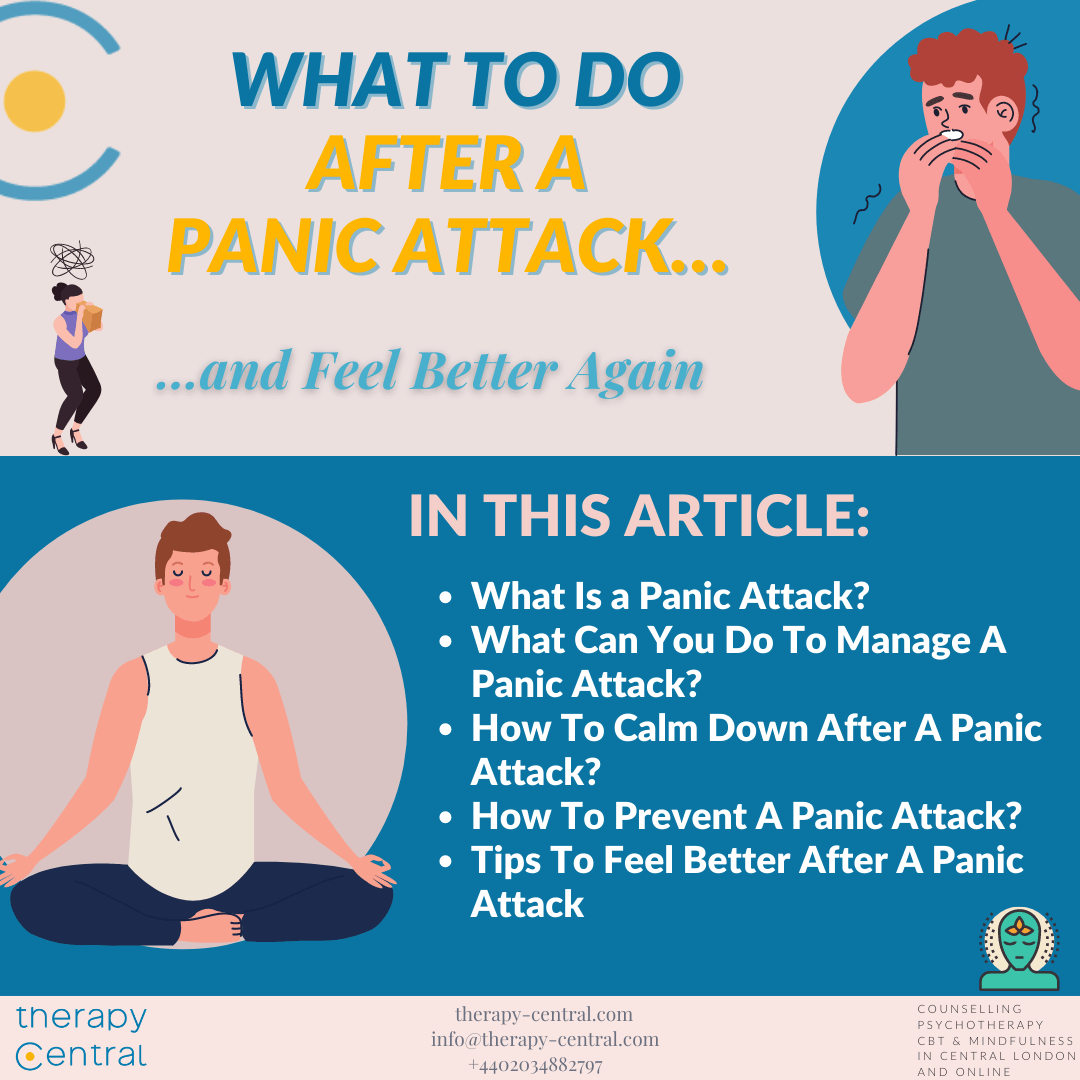
Creating a tailored management plan is a vital step in effectively coping with panic attacks. A personalized approach ensures that the strategies and resources you rely on are suited to your individual needs, preferences, and circumstances. This proactive process empowers you to respond confidently and calmly whenever panic symptoms arise, reducing their intensity and duration over time.
Developing such a plan involves identifying specific coping techniques, establishing clear steps to follow during an attack, and integrating support systems. Consistent practice and regular review of your plan enhance its effectiveness, helping you build resilience and confidence in managing future episodes. The goal is to have a readily accessible, practical guide that you can trust during moments of distress.
Components of a Personal Panic Attack Management Plan
Constructing an effective plan involves carefully selecting and organizing key elements that can be quickly employed during a panic attack. These components include:
- Coping Strategies: Techniques such as controlled breathing, grounding exercises, or muscle relaxation that have been practiced beforehand and can be implemented immediately.
- Emergency Contacts: A list of trusted friends, family members, or mental health professionals to reach out to when additional support is needed.
- Professional Help Resources: Contact information for therapists, support groups, or crisis helplines, along with details about appointments or ongoing treatments.
- Personal Triggers and Warning Signs: Recognition of specific situations or bodily sensations that precede a panic attack to facilitate early intervention.
- Environment Preparation: Creating a safe, comforting space where you feel secure and can practice calming techniques.
Reminders for Maintaining Your Plan
To ensure your management plan remains effective, it is essential to integrate regular reminders and routines. These may include:
- Scheduling periodic reviews of your plan, especially after significant life changes or new experiences.
- Practicing coping techniques consistently, even when not experiencing panic, to reinforce their effectiveness.
- Updating emergency contacts and professional resources as needed, ensuring that contact information remains current.
- Using visual aids, such as written summaries or digital apps, to keep your plan accessible and easy to follow during moments of stress.
Resources for Supporting Your Management Plan
Utilize a variety of resources to enhance the robustness of your personalized plan. These include:
Resource Type Description Examples Mobile Apps Applications designed to guide breathing exercises, track panic episodes, or provide immediate calming prompts. Calm, Headspace, Panic Relief Support Groups Community-based or online groups offering shared experiences, encouragement, and advice. National Alliance on Mental Illness (NAMI) support groups, Anxiety and Panic Support Forums Professional Services Licensed mental health practitioners specializing in anxiety disorders, offering therapy and personalized guidance. Cognitive-behavioral therapists, psychiatrists, counselors Educational Materials Books, articles, and videos providing insights into panic attacks and coping techniques. “The Anxiety and Phobia Workbook” by Edmund Bourne, reputable mental health websites Building a personalized panic attack management plan involves thoughtful preparation, consistent practice, and utilizing available resources. By organizing these components into an actionable and adaptable framework, individuals can foster a greater sense of control and resilience in managing panic episodes effectively.
Long-Term Strategies to Reduce Panic Attacks
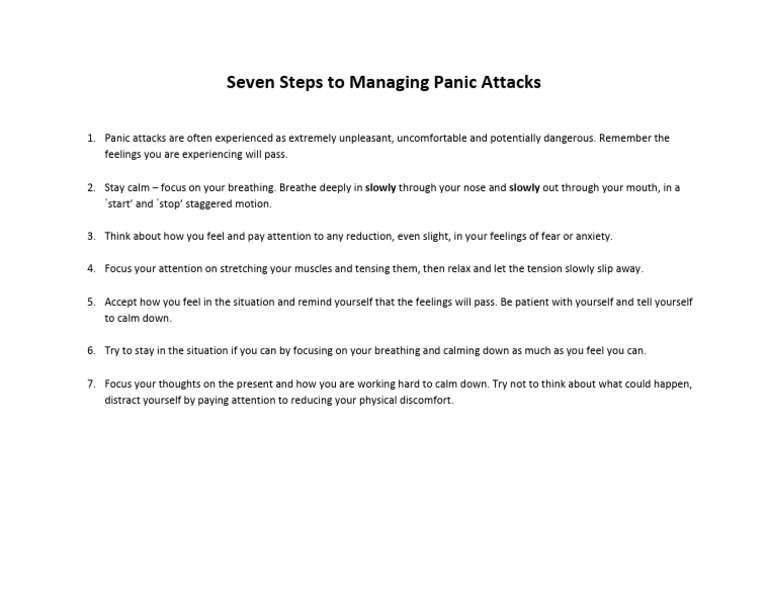
While immediate techniques can manage panic attacks as they occur, addressing underlying factors is essential for long-term relief and prevention. Developing sustainable strategies involves making lifestyle adjustments, employing therapeutic interventions, and cultivating mental resilience. These approaches work synergistically to reduce the frequency and intensity of panic episodes over time.
Implementing effective long-term strategies requires a comprehensive approach that targets the root causes of anxiety, such as chronic stress, unhealthy habits, and negative thought patterns. By integrating these methods into daily life, individuals can foster a sense of control and stability, significantly improving their overall quality of life.
Addressing Underlying Causes
Managing stress levels, adopting healthier lifestyle choices, and seeking professional therapy are foundational elements in reducing panic attack occurrences. These strategies help mitigate external and internal triggers that contribute to heightened anxiety.
- Stress Management: Engaging in activities that reduce stress, such as mindfulness meditation, yoga, or tai chi, can help lower overall anxiety levels. Regular practice enhances emotional resilience, making it easier to cope with daily pressures.
- Lifestyle Changes: Maintaining a balanced diet rich in nutrients, ensuring adequate sleep, and engaging in regular physical activity are crucial. Avoiding stimulants like caffeine and nicotine, which can heighten anxiety symptoms, also plays a vital role.
- Therapy: Cognitive-behavioral therapy (CBT) is highly effective in addressing negative thought patterns and behavioral responses associated with panic attacks. It provides individuals with tools to understand and reframe irrational fears, reducing attack frequency over time.
Role of Cognitive-Behavioral Techniques
Cognitive-behavioral techniques are central to long-term management, focusing on altering thought patterns and behaviors that contribute to anxiety. These methods empower individuals to recognize early signs of distress and respond proactively.
- Thought Challenging: Identifying and disputing distorted beliefs that fuel anxiety, such as catastrophizing or overgeneralization.
- Exposure Therapy: Gradually confronting feared situations in a controlled manner to diminish avoidance behaviors and build confidence.
- Relaxation Training: Incorporating progressive muscle relaxation and mindfulness exercises to promote calmness during stressful moments.
Consistent application of these techniques can diminish the frequency and severity of panic attacks, fostering a sense of mastery over anxiety symptoms.
Daily Routines Supporting Mental Stability
Establishing structured daily routines that prioritize mental health can significantly reduce vulnerability to panic attacks. Consistency and healthy habits create an environment conducive to emotional well-being.
- Regular Exercise: Engaging in at least 30 minutes of moderate physical activity daily, such as walking, cycling, or swimming, helps regulate stress hormones and elevate mood.
- Mindfulness Practices: Incorporating daily meditation or deep-breathing exercises to cultivate present-moment awareness and reduce rumination.
- Healthy Sleep Habits: Maintaining a consistent sleep schedule, avoiding screens before bedtime, and creating a calming pre-sleep routine support restorative sleep, which is vital for emotional resilience.
- Balanced Diet: Consuming a variety of nutrient-dense foods, including vegetables, fruits, lean proteins, and whole grains, sustains energy levels and stabilizes mood swings.
- Limiting Stimulants: Reducing intake of caffeine and alcohol, which can exacerbate anxiety symptoms and disrupt sleep quality.
Integrating these routines into daily life builds a foundation of mental stability, enabling individuals to better manage stressors and reduce the likelihood of panic attacks.
Adopting long-term strategies rooted in lifestyle modifications, therapeutic techniques, and consistent routines offers a sustainable path toward minimizing panic episodes and enhancing overall mental health.
When to Seek Professional Help
Recognizing the appropriate moments to seek professional assistance is crucial in effectively managing panic attacks and ensuring overall mental health. While many individuals successfully learn coping strategies, there are specific signs that indicate the need for expert intervention. Understanding these indicators can facilitate timely support, prevent escalation, and promote recovery.
Professional treatment options are diverse, encompassing various types of therapy and medical interventions tailored to individual needs. Accessing qualified mental health providers ensures you receive evidence-based care designed to reduce panic attack frequency and severity, improve quality of life, and address underlying issues. Being informed about available resources and appropriate criteria for seeking help empowers individuals to take proactive steps towards mental well-being.
Signs That Indicate the Need for Professional Intervention
It is important to be attentive to persistent or worsening symptoms that do not respond adequately to self-help techniques. Signs suggesting the necessity of professional help include:
- Frequent or severe panic attacks occurring multiple times a week, significantly disrupting daily routines.
- Intense fear of future attacks leading to avoidance behaviors or agoraphobia.
- Symptoms persisting beyond typical episodes, including ongoing anxiety, depression, or feelings of hopelessness.
- Physical symptoms such as chest pain, dizziness, or difficulty breathing that concern you or mimic medical emergencies.
- Interference with personal relationships, employment, or daily responsibilities causing distress or impairment.
- Previous treatments have been ineffective or the condition has worsened despite efforts to manage symptoms.
Recognizing these signs early can facilitate prompt intervention, which often results in better outcomes and improved quality of life.
Types of Therapy and Medical Treatments Available
Effective management of panic attacks often involves a combination of psychological and medical approaches. Each treatment type offers unique benefits suited for different individuals based on their specific circumstances and preferences.
| Therapy Type | Description | Effectiveness |
|---|---|---|
| Cognitive-Behavioral Therapy (CBT) | Focuses on identifying and changing negative thought patterns and behaviors associated with panic attacks. | Highly effective; considered the first-line treatment. |
| Exposure Therapy | Gradually exposes individuals to feared situations in a controlled manner to reduce avoidance and anxiety. | Effective when combined with CBT. |
| Medication (e.g., SSRIs, Benzodiazepines) | Prescribed drugs can help reduce the frequency and intensity of panic attacks by balancing brain chemistry. | Useful for severe cases or when therapy alone is insufficient; should be monitored by healthcare providers. |
| Mindfulness and Relaxation Techniques | Incorporates practices such as meditation, progressive muscle relaxation, and guided imagery to manage symptoms. | Complementary; enhances overall treatment efficacy. |
Seeking professional help is a proactive step that provides personalized care, improves coping abilities, and fosters long-term resilience against panic attacks.
Guidance on Finding Qualified Mental Health Providers
Locating experienced and reputable mental health professionals is vital for receiving effective treatment. The process involves assessing credentials, experience, and compatibility to ensure a supportive therapeutic relationship.
- Start with referrals from your primary care physician, trusted friends, or family members.
- Use reputable online directories such as the American Psychological Association or the National Association of Social Workers to find licensed professionals in your area.
- Verify credentials, specializations, and years of experience related to anxiety and panic disorder.
- Schedule initial consultations to assess comfort level, approach, and treatment philosophy.
- Consider logistical factors such as location, availability, and insurance coverage.
Building a strong, trusting relationship with your mental health provider enhances treatment adherence and outcomes.
Criteria for Seeking Help
Deciding to seek professional support can be guided by specific criteria, including:
- Frequency and severity of panic attacks significantly impair daily functioning.
- Persistent fear or worry about future attacks affecting your lifestyle.
- Physical symptoms that cause concern or mimic medical emergencies.
- Failure of self-help strategies to control symptoms after a reasonable period.
- Concurrent mental health issues such as depression or substance abuse.
- History of trauma or significant life stressors contributing to anxiety symptoms.
Addressing these criteria promptly can facilitate early intervention and improve the prognosis of panic disorder management.
Closing Summary
In conclusion, mastering how to handle panic attacks step by step involves a combination of immediate calming techniques, ongoing self-awareness, and professional support when needed. Developing a personalized plan and adopting long-term stress management strategies can significantly reduce the occurrence and severity of attacks. Remember, taking proactive steps and seeking help can lead to greater mental well-being and a more balanced life.