Discovering effective methods to enhance sleep quality can significantly transform your nightly rest. Breathing techniques offer a natural and accessible way to promote relaxation and facilitate a smoother transition into restful sleep. By understanding and applying these practices, you can experience deeper sleep and wake feeling more refreshed and balanced.
This guide explores various breathing methods designed to reduce anxiety, improve oxygen flow, and calm the mind before bedtime. From detailed step-by-step instructions to practical tips for integrating these techniques into your nightly routine, you’ll find everything needed to enjoy more restful nights and better overall well-being.
Introduction to Breathing Techniques for Better Sleep
Achieving restful sleep is essential for overall health and well-being. One often overlooked factor influencing sleep quality is breathing. Proper breathing techniques can significantly enhance relaxation, facilitate the transition into sleep, and improve overall sleep patterns. Understanding how breathing impacts sleep allows individuals to adopt simple yet effective strategies to combat common sleep challenges.
Breathing plays a crucial role in regulating the nervous system, particularly in activating the parasympathetic response, which promotes calmness and recovery. When breathing becomes shallow or irregular, it can hinder the body’s ability to relax, leading to difficulties in falling asleep or maintaining sleep throughout the night. Conversely, controlled breathing techniques can help reduce stress, lower heart rate, and create an ideal environment for restorative sleep.
Impact of Breathing on Relaxation and Sleep Onset
Proper breathing techniques influence relaxation by stimulating the vagus nerve, which is integral to the body’s rest-and-digest response. Slow, deep breaths encourage the body to release tension accumulated throughout the day, making it easier to transition into sleep. Techniques such as diaphragmatic breathing, box breathing, and 4-7-8 breathing work by controlling the rate and depth of breaths, which can help decrease cortisol levels and induce a state of calm.
Research indicates that when individuals practice deliberate breathing exercises before bed, they experience shorter sleep latency—the time it takes to fall asleep—and improved sleep efficiency. These techniques also help in reducing the occurrence of nighttime awakenings caused by anxiety or stress. By consciously managing breath patterns, individuals can effectively signal their nervous system to shift from a state of alertness to one of relaxation, fostering a smoother sleep onset process.
Common Sleep Disturbances Related to Breathing Issues
Several sleep disturbances are directly linked to breathing irregularities or dysfunctions. Sleep-related breathing disorders, such as obstructive sleep apnea (OSA), are characterized by brief interruptions in breathing during sleep, leading to fragmented sleep and reduced oxygen levels. Individuals with OSA often experience loud snoring, gasping, or choking during sleep, which disrupts the natural sleep cycle.
In addition to sleep apnea, insomnia can sometimes be exacerbated by hyperventilation or irregular breathing patterns caused by anxiety, stress, or respiratory conditions. These irregularities can delay sleep onset, increase nocturnal awakenings, and diminish overall sleep quality. Recognizing these issues emphasizes the importance of adopting breathing techniques that promote steady, controlled respiration—both as preventive measures and as adjunct therapies for sleep disorders.
Types of Breathing Techniques for Sleep Enhancement
Implementing specific breathing techniques can significantly improve sleep quality by promoting relaxation, reducing stress, and calming the nervous system. Different methods cater to varied preferences and needs, offering a range of options to facilitate restful sleep. Understanding the mechanics, purposes, and benefits of these techniques enables individuals to select and practice the most suitable method for their sleep improvement goals.
Below, we explore some of the most effective breathing methods commonly used to enhance sleep, including diaphragmatic breathing, box breathing, the 4-7-8 technique, and alternate nostril breathing. Each technique has unique characteristics designed to activate the parasympathetic nervous system, slow down heart rate, and foster a tranquil state conducive to sleep.
Diaphragmatic Breathing
Diaphragmatic breathing, also known as belly breathing, emphasizes deep inhalations that fully engage the diaphragm muscle, allowing for more efficient oxygen exchange and relaxation. This technique helps reduce anxiety and promotes a sense of calm before sleep.
- Find a comfortable seated or lying position, placing one hand on the chest and the other on the abdomen.
- Inhale slowly through the nose, focusing on expanding the diaphragm so that the abdomen rises while the chest remains relatively still.
- Pause briefly at the top of the inhalation.
- Exhale slowly through pursed lips or the nose, feeling the abdomen fall as the air leaves the lungs.
- Repeat this cycle for 5-10 minutes, maintaining a steady, gentle rhythm.
Box Breathing (Square Breathing)
Box breathing involves inhaling, holding, exhaling, and pausing in equal durations, creating a balanced and rhythmic breathing pattern that calms the nervous system and reduces stress, aiding in sleep onset.
- Inhale slowly through the nose for a count of four.
- Hold the breath for a count of four.
- Exhale gently through the mouth or nose for a count of four.
- Pause and hold the breath out for a count of four before repeating.
- Continue this cycle for several minutes, adjusting the count as comfortable.
4-7-8 Breathing Technique
The 4-7-8 method is designed to promote relaxation by regulating breathing patterns and increasing carbon dioxide levels in the blood, which signals the body to relax. It is especially effective at reducing anxiety and promoting sleep.
- Place the tip of the tongue against the tissue just behind the upper front teeth throughout the practice.
- Inhale quietly through the nose for a count of four.
- Hold the breath for a count of seven, maintaining a relaxed state.
- Exhale completely through the mouth, making a gentle whooshing sound, for a count of eight.
- This cycle completes one breath; repeat for four to eight cycles or until feeling calm and sleepy.
Alternate Nostril Breathing (Nadi Shodhana)
This yogic breathing technique balances the nervous system and promotes mental clarity. It involves alternately closing one nostril while breathing through the other, fostering a sense of harmony and relaxation conducive to sleep.
- Sit comfortably with a straight spine and relax your shoulders.
- Use the thumb of the right hand to gently close the right nostril.
- Inhale slowly and deeply through the left nostril.
- Close the left nostril with the ring finger of the right hand, then release the right nostril.
- Exhale slowly through the right nostril.
- Inhale through the right nostril, then close it with the thumb.
- Release the left nostril and exhale through it.
- Repeat the cycle for 5-10 minutes, focusing on even, relaxed breaths.
Comparison of Breathing Techniques for Sleep

| Technique | Duration | Purpose | Benefits |
|---|---|---|---|
| Diaphragmatic Breathing | 5-10 minutes | Deep relaxation, stress reduction | Decreases anxiety, improves oxygenation, promotes calmness |
| Box Breathing | Several minutes (adjustable) | Regulates breathing, reduces stress | Enhances focus, calms nervous system, improves sleep onset |
| 4-7-8 Technique | 4 cycles or until relaxed | Induces sleepiness, reduces anxiety | Facilitates faster sleep, lowers cortisol levels |
| Alternate Nostril Breathing | 5-10 minutes | Balances nervous system, promotes mental calmness | Reduces stress, improves mental clarity, aids in relaxation |
Step-by-Step Guides to Practicing Breathing Techniques
Implementing breathing techniques into your nightly routine can significantly improve sleep quality when practiced correctly. Clear, structured instructions help ensure consistency and effectiveness. This section provides detailed procedures for practicing each technique, along with tips on posture, environment, and timing to optimize your relaxation experience before bed.
Adherence to a step-by-step process enhances the likelihood of experiencing the full benefits of each breathing method. By following these organized guides, you can create a calming pre-sleep ritual that signals your body to prepare for restful sleep.
Deep Diaphragmatic Breathing
Deep diaphragmatic breathing encourages full oxygen exchange and relaxes the nervous system, making it ideal before sleep. A systematic approach ensures proper technique and maximizes its calming effects.
- Choose a quiet, dimly lit space free from distractions. Sit or lie down comfortably on a supportive surface such as a bed or reclined chair.
- Place one hand on your chest and the other on your abdomen, just below your rib cage. This positioning helps you monitor which muscles are engaged during breathing.
- Inhale slowly through your nose for a count of four, focusing on expanding your abdomen rather than your chest. You should feel the hand on your abdomen rise, indicating diaphragmatic movement.
- Hold your breath for a brief pause of two seconds, maintaining relaxed shoulders and neck.
- Exhale gently through pursed lips or the nose for a count of six, deliberately contracting your abdominal muscles to expel air fully.
- Repeat this cycle for 5 to 10 minutes, maintaining slow, steady breaths. Focus on smooth, controlled inhalation and exhalation, avoiding any strain.
For optimal results, perform this technique just before bed, ensuring your environment is cool, quiet, and free of electronic devices that could distract or stimulate.
Box Breathing Technique
This technique involves equal-length inhalations, holds, and exhalations, creating a rhythmic pattern that calms the nervous system. Following a precise sequence helps establish consistency and deepen relaxation.
- Find a comfortable seated or lying position in a peaceful setting. Keep your back straight but relaxed to allow full lung expansion.
- Close your eyes if comfortable, and take a slow, deep breath in through your nose for a count of four.
- Hold the breath for the same duration of four seconds, maintaining a relaxed face and shoulders.
- Exhale slowly through your mouth or nose for four seconds, completely emptying your lungs.
- Pause after exhalation for another four seconds before starting the next cycle.
- Repeat this pattern for up to five minutes, focusing on maintaining even timing for each phase. Use a timer if needed to stay precise.
Consistency is key; practice this technique nightly to help establish a predictable relaxation pattern that cues your body for sleep. Ensure your environment is free of noise and bright lights, and aim to practice at the same time each evening.
Alternate Nostril Breathing (Nadi Shodhana)
This technique balances the nervous system and promotes mental calmness, aiding in sleep readiness. A step-by-step approach ensures proper technique and maximizes calming benefits.
- Sit comfortably in a quiet, comfortable space with your spine erect. Rest your left hand on your lap, palm facing upward.
- Use your right thumb to gently close your right nostril. Inhale slowly and deeply through your left nostril for a count of four.
- Close your left nostril with your right ring finger or pinky, releasing your thumb from the right nostril. Exhale slowly and completely through your right nostril for four seconds.
- Inhale through the right nostril for four seconds, then close it again with your thumb.
- Open the left nostril and exhale for four seconds. This completes one cycle.
- Repeat this alternating pattern for 5 to 10 minutes, focusing on smooth, rhythmic breathing and maintaining a relaxed posture.
Practice this technique in a comfortable position, preferably seated upright with shoulders relaxed, in a tranquil environment that minimizes distractions. Incorporate it into your nightly routine, ideally 10-15 minutes before bed, to promote relaxation and mental clarity.
Adopting these step-by-step breathing practices involves not only understanding the procedures but also creating an environment conducive to relaxation. Consistency, correct posture, and mindful execution significantly enhance the effectiveness of each technique, paving the way for improved sleep quality over time.
Benefits of Using Breathing Techniques for Sleep
Incorporating breathing techniques into your nightly routine can significantly enhance the quality of your sleep and contribute to overall well-being. These practices offer a range of physical, mental, and emotional advantages that work synergistically to promote restful and restorative sleep. Understanding these benefits underscores the importance of mindful breathing as a natural and accessible tool for improving sleep health.
By engaging in controlled breathing exercises, the body’s physiological processes undergo positive changes that facilitate relaxation, reduce stress, and support better sleep patterns. These techniques influence the nervous system, cardiovascular health, and emotional regulation, making them an effective strategy for those seeking natural solutions to sleep difficulties.
Physical Benefits of Breathing Techniques for Sleep
Breathing exercises stimulate various physiological responses that enhance physical health and prepare the body for restful sleep.
- Reduction of Heart Rate and Blood Pressure: Slow, deep breathing activates the parasympathetic nervous system, which promotes relaxation by decreasing heart rate and lowering blood pressure. This calming effect helps the body transition smoothly into sleep mode, reducing the incidence of sleep disturbances caused by cardiovascular stress.
- Enhanced Oxygen Flow and Carbon Dioxide Regulation: Deep breathing increases oxygen intake and improves oxygen delivery to tissues, including vital organs. Simultaneously, it facilitates the efficient removal of carbon dioxide, leading to a balanced respiratory system. This balance supports cellular repair and overall physical rejuvenation during sleep.
- Muscle Relaxation: Controlled breathing encourages the relaxation of tense muscles, alleviating physical discomfort and promoting a state of physical calmness conducive to falling asleep quickly and staying asleep longer.
Mental and Emotional Benefits of Breathing Techniques for Sleep
Beyond physical effects, breathing practices profoundly impact mental clarity and emotional stability, which are crucial for quality sleep.
- Reduction of Anxiety and Stress: Focused, slow breathing helps diminish the levels of stress hormones such as cortisol. This reduction alleviates feelings of anxiety that can interfere with sleep onset and continuity. Regular practice fosters a sense of inner calm that persists beyond the exercises.
- Improved Mindfulness and Mental Clarity: Breathing exercises cultivate mindfulness, enabling individuals to develop greater awareness of their mental state. This heightened consciousness promotes a tranquil mind free from racing thoughts that often hinder sleep.
- Emotional Regulation and Mood Stabilization: Consistent breathing practices can help regulate emotions, reducing mood swings and feelings of irritability or depression related to sleep deprivation. This emotional balance further supports restful sleep cycles.
Physiological Changes During Deep Breathing Exercises
Deep breathing activates the body’s parasympathetic nervous system, which is responsible for the ‘rest and digest’ response, leading to profound physiological shifts that facilitate sleep.
As you engage in deep, diaphragmatic breathing, your body experiences a series of coordinated changes. Initially, inhaling slowly through the nose causes the lungs to fill completely, expanding the diaphragm downward and increasing thoracic volume. This process signals the vagus nerve to activate, which in turn promotes a decrease in heart rate and blood pressure. During exhalation, a gentle, prolonged release of breath helps maintain a state of calmness, reducing sympathetic nervous system activity associated with ‘fight or flight’ responses.
These adjustments lead to a drop in cortisol levels, muscle relaxation, and a lowered metabolic rate, all of which create an ideal physiological environment for sleep. Over time, regular practice can strengthen these responses, making it easier to enter and sustain restful sleep cycles.
Common Challenges and Solutions in Implementing Breathing Techniques

Adopting new breathing techniques as part of a bedtime routine can sometimes present obstacles that hinder consistent practice and desired outcomes. Recognizing these challenges early allows for the development of effective strategies to overcome them, ensuring a smoother integration into nightly habits. Many individuals encounter difficulties such as feeling restless during exercises, difficulty establishing a routine, or encountering physical discomfort, which can diminish the effectiveness of the techniques and discourage continued practice.
Addressing these issues with practical solutions can significantly enhance the likelihood of success and improve sleep quality over time.Implementing breathing exercises into a nightly routine often requires patience and adjustments to accommodate individual needs and circumstances. Challenges may stem from physiological factors, mental distractions, or environmental conditions that interfere with relaxation or concentration. By understanding common pitfalls and applying targeted strategies, individuals can create a more conducive environment for breathing exercises, fostering consistency and maximizing benefits for sleep enhancement.
Difficulty Staying Focused or Relaxed During Exercises
Many individuals find it challenging to maintain focus or achieve relaxation while practicing breathing techniques, especially amid daily stressors or restless minds. Distractions, racing thoughts, or impatience can disrupt the flow of exercises, reducing their calming effects. To overcome this, it is helpful to establish a quiet, comfortable environment free from electronic devices and external noise. Using gentle background sounds, such as calming music or nature sounds, can also aid concentration.
Starting with shorter sessions and gradually increasing duration allows the mind to adapt without feeling overwhelmed. Mindfulness and gentle guidance through the process reinforce focus and relaxation.
Difficulty Establishing a Consistent Routine
Inconsistent practice often stems from busy schedules, forgetfulness, or lack of motivation. Establishing a habitual routine is crucial for reaping the full benefits of breathing techniques. It is beneficial to integrate exercises into an existing nightly activity, such as after brushing teeth or before reading, to create a cue that signals the start of the routine. Setting reminders on phones or placing visual cues like notes near the bed can serve as helpful prompts.
Commitment can be strengthened by tracking progress or sharing goals with a partner or friend, fostering accountability and motivation.
Physical Discomfort or Limitations During Practice
Some individuals may experience discomfort or physical limitations that make certain breathing positions or techniques challenging. Conditions such as respiratory issues, muscular pain, or joint stiffness can interfere with proper practice. Modifying techniques to suit personal comfort, such as sitting in a supportive chair instead of lying flat, can make exercises more accessible. Consulting healthcare providers or respiratory therapists for tailored adjustments ensures safety and effectiveness.
Using props like cushions or supports can alleviate strain and facilitate easier breathing postures.
Troubleshooting Tips for Common Challenges
To support successful implementation of breathing techniques, consider these practical troubleshooting tips:
- Set a fixed time each night: Consistency helps reinforce the habit and signals your body to prepare for relaxation.
- Create a calming environment: Dim lighting, comfortable bedding, and minimal noise reduce distractions.
- Start with brief sessions: Just 3-5 minutes initially can build confidence and prevent feelings of frustration.
- Use guided recordings or apps: Audio guidance can improve focus and provide structured instructions, especially for beginners.
- Adjust technique as needed: Modify breathing patterns, postures, or durations to accommodate physical comfort and personal preferences.
- Practice patience: Recognize that mastery takes time; occasional setbacks are normal, and persistence leads to improvement.
- Seek professional advice: For persistent difficulties or health concerns, consult healthcare professionals to ensure techniques are appropriate and safe.
Maintaining flexibility and a positive attitude towards practice can significantly enhance the likelihood of successfully integrating breathing techniques into your nightly routine, ultimately leading to better sleep and overall well-being.
Incorporating Breathing Techniques into a Sleep Routine
Establishing a consistent bedtime routine that includes breathing exercises can significantly improve sleep quality and promote relaxation. Integrating these techniques seamlessly into nightly habits ensures they become a natural part of your wind-down process, helping to signal to your body that it is time to rest. When practiced regularly, breathing exercises can serve as a calming ritual that prepares the mind and body for restorative sleep.Successfully incorporating breathing techniques into your sleep routine involves thoughtful planning around timing, environment, and duration.
Creating a conducive setting and sticking to a schedule enhances the effectiveness of these practices, making them a reliable tool for better sleep over time. Monitoring your progress and maintaining consistency reinforces positive habits and allows for adjustments that suit your individual needs.
Suggested Timing, Duration, and Environmental Considerations
Implementing breathing exercises at specific times, with appropriate durations, and in optimal environments can maximize their benefits. The following guidelines can help you develop an effective routine:
| Timing | Duration | Environmental Considerations |
|---|---|---|
| 15-30 minutes before bedtime | 5-10 minutes per session | Maintain a quiet, dimly lit, and comfortable bedroom environment |
| After a relaxing activity such as reading or meditation | Consistent daily practice | Avoid screens and bright lights at least 30 minutes prior to exercises |
| In case of waking during the night | 5 minutes of breathing exercises to promote return to sleep | Use soft lighting or sleep masks to create a calm setting |
It is beneficial to select a specific spot in your bedroom that remains quiet and free of distractions. Ensuring the temperature is comfortable and eliminating noise pollution can further enhance the calming effect of breathing exercises. Keeping a journal to track your routine, duration, and sleep quality can help identify patterns and improvements over time, reinforcing the importance of consistency in your practice.
“Consistency in practicing breathing techniques before sleep cultivates a sense of routine that signals your body to relax, making it easier to fall asleep and stay asleep throughout the night.”
Additional Tips for Improving Sleep Quality
Enhancing sleep quality often requires a holistic approach that combines effective breathing techniques with proven sleep hygiene practices. Integrating habits such as maintaining a consistent sleep schedule, limiting exposure to screens before bedtime, and creating a comfortable, restful environment can significantly amplify the benefits of breathing exercises. Mindfulness and relaxation techniques further support this process by calming the mind and body, making it easier to transition into restorative sleep.
By combining these strategies thoughtfully, individuals can establish a sleep-friendly routine that promotes relaxation, reduces stress, and fosters a natural transition into deep, rejuvenating sleep. Implementing these practices consistently can lead to noticeable improvements in sleep duration and quality, ultimately contributing to overall well-being and daily functioning.
Creating a Sleep-Friendly Environment
A sleep-conducive environment is fundamental to improving sleep quality. Factors such as room temperature, lighting, noise levels, and bedding all influence sleep comfort and continuity. Combining the use of breathing techniques with environmental adjustments ensures a more effective rest cycle.
- Maintain a cool, dark, and quiet bedroom to minimize disruptions and promote relaxation.
- Use blackout curtains or eye masks to block out light, especially if sleeping during daylight hours or in areas with street illumination.
- Employ white noise machines or earplugs to reduce background noise that could interrupt sleep.
- Choose comfortable, breathable bedding and sleepwear to prevent overheating and discomfort during the night.
Establishing a Consistent Sleep Routine
Consistency in sleep timing reinforces the body’s circadian rhythm, making it easier to fall asleep and wake up refreshed. Incorporating breathing exercises into a regular pre-sleep routine can signal the body that it is time to wind down.
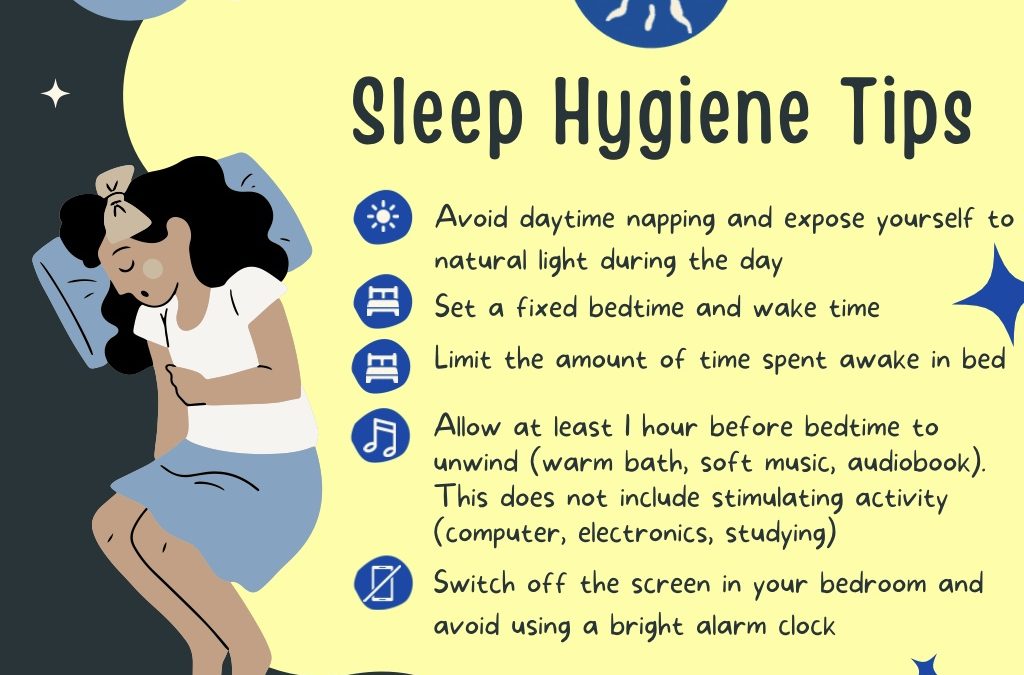
- Set a fixed bedtime and wake-up time, even on weekends, to regulate the internal clock.
- Integrate calming breathing techniques, such as diaphragmatic breathing or 4-7-8 breathing, into the last 15-30 minutes before sleep.
- Avoid stimulating activities and caffeine close to bedtime, replacing them with relaxing practices like gentle stretching or mindful breathing.
- Establish a winding-down ritual, such as reading, listening to soft music, or practicing progressive muscle relaxation alongside breathing exercises.
Limiting Screen Time and Stimulants
Exposure to blue light from screens and the consumption of stimulants such as caffeine or nicotine can interfere with melatonin production and delay sleep onset. Combining these considerations with breathing practices enhances their effectiveness by reducing physiological arousal and promoting relaxation.
- Cease screen use at least one hour before bedtime to minimize blue light exposure, which suppresses melatonin.
- Use blue light filters or glasses when unavoidable screen use is necessary in the evening.
- Limit caffeine and nicotine intake after mid-afternoon, as both are stimulants that can impair sleep quality.
- Replace screen time with calming activities like mindful breathing or meditation to prepare the body for sleep.
The Role of Mindfulness and Relaxation During Sleep Preparation
Practicing mindfulness and relaxation strategies during bedtime can significantly enhance sleep readiness. These techniques help quiet the mind, reduce anxiety, and lower physiological arousal, making it easier to fall asleep naturally.
Mindfulness involves paying gentle attention to the present moment, often focusing on the breath, sensations, or sounds. Incorporating mindfulness with breathing exercises creates a powerful combination that fosters a state of calmness and relaxation.
“Mindfulness and focused breathing cultivate an awareness that relaxes the nervous system, paving the way for restful sleep.”
Relaxation techniques such as progressive muscle relaxation, guided imagery, and deep breathing exercises can be integrated into a bedtime routine, helping to release tension accumulated throughout the day and prepare the body for restorative sleep. Consistent practice of these methods can improve sleep onset latency, reduce nighttime awakenings, and promote more consistent sleep cycles.
Epilogue
Incorporating breathing techniques into your sleep routine can be a powerful tool to promote relaxation and improve sleep quality. Consistency and mindfulness in practice not only enhance your nightly rest but also contribute to long-term mental and physical health. Embrace these simple yet effective methods to transform your sleep experience and wake up feeling revitalized each day.