Learning how to sleep better during stress is essential for maintaining overall health and well-being. When stress takes hold, it often disrupts our sleep patterns, leading to restless nights and fatigue. Understanding the connection between stress and sleep can empower you to implement effective strategies that promote restful sleep even during challenging times. By adopting practical techniques and lifestyle adjustments, you can restore your sleep quality and wake up feeling refreshed and recharged.
This guide explores various approaches, from relaxation exercises and environmental optimization to mindful practices and natural remedies, all designed to help you manage stress and improve your sleep. Implementing these methods can transform your nightly routine and create a peaceful sleep environment, making restful nights achievable despite life’s stressors.
Understanding the Impact of Stress on Sleep
Stress is a common part of modern life, yet its influence on sleep quality and patterns can be profound. Recognizing how stress affects sleep is crucial for implementing effective strategies to improve rest and overall well-being. When stress levels rise, the body responds in ways that can significantly disrupt restful sleep, leading to a cycle that impacts health and daily functioning.
Physiologically, stress activates the body’s fight-or-flight response, which involves a cascade of hormonal and physiological changes designed to prepare the body to confront or escape a threat. While this response is beneficial in emergency situations, its persistent activation due to chronic stress can interfere with the natural sleep cycle. Common sleep disturbances linked to stress include insomnia, characterized by difficulty falling asleep or staying asleep, and restless sleep, where individuals often experience frequent awakenings or light sleep that prevents deep restorative rest.
Physiological Responses of the Body to Stress that Interfere with Rest
During periods of stress, several physiological mechanisms are activated, which directly impact sleep quality. The primary response involves the release of stress hormones such as cortisol and adrenaline. These hormones prepare the body for immediate action, increasing heart rate, blood pressure, and alertness—factors that are incompatible with sleep. Elevated cortisol levels, particularly in the evening or at night, can delay sleep onset and disrupt the circadian rhythm.
In addition to hormonal changes, stress triggers increased sympathetic nervous system activity, which promotes alertness and physiological arousal. This heightened state makes it difficult for the brain to transition into the relaxed, slow-wave sleep stages necessary for restorative rest. Over time, chronic activation of these responses can lead to persistent sleep difficulties, making it challenging to achieve both the duration and quality of sleep needed for optimal health.
Common Sleep Disturbances Caused by Stress
Stress-induced sleep disturbances can manifest in various ways, often compounding the negative effects on overall health. Insomnia is one of the most prevalent issues, where individuals find it hard to fall asleep at night or wake frequently, resulting in insufficient sleep duration. Restless sleep is another common disturbance, characterized by frequent awakenings or shallow sleep that prevents reaching deep sleep stages, crucial for physical and mental restoration.
In some cases, stress can lead to vivid or disturbing dreams, further disturbing sleep continuity. Anxiety and worry can cause a person to ruminate or lie awake for extended periods, exacerbating sleep deprivation. The cumulative effect of these disturbances can lead to daytime fatigue, reduced cognitive function, irritability, and weakened immune response, illustrating the importance of managing stress for healthy sleep patterns.
Techniques to Reduce Stress Before Bedtime
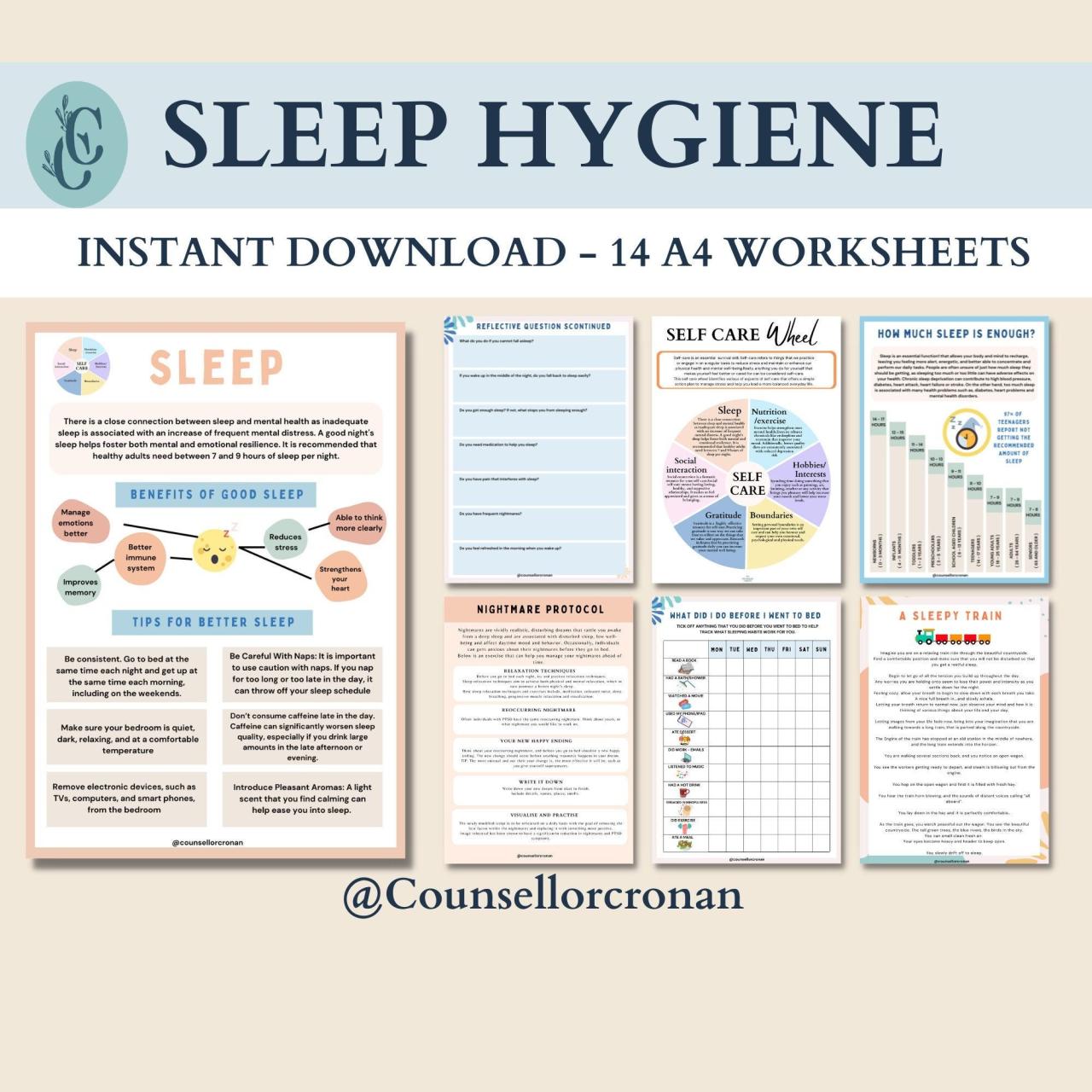
Managing stress effectively before bedtime plays a crucial role in achieving restful sleep. Engaging in relaxation techniques can help calm an overactive mind, ease physical tension, and create a tranquil transition from daytime activities to sleep. Incorporating simple yet consistent practices into your nightly routine can significantly improve sleep quality, especially during stressful periods.
These methods aim to reduce the physiological and psychological effects of stress, such as elevated heart rate, rapid breathing, and racing thoughts. By adopting targeted relaxation exercises and establishing a calming environment, individuals can foster a sense of peace and readiness for restorative sleep.
Relaxation Exercises to Calm the Mind
Relaxation exercises are effective tools for easing mental and physical tension before sleep. Techniques such as deep breathing and progressive muscle relaxation have been supported by research for their ability to activate the body’s relaxation response, thereby reducing stress hormones and promoting sleep readiness.
Deep breathing involves slow, deliberate inhalations and exhalations that help lower heart rate and calm the nervous system. Progressive muscle relaxation (PMR) requires systematically tensing and relaxing muscle groups throughout the body, which relieves physical stress and fosters a sense of calm. Regular practice of these exercises can be particularly beneficial during stressful times or when bedtime anxiety is present.
Establishing an Effective Pre-Sleep Wind-Down Routine
Creating a structured pre-sleep routine helps to signal to your body that it’s time to unwind and prepare for sleep. Consistency is key, as it trains your mind and body to associate certain activities with relaxation and sleep onset.
Begin by setting a fixed time to start your wind-down process each evening, ideally 30 to 60 minutes before bed. Include relaxing activities such as dimming the lights, reading a calming book, or listening to soothing music. Avoid stimulating screens such as smartphones, tablets, or computers, as blue light exposure can interfere with melatonin production.
Practicing relaxation exercises, like deep breathing or gentle stretching, during this period enhances your sense of calm. Establishing a routine that is predictable and soothing helps reduce bedtime stress and facilitates quicker sleep onset.
Creating a Peaceful Environment for Relaxation
The physical environment significantly influences your ability to relax and fall asleep. A peaceful, sensory-friendly space can minimize external stimuli that may heighten stress or alertness.
For instance, adjusting lighting to a soft, warm glow—using dimmable lights or bedside lamps—creates a cozy atmosphere conducive to winding down. Aromatherapy with calming scents such as lavender, chamomile, or sandalwood can further promote relaxation by influencing the limbic system, which governs emotions and stress responses.
Maintaining a comfortable room temperature, ideally between 60-67°F (15-19°C), helps prevent discomfort that could interfere with sleep. Using blackout curtains to block out external light and eliminating noise sources with earplugs or white noise machines can eliminate disturbances, allowing your mind to settle into a peaceful state more effortlessly.
Lifestyle Adjustments to Improve Sleep During Stressful Times
Managing stress effectively involves not only mental techniques but also practical lifestyle changes that can significantly enhance sleep quality. Small adjustments in dietary habits, daily routines, and physical activity can create a supportive environment for restful sleep even amidst stressful circumstances. Implementing these strategies consistently can lead to better resilience and overall well-being during challenging periods.
Adopting mindful lifestyle choices helps regulate the body’s stress response and promotes relaxation, thereby reducing the impact of stress on sleep. Tailoring daily routines to include stress management practices and sleep-friendly habits can make a meaningful difference in achieving restorative sleep during tough times.
Dietary Habits Supporting Better Sleep Under Stress
Nutrition plays a vital role in sleep health, especially during periods of increased stress. Certain foods and dietary patterns can either hinder or facilitate restful sleep. Being mindful of what and when you eat can help your body unwind and prepare for sleep more effectively.
- Minimize or eliminate caffeine intake, especially in the afternoon and evening, as caffeine is a stimulant that can interfere with the ability to fall asleep and diminish sleep quality. Even small amounts consumed late in the day can disrupt sleep cycles.
- Incorporate sleep-friendly foods rich in magnesium, tryptophan, and melatonin, which support relaxation and sleep regulation. Examples include nuts, seeds, bananas, oats, cherries, and dairy products.
- Maintain balanced meals throughout the day to prevent hunger or gastric discomfort at night. Consuming heavy or spicy foods before bedtime can cause indigestion and make falling asleep more difficult.
- Stay adequately hydrated, but avoid excessive fluid intake close to bedtime to reduce nighttime awakenings.
Remember: A nutritious, balanced diet tailored to support relaxation can significantly reduce stress-induced sleep disruptions.
Designing a Daily Schedule Incorporating Stress Management and Sleep Hygiene
Creating a structured daily routine that blends stress alleviation practices with good sleep hygiene fosters a sense of stability and calm. Consistency in daily activities helps regulate the body’s internal clock and reduces stress levels, making it easier to wind down at night.
- Establish a regular sleep and wake time, even on weekends, to strengthen your circadian rhythm and signal your body when to sleep and wake.
- Include dedicated periods for relaxation techniques, such as deep breathing, meditation, or gentle stretching, preferably at least an hour before bedtime.
- Plan your day to incorporate physical activity, nutritious meals, and breaks to prevent excessive stress accumulation and maintain energy balance.
- Avoid screen time at least 30-60 minutes before sleep, as blue light emitted from phones, tablets, and computers can suppress melatonin production.
- Implement a relaxing pre-sleep routine, such as reading a book, taking a warm bath, or practicing mindfulness, to cue your body for sleep.
Tip: Consistency and a predictable routine support your body’s natural sleep-wake cycle, especially during stressful periods.
Physical Activity Routines Beneficial for Reducing Stress and Promoting Sleep
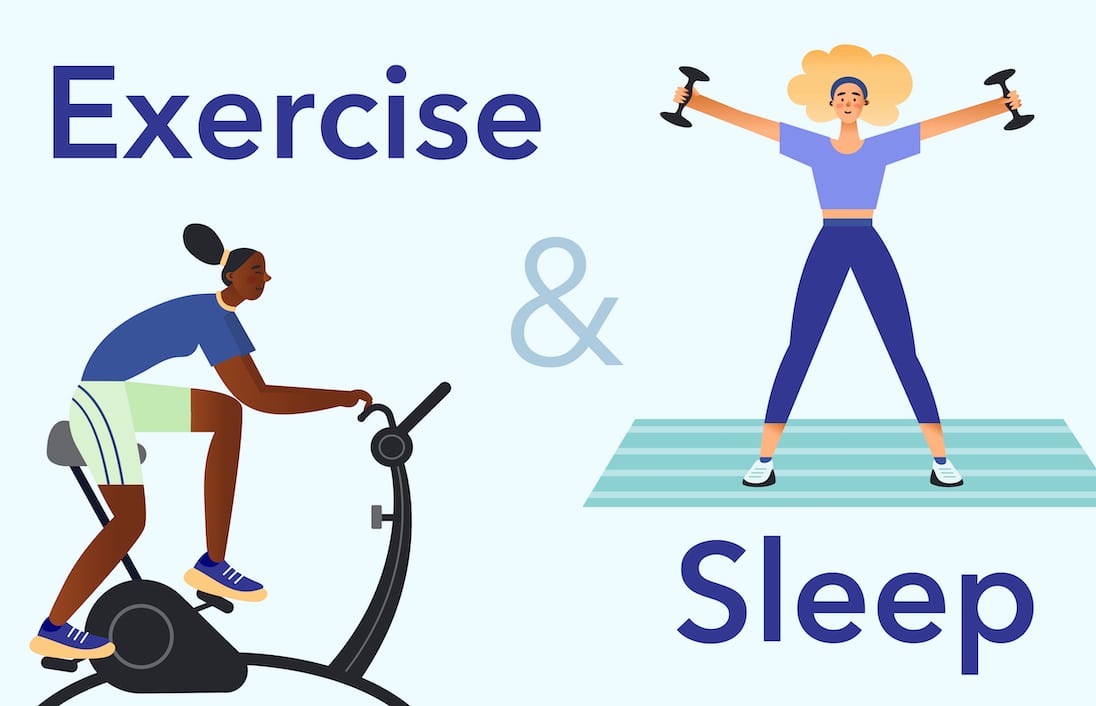
Regular physical activity is a proven method for lowering stress levels and improving sleep quality. Exercise helps release built-up tension, enhances mood, and regulates hormones associated with sleep and stress management.
- Engage in moderate aerobic exercises such as brisk walking, cycling, or swimming for at least 150 minutes per week, spread across several days. These activities stimulate the production of endorphins, natural mood elevators.
- Incorporate strength training or resistance exercises two to three times weekly, which can improve sleep quality and reduce anxiety.
- Practice yoga or tai chi, combining gentle movement with mindfulness, to promote relaxation and stress reduction before bedtime.
- Schedule physical activity earlier in the day to prevent it from interfering with your sleep onset. Exercising too close to bedtime can sometimes increase alertness and delay sleep.
- Engage in relaxing post-exercise routines, like stretching or meditation, to transition smoothly into rest and recovery.
Note: Consistent physical activity tailored to your fitness level helps mitigate the adverse effects of stress and enhances sleep quality over time.
Sleep Environment Optimization for Stress Management
Creating an optimal sleep environment is a vital component in managing stress and promoting restful sleep. The conditions of the bedroom directly influence the quality of sleep, especially during stressful times when the mind is more prone to restlessness and anxiety. By adjusting environmental factors appropriately, individuals can significantly enhance their ability to relax and achieve restorative sleep.
An ideal sleep environment fosters a sense of calm and minimizes external disruptions that could interfere with sleep onset and maintenance. This involves controlling temperature, noise levels, lighting, and bedding quality to support the body’s natural circadian rhythms and relaxation responses. Proper organization of the bedroom space further reduces stress triggers and promotes a tranquil atmosphere conducive to sleep.
Optimal Bedroom Conditions for Sleep During Stress
Maintaining the right bedroom conditions is essential for reducing stress-related sleep disturbances. The following elements should be carefully managed and tailored to individual preferences to create a peaceful sleep sanctuary:
- Temperature: The bedroom should be kept cool, ideally between 16°C and 20°C (60°F to 68°F). A cool environment helps lower core body temperature, signaling the body that it’s time to sleep, and can prevent overheating, which is often disruptive during stressful periods.
- Noise Levels: The room should be as quiet as possible. External sounds can trigger stress responses, so using white noise machines, earplugs, or soundproof curtains can help mask disruptive noises and establish a consistent, calming sound environment.
- Lighting: Darkness is crucial for the production of melatonin, the hormone that regulates sleep. Heavy curtains, blackout blinds, or sleep masks can block out light, especially in urban areas where streetlights or early dawn may interfere with sleep cycles.
- Bedding and Mattress: Comfortable, supportive bedding and a high-quality mattress tailored to personal preferences (firmness, material) provide physical comfort and reduce body tension. Natural fabrics like cotton or linen are breathable and help regulate temperature.
Impact of Sleep Environment Elements
Understanding how specific environmental factors influence sleep quality can guide effective adjustments. The table below summarizes various elements and their effects on sleep, especially during stressful times:
| Sleep Environment Element | Impact |
|---|---|
| Temperature | Maintains core body temperature, promotes sleep onset, and prevents overheating, which can cause awakenings. |
| Noise Levels | Reduces sleep disruptions and stress responses by creating a quiet environment; white noise can be soothing. |
| Lighting | Supports melatonin production; darkness signals the body to prepare for sleep, reducing insomnia risk. |
| Mattress and Bedding | Provides physical comfort, reduces pressure points, and aids in maintaining restful sleep during stressful periods. |
| Room Organization | Reduces clutter and visual stress, creating a calming space that encourages relaxation and sleep readiness. |
Organizing the Bedroom to Enhance Relaxation
Effective organization of the bedroom environment is crucial in fostering a serene atmosphere that alleviates stress and facilitates sleep. A clutter-free space minimizes visual stimuli that can heighten anxiety or overactivity of the mind, especially when stress levels are elevated. Strategic placement of furniture and thoughtful storage solutions contribute to a harmonious setting.
To optimize the bedroom for relaxation:
- Declutter Regularly: Remove unnecessary items from the sleeping area to reduce visual chaos and create a sense of order and calm.
- Designate a Sleep Zone: Keep only sleep-related items in the bed and surrounding area, avoiding work materials or screens close to bedtime.
- Use Calming Colors: Incorporate soft, muted tones such as pastel blues, greens, or neutrals that promote tranquility and reduce stress.
- Incorporate Relaxation Elements: Add calming decor, such as nature-inspired artwork, plants, or aromatherapy diffusers with lavender or chamomile scents, which are known for their stress-relieving properties.
- Maintain a Consistent Layout: Having a familiar and organized layout can reduce decision fatigue and create a predictable environment that signals restfulness to the brain.
Creating a peaceful sleep environment not only supports physical relaxation but also nurtures mental calmness, vital for stress management during challenging times. Prioritizing environmental comfort and organization plays a fundamental role in achieving restorative sleep and overall well-being.
Mindfulness and Cognitive Strategies to Alleviate Stress-Related Sleep Issues

Managing stress effectively is crucial for achieving restful sleep, especially during challenging times. Incorporating mindfulness and cognitive techniques into your nightly routine can significantly reduce racing thoughts and negative thinking patterns that interfere with sleep. These strategies empower individuals to create a calm mental state conducive to falling asleep and enjoying restorative rest.
By adopting specific mindfulness practices and cognitive reframing techniques, you can cultivate greater awareness of your thoughts and emotions, allowing you to manage stress more effectively. These methods are backed by research indicating their positive impact on sleep quality, making them valuable tools in your sleep hygiene arsenal.
Mindfulness Techniques for Easing Racing Thoughts at Bedtime
Racing thoughts are a common barrier to falling asleep, often triggered by unresolved worries or overstimulation. Mindfulness techniques focus on anchoring attention in the present moment, which can help quiet a busy mind. These practices foster a sense of acceptance and reduce rumination, easing the transition into sleep.
Effective mindfulness techniques include:
- Breath Awareness: Focusing on the natural rhythm of your breathing helps anchor your attention. Close your eyes and take slow, deep breaths, paying close attention to the sensation of air entering and leaving your nostrils or the rise and fall of your chest. If your mind wanders, gently redirect it back to your breath.
- Body Scan Meditation: This involves systematically bringing awareness to different parts of the body, starting from the toes and moving upward. Notice any tension or discomfort and breathe into those areas, promoting relaxation and reducing mental clutter.
- Mindful Observation: Observe your surroundings, thoughts, or sensations without judgment. This practice encourages acceptance of whatever arises, preventing negative thoughts from escalating and disturbing sleep.
Practicing Meditation or Visualization Exercises for Sleep Induction
Meditation and visualization are powerful tools to transition into sleep by calming the mind and body. These exercises help create positive mental associations with sleep and diminish anxiety related to sleeplessness.
Below are procedures for effective sleep-inducing meditation and visualization:
- Progressive Relaxation with Guided Meditation: Lie comfortably and listen to a guided meditation that leads you through progressive muscle relaxation. Focus on tensing and relaxing muscle groups in sequence, combined with calming narration, to promote physical and mental ease.
- Visualization of Peaceful Environments: Close your eyes and imagine a tranquil scene—such as a quiet beach, a lush forest, or a serene mountain landscape. Visualize detailed sensory information: the sounds, smells, textures, and light. Engage all your senses to deepen the immersion, fostering a sense of calm that facilitates sleep.
- Autogenic Training: This involves self-suggestion techniques where you repeat calming phrases, like “My arms are heavy and warm” or “My breathing is slow and regular,” to induce relaxation. Consistent practice can help condition your mind to associate these phrases with sleep readiness.
Challenging and Changing Negative Thoughts Related to Sleep and Stress
Negative cognitions about sleep, such as believing that poor sleep will lead to severe health issues or that insomnia is uncontrollable, can perpetuate stress and sleep difficulties. Cognitive restructuring aims to identify, challenge, and modify these unhelpful beliefs, fostering a more adaptive mindset.
Strategies for addressing negative thoughts include:
- Identifying Cognitive Distortions: Recognize common distortions like catastrophizing (“If I don’t sleep, everything will fall apart”) or black-and-white thinking (“If I don’t fall asleep immediately, I am doomed”). Awareness is the first step toward change.
- Reframing Negative Beliefs: Replace irrational thoughts with balanced, realistic statements. For example, change “I will never sleep again” to “Even if I don’t sleep well tonight, I can still function tomorrow, and my body will recover.”
- Using Positive Affirmations and Evidence-Based Statements: Affirmations such as “My body needs rest, and I will relax,” or “Stress is temporary, and I can handle it,” help reinforce a sense of control and reduce anxiety about sleep.
- Cognitive Behavioral Therapy for Insomnia (CBT-I): Working with a therapist trained in CBT-I can provide tailored strategies to challenge persistent negative thoughts, enhancing sleep outcomes over the long term.
Effective cognitive and mindfulness strategies help re-establish a healthy mental framework, reducing stress-induced sleep disruptions and promoting a peaceful transition into restful sleep.
Use of Natural Supplements and Remedies
In times of stress, many individuals turn to natural supplements and remedies to enhance sleep quality. These options can be effective adjuncts to improving sleep patterns, especially when stress hampers the body’s ability to relax and fall asleep peacefully. Incorporating safe and well-researched natural solutions can promote relaxation, reduce anxiety, and support overall sleep health without the side effects often associated with pharmaceutical sleep aids.
Understanding the various natural remedies available, their potential benefits, and precautions is essential for making informed choices that complement a healthy sleep routine. The following sections explore popular herbal sleep aids, their comparative advantages, and guidelines for safe preparation and use.
Herbal Remedies for Sleep Enhancement
Herbal remedies have been used for centuries to promote relaxation and assist with sleep difficulties related to stress. These natural options are generally considered safe when used appropriately, but it is important to understand their effects and potential interactions with medications or health conditions. Below is a comparison table highlighting some common herbal sleep aids, their benefits, and precautions.
| Herbal Remedy | Potential Benefits | Precautions and Side Effects |
|---|---|---|
| Valerian Root | May reduce the time it takes to fall asleep and improve sleep quality by calming nervous activity. | Possible dizziness, headache, or stomach upset; long-term safety not well established; should be used cautiously with other sedatives. |
| Chamomile | Contains antioxidants like apigenin that promote relaxation and may help with mild sleep disturbances. | Allergic reactions possible, especially in individuals allergic to plants in the daisy family. |
| Lavender | Known for its calming aroma; may improve mood and sleep quality when used as an essential oil. | Skin irritation if applied topically; ingestion should be done with caution and under guidance. |
| Passionflower | Traditionally used to alleviate anxiety and promote sleep; may increase sleep duration. | Can cause dizziness or confusion in some individuals; should be avoided in combination with sedatives. |
| Melatonin | Hormone that regulates sleep-wake cycles; useful for adjusting sleep timing and jet lag. | Potential daytime drowsiness, hormonal effects; should be used under advisement, especially in children or pregnant women. |
Preparing and Using Natural Remedies Safely
Proper preparation and cautious use of natural sleep aids are vital to maximize benefits and minimize risks. Most herbal remedies are available as teas, tinctures, capsules, or essential oils, each requiring specific application methods.
- Consultation: Seek advice from healthcare professionals, especially if you are pregnant, nursing, on medication, or have underlying health conditions.
- Follow Dosage Recommendations: Adhere strictly to the recommended doses provided by manufacturers or healthcare providers to avoid adverse effects.
- Timing: Use remedies about 30 to 60 minutes before bedtime to allow their effects to take hold.
- Quality and Source: Purchase from reputable sources to ensure purity, potency, and safety of herbal products.
- Monitoring: Observe your body’s response and discontinue use if adverse reactions occur, consulting a healthcare professional promptly.
Incorporating natural remedies as part of a holistic approach to stress management and sleep hygiene can be beneficial. Due to individual differences in response, personal experimentation under professional guidance is recommended to identify what works best for each individual.
Monitoring and Adjusting Sleep Strategies During Stress
Effective management of sleep during stressful periods relies on consistent monitoring and flexible adjustments to your sleep routines. Keeping track of your sleep patterns and stress levels enables you to identify trends, recognize triggers, and evaluate the success of your sleep improvement techniques. This proactive approach ensures that strategies remain tailored to your evolving needs, ultimately supporting better sleep health amidst stress.
Implementing a structured system for tracking and analyzing your sleep and stress data empowers you to make informed decisions. Regular assessment allows for timely modifications, ensuring that your efforts to improve sleep remain effective. Recognizing the dynamic nature of stress and sleep patterns helps in developing resilient habits that adapt to changing circumstances, promoting overall well-being.
Tracking Sleep Patterns and Stress Levels
To effectively monitor your sleep and stress, a comprehensive tracking system should be established. Accurate records provide valuable insights into how stress impacts your sleep quality and duration, guiding necessary adjustments.
Begin by maintaining a detailed sleep diary, ideally over a span of at least two to four weeks. This diary should include:
| Data Point | Description |
|---|---|
| Sleep and Wake Times | Record the time you go to bed and wake up, including any instances of nighttime awakenings. |
| Sleep Quality | Rate overall sleep quality on a scale from 1 (poor) to 5 (excellent), noting factors like restfulness and ease of falling asleep. |
| Stress Levels | Rate daily stress on a scale from 1 (minimal) to 10 (extreme), and note specific stressors or events. |
| Pre-sleep Activities | Document activities before bed, such as screen time, exercise, or relaxation techniques. |
| Nighttime Symptoms | Record occurrences like nightmares, restless movements, or difficulty returning to sleep. |
In addition to a sleep diary, utilize stress assessment tools such as daily mood logs or cortisol level tracking if accessible. Combining subjective ratings with objective data offers a comprehensive view of your sleep-stress relationship.
Interpreting Sleep Diaries and Making Adjustments
Analyzing your sleep diary systematically reveals patterns and correlations between stress levels and sleep quality. Key indicators include consistent late bedtimes, frequent awakenings, or declining sleep quality concurrent with increased stress ratings.
To interpret these data effectively, consider creating visual charts or graphs that plot sleep duration and quality against stress levels over time. This visual approach highlights trends and potential triggers, such as work deadlines or personal conflicts, influencing your sleep.
When patterns emerge indicating that certain stressors or behaviors negatively affect sleep, strategic adjustments should be implemented. For example, if late-night screen exposure correlates with poor sleep, establish a cut-off time for device usage. If work-related stress peaks during certain days, incorporate additional relaxation techniques or adjust sleep schedules accordingly.
It is essential to remain flexible, recognizing that some strategies may require fine-tuning. Regularly reviewing your diary results fosters an adaptive mindset, allowing for the modification of routines, environment, or stress management techniques to optimize sleep during stressful periods.
Evaluating the Effectiveness of Sleep Improvement Techniques
Assessment of your intervention outcomes is crucial for sustained sleep health. Establish clear, measurable goals for each technique, such as increasing sleep duration by 30 minutes or reducing nightly awakenings by half.
This evaluation can be performed through ongoing diary analysis, noting improvements in sleep quality ratings and reduced stress levels. Additionally, consider using validated questionnaires like the Pittsburgh Sleep Quality Index (PSQI) or the Perceived Stress Scale (PSS) at regular intervals to quantify progress objectively.
Track specific behavioral changes, such as adherence to relaxation routines, lifestyle modifications, or environmental adjustments, and correlate them with sleep outcomes. If significant improvements are observed, reinforce these practices. Conversely, if progress stalls, reassess your strategies and consider seeking professional guidance for tailored interventions.
Finally, recognize that sleep quality can fluctuate due to external factors. Maintaining an iterative process of monitoring, interpreting, and adjusting ensures your sleep strategies remain responsive and effective during stressful times, ultimately fostering resilience and better overall sleep health.
Last Recap
In conclusion, managing stress to improve sleep requires a multifaceted approach that includes relaxation techniques, lifestyle modifications, and environmental enhancements. By consistently applying these strategies and monitoring your progress, you can regain control over your sleep quality. Remember, small changes can lead to significant improvements, allowing you to enjoy more peaceful, restorative nights even in stressful times.