Learning how to handle panic attacks naturally offers a safe and empowering approach to managing sudden episodes of intense anxiety. By focusing on holistic techniques, individuals can often reduce their reliance on medication and achieve greater control over their mental well-being.
This guide explores various natural methods, including breathing exercises, mindfulness practices, lifestyle changes, cognitive techniques, and relaxation strategies. Implementing these approaches can significantly improve quality of life and foster resilience against panic episodes.
Overview of Natural Methods to Handle Panic Attacks

Managing panic attacks through natural techniques offers a holistic and empowering approach that emphasizes self-awareness and self-regulation. These methods can be effective in reducing the frequency and intensity of panic episodes without relying on pharmacological interventions. Understanding and applying these techniques can promote long-term mental well-being and enhance overall quality of life.
Natural strategies often focus on altering physiological responses, calming the mind, and fostering resilience through lifestyle adjustments. They are accessible, cost-effective, and generally free from side effects, making them an attractive option for many individuals seeking relief from panic symptoms.
Natural Techniques for Managing Panic Attacks
| Method | Description |
|---|---|
| Breathing Exercises | Deep, diaphragmatic breathing techniques help regulate hyperventilation and restore normal oxygen levels. For example, inhaling slowly through the nose for four seconds, holding the breath briefly, then exhaling slowly through the mouth for six seconds can reduce panic symptoms effectively. This method promotes relaxation by activating the parasympathetic nervous system, which counters the body’s stress response during a panic attack. |
| Mindfulness and Meditation | Practicing mindful awareness involves paying close attention to the present moment without judgment. Techniques such as body scans or focused attention on breath or sensory experiences can distract the mind from catastrophic thoughts and reduce anxiety. Regular meditation fosters emotional resilience and helps in recognizing early signs of panic, allowing for timely intervention. |
| Progressive Muscle Relaxation (PMR) | This method involves systematically tensing and relaxing different muscle groups throughout the body. By focusing on physical sensations, individuals can diminish muscle tension associated with panic and foster a sense of calm. For instance, tensing the fists for five seconds and then releasing can help break the cycle of physical symptoms accompanying a panic attack. |
| Physical Activity | Engaging in moderate exercise, such as walking, yoga, or stretching, can help burn off excess adrenaline and reduce overall anxiety levels. Physical activity promotes the release of endorphins—natural mood enhancers—and can serve as a preventive measure against panic attacks when incorporated regularly into daily routines. |
| Healthy Lifestyle Habits | Maintaining adequate sleep, balanced nutrition, hydration, and minimizing caffeine and alcohol intake support mental health stability. These habits help regulate the body’s stress response and reduce triggers that may precipitate panic episodes, contributing to overall emotional resilience. |
| Aromatherapy and Herbal Supplements | Some individuals find that essential oils like lavender or chamomile, used in diffusers or topical applications, induce relaxation. Certain herbal teas or supplements, such as valerian root or passionflower, have calming properties. It is important to consult healthcare providers before incorporating these remedies, especially for those on medication. |
Natural methods to handle panic attacks prioritize calming the nervous system, fostering awareness, and promoting healthy lifestyle choices. Their effectiveness is often enhanced when combined with consistent practice and self-care strategies.
Breathing exercises for panic attack relief
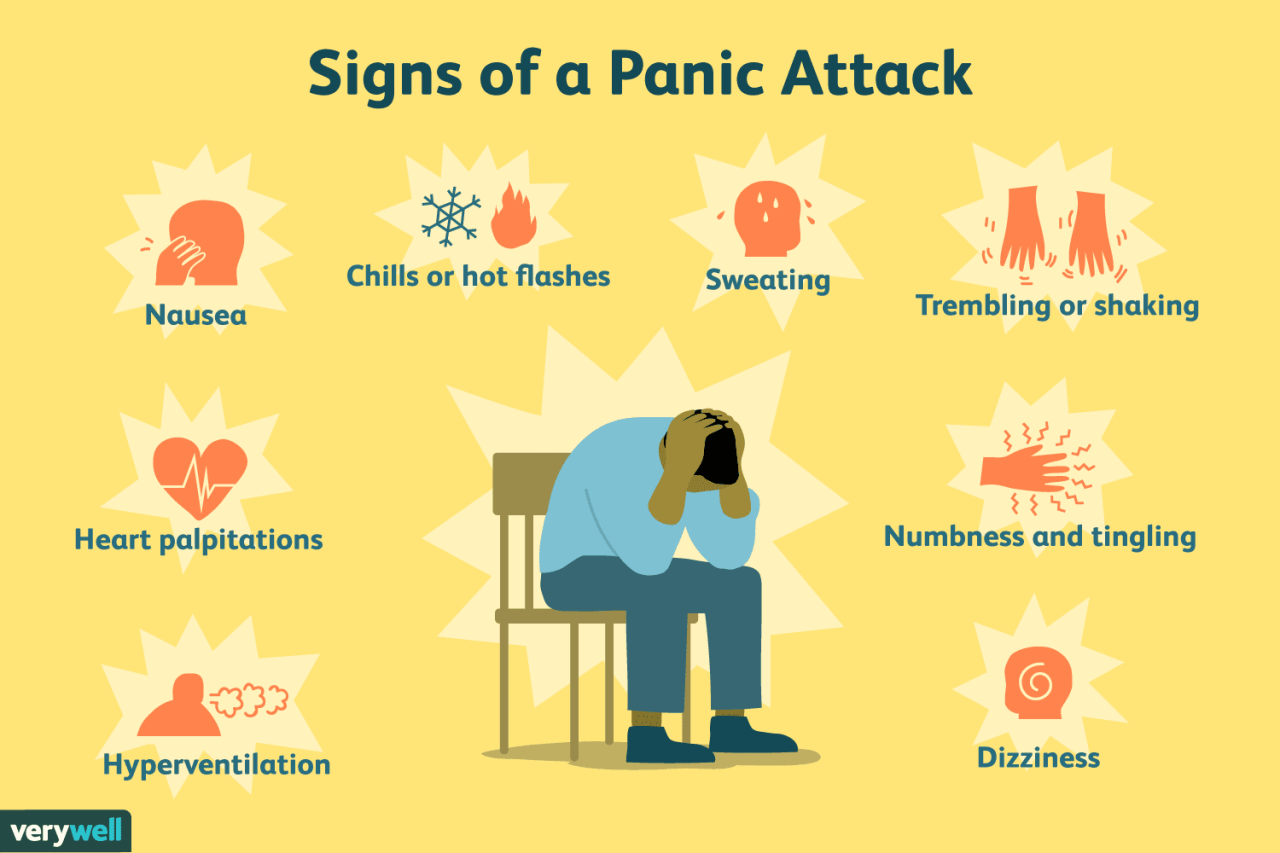
During a panic attack, controlled breathing can serve as an immediate and effective tool to regain composure and reduce symptoms. Practicing specific breathing techniques helps to slow the body’s stress response, alleviate hyperventilation, and foster a sense of calm. Mastering these exercises provides individuals with a practical, natural method to manage episodes as they occur, fostering resilience and confidence in handling panic symptoms.
Implementing diaphragmatic breathing and other intentional breathing methods can significantly diminish the intensity and duration of a panic attack. Regular practice not only supports during episodes but also enhances overall stress management and emotional regulation, contributing to long-term mental health stability.
Step-by-step guide to practicing diaphragmatic breathing during a panic episode
- Find a comfortable and quiet position, sitting or lying down, ensuring your back is straight to allow full lung expansion.
- Place one hand gently on your chest and the other on your abdomen, just below your ribcage.
- Inhale slowly through your nose for a count of four, focusing on expanding your abdomen rather than your chest. You should feel the hand on your belly rise as air fills your lungs.
- Pause briefly after inhalation, holding your breath for a count of two to maintain a sense of control.
- Exhale slowly and completely through your mouth or nose for a count of six, allowing your abdomen to fall as you release air.
- Repeat this cycle for 5 to 10 minutes, consistently focusing on the rhythm and depth of your breaths, aiming to slow your breathing and promote relaxation.
Different breathing techniques and their specific benefits
Various breathing exercises can be tailored to individual needs during a panic attack, each offering unique advantages in calming the nervous system and reducing anxiety symptoms.
- Diaphragmatic Breathing: Focuses on deep belly breaths to increase oxygen intake, decrease hyperventilation, and activate the parasympathetic nervous system, fostering calmness.
- Box Breathing (Square Breathing): Involves inhaling, holding, exhaling, and holding again for equal counts (e.g., 4 seconds each). It enhances focus, reduces stress, and stabilizes breathing patterns.
- 4-7-8 Breathing: Inhale for 4 seconds, hold for 7 seconds, exhale slowly for 8 seconds. This technique promotes relaxation by encouraging slow, controlled breathing and reducing anxiety levels.
- Alternate Nostril Breathing (Nadi Shodhana): Alternating nostrils during inhalation and exhalation helps balance the nervous system, reduce stress, and improve mental clarity.
Comparative table of various breathing exercises
| Technique | Inhale/Exhale Ratios | Duration | Recommended Usage | Benefits |
|---|---|---|---|---|
| Diaphragmatic Breathing | Inhale: 4 seconds Exhale: 6 seconds |
5-10 minutes | During panic episodes or daily stress management | Reduces hyperventilation, activates relaxation response |
| Box Breathing | Inhale: 4 seconds Hold: 4 seconds Exhale: 4 seconds Hold: 4 seconds |
Several cycles as needed | Focus enhancement, calming anxiety, improving concentration | Stabilizes breathing pattern, fosters mental clarity |
| 4-7-8 Breathing | Inhale: 4 seconds Hold: 7 seconds Exhale: 8 seconds |
Repeat for 4-8 cycles | Before sleep, during heightened anxiety | Induces relaxation, reduces stress hormones |
| Alternate Nostril Breathing | Inhale: through one nostril Exhale: through the opposite nostril |
5-10 minutes | During heightened anxiety, meditation practices | Balances nervous system, relieves mental fatigue |
Mindfulness and Meditation Practices
Incorporating mindfulness and meditation into daily routines can significantly diminish the frequency and intensity of panic attacks. These practices foster a heightened awareness of the present moment, helping individuals recognize early signs of anxiety and respond calmly before symptoms escalate. Establishing a consistent routine not only cultivates mental resilience but also provides a therapeutic refuge amid stressful situations, promoting overall emotional well-being.
Effective meditation sessions tailored for anxiety management are structured to promote relaxation, mental clarity, and emotional balance. By dedicating specific periods each day to mindfulness exercises, individuals develop skills to observe their thoughts and sensations non-judgmentally, reducing the tendency to become overwhelmed during panic episodes. The following guidelines offer a practical approach to integrating these practices into everyday life.
Establishing a Mindfulness Routine to Reduce Panic Symptoms
A successful mindfulness routine begins with selecting a quiet, comfortable environment free of distractions. Consistency is key; scheduling daily sessions at the same time each day helps to reinforce the habit. Start with as little as five minutes, gradually increasing the duration as comfort and familiarity grow. Incorporate gentle reminders or alarms to prompt practice and keep the routine a priority.
To deepen the effectiveness, create a dedicated space or corner in your home that is solely used for mindfulness and meditation. Use calming elements such as soft lighting, calming scents like lavender, or relaxing background music if preferred. Maintaining a regular practice schedule fosters a sense of stability and provides ongoing support to manage anxiety symptoms proactively.
Procedural Guide for Effective Meditation Sessions for Anxiety Management
- Preparation: Sit comfortably in a quiet space with your back straight but relaxed. Close your eyes or soften your gaze, focusing on a point or a calming object if preferred.
- Breathing Focus: Begin by taking slow, deep breaths, inhaling through the nose and exhaling through the mouth. Pay attention to the sensation of the breath entering and leaving your body. This acts as an anchor to keep your focus grounded in the present moment.
- Body Awareness: Conduct a gentle body scan, starting from the top of your head and moving downwards. Notice any areas of tension or discomfort without attempting to change them. Simply observe and breathe into those regions to promote relaxation.
- Thought Observation: As thoughts or worries arise, acknowledge them without judgment and gently redirect your focus to your breath or bodily sensations. This practice helps in reducing rumination and increases mental clarity.
- Visualization or Sensory Techniques: Incorporate visualization by imagining a peaceful scene or recalling a positive memory, engaging all your senses to anchor your awareness in tranquility.
- Closing the Session: Gradually bring your awareness back to the environment. Wiggle your fingers and toes, stretch if needed, and open your eyes slowly, carrying the calmness into your daily activities.
Regular practice of these steps nurtures a mindful attitude, enhances emotional regulation, and equips individuals with resilient coping strategies to handle panic episodes more effectively. Over time, mindfulness becomes an intuitive response that naturally counteracts the symptoms of anxiety and panic attacks.
Tip: Consistency in practice is more beneficial than duration. Even a few minutes daily can set the foundation for significant mental health improvements.
Lifestyle Modifications to Prevent and Manage Panic Attacks

Managing panic attacks effectively often involves making deliberate lifestyle changes that promote overall mental well-being. Incorporating healthy habits into daily routines can significantly reduce the frequency and intensity of panic episodes. These modifications not only bolster resilience against anxiety but also contribute to a more balanced and calm state of mind over time.Adopting a holistic approach to lifestyle encompasses proper diet, quality sleep, and regular physical activity.
These elements are interconnected and play a crucial role in regulating stress hormones, stabilizing mood, and enhancing the body’s ability to cope with anxiety-provoking situations. By consciously integrating these habits into daily life, individuals can create an environment conducive to emotional stability and mental clarity.
Diet and Nutrition
Nutrition profoundly impacts brain chemistry and mood regulation. A balanced diet rich in essential nutrients can help stabilize blood sugar levels, reduce irritability, and prevent fluctuations that may trigger panic attacks. Emphasizing whole foods, such as fruits, vegetables, lean proteins, and whole grains, provides a steady supply of energy and vital nutrients. Incorporating foods high in magnesium, omega-3 fatty acids, and B-vitamins supports nervous system health and stress resilience.Limiting or avoiding caffeine, alcohol, and processed foods is equally important, as these substances can exacerbate anxiety symptoms.
Caffeine, in particular, is a stimulant that may heighten feelings of nervousness and trigger panic episodes in sensitive individuals.
Sleep Hygiene
Healthy sleep patterns are essential for emotional regulation and overall mental health. Establishing a consistent sleep schedule by going to bed and waking up at the same time each day fosters better sleep quality. Creating a calming bedtime routine, such as reading or practicing relaxation techniques, signals to the body that it’s time to wind down.Avoiding screens and stimulating activities before bedtime reduces exposure to blue light, which can interfere with melatonin production.
Ensuring a comfortable sleep environment—cool, dark, and quiet—further promotes restorative sleep. Adequate rest helps lower stress levels and reduces the likelihood of panic attacks triggered by fatigue or sleep deprivation.
Physical Activity and Movement
Regular physical activity acts as a natural stress reliever and mood enhancer. Engaging in activities such as walking, jogging, yoga, or tai chi increases the production of endorphins, which are the body’s natural painkillers and mood stabilizers. Exercise also helps regulate adrenaline and cortisol levels, the hormones associated with stress and anxiety.Incorporating moderate exercise into daily routines, even for 20-30 minutes, can improve resilience against panic triggers.
Additionally, mindful movement practices like yoga and tai chi incorporate breathing and meditation components that further support anxiety reduction.
Habits to Adopt vs. Habits to Avoid for Panic Attack Prevention
| Habits to Adopt | Habits to Avoid |
|---|---|
|
|
Natural Supplements and Herbal Remedies
Many individuals turn to natural supplements and herbal remedies to support anxiety management and reduce the occurrence of panic attacks. These options are often favored for their gentler profile and potential calming effects, although it is important to consult a healthcare provider before use.
- Valerian Root: Traditionally used to promote relaxation and improve sleep quality. It is believed to have mild sedative properties that can help ease anxiety symptoms.
- Passionflower: Known for its calming effects, passionflower may reduce anxiety and improve sleep patterns when taken regularly.
- Lavender (Oil or Tea): Aromatherapy with lavender oil or consumption of lavender tea has been associated with decreased anxiety levels and enhanced relaxation.
- Mgnesium: An essential mineral that supports nervous system function. Supplementing with magnesium has been shown to reduce panic symptoms and promote calmness.
- Omega-3 Fatty Acids: Found in fish oil, these fatty acids may help regulate mood and decrease anxiety symptoms by supporting brain health.
- Herbal Teas (Chamomile, Lemon Balm): These herbs are known for their soothing properties and are often consumed as teas to promote relaxation and reduce stress.
It is important to approach herbal remedies with caution, as their efficacy varies among individuals and potential interactions with medications should be considered. Always consult a healthcare professional prior to incorporating supplements into your routine.
Cognitive techniques to handle panic attacks naturally
Managing panic attacks effectively involves not only physical relaxation strategies but also empowering the mind to counteract fear-inducing thoughts. Cognitive techniques serve as vital tools that help individuals reframe their perception of panic symptoms, thereby reducing their intensity and duration. By consciously applying these methods, one can regain a sense of control and diminish the frequency of episodes.
Implementing cognitive strategies during a panic attack requires awareness and practice. These techniques focus on challenging irrational thoughts, grounding oneself in reality, and fostering positive mental habits. The following approaches are designed to help individuals navigate panic attacks more confidently while promoting long-term resilience and mental clarity.
Grounding techniques during a panic attack
Grounding techniques are practical methods that anchor a person to the present moment, diverting focus away from overwhelming physical sensations or distressing thoughts. During a panic attack, grounding can be achieved through sensory engagement or bodily awareness, which helps in reducing feelings of dissociation or helplessness.
One effective grounding method involves using the five senses. For example, a person can identify five things they see, four they touch, three they hear, two they smell, and one they taste. This sensory exercise shifts attention from internal anxiety to external reality, fostering mindfulness and calmness. Another approach includes holding onto a textured object or focusing on the sensation of their feet on the ground to create a physical connection that stabilizes their mental state.
Cognitive restructuring methods to challenge panic-inducing thoughts
Challenging catastrophic thoughts is essential in diminishing the power of panic triggers. Cognitive restructuring involves identifying irrational or exaggerated beliefs and replacing them with balanced, rational perspectives. This process helps individuals view their symptoms and fears more objectively, preventing escalation into full-blown panic.
Common cognitive techniques include:
- Examining Evidence: Analyzing the facts surrounding your fears, such as questioning the likelihood of a heart attack or losing control, based on current health or circumstances.
- Decatastrophizing: Considering the worst-case scenario and then assessing its actual impact and likelihood, often revealing that fears are less probable than initially thought.
- Reframing Thoughts: Replacing negative statements like “I’m going to lose control” with more rational ones such as “My body is reacting normally; this will pass.”
- Using Reality Checks: Reminding oneself of past experiences where panic subsided naturally, reinforcing that current symptoms are temporary and manageable.
Journaling and positive affirmations as natural coping strategies
Writing and affirmations serve as accessible, empowering tools that reinforce positive mental health practices. Journaling provides an outlet to process feelings, identify patterns, and monitor progress over time. Positive affirmations foster self-confidence and help reframe negative thought patterns associated with panic attacks.
Engaging in regular journaling allows individuals to document their experiences, recognize triggers, and reflect on successful coping strategies. This practice builds self-awareness and promotes a proactive approach to managing anxiety. Additionally, incorporating affirmations such as “I am safe,” “This feeling will pass,” or “I have the strength to overcome this” can reinforce calmness during episodes. Repeating these statements daily nurtures a resilient mindset and diminishes the impact of fear-based thoughts.
Stress Reduction Techniques and Relaxing Activities
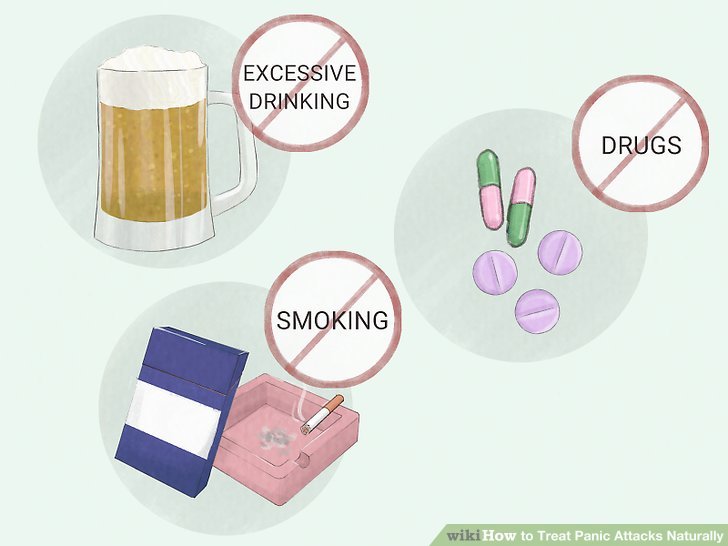
Incorporating stress reduction techniques and engaging in relaxing activities are essential components of managing panic attacks naturally. These practices not only help alleviate immediate symptoms but also contribute to long-term resilience against stressors that may trigger panic episodes. A consistent approach to relaxation can significantly improve overall mental well-being and foster a sense of calm and control.
Implementing a variety of calming activities tailored to individual preferences enhances the effectiveness of stress management. Combining these activities with structured techniques like progressive muscle relaxation can optimize relaxation responses, reduce anxiety levels, and promote mental clarity. Developing a personalized plan that integrates these methods ensures a sustainable and adaptable approach to managing stress and preventing panic attacks.
Progressive Muscle Relaxation Procedure
Progressive muscle relaxation (PMR) is a systematic technique that involves tensing and relaxing different muscle groups to promote physical and mental relaxation. This method helps individuals become aware of muscle tension associated with stress and learn to release it effectively. Here is a detailed step-by-step procedure for practicing PMR:
- Find a quiet, comfortable space where you can sit or lie down without interruptions. Ensure that your clothing is loose and that you are in a relaxed environment.
- Begin by taking slow, deep breaths to center yourself. Inhale deeply through your nose for a count of four, hold for a count of four, then exhale slowly through your mouth for a count of six. Repeat this breathing pattern for a few minutes to settle your mind and body.
- Start with your feet. Curl your toes tightly, hold the tension for about five seconds, then release completely, noting the sensation of relaxation. Focus on the contrast between tension and relaxation.
- Move sequentially through each muscle group, such as calves, thighs, abdomen, chest, hands, arms, shoulders, neck, and face. For each group:
- Tense the muscles gently but firmly, hold the tension for about five seconds,
- Release suddenly and completely, paying attention to the feeling of relief and relaxation.
- As you progress through each muscle group, maintain awareness of the sensations and focus on the calmness that follows each relaxation.
- After completing the full body scan, spend a few moments in a state of relaxed awareness, breathing naturally and enjoying the feeling of calmness.
- Practice this technique daily or whenever you feel the onset of anxiety to help reduce muscle tension and promote emotional stability.
Calming Activities
Engaging in calming activities can significantly reduce stress levels and provide a mental break from anxiety-provoking thoughts. Incorporating a variety of activities allows individuals to discover what best promotes relaxation and emotional balance. Below is an organized overview of popular calming activities:
| Activity | Description and Benefits |
|---|---|
| Yoga | Yoga combines physical postures, breathing techniques, and meditation to enhance flexibility, strength, and mental clarity. Regular practice can reduce cortisol levels, improve mood, and foster a sense of inner peace. It is especially effective for reducing muscle tension and promoting mindfulness. |
| Aromatherapy | Aromatherapy involves the use of essential oils like lavender, chamomile, or bergamot to create a calming environment. Diffusing these scents or applying them topically can help decrease anxiety, improve sleep quality, and elevate mood. |
| Listening to Music | Listening to soothing music, such as classical or ambient melodies, can lower stress hormones and induce relaxation. Creating playlists with preferred calming tunes can serve as a quick stress relief tool during anxious moments. |
| Other Relaxing Activities | Activities such as reading, gardening, painting, or engaging in hobbies that bring joy can shift focus away from anxiety triggers and promote positive emotional states. Incorporating these into daily routines builds resilience against stress. |
Designing a Personalized Stress Management Plan
Developing a tailored stress management plan involves assessing individual stress triggers, preferred relaxation activities, and available resources. A well-designed plan provides structure and motivation, facilitating consistent practice and effective stress reduction. Key steps include:
- Identifying specific stressors and understanding their impact on your mental and physical health.
- Listing preferred relaxation techniques and activities, considering accessibility, time commitment, and personal enjoyment.
- Creating a schedule that allocates dedicated time for relaxation practices daily or weekly.
- Setting realistic goals and tracking progress to maintain motivation and recognize improvements.
- Incorporating flexibility to adapt activities based on changing circumstances or preferences.
- Seeking support from mental health professionals or support groups if needed, to refine strategies and address ongoing challenges.
Remember that consistency and patience are essential when practicing stress reduction techniques. Personalization ensures that the plan remains relevant and sustainable, ultimately contributing to better management of panic attacks and overall well-being.
Building a Supportive Environment and Seeking Natural Support
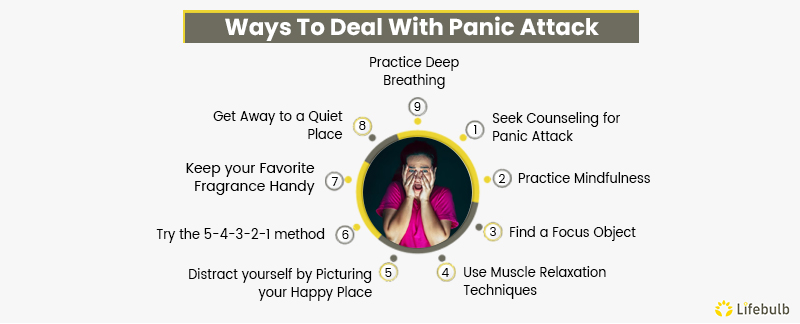
Creating a calming and nurturing environment at home and work is essential for managing panic attacks naturally. Such surroundings can reduce stress triggers and promote a sense of safety, allowing individuals to employ their coping strategies more effectively. Additionally, engaging family, friends, and community resources can provide vital emotional support and practical assistance, fostering resilience and understanding in the journey toward anxiety management.A supportive environment encourages open communication, understanding, and patience, which are critical components for anyone experiencing panic attacks.
It also involves cultivating spaces that promote relaxation, mindfulness, and confidence, helping to lessen the frequency and intensity of panic episodes.
Creating a Calming Environment at Home and Work
Establishing spaces conducive to relaxation is a fundamental strategy in natural anxiety management. A calming environment can significantly diminish anxiety symptoms and serve as an accessible refuge during stressful moments.At home:
- Designate a specific area as a relaxation zone, equipped with comforting items such as soft lighting, calming artwork, and soothing sounds like nature melodies or white noise.
- Maintain a clutter-free space to minimize sensory overload, which can heighten anxiety levels.
- Incorporate natural elements such as houseplants or water features to create a peaceful atmosphere.
- Use calming scents like lavender or chamomile through essential oils or candles to promote relaxation.
At work:
- Personalize your workspace with calming objects, like a small plant or a picture that brings comfort.
- Ensure your environment is well-organized to reduce feelings of chaos and overwhelm.
- Implement short, scheduled breaks for stretching, deep breathing, or brief walks outside to reset your mental state.
- Utilize noise-canceling headphones or calming background music to create a tranquil auditory environment.
Maintaining a peaceful environment helps individuals build resilience against stress and provides a foundation for practicing other natural coping techniques.
Involving Family and Friends in Natural Anxiety Management
A strong support system plays a crucial role in managing panic attacks naturally. Educating loved ones about panic disorder and their role in the recovery process fosters understanding and creates a collaborative approach to anxiety management.Strategies for involving family and friends include:
- Sharing information about panic attacks—symptoms, triggers, and effective coping mechanisms—so they can provide empathetic support.
- Encouraging loved ones to participate in relaxation activities together, such as guided meditation sessions, yoga, or walks in nature, reinforcing a sense of companionship and mutual relaxation.
- Developing a safety plan that includes specific steps to follow in case of a panic attack, ensuring the individual feels supported and understood during episodes.
- Inviting family or friends to attend therapy sessions or support groups, which can enhance their understanding and ability to offer appropriate assistance.
Building an environment of trust and openness ensures that individuals feel supported without judgment, empowering them to employ natural techniques confidently.
Community Resources, Support Groups, and Online Platforms Promoting Natural Methods
Accessing community and online resources broadens support networks and provides valuable information on natural anxiety management techniques. These platforms can offer comfort, shared experiences, and practical advice from peers who understand the challenges of panic attacks.Community resources include:
- Local mental health clinics and wellness centers that offer workshops on mindfulness, relaxation techniques, and holistic approaches.
- Support groups facilitated by mental health organizations, providing an environment for sharing experiences and coping strategies.
- Community centers that host classes in yoga, tai chi, or other gentle movement practices that promote relaxation and stress reduction.
Online platforms:
- Dedicated forums and social media groups focused on natural anxiety management, allowing individuals to exchange tips, success stories, and encouragement.
- Websites and apps offering guided meditation, breathing exercises, and mindfulness practices tailored for panic attack relief.
- Virtual support groups led by mental health professionals specializing in holistic and natural approaches.
These resources serve as vital tools for continuous learning, encouragement, and community connection, complementing personal efforts in managing panic attacks naturally.
Final Summary
Incorporating natural strategies to handle panic attacks not only promotes immediate relief but also supports long-term mental health. By adopting these techniques and creating a supportive environment, individuals can cultivate a calmer, more balanced life while reducing dependence on medications.